
The Best Closed Toe Sandals for Hiking: A Complete Buying Guide for 2026
Disclosure: We may earn a commission when you buy through links on this page, at no extra cost to you. As an Amazon Associate I earn from qualifying purchases. Learn more

Learn how to choose the best closed toe sandals for hiking with clear guidance on fit, toe protection, grip, cushioning, water use, and price tiers.
Warm weather trails tempt you toward sandals, but open toes and rocky paths are a painful mix. Closed toe hiking sandals solve that problem with a protective bumper, real tread, and straps that hold your foot like a shoe. This guide to the best closed toe sandals for hiking explains how to choose a pair that fits your feet, your trails, and your budget.
You will learn what each price tier delivers, which features genuinely matter on the trail, and how the main design types differ. Keep the comparison table below nearby as you read, and judge every option against the checks in the buying guide section.


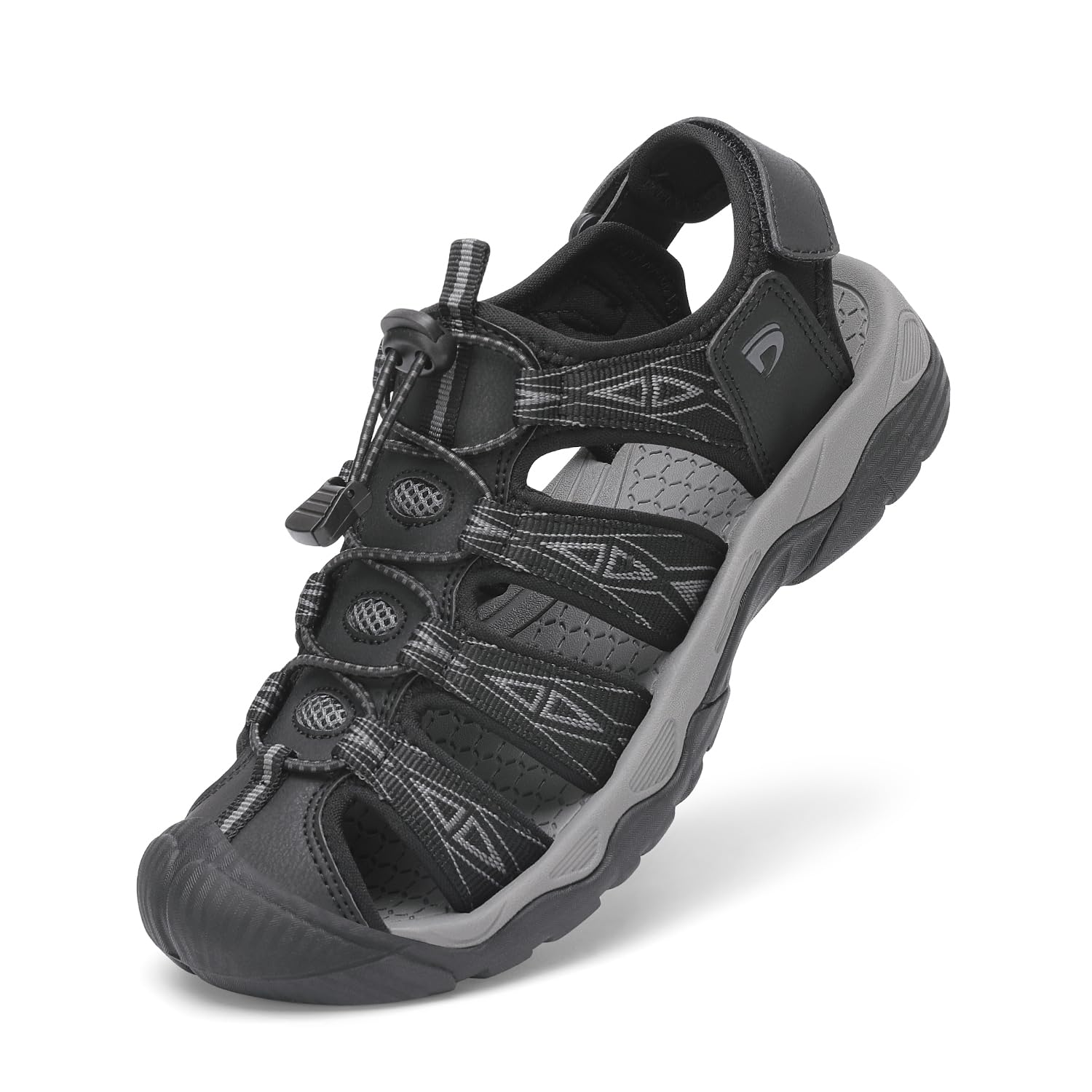
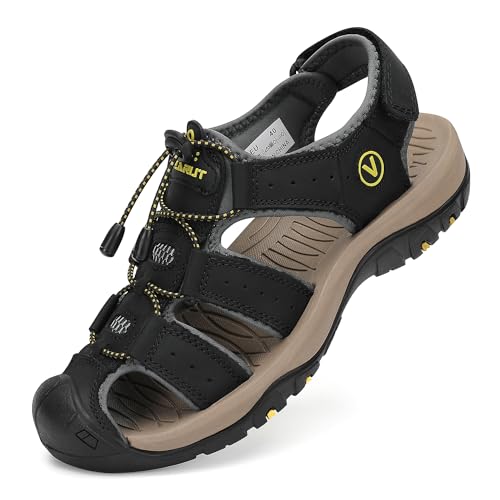
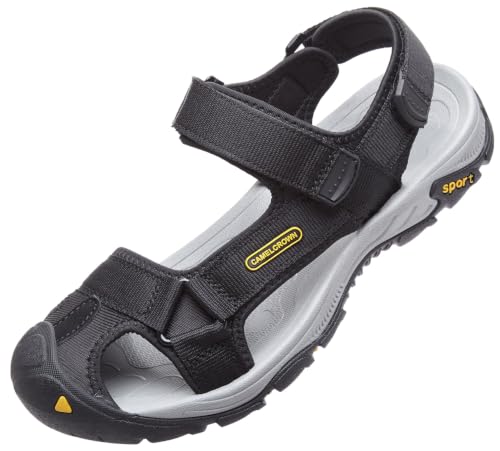


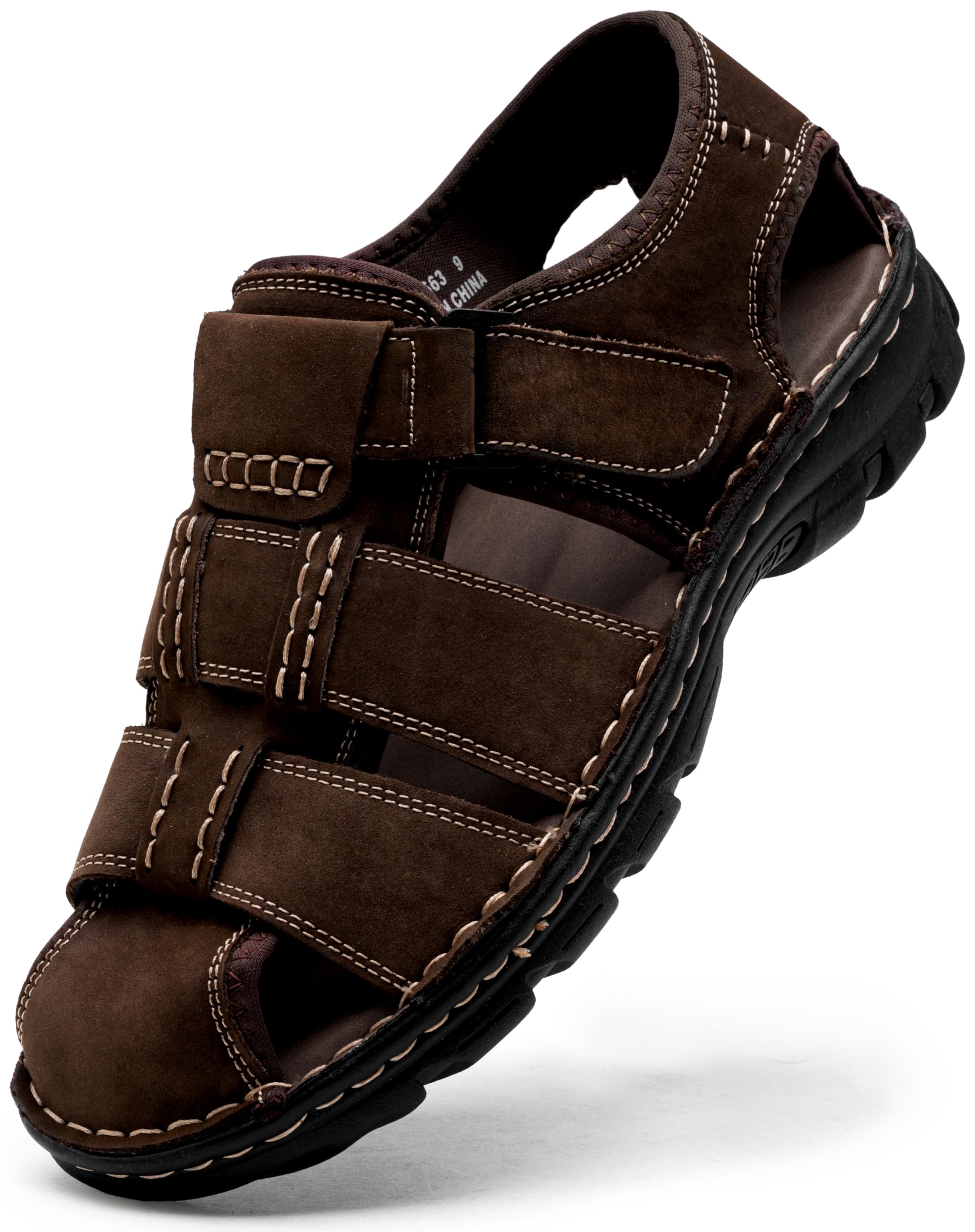

Three Price Tiers at a Glance
Price tiers tell you more than any single model name, because they predict the footbed shaping, outsole rubber, and strap quality you will get. The tiers below describe what each band generally delivers for trail use. Fit still comes before price: a lower tier pair that fits perfectly will serve you better than a costly pair that rubs.
The Overall Tier
Pairs around $90 to $130 usually combine a molded footbed with real arch contour, a lugged rubber outsole, and straps you can adjust in at least two places. This is the dependable middle ground for most hikers, from weekend trail walkers to travelers covering mixed ground all day.
Expect the cushioning to stay supportive for several seasons of regular use. If you hike most weeks and want one pair that handles nearly everything warm weather throws at you, shop in this band first.
The Value Tier
Under about $90, closed toe sandals keep the essential bumper and tread but simplify the footbed and strap padding. They work well for groomed trails, beach approaches, and camp duty, and they are a low risk way to learn whether you like hiking in sandals at all.
The honest compromise is longevity and support on rough ground. Thin cushioning packs down sooner, and basic outsoles grip less confidently on wet rock. Occasional hikers may never notice, while daily trail users will outgrow this tier within a season or two.
The Upgrade Tier
Above about $130, your money buys stickier outsole compounds, more sculpted support, and uppers that survive repeated soaking and abrasion. Anchored straps and reinforced bumpers handle rocky, uneven terrain where cheaper sandals start to feel vague underfoot.
This tier suits long trips, heavy packs on warm trails, and anyone whose feet need the best shaped support a sandal can offer. The gain over the overall tier is real but incremental, so upgrade for durability and grip rather than for basic comfort alone.
How to Choose the Best Closed Toe Sandals: Buying Guide
Choosing the best closed toe sandals for hiking comes down to six checks: trail features, fit, water behavior, cushioning, weight, and first wear comfort. Run them in this order and most wrong options eliminate themselves. A pair that passes all six at a fair price is the pair to buy.
Features That Matter for Hiking
Hiking adds demands that casual sandals never face. You need a toe bumper that is stiff enough to deflect a rock strike, lugs deep enough to bite on loose dirt, and straps that stop your foot sliding forward on descents. A closed heel cup adds stability that a backless design cannot match.
Specific numbers help: look for lugs around 4 mm deep, a footbed with a raised arch section, and at least two adjustment points. Listings for related styles, such as our guide to the best closed toe sandals for women, use the same feature language, which makes cross shopping easier.
Fit, Sizing, and Toe Box
Try sandals on late in the day, when your feet have spread to their working size, and wear the socks you plan to hike in if any. Your toes should clear the bumper by roughly a centimeter, and your heel should sit inside the cup without overhang at the back.
Walk a slope if the store allows it, because downhill sliding is the fit failure that matters most. Women comparing lasts may also find our guide to the best closed toe hiking sandals women's useful, since women specific shapes differ from unisex cuts in heel width and arch placement.
Waterproofing (Gore Tex and Membranes)
For sandals, water strategy means draining and drying, not sealing out. Straps and footbeds should be made from materials that do not absorb water, so a stream crossing adds minutes of dampness rather than hours. Membranes like Gore Tex belong in boots, where the upper can actually keep water out.
If your routes involve constant wading, prioritize fast drying over any waterproof claim. If your hiking mixes trails with cold wet weather, a waterproof boot may be the better tool for those days, with sandals reserved for warm and dry conditions.
Cushioning and Support
Cushioning protects your joints on hard packed trails, while support controls how your foot rolls. Stability designs add firmer material under the arch and a wider base, suiting hikers whose ankles roll inward. Neutral designs use even cushioning and suit natural strides.
Heel to toe drop in sandals is usually low, which many walkers find natural, but very flat designs can strain calves on long climbs. If you are new to low drop footwear, build distance gradually over your first few hikes and let your legs adapt.
Weight and Flexibility
Every gram on your feet is lifted thousands of times per hike, so lighter sandals reduce end of day fatigue. Most quality pairs weigh about 500 to 800 grams per pair depending on size and build. Heavier models usually repay their weight with thicker soles and stronger bumpers for rough terrain.
Flex should happen at the ball of the foot, not through the arch. A sandal that twists easily in your hands will twist on the trail too, which tires your ankles. Balance your choice: light and flexible for smooth paths, sturdier for rocky routes.
Break In Period and Comfort Out of the Box
A good pair should feel walkable immediately on carpet or a short pavement loop. Strap edges may soften and the footbed will mold slightly over the first few outings, but sharp rubbing or pressure points on day one rarely disappear later.
Use this know how: adjust the forefoot strap first, then the heel strap, then the ankle strap, checking after each change. Small adjustments in that order fix most early discomfort. Save the box and receipt until you have completed two short hikes without hot spots.
Types of Closed Toe Sandals
Design labels describe how a sandal supports and moves with your foot. Knowing the types keeps you from buying a stability build for a neutral stride, or a featherweight pair for boulder fields. Our overview of the best closed toe sandals shows how these types appear across everyday lines as well.
Stability/Support Shoes
Stability designs use firmer arch support, a structured heel cup, and a broad sole to limit inward rolling. They suit hikers with flat feet, tired arches, or heavier packs. The trade off is a slightly stiffer ride that some walkers find less lively on easy paths.
Lightweight Shoes
Lightweight designs trim sole thickness and strap bulk to cut fatigue on long, smooth trails and travel days. They pack small and dry quickly, which makes them favorites for trips. Protection is thinner, so save them for groomed paths rather than sharp rock.
Neutral Shoes
Neutral designs offer even cushioning without corrective shaping, and they fit the widest range of feet. Most hikers with a natural stride and no recurring pain do well here. They are the safest default when you do not know your foot type.
Closed Heel Hybrid Sandals
Hybrid designs close the heel as well as the toe and use a bungee or lace lock instead of open straps, so they sit between a sandal and a trail shoe. They hold the foot more securely on steep ground and keep out more grit, at the cost of airflow and a longer drying time after a soaking. Hikers who carry a heavier pack or who roll their ankles on loose ground often prefer this style.
Care and Maintenance Tips
- Rinse off grit and mud after each hike, because trapped sand grinds strap stitching and footbed texture away.
- Air dry wet sandals in shade away from direct heat, since high heat can soften adhesives and distort molded footbeds.
- Lace or strap the pair properly before every hike to prevent heel slip, which causes most sandal blisters.
- Rotate two pairs across heavy use weeks so cushioning can recover between outings.
- Plan replacement around 300 to 500 miles, or when tread smooths and support feels flat.
Frequently Asked Questions
What features matter most in closed toe sandals for hiking?
Fit, outsole grip, and a genuinely protective toe bumper matter most, in that order. After those, look at footbed support matched to your arch and straps that adjust in at least two places. A useful extra check is sole stiffness: bend and twist the sandal by hand.
It should flex at the forefoot and resist twisting. Features like color options and decorative stitching tell you nothing about trail performance.
How long is the break in period?
Most pairs settle within two or three short hikes, roughly a week of regular walking. The footbed compresses to your footprint and strap webbing relaxes slightly during this window. Wear them around the house and on one brief trail before committing to a long route. If a strap still saws at your skin after that, adjust its routing or exchange the size rather than hoping miles will fix it.
Can I wear closed toe sandals all day?
Yes, a well fitted pair handles full days of mixed walking comfortably, which is why travelers love them. Build up gradually if you are used to structured shoes, and adjust straps at midday because feet swell as the day goes on. For very long pavement days, our guide to the best closed toe sandals for walking explains the cushioning differences that matter most on hard surfaces.
Are expensive closed toe sandals worth it?
They earn their price for frequent hikers through grip, support shaping, and parts that last several seasons. The clearest sign of value is the outsole: premium rubber keeps biting on wet rock long after basic compounds feel slick. Casual hikers on dry, easy trails get a similar experience from mid priced pairs. Spend according to your mileage and terrain, not according to the most technical listing you can find.
How often should I replace my closed toe sandals?
Replace them when the tread is visibly smooth at the forefoot, the footbed no longer springs back, or straps slip out of adjustment, typically after 300 to 500 trail miles. Inspect the toe bumper joint too, since separation there ends the protection you bought them for. Keep retired pairs for gardening and camp duty. Trails deserve the grip and support of a pair still in its prime.
How should closed toe sandals fit?
They should hold your heel in its cup, grip the midfoot without squeezing, and leave about a centimeter between your longest toe and the bumper. Check the fit on a downslope, real or improvised, because forward slide is the clearest giveaway. Men with wide feet may prefer the lasts described in our guide to the best men's closed toe hiking sandals. When between sizes, most hikers do better with the larger size in sandals.
Final Thoughts
Decide with fit, grip, and support, and let price tiers guide your budget rather than dictate it. A pair that clears the bumper check, bites on loose ground, and matches your arch will make warm weather trails easy. Compare your finalists in the product table above, and you will land on the best closed toe sandals for hiking for your feet and your favorite routes.


