Best Budget Walking Sandals: Types Compared and How to Choose for 2026
Disclosure: We may earn a commission when you buy through links on this page, at no extra cost to you. As an Amazon Associate I earn from qualifying purchases. Learn more

Compare the best budget walking sandals by type, support level and price so you can choose the right style for daily walks, travel and warm weather.
Walking sandals look alike in photos, yet the right choice depends on whether your miles are gentle recovery strolls, full days of sightseeing or brisk fitness walks. This guide to the best budget walking sandals compares the main types plainly, with the strengths, limits and typical prices of each. Once you know your type, the fit and support advice that follows will help you pick a size and style with confidence.
The comparison table below sums up each type at a glance, and the detail below it explains the trade offs behind those short notes.


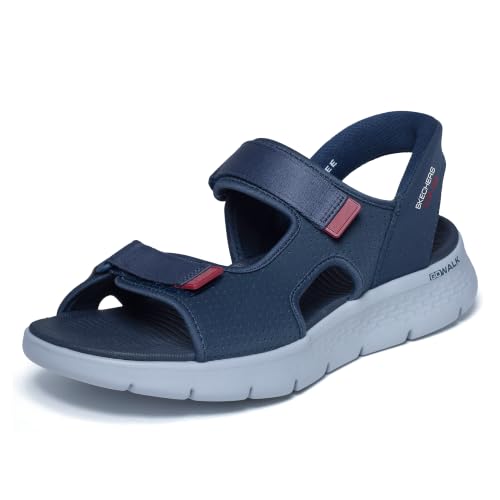
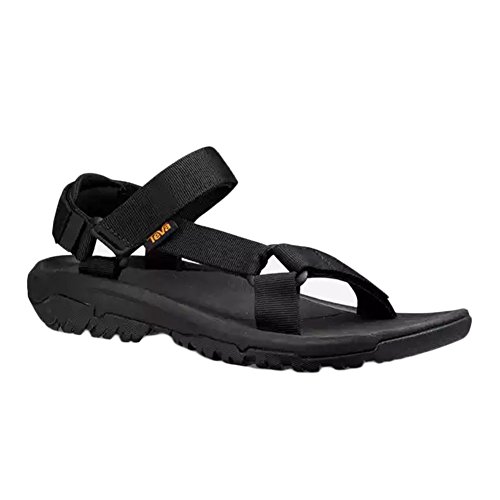


Types of Walking Sandals Compared
Three broad families cover most of the budget market. Recovery styles put softness first, stability styles put support first, and lightweight styles put low weight and packability first. Most walkers do best in one clear family, so decide your family before you compare colors or strap patterns.
Recovery Sandals
Recovery sandals use thick, soft foam that cradles tired feet after runs, gym sessions or long shifts on hard floors. Prices often sit around $25 to $50, and the best uses are short, gentle walks, post workout errands and indoor outdoor lounging. The soft sole that feels so kind at first can feel unstable on uneven ground, and it compresses faster than firmer foams. Choose this family for comfort over short distances, not for your longest walk of the week.
Stability Sandals
Stability sandals add a firmer midsole, a shaped arch and often a heel cup that keeps the foot centered as you stride. They suit walkers with flat feet, mild overpronation or feet that ache after an hour in flat shoes, and they typically cost around $40 to $80. The trade off is weight and stiffness, so they feel less breezy than minimal styles. If you plan daily walks of two miles or more, this family usually repays its price in comfort that lasts to the final block.
Lightweight Sandals
Lightweight walking sandals trim the sole and straps so the pair packs flat and feels barely there on the foot. Most cost around $20 to $45 and shine for travel, beach towns and warm city breaks where every ounce in your bag counts. Protection is thinner, so sharp gravel and long days on concrete expose the limits quickly. Pick this family as a second pair for trips, or as your main pair only if your walks stay short and your surfaces stay smooth.
Recovery Sandals vs Stability Sandals: Which Should You Choose?
These two families answer different needs. For cushioning feel, recovery foam wins at first step, while stability foam still feels supportive after miles when soft foam has packed down. For foot control, stability designs hold the heel and arch in place, while recovery slides let the foot move freely. For ground feel, recovery pairs mute small stones, and stability pairs give a steadier platform on slopes and curbs.
Durability also splits the pair. Recovery midsoles often flatten within a season of daily use, while firmer stability soles keep their shape far longer. Price overlaps, so let your use decide. Gentle, short and mostly indoor outdoor wear points to recovery. Longer, faster or ache prone walking points to stability. Many walkers own both and rotate by the day ahead.
For closed shoe alternatives on cooler days, our guide to the best walking shoes covers the same support ideas in a covered design.
How to Choose the Right Walking Sandal
With your type chosen, four checks will separate a good pair from a disappointing one. Work through them in order before you order.
What You Can Realistically Get on a Budget
Around $25 to $45 buys molded foam footbeds, synthetic straps and decent pavement tread for a season or two of regular walks. Around $45 to $80 adds firmer arch support, padded strap linings and outsoles that grip wet stone better. Budget pairs rarely offer replaceable straps or premium leather, and very cheap pairs often skimp on heel cushioning. Spend your money on the footbed and strap adjustment first, since those decide comfort on every single step.
Fit, Sizing, and Toe Box
Fit walking sandals late in the day, when your feet have spread from hours of use, and size to your longer foot using the centimeter chart. Your heel must sit inside the heel cup, never spilling off the back edge, and your toes need a small margin at the front for downhill steps. The toe box should let toes rest flat without curling. If you wear thick socks for morning walks, try the pair with those socks on before deciding.
Weight and Flexibility
A lighter sandal reduces leg fatigue on long days, but the sole should still resist twisting when you wring it gently with both hands. A pair that folds in half at the arch will feel every stone and tire your feet fast. Aim for flex at the ball of the foot, where your stride bends, with a stable heel section behind it. Travelers gain the most from low weight, while daily pavement walkers should accept a few extra ounces for protection.
Cushioning and Support
Cushioning absorbs impact, while support guides the foot, and good walking sandals balance both. A moderate heel to toe drop suits most walkers, since a very flat sole strains calves on hills and a tall heel feels tippy on trails. Feel for an arch that meets your own arch without poking, and a heel stack thick enough that you cannot sense the ground through it when you press down hard with your thumb.
To see how these support traits show up in higher rated designs, browse our guide to the best rated walking sandals after you settle your budget range.
Care and Maintenance Tips
Simple care stretches a budget pair across far more miles. Try these habits from the first week.
- Rotate two pairs for daily wear so each footbed recovers its shape between outings.
- Air dry wet sandals away from direct heat, which warps foam and dries out strap linings.
- Brush grit and small stones from the tread after walks on gravel or sand.
- Wash synthetic pairs with mild soap and cool water, then dry them in shade.
- Replace the pair when tread smooths, cushioning stays flat or straps will no longer hold their setting, often after 300 to 500 miles of walking.
Travelers planning long sightseeing days may also like our guide to the best walking sandals for europe, which weighs cobblestones, dress codes and packing space together.
Walking Sandals: Your Questions Answered
How often should I replace my walking sandals?
Replace walking sandals after about 300 to 500 miles, or sooner if the tread has worn smooth and the footbed no longer springs back overnight. Daily walkers may reach that point in a single warm season, while occasional users get two or three years. A sudden return of heel or arch aches in a trusted pair is often the clearest signal that the cushioning has given out.
Do I need waterproof shoes for walking?
No, you do not need waterproof membranes in a walking sandal, because open straps drain and dry far faster than a sealed shoe. Choose water tolerant synthetic straps if you expect rain, puddles or stream crossings. After a soaking, loosen the straps, shake out grit and let the pair air dry fully before the next walk to prevent odor and strap stretch.
Can I wear walking sandals all day?
Yes, you can wear a supportive walking sandal all day if the arch fits you and the straps adjust as your feet swell. Recovery and flat foam styles are better limited to part of the day. On a full sightseeing day, sit for short breaks, loosen straps at lunch and swap footwear the next day. Stop and address any hot spot early rather than pushing through it.
Are expensive walking sandals worth it?
Pricier walking sandals are worth it when you walk daily, cover long distances or need firm support for sore arches, because better foams hold their cushion far longer. The extra cost also buys padded straps and outsoles with stronger wet grip. For a few short walks each week, a sound budget pair meets the need and leaves money for a second style.
How should walking sandals fit?
Walking sandals should fit with the heel seated in its cup, toes clear of the front edge and straps snug enough that the foot never slides forward on a slope. You should not need to grip with your toes to keep them on. Try them on a hard floor, walk a few brisk paces and confirm no strap rubs a joint or leaves a sharp red line.
How long is the break in period for walking sandals?
Most walking sandals break in within three to six outings, as strap linings soften and the footbed takes the print of your sole. Molded foam sport styles often feel right on day one, while firmer stability designs need a week of shorter walks. Build distance gradually, and treat any early rubbing as a strap adjustment problem to fix at home, not a flaw to endure.
The Bottom Line
Pick your family first, recovery for softness, stability for support or lightweight for travel, then check fit late in the day and spend on the footbed before the extras. Review the product table above with those points in mind and the choice becomes straightforward. Among the best budget walking sandals, the pair that matches your miles will always beat the pair that merely matches your outfit. For women comparing cuts and widths, our guide to the best ladies walking sandals adds fitting notes for narrower heels.