
Best Climbing Shoes Bouldering: A Buying Guide for 2026
Disclosure: We may earn a commission when you buy through links on this page, at no extra cost to you. As an Amazon Associate I earn from qualifying purchases. Learn more

Learn how to choose bouldering shoes: fit, rubber grip, downturn, closure and indoor versus outdoor use, so you can pick a pair that climbs with you.
Choosing best climbing shoes bouldering is mostly about fit, because a shoe that matches your foot shape and climbing style will feel secure on small holds and comfortable through a long session. Bouldering shoes differ from street shoes in their tight fit, sticky rubber and shaped soles, and small differences in downturn or closure change how they perform. This guide explains those differences in plain language, compares types by skill level and setting, and helps you avoid the common sizing trap. Use the comparison table below for a quick side by side look at the main types.
Bouldering problems are short, powerful and technical, so shoes need precision more than all day walking comfort. A snug shoe lets you feel the hold and stand on tiny edges, while a shoe that is too loose will roll off a foothold when you press hard. That does not mean pain is a requirement: a well fitting shoe should feel firm and secure, not numb or bruising. The right pair balances sensitivity, support and comfort for the problems you actually climb.


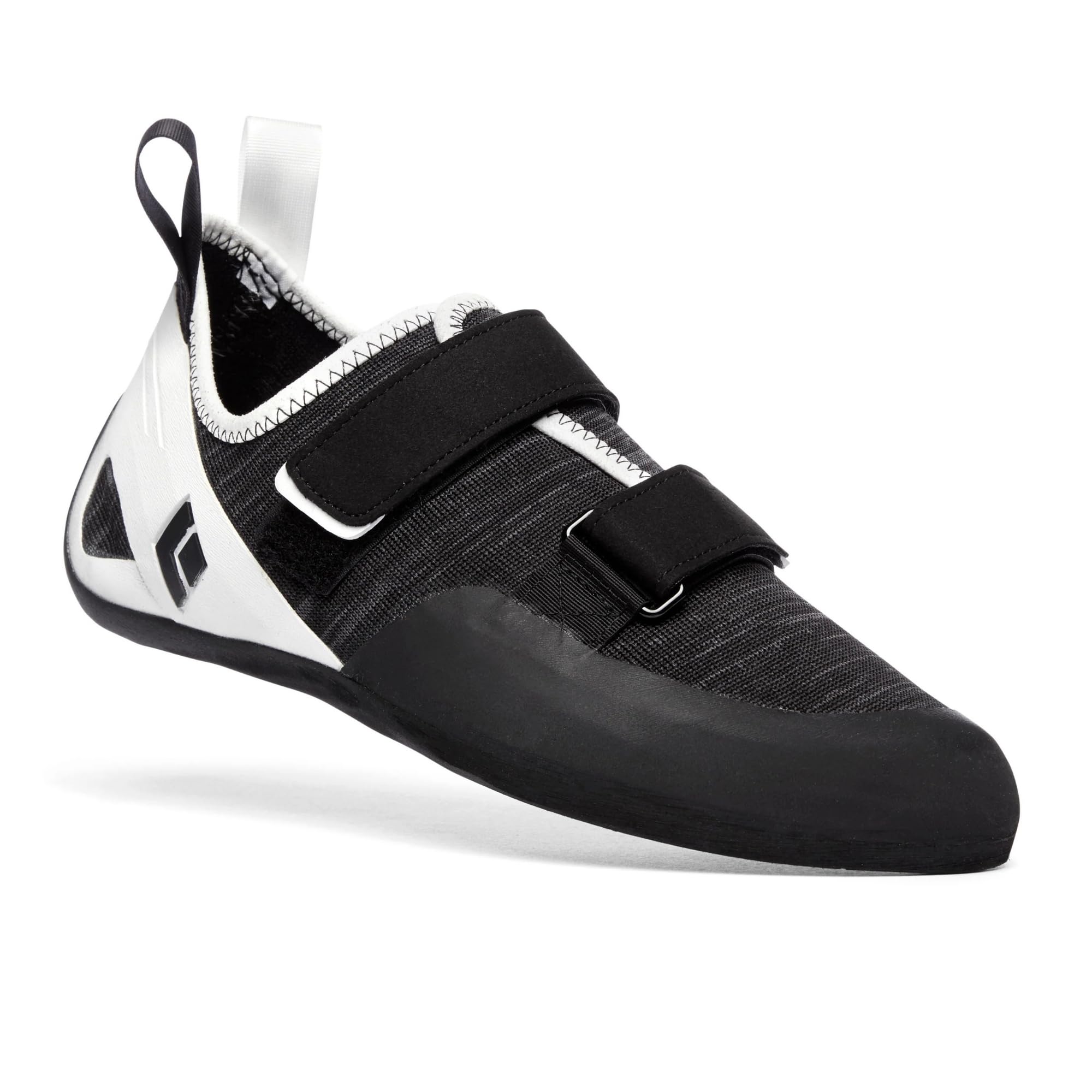
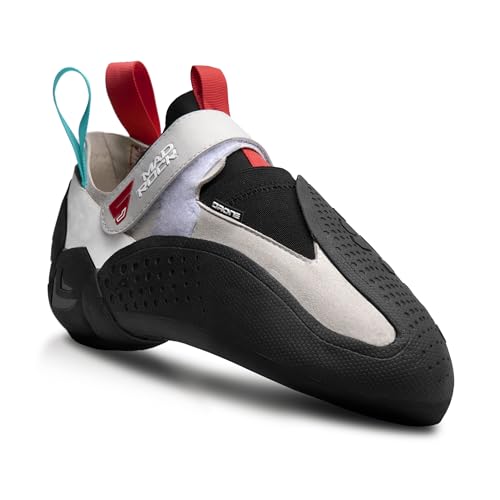
Who Should Buy Which Bouldering Shoe?
Climbers at different stages need different shoes, and the gym versus rock choice matters too. Beginners benefit from a flatter, more forgiving shoe that is easy to put on and comfortable for a full session. Intermediate climbers often want a moderate downturn for steeper problems, while advanced climbers may accept a tighter, more aggressive shoe for precision. Indoor climbers can favor softer rubber and breathability, while outdoor climbers may want a sturdier build for rough rock.
New Climbers
If you are new to bouldering, choose a flat or gently downturned shoe with a comfortable fit and a simple closure. You will spend more time learning footwork than standing on tiny edges, so comfort and durability matter more than extreme sensitivity. A lace or hook and loop closure that you can adjust quickly between problems helps, since feet swell slightly during a session. For a beginner focused comparison, see our guide to best climbing shoes for bouldering beginners alongside this guide.
Intermediate Climbers
Intermediate climbers moving to steeper problems often benefit from a moderate downturn and a slightly tighter fit. The downturn helps the toe stay engaged on overhangs, while a firmer midsole adds support on small edges. Try shoes in your usual size and a half size down, and climb in them for a few problems before deciding, since a shoe that feels fine standing still can feel different under load. For this stage, see our guide to best climbing shoes for intermediate bouldering for a closer look at the tradeoffs.
Indoor and Outdoor Climbers
Indoor bouldering favors softer rubber, good breathability and easy on and off, since you will take shoes off between problems. Outdoor bouldering favors a tougher rand and a build that handles rough rock and dirt, plus a fit that stays secure on longer approaches between problems. Some climbers keep one pair for the gym and another for rock, while others choose a versatile middle ground. For gym focused options, see our guide to best climbing shoes for indoor bouldering when you weigh the choice.
Key Features to Compare
Five features decide most of the feel: fit and last shape, rubber, downturn, closure and lining. The product table above compares types at a glance, and the sections below explain how each feature changes the climbing experience. No single feature matters alone; a sticky rubber on a poorly fitting shoe will not save a slippery foot.
Fit and Last Shape
Last shape is the mold the shoe is built around, and it decides whether the shoe matches a narrow, wide, low volume or high volume foot. A shoe built for a narrow foot will pinch a wide foot no matter the size, while a wide last may feel sloppy on a narrow foot. Try shoes late in the day when feet are slightly larger, wear the socks you climb in, if any, and stand on a small edge to check for rolling. The toes should touch the front without sharp pain, and the heel should stay put when you press down.
Rubber Grip and Thickness
Rubber grip decides how well the shoe sticks to plastic holds and rock, and thickness decides sensitivity versus durability. Softer rubber grips better but wears faster, while firmer rubber lasts longer but feels less sensitive on tiny holds. Thinner soles give more feel, thicker soles give more support for edging. Beginners often do better with a mid thickness sole that balances feel and wear, while experienced climbers may choose thinner rubber for precision on steep problems.
Downturn and Asymmetry
Downturn is the curve of the sole from heel to toe, and asymmetry is how much the toe box points inward. A flat shoe feels natural and comfortable for vertical problems, a moderate downturn helps on overhangs by keeping the toe engaged, and a strong downturn suits steep, powerful problems but can feel intense. Asymmetry concentrates force on the big toe, which helps precision but demands a good fit. Match downturn to the angle you climb most, not to the hardest problem you hope to try.
Closure: Lace, Hook and Loop or Slip On
Laces give the finest adjustment across the whole foot and suit climbers who want a precise, even fit. Hook and loop straps adjust fast between problems and suit gym sessions where shoes come on and off often. Slip on shoes are quick and simple but offer the least adjustment, so fit must be right from the start. If your feet swell during a session, a closure you can loosen and retighten is worth more than a flashy design.
Lining and Stretch
Lining affects how much a shoe stretches and how it handles sweat. Unlined leather stretches more over weeks of use, lined leather stretches less, and synthetic uppers stretch least of all. That matters for sizing: a leather shoe that feels very tight on day one may relax into a good fit, while a synthetic shoe will stay close to its first fit. Ask how the maker describes stretch, and size with that change in mind rather than hoping for a big transformation.
Indoor Versus Outdoor Build
Indoor shoes can favor breathability, soft rubber and light weight, since gym holds are clean and sessions are short. Outdoor shoes benefit from a tougher rand, a more durable upper and rubber that handles dirt and rough rock. The rand is the rubber band around the toe and sides, and a full rand protects the shoe on toe hooks and scumming moves. For a rock focused comparison, see our guide to best rock climbing shoes for bouldering before you choose a pair for outdoor use.
Best Climbing Shoes Bouldering Guide: Types Compared
The product table above lists the main types side by side. In short, beginner shoes favor comfort and forgiveness, intermediate shoes add downturn and precision, advanced shoes favor sensitivity and power, and youth shoes scale the same ideas to smaller feet. Pick the type that matches your current level, not the level you aspire to next year.
Beginner Options
Beginner shoes are usually flat, comfortable and easy to put on, with a forgiving fit that suits long gym sessions. They help new climbers learn footwork without fighting a painful shoe. Look for a mid thickness sole, a simple closure and a last that matches your foot width.
Intermediate and All Around Options
Intermediate shoes add a moderate downturn and a firmer feel for steeper problems, while staying comfortable enough for a full session. They suit climbers who climb a few times a week and want one pair for gym and occasional outdoor use. Balance downturn with comfort, since a shoe you dread wearing will not help your climbing.
Advanced and Performance Options
Advanced shoes use a stronger downturn, thinner rubber and a tighter fit for maximum sensitivity on steep and technical problems. They demand good footwork and a tolerance for a snug fit, and they wear faster than beginner shoes. Choose them only when your problems regularly require that precision.
Kids and Youth Options
Youth shoes use softer builds, simpler closures and sizes that fit growing feet, with comfort prioritized over aggressive downturn. Buy for the current foot, not for growth, since a loose shoe teaches poor footwork and slips on holds. Check fit often, since young feet change faster than adult feet.
Best Climbing Shoes for Specific Needs
Best Women's Climbing Shoes Bouldering
Women specific bouldering shoes usually use a narrower heel, a lower volume last and smaller size runs, which can fit narrower feet better than a unisex shoe in a small size. The key differences are fit related rather than cosmetic: a narrower heel reduces heel slip, a lower volume forefoot reduces dead space, and a softer build can suit lighter climbers. Try both women specific and unisex options in your size, since foot shape varies more than any label predicts. For indoor focused women specific options, see our guide to best rock climbing shoes for indoor bouldering as a related comparison.
Common Mistakes to Avoid
- Buying far too small: A shoe that causes numbness or bruising will cut sessions short, so choose a snug fit that still lets you climb for an hour.
- Chasing maximum downturn too early: An aggressive shoe will not fix footwork, and it can mask bad habits by forcing the toe into place.
- Ignoring heel fit: A heel that lifts on every move wastes energy and slips on heel hooks, so check heel security on a steep wall before buying.
- Skipping the edge check: Standing flat in the store tells you little, so stand on a small edge and press through the toe to feel for rolling.
- Assuming leather will fix a bad fit: Leather stretches some, but it will not turn a wrong last shape into a right one.
Care and Maintenance Tips
- Air them out: Let shoes dry at room temperature after each session, and avoid direct sun and extreme heat that can warp rubber and glue.
- Check wear before each use: Look at the toe rand, sole edges and closure straps, and retire a shoe when rubber wears through to the midsole.
- Clean and dry after outdoor use: Brush off dirt and grit, wipe the upper clean, and let the pair dry fully before storing it.
- Rotate pairs when you can: A second pair lets each pair dry fully and spreads wear, which helps rubber last longer.
- Store them loosely: Keep shoes in a cool, dry place without crushing the toe box, so the shape stays true between sessions.
Frequently Asked Questions
What features matter most in climbing shoes for bouldering?
Fit, rubber grip, downturn and closure matter most, because they decide how securely your foot stays on a hold. A last shape that matches your foot prevents rolling and heel slip, while rubber thickness balances sensitivity against durability. Downturn should match the angle you climb most, and a closure you can adjust helps when feet swell mid session. Try shoes on a wall, not just on flat ground, before you decide.
How long do bouldering shoes last?
Most gym climbers get several months to a year from a pair, depending on sessions per week, footwork and rubber thickness. Softer rubber and aggressive downturn wear faster, while firmer rubber and flat profiles last longer. Toe dragging, poor foot placement and climbing on rough outdoor rock all shorten life. Resoling can extend a well fitting pair, but only when the upper and rand are still in good shape.
Does indoor versus outdoor use matter for bouldering shoes?
Yes, because gym holds are clean and consistent while outdoor rock is rough, dirty and varied. Indoor shoes can favor soft rubber, breathability and easy on and off, while outdoor shoes benefit from a tougher rand and a more durable upper. Some climbers use one versatile pair for both, which works well when gym sessions dominate. If outdoor days are frequent, a sturdier pair will hold up better on rock.
Is it worth buying premium bouldering shoes as a beginner?
Usually not, because a premium shoe adds sensitivity and downturn that a new climber may not yet use well. A comfortable beginner shoe lets you learn footwork, build strength and climb longer sessions, which matters more than a marginal grip gain. Spend the savings on gym time or a second pair later, when your problems demand more precision. Move up when your current shoes regularly limit you on steep or tiny holds.
What size should I get in bouldering shoes?
Start near your street shoe size, then try a half size down and check the fit on a small edge. Your toes should touch the front firmly without sharp pain, and the heel should not lift when you press down. Remember that unlined leather stretches more than lined leather or synthetic, so size with that change in mind. If two sizes feel close, choose the one that stays comfortable after a few problems, not just in the first minute.
Final Thoughts
The best bouldering shoe is the one that fits your foot shape, matches the angle you climb most and stays comfortable through a full session. Beginners should favor comfort and forgiveness, intermediate climbers can add moderate downturn, and advanced climbers can trade comfort for precision when problems demand it. Try shoes on a wall, check heel security and edge feel, and let fit decide over brand or looks. Review the product table above, then choose the pair that climbs with you with best climbing shoes bouldering.


