
Best Comfortable Hiking Shoes in 2026: Fit, Grip and Cushioning Guide
Disclosure: We may earn a commission when you buy through links on this page, at no extra cost to you. As an Amazon Associate I earn from qualifying purchases. Learn more

Compare best comfortable hiking shoes by fit, cushioning, waterproofing and grip, with break in and lacing tips for long trail days.
When you choose best comfortable hiking shoes, trail comfort is earned over miles, not in a shop aisle, because fit, cushioning, and grip behave differently on descents and rocky ground. Choosing with socks, slopes, and real trail conditions in mind prevents painful surprises.
Before you compare options, note the two or three things that would disappoint you most if they went wrong. That short list becomes your filter, and it stops a persuasive sales page from pulling you toward features you do not need. The comparison table below gives a quick overview before the detail begins, so use it alongside each section that follows.


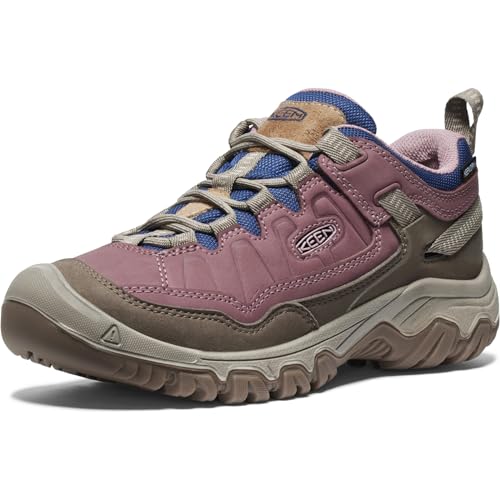

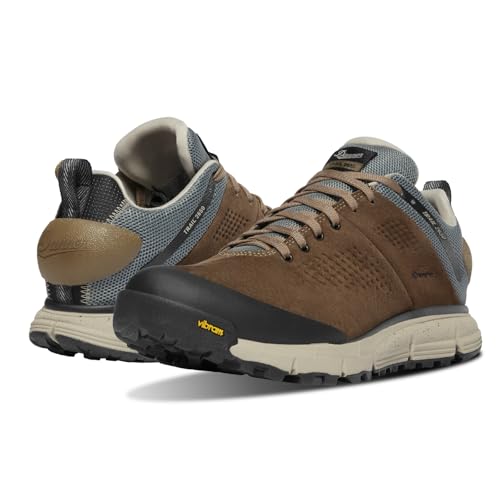

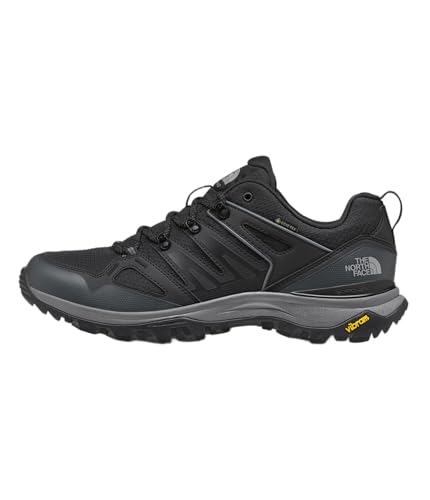

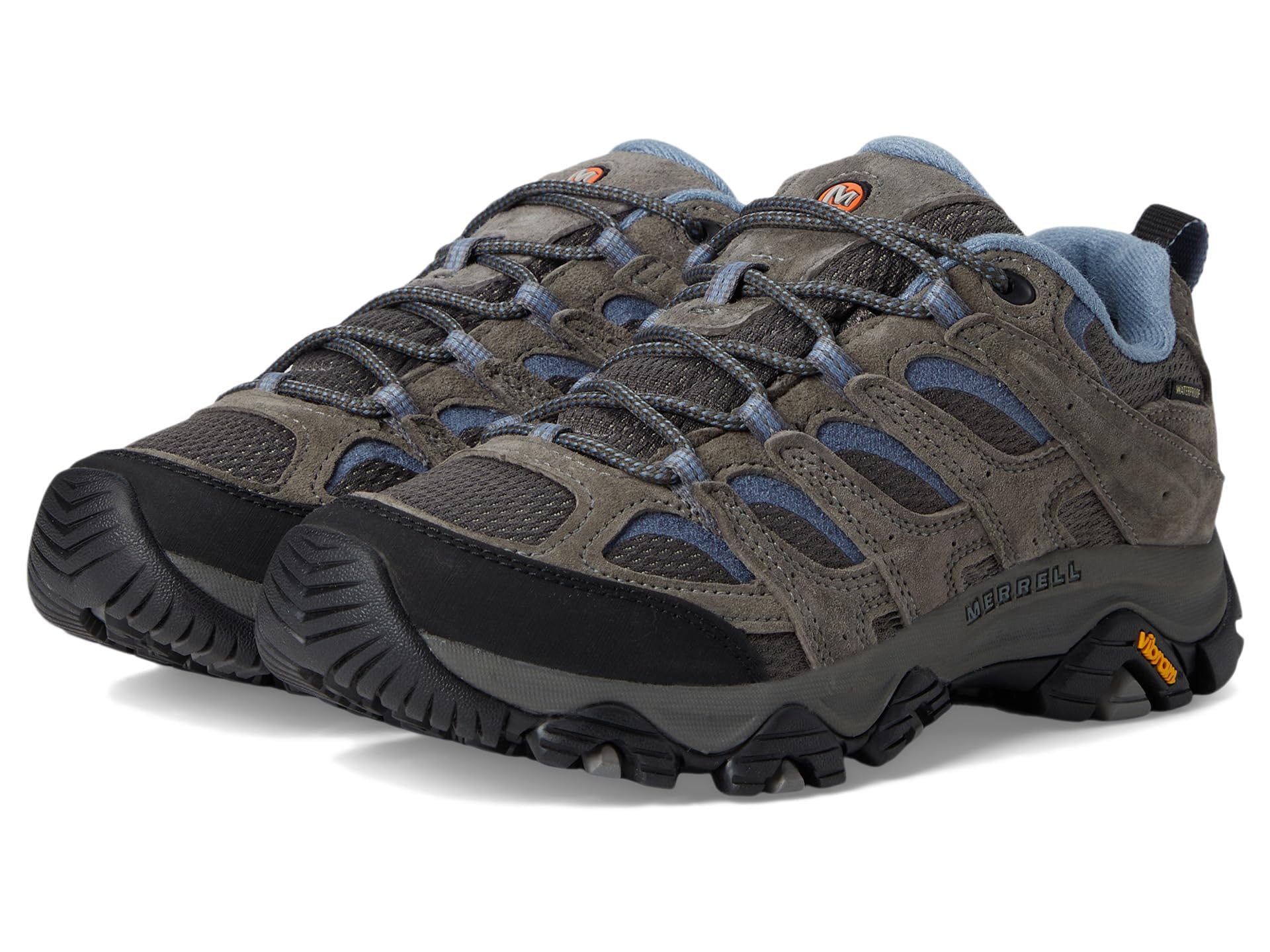
Who Should Buy Best Comfortable Hiking Shoes
This guide suits walkers and hikers who want shoes that stay comfortable over miles, not just in the shop. It also suits day hikers moving from trainers to proper trail shoes. If you carry heavy loads over rough ground for days, boots with ankle support may serve you better than low hiking shoes.
Your foot shape and trail type shape comfort more than any single feature. Wide feet need a roomy toe box, narrow heels need secure lockdown, and flat or high arches need appropriate support. Rocky trails need stiff soles and toe protection, while smooth paths reward lighter, flexible shoes. Match shoe to foot and trail together.
Key Features Of Best Comfortable Hiking Shoes
Comfort on a trail comes from fit, cushioning, grip, and protection working together over hours, not minutes.
- Fit and toe room: toes need space to spread on descents without sliding forward and bruising nails.
- Cushioning: balanced foam protects joints on long descents without feeling unstable on uneven ground.
- Grip: lug depth and pattern decide traction on mud, rock, and wet roots.
- Waterproofing: waterproof membranes keep feet dry in rain but can feel warmer in summer heat.
- Weight: lighter shoes reduce fatigue over long days, while heavier shoes often give more protection.
A comfortable hiking shoe feels good at mile ten, not only at mile one. Judge it on long walk comfort, not shop comfort alone.
What To Check Before You Buy Best Comfortable Hiking Shoes
Start with fit and socks. Try shoes in the afternoon, when feet are slightly larger, wearing the hiking socks you will actually use. Walk uphill and downhill if possible, because descents reveal toe sliding that flat walking hides.
Lace technique matters too: a heel lock lace can stop heel slip without crushing toes. Shoes should feel good from the first proper walk, with breaking in only softening the materials.
Next, judge cushioning and support for your trails. Soft cushioning feels pleasant at first but can feel unstable on rocky ground, while firmer cushioning gives control and lasts longer. Insoles can fine tune fit and arch support, but they cannot fix a shoe that is fundamentally wrong in size or shape. If you have persistent foot pain, numbness, or swelling, talk with a clinician or podiatrist before choosing, and use shoes for fit and comfort only, not as treatment.
Finally, decide on waterproofing honestly. Waterproof shoes suit wet climates, stream crossings, and muddy trails, but they dry slowly once water enters over the cuff. Non waterproof shoes with good drainage suit hot, dry trails and river crossings where feet will get wet anyway. In warm weather, breathability often matters more for comfort than waterproofing, because sweaty feet blister too.
If you are weighing other trail footwear, our guides to the best hiking shoes, best hiking shoes for men and best ladies hiking shoes cover fit differences by audience. Wet climates are covered in the best waterproof hiking shoes guide, and the best comfortable shoes guide looks at everyday wear.
Living With Best Comfortable Hiking Shoes
Clean trail shoes after muddy walks by brushing off dirt and rinsing gently, then air dry away from direct heat. Heat can warp soles and damage adhesives, so avoid radiators and direct sun for drying. Remove insoles to dry fully, and check laces and eyelets for wear. Rotate pairs if you hike often, so foam and materials recover between walks.
Reproof waterproof shoes when water stops beading on the surface, following the product guidance for your shoe material. Check outsoles for worn lugs, especially at the heel and toe, because worn grip increases slip risk on descents. Replace shoes when cushioning feels flat or support collapses, even if uppers still look good.
Common Mistakes With Best Comfortable Hiking Shoes
A common mistake is buying hiking shoes a size too small, then suffering bruised toes on descents. Another is choosing heavy boots for smooth paths, which wastes energy over a long day. A third is skipping a proper trial walk, then discovering discomfort miles from the trailhead. Fit with hiking socks, try them on slopes, and break shoes in on short walks first.
Choosing for Your Trails
Think about the ground you walk most. Packed dirt and gravel paths suit a flexible, lightweight shoe with moderate lugs. Rocky or root covered trails reward a stiffer midsole and a protective rand around the toe, because stubbed toes and stone bruises are the usual complaints. Muddy or wet routes call for deeper lugs and a shoe that sheds water, while hot, dry routes favor mesh uppers that let heat escape.
Load matters as well. A light day pack asks little of a shoe, but a heavy overnight pack pushes the foot flat and rewards firm support under the arch. If your loads vary, choose for the heavier case and use thinner socks on easy days. Many hikers also own two pairs and rotate them, which lets foam recover between walks and extends the life of both.
Socks, Lacing and Blister Prevention
Socks change fit as much as half a size. Merino or synthetic hiking socks wick moisture and cushion the heel and forefoot, while cotton holds sweat and invites friction. Always try new shoes with the socks you plan to hike in, and carry a spare pair on long days so you can change when feet get damp.
Lacing can fix many fit problems. A loose lace over the forefoot gives toes room, a snug lace over the midfoot holds the arch, and a heel lock at the top stops the heel from lifting. Stop at the first hot spot and tape or adjust it. A blister that starts at mile three can end the whole day, and a minute of care early costs far less than an hour of limping later.
Frequently Asked Questions About Best Comfortable Hiking Shoes
Should hiking shoes be a half size larger?
Many hikers choose a half size larger than everyday shoes to allow toe room on descents and for thicker socks. The right size still depends on foot shape and shoe design, so try them with hiking socks on a slope if possible. Toes should not touch the front on descents, and heels should not lift excessively. Fit, not a fixed rule, should guide the final size.
Waterproof or breathable hiking shoes?
Waterproof shoes suit wet, muddy trails and cold rain, while breathable shoes suit hot, dry trails and river crossings. Waterproof shoes dry slowly once water enters over the cuff, while breathable shoes dry faster but soak through in rain. Choose for your usual climate and trail type, not for rare worst case weather alone.
How do I break in hiking shoes?
Wear new shoes on short walks first, gradually increasing distance over a week or two. Check for hot spots early and adjust lacing or socks before they become blisters. Shoes should feel comfortable from the first walk, with break in mainly softening materials rather than fixing poor fit. If pain persists, the fit may be wrong rather than unbroken.
Do I need ankle support for hiking?
Ankle support helps on rough, uneven ground and with heavy loads, while low shoes suit smooth trails and lighter loads. Support comes from shoe height, stiffness, and fit together, not height alone. If you have weak ankles or a history of sprains, talk with a clinician about support needs. Choose height for your terrain and load, not by habit alone.
When should I replace hiking shoes?
Replace shoes when outsoles lose grip, midsole cushioning feels flat, or support collapses on uneven ground. Uppers may still look good while cushioning is worn out, so judge by feel and grip, not appearance alone. Frequent hikers may replace shoes yearly, while occasional walkers may keep them far longer. Check soles and cushioning before long trips.
Final Thoughts On Best Comfortable Hiking Shoes
Comfortable hiking shoes fit your feet and your trails, cushion long descents, grip varied surfaces, and dry or repel water as your climate requires. Try them with hiking socks on slopes, and talk with a clinician if foot pain persists. Good fit and honest trail matching make long walks a pleasure, not an endurance event.
Use the product table above as a quick reference while you weigh these factors. When you are ready, choose the pair that fits your feet and your trails, break it in on short walks, and enjoy miles in best comfortable hiking shoes that stay comfortable to the end of the day.


