
Best Comfortable Hiking Boots in 2026: Everything to Know Before Your First Purchase
Disclosure: We may earn a commission when you buy through links on this page, at no extra cost to you. As an Amazon Associate I earn from qualifying purchases. Learn more

Shopping for the best comfortable hiking boots for the first time? Learn the terms, compare options, and avoid rookie mistakes with this easy guide.
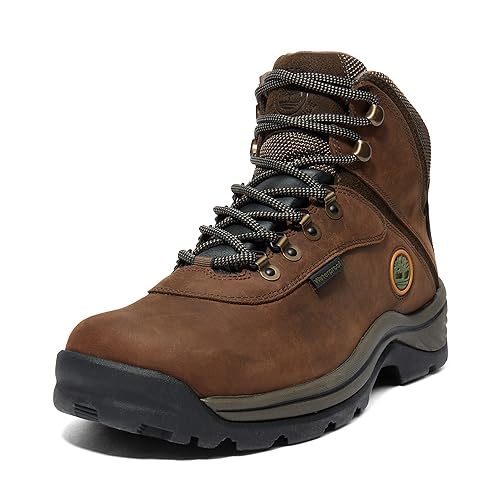
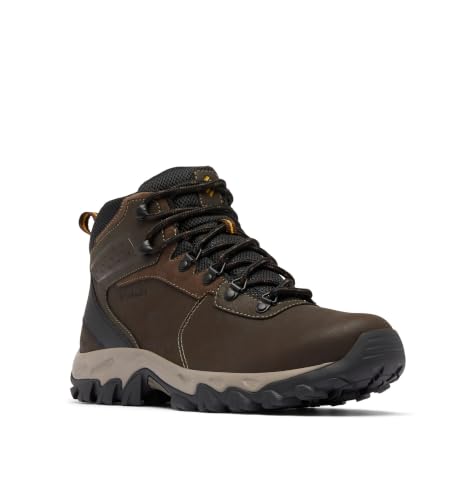
Your first pair of trail boots sets up every hike that follows, so it pays to learn the terms before you spend. One point matters most: for a hiking boot, comfortable is a fit class, not a softness class. A boot earns its comfort over miles on the trail, not while you stand still on a shop floor, and only fit facts decide it, meaning length, width, heel hold, and toe room on descents. The best comfortable hiking boots for you are the ones whose fit matches your feet, and the comparison table below shows the shapes and prices to expect.
This guide starts with the basics, then explains each spec in plain English, flags the mistakes new buyers make, and ends with first use steps. Nothing here needs trail experience to follow, and every term is explained where it first appears.




Comfortable Hiking Boots 101: The Basics
A hiking boot is a shoe built for uneven ground: a stiffer sole that shields your foot from stones, a higher collar that steadies the ankle, and tread lugs that grip dirt and wet rock. A low cut hiking shoe covers smooth, easy trails with less weight, and guides to best hiking shoes cover that lighter class in full. Boots earn their place when the trail gets rocky, steep, muddy, or long, or when you carry a loaded pack that asks more of your ankles.
The hunt for the best comfortable hiking boots really comes down to three parts working together: the upper that wraps your foot, the midsole that cushions and supports it, and the outsole that grips the ground. Readers who mostly walk pavements and park paths can start with the broader shelf of best comfortable boots and move up to trail boots when the ground gets rough. One caution before any spec talk: pain that persists after you change your socks, lacing, and fit belongs to a clinician, not to a different boot.
Key Specs Explained in Plain English
Fit, Sizing, and Toe Box
Fit decides comfort more than any other spec, so shop late in the day when your feet have swelled to their trail size. You want a thumb width of space in front of your longest toe, enough width that your forefoot is not squeezed, and a heel that stays put when you walk. Fit runs are cut by audience, so the ranges in guides to best hiking boots for men and best ladies hiking boots rest on different last shapes. If you land between sizes, the larger size with a thicker sock usually wins on long descents.
Upper Materials and Breathability
Full leather boots are durable and supportive but heavy and slow to dry. Split leather with mesh panels balances support and airflow, and full synthetic uppers are the lightest and quickest to dry, with the shortest life. A waterproof membrane keeps rain and puddle water out, yet it also holds sweat in on hot days, so dry climate hikers often pick plain mesh instead. Note that best waterproofing for hiking boots names a care topic, a treatment you apply to a boot you already own, rather than a class of boot to buy.
Cushioning and Support
Cushioning lives in the midsole, the layer between your foot and the tread. Soft midsoles feel kind on short walks but pack down and tire your feet on rocky ground, while firmer midsoles spread the load and protect against stone bruising. Stability comes from the whole package: a firm heel cup, a shank that limits twisting, and an outsole that does not fold under your weight. Heel to toe drop, the height difference between heel and forefoot, shifts work between your calves and knees, so a sudden change from your daily shoes deserves a gradual start.
Break In Period and Comfort Out of the Box
Break in is a real stage, not a marketing phrase, and skipping it is the classic first purchase error. Materials soften, flex points form, and your feet adapt to the boot over a series of short outings. Prove a new boot over short walks first: a flat loop near home, then a longer walk, then a walk with your loaded pack, and only then a full day on the trail. Boots sold as comfortable out of the box still deserve this staged start, because a blister at mile eight cannot be fixed by a receipt, so treat any hot spot on a trial walk as a stop signal, not something to push through.
Arch Support and Foot Type
Every boot ships with a basic insole, and for many hikers that insole is the weakest part of the comfort package. Flat feet tend to roll inward as they tire, high arches take more impact on the heel and forefoot, and both patterns can feel better with a shaped replacement insole matched to the arch. Match the insole to your foot type before you blame the boot itself. If one foot aches in the same spot on every walk while the other feels fine, that pattern is worth raising with a clinician or a trained fitter.
Rookie Mistakes to Avoid
- Buying your street shoe size. Feet swell on the trail, so a boot that fits perfectly in the shop can cramp your toes by midday.
- Wearing new boots on a long hike first. An unproven boot turns a small hot spot into a trip ending blister.
- Judging comfort standing still. A soft step in the aisle says nothing about descents, side slopes, or hour four.
- Pairing boots with thin cotton socks. Cotton holds sweat against the skin and invites friction, undoing a good fit.
- Chasing the lightest boot for rough ground. Very light boots flex and tire your feet faster under a heavy pack on rocky trails.
Getting Started: Setup and First Use
Start with the socks you actually plan to hike in, since sock thickness changes the fit as much as half a size. Lace snugly over the midfoot, leave the toes some room, and use the extra eyelets near the ankle to lock your heel before descents. Walk your staged plan from the break in section, checking your feet after each outing, and adjust lacing before you judge the boot.
After muddy or wet walks, loosen the laces, pull out the insoles, and air dry the boots away from direct heat, which cracks leather and melts glues. Most hiking boots serve about 500 to 1,000 miles before the midsole tires, so note your rough mileage as you go.
Comfortable Hiking Boots: Your Questions Answered
How long is the break in period for new hiking boots?
Most boots settle in over about 20 to 50 miles of walking, spread across several short outings rather than one long march. The material matters more than the calendar: full leather boots sit at the slow end of that range and need the most patience, while mesh and synthetic boots often feel settled after two or three walks. A boot that still pinches or rubs in the same spot after that mileage is not breaking in. It is the wrong size or shape, and returning it beats enduring it.
Are expensive comfortable hiking boots worth it?
They are worth it when you hike often, because the premium buys better midsole foams, stronger uppers, and soles that keep their grip longer. Think in cost per mile: a boot at about $200 that lasts 800 miles costs less per walk than a boot at about $90 replaced at 300 miles. Casual walkers on gentle trails may never use that durability, though. If your hikes are short and local, a mid priced boot fitted well will feel just as comfortable and leave money for socks and insoles.
How often should comfortable hiking boots be replaced?
Replace them when the midsole gives out, which for most hikers lands somewhere in the 500 to 1,000 mile range. Tread depth is easy to see, but the hidden sign is compression: deep creases across the midsole, a boot that leans inward on flat ground, or new aches in your knees after familiar walks. Boots used mostly on pavement wear their tread first, while rocky trails kill the cushioning first. When in doubt, press your thumb into the midsole; foam that feels dead and stays dented is done.
How should comfortable hiking boots fit at the heel?
Your heel should feel cupped and held, with only slight movement as you walk, and no lift you can feel on each step. Try it on an incline board or a curb: climb a few steps and walk back down. Downhill is the honest check, since sliding forward there means your toes will strike the front of the boot on real descents. One fitting detail often skipped is to try boots with your pack on your back, because added weight spreads your feet and changes how the heel sits in its cup.
Do I need waterproof hiking boots for dry trails?
Not always, and on hot dry trails a plain breathable boot is often the more comfortable pick. Waterproof membranes earn their place in cold rain, snow, and mud, but they also slow drying once water gets in over the collar. One situation surprises new hikers: morning grass and dew can soak a non waterproof boot in the first mile, even when no rain is forecast. If your trails start early or cross streams, choose the membrane; if they run dry and warm, save the money and gain the airflow.
Final Thoughts
Fit first, then materials, then the staged break in: that order turns a first purchase into years of steady miles. Match the boot class to your ground, from light synthetic pairs for easy trails to leather pairs for rough ones, and let the sizing checks settle the choice between close sizes. The best comfortable hiking boots for a first time buyer are simply the pair that disappears on your feet by the second hour of a walk. Use the product table above to compare your finalists, then prove the winner on short walks before the big trail day arrives.


