
Best Climbing Shoes For Indoor Bouldering 2026: Complete Buying Guide
Disclosure: We may earn a commission when you buy through links on this page, at no extra cost to you. As an Amazon Associate I earn from qualifying purchases. Learn more

Choose the best climbing shoes for indoor bouldering with confidence, covering fit, downturn, rubber, closures, and care for beginners and progressing climbers.
Choosing the best climbing shoes for indoor bouldering starts with fit, because a shoe that fits well helps you trust your feet on small holds. Indoor bouldering rewards precise toe placement, good grip on volumes, and a shoe that stays comfortable through repeated short climbs. The right pair feels snug without causing sharp pain, and it lets you feel the wall beneath you.
This guide explains fit, downturn, rubber, and closures in plain terms for gym climbers. The comparison table below gives a quick overview, and the sections that follow help beginners and progressing climbers choose wisely without overspending.


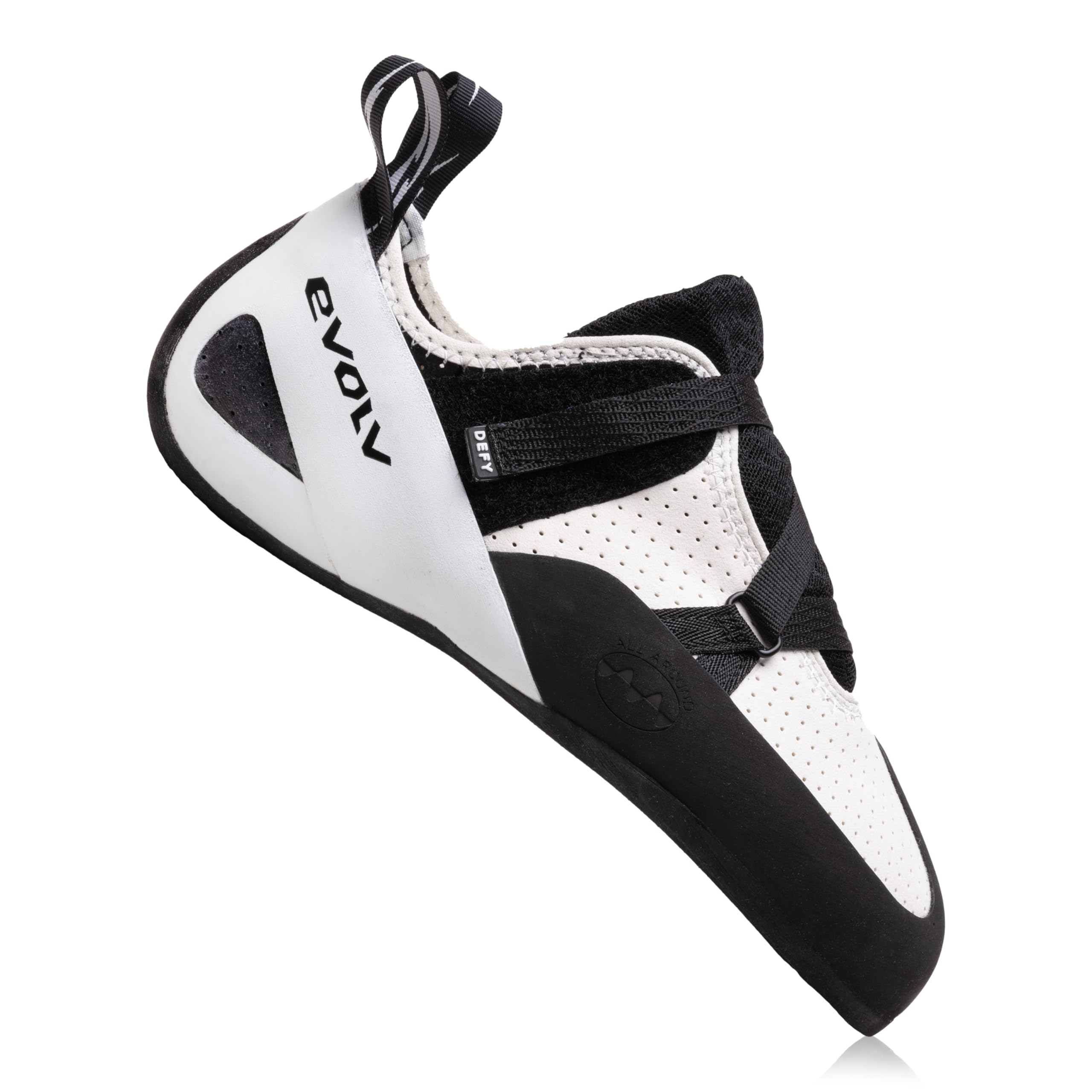

Who Should Buy Bouldering Shoes
Bouldering shoes suit anyone climbing regularly in a gym, from first time climbers to experienced boulderers. Rental shoes work for a first visit, but own shoes fit better, grip better, and feel more consistent from session to session. If you climb weekly, own shoes are a worthwhile investment.
Beginners should prioritize comfort and a flatter profile, while progressing climbers may want a moderate downturn for steeper walls. Very aggressive shoes suit advanced climbers on overhangs but can be painful and unnecessary for early grades. Match aggression to your current climbing, not to the hardest grades in the gym.
Fit: Snug Without Sharp Pain
Climbing shoes should fit snugly with no dead space around the toes or heel, but they should not cause sharp pain, numbness, or loss of circulation. Toes may feel curled slightly in a performance fit, yet you should still be able to walk a few steps in the gym. Beginners often do better with a comfort fit that allows longer sessions without foot pain.
Try shoes at the end of the day when feet are slightly larger, and wear the socks you plan to climb in, if any. Most climbers climb without socks for better feel, but some prefer thin socks for hygiene. Walk, stand on a small edge, and check heel fit, since a heel that slips will hurt precision on heel hooks.
Sizing varies by maker, so do not assume your street shoe size will match. Check maker size guidance, read reviews from climbers with similar foot shapes, and use a shop return policy if buying online. A shoe that fits one foot shape well may pinch another, especially for wide or narrow feet.
Downturn, Rubber, and Toe Shape
Downturn describes how much the toe points downward. Flat shoes suit beginners, vertical walls, and long sessions, while moderate downturn suits steeper walls and precise toe hooks. Aggressive downturn suits advanced overhang climbing but can be uncomfortable for all day use. Choose the least aggressive shoe that still supports the walls you climb most.
Rubber compound and thickness affect grip and durability. Softer rubber grips better on smooth volumes but wears faster, while harder rubber lasts longer but feels less sticky. Thicker soles last longer for beginners, while thinner soles give better feel for experienced climbers. A rubber rand around the toe protects the shoe and helps with toe hooks.
Toe shape should match your foot. Pointed toes suit narrow feet and precise placements, while rounded toes suit wider feet and comfortable all round use. Asymmetric shoes wrap the foot for power, while symmetric shoes feel more relaxed. Try several shapes before deciding, since shape matters as much as size.
Closures and Gym Practicalities
Velcro closures are quick to put on and take off between climbs, which suits bouldering where shoes come off often. Lace closures give finer adjustment across the whole foot and suit climbers with uneven foot shapes, but they take longer to adjust. Slip on shoes are simple but offer the least adjustment.
Indoor shoes pick up chalk, sweat, and gym dust, so air them after every session and avoid leaving them in a hot car. Washable shoes can be cleaned following maker guidance, but most climbers simply air dry and use odor control inserts. Replace shoes when rubber wears through to the midsole or grip drops sharply.
Care, Resoling, and Common Mistakes
Resoling can extend the life of a good shoe, especially if the upper still fits well. Ask a resoler early, before wear reaches the midsole, since late resoling is harder and less effective. Keep shoes away from radiators and direct sunlight, which can dry rubber and glue.
Common mistakes include buying shoes far too tight, choosing very aggressive shoes too early, and ignoring heel fit. Another mistake is climbing in street shoes or worn rentals for months, which slows footwork progress. A comfortable, well fitting pair supports better technique than a painful pair ever will.
Related Guides to Compare
Rock climbing shoes for indoor bouldering cover the same gym use with a focus on rock style holds and volumes. best rock climbing shoes for indoor bouldering.
Indoor climbing shoes cover both bouldering and roped gym climbing, which helps if you do both. best indoor climbing shoes.
Bouldering shoes in general include outdoor bouldering too, with durability notes for rock surfaces. best climbing shoes bouldering.
Indoor bouldering shoes focus on gym volumes, rubber grip, and comfort through repeated short climbs. best indoor bouldering shoes.
Indoor rock climbing shoes compare gym specific fits and closures for bouldering and top rope sessions. best indoor rock climbing shoes.
Living With Your Choice
Warm up routines protect feet and improve climbing. Start with easy routes in comfortable shoes or rental shoes, then switch to performance shoes for harder climbs. Warming up gradually lets feet adjust to snug shoes and reduces the temptation to climb hard in cold, tight footwear.
Footwork drills improve faster than strength work for many beginners. Practice quiet feet, precise toe placements, and deliberate weight shifts on easy routes. Good footwork reduces reliance on arm strength and makes climbing shoes feel more effective, whatever their price.
Gym etiquette around shoes matters too. Keep shoes off walkways where street shoes are worn, use a shoe bag for transport, and avoid leaving shoes on benches where others sit. Small courtesies keep the gym pleasant for everyone and protect your shoes from damage.
Second pairs for different wall angles can help progressing climbers. A comfortable flat pair suits long vertical sessions, while a downturned pair suits steep overhangs. Owning two pairs spreads wear and lets you choose the right tool for each session rather than forcing one pair to do everything.
Children climbing in gyms need shoes that fit growing feet without causing pain. Check fit regularly, since growth spurts change sizing quickly, and prioritize comfort over performance for young climbers. A positive early experience matters more than an aggressive shoe that hurts.
Final Thoughts
Fit comes first, then downturn and rubber matched to your current climbing. Choose comfort for longer sessions and moderate aggression only when steeper walls demand it. Review the product table above and pick the best climbing shoes for indoor bouldering for your feet, the pair that lets you trust your footwork and enjoy every session.
Frequently Asked Questions
How tight should bouldering shoes be?
They should feel snug with no dead space, but they should not cause sharp pain, numbness, or loss of circulation. Beginners often do better with a comfort fit that allows longer sessions. Try shoes late in the day, walk a few steps, and check heel fit before deciding.
Should beginners buy aggressive shoes?
No, beginners usually progress faster in flat or moderately downturned shoes that stay comfortable for longer sessions. Aggressive shoes suit steep overhangs and advanced footwork, but they can be painful and distracting early on. Match shoe aggression to the walls you actually climb.
Velcro or laces for bouldering?
Velcro suits bouldering because shoes come on and off often between climbs, and adjustment is quick. Laces give finer adjustment for uneven foot shapes but take longer to set. Slip on shoes are simple but offer the least adjustment, so try both closures if you can.
How long do bouldering shoes last?
Lifespan depends on frequency, footwork, and rubber thickness, but many regular gym climbers get several months to a year from a pair. Softer rubber grips better but wears faster, while harder rubber lasts longer. Resole before wear reaches the midsole to extend life.
How do I care for climbing shoes?
Air shoes after every session, avoid hot cars and radiators, and clean following maker guidance. Use odor control inserts if needed, and check rubber wear regularly. Replace or resole when grip drops sharply or rubber wears through, since worn shoes hurt footwork and confidence.


