
Best Climbing Shoes for Bouldering Beginners at Every Price: What Your Money Really Gets You for 2026
Disclosure: We may earn a commission when you buy through links on this page, at no extra cost to you. As an Amazon Associate I earn from qualifying purchases. Learn more

A buying guide to the best climbing shoes for bouldering beginners, covering fit, rubber, closures, and price tiers so you can choose with confidence.
Prices for bouldering shoes range from under $60 to well over $180, and the gap can feel hard to justify when you are just starting out. This guide shows you where extra money actually helps and where it does not, so you can pick the best climbing shoes for bouldering beginners for your feet and your gym. Use the comparison table below to see how the main options differ on price and closure style before you read on.
Bouldering asks a lot from a shoe in short bursts. You stand on small edges, smear on volumes, and drop onto mats many times a session, so comfort and grip matter more than raw power at first.


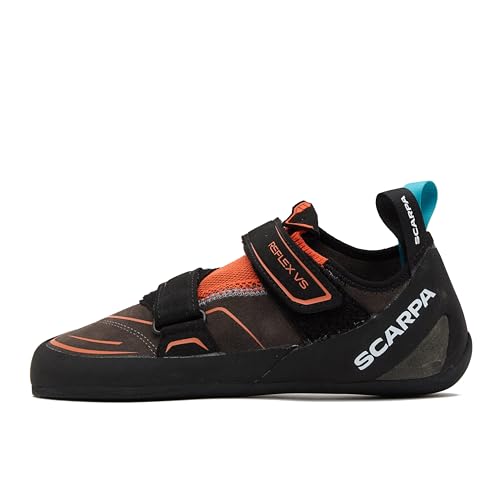


Best Climbing Shoes for Bouldering Beginners by Budget
Think of this section as three shopping profiles rather than three specific shoes. Match the profile to how often you climb and how sure you are that you will stick with the sport, then look for models in the product table above that fit that profile.
Budget Profile
A budget profile, usually around $60 to $90, suits you if you climb once a week or are still deciding whether bouldering is your sport. Expect a flat and comfortable shape, a thick rubber sole around 4 to 5 mm, and simple straps or laces. Grip is fine for gym holds and easy problems. The trade off is softer support on tiny edges and rubber that wears faster once your footwork improves. That is an acceptable exchange for a first pair you may outgrow in skill within a year.
Midrange Profile
The midrange profile, usually around $90 to $140, is where most beginners get the best value. You typically gain stickier rubber, a slightly more precise toe, and better build quality that survives regular sessions. Many climbers who also read about the best bouldering shoes for beginners land in this tier because it balances comfort with room to progress. The limitation is that these shoes still favor comfort over aggressive power, so very steep terrain will feel harder than it would in a downturned model.
Premium Profile
A premium profile, usually around $140 to $190, makes sense if you already climb twice a week and plan to progress quickly. You pay for softer and stickier rubber, a more sculpted heel, and materials that mold closely to your foot. Those gains help on overhangs and small footholds. The downside is cost plus faster wear, since thin performance rubber is consumed quickly by rough beginner footwork. If your technique is still noisy, you may pay premium prices to replace soles sooner.
What Your Money Gets You at Each Price Tier
Budget Tier: What to Expect
At the budget tier you get a durable and forgiving shoe built for learning. Uppers are often synthetic or leather with modest stretch, soles are thick, and the shape stays close to your natural foot position. Edging support is decent because the sole is stiff. What you give up is sensitivity, so feeling small holds under your toes takes more effort, and heel hooks feel less secure than in pricier designs.
Midrange Tier: The Sweet Spot for Most Buyers
Midrange shoes add stickier rubber compounds, a mild curve through the midfoot, and closures that adjust more precisely. That mix lets you trust smaller footholds while still wearing the shoe for a full session without pain. For most new climbers comparing the best climbing shoes bouldering options, this tier delivers the clearest step up in control per dollar spent, and it stays useful well into intermediate grades.
Premium Tier: When Spending More Pays Off
Premium shoes focus on performance details: thinner rubber around 3 to 4 mm, stronger downturn, and tension systems that drive power into the big toe. Those details pay off on steep walls and technical problems. They pay off far less on the vertical and slab problems most beginners climb. Buy at this tier for a clear goal, not because a higher price sounds safer or better made for learning.
Features Worth Paying For (and Ones to Skip)
Beginner Friendly Features That Matter
Pay for a closure you can adjust quickly between attempts, clear sizing guidance from the maker, and a shape you can wear for ten minutes in the shop without sharp pain. A padded tongue and a pull loop at the heel sound minor, yet both make long sessions easier. Skip complex tension systems you cannot feel yet. Simple and forgiving beats advanced while your feet are still learning where holds are.
Value and Included Accessories
Climbing shoes rarely include much beyond the pair itself, so judge value by construction rather than extras. A well stitched upper, even glue lines, and a sole with no gaps matter more than a free storage bag. Some brands offer resoling guidance or repair services, which adds real long term value. If a listing leans on bundled chalk or brushes to justify price, treat that as decoration and compare the shoe itself.
Size, Weight, and Fit
Fit is the single biggest factor in this purchase. Your toes should touch the front of the shoe and curl very slightly, with no empty space at the heel and no hot spot on top of the toes. Most beginners wear their street shoe size or a half size smaller in comfort oriented models. Use the maker size chart and measure your foot in the evening, when feet are slightly larger. If one foot is bigger, fit that foot and use a thicker sock liner approach in the smaller shoe only if the maker allows it.
Skill Level and Intended Use
Match the shoe to the climbing you will actually do in the next six months. Gym bouldering on plastic rewards all around comfort and durability. Outdoor bouldering on rough rock rewards thicker rubber and a protective upper. Readers moving over from roped climbing often compare notes with guides on the best shoes for rock climbing beginners, but bouldering shoes can be a little snugger because you wear them for short attempts and remove them between problems.
Features That Matter for Bouldering
Bouldering needs a secure heel, a toe that can hook on holds, and rubber that grips smooth volumes. Look for a heel cup with rubber wrapping partway up the sides, which helps heel hooks stay put. A moderate sole stiffness supports your weight on edges without tiring your feet. Breathability matters less here than in long route shoes, since you take bouldering shoes off often. Prioritize grip, heel fit, and comfort in that order.
Long Term Costs to Factor In
Your first pair is not the only cost. Rubber wears fastest at the toe, and resoling a liked pair often costs around $40 to $60, which beats buying new if the uppers are sound. Budget also for chalk, a brush, and eventual replacement insoles or odor control inserts. Leather uppers stretch and may need no extra spend, while synthetic uppers hold shape but can hold odor. A shoe that fits well and gets resoled once usually gives the lowest total cost over two years of regular climbing.
Frequently Asked Questions
What makes climbing shoes for beginners different from advanced models?
Beginner models differ mainly in shape and stiffness. They sit flatter, use thicker rubber, and leave more room for your toes, so you can wear them longer while learning footwork. Advanced models curve downward, use thinner and softer rubber, and fit very tight to maximize power on steep ground. That tight fit often hurts new climbers and slows learning, which is why starting flatter and more comfortable is usually the smarter path.
What features matter most in climbing shoes for bouldering?
A secure heel, sticky rubber, and a fit without dead space matter most. Bouldering involves heel hooks, toe hooks, and dynamic moves where a loose heel can slip off mid move. Check that the heel feels locked when you pull the shoe on and point your toes. Also favor rubber that feels tacky to your fingertip in the shop, because that tack translates to confidence on smooth gym volumes.
Is it worth buying premium climbing shoes as a beginner?
Usually not for your first pair. Premium rubber wears quickly under developing footwork, and the aggressive shape can cause pain that shortens sessions. A midrange shoe teaches the same basics and lasts longer. One exception is the climber who already trains several times a week and has tried rental shoes enough to know rental fit is holding them back. Even then, choose premium comfort over the most downturned shape available.
Does indoor or outdoor use change which bouldering shoe you should buy?
Yes, it changes the details that matter. Indoor climbing on smooth holds rewards softer and stickier rubber, and many gym focused models are covered in guides to the best climbing shoes for indoor bouldering. Outdoor rock is abrasive, so thicker rubber and a tougher upper last longer outside. If you split time between both, pick a midrange all around shoe and accept that outdoor sessions will wear the toe faster.
How long do beginner bouldering shoes last?
With two sessions a week, a first pair often lasts about six to twelve months before the toe rubber thins or a hole appears near the big toe. Dragging your toes on the wall shortens that life a lot, so quiet and precise foot placements are a money saving skill. Once you can see the edge of the sole material under the rubber at the toe, plan a resole or replacement soon.
Wrapping Up
Start with fit, then rubber grip, then price tier. A comfortable midrange shoe you can wear for a full session will teach you more than a painful premium shoe you dread putting on. When you are ready, compare the best climbing shoes for bouldering beginners in the product table above against those three checks, and if you mostly climb indoors, the guide to the best indoor climbing shoes for beginners adds useful gym specific notes.


