
Best Comfortable Riding Boots: Matching the Right Model to Your Routine for 2026
Disclosure: We may earn a commission when you buy through links on this page, at no extra cost to you. As an Amazon Associate I earn from qualifying purchases. Learn more

Choose the best comfortable riding boots for your routine, with guidance on fit, cushioning, waterproofing and calf sizing.
There is no single boot that feels right for every rider, because comfort in the saddle depends on how you actually spend your time around horses. A boot that works beautifully for a weekly lesson can leave you sore after a full day of grooming, leading, and walking arena footing. Choosing best comfortable riding boots starts with matching the boot style, cushioning, and support to your routine rather than chasing the most expensive pair on the rack.
This guide walks through the rider groups, fit details, and materials that matter most, so you can narrow the comparison table below to the few styles that suit your feet, your calf shape, and your weather. You will also find sizing steps, care habits, and the mistakes that most often turn a promising pair into a painful one.


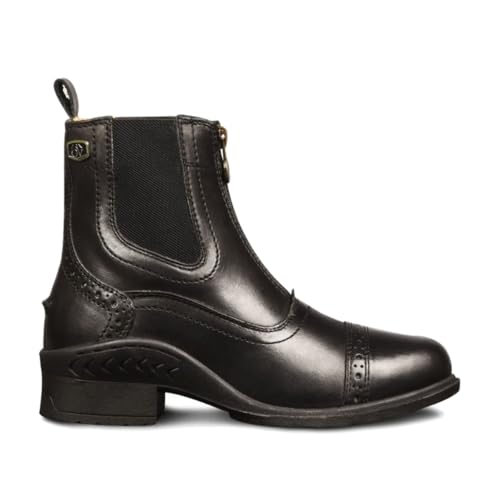


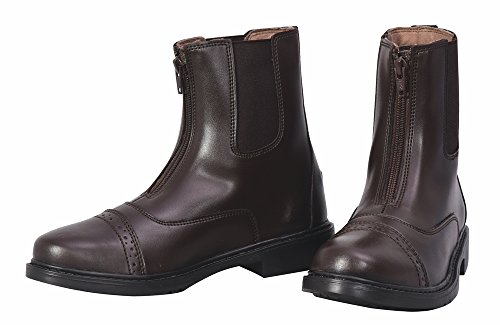
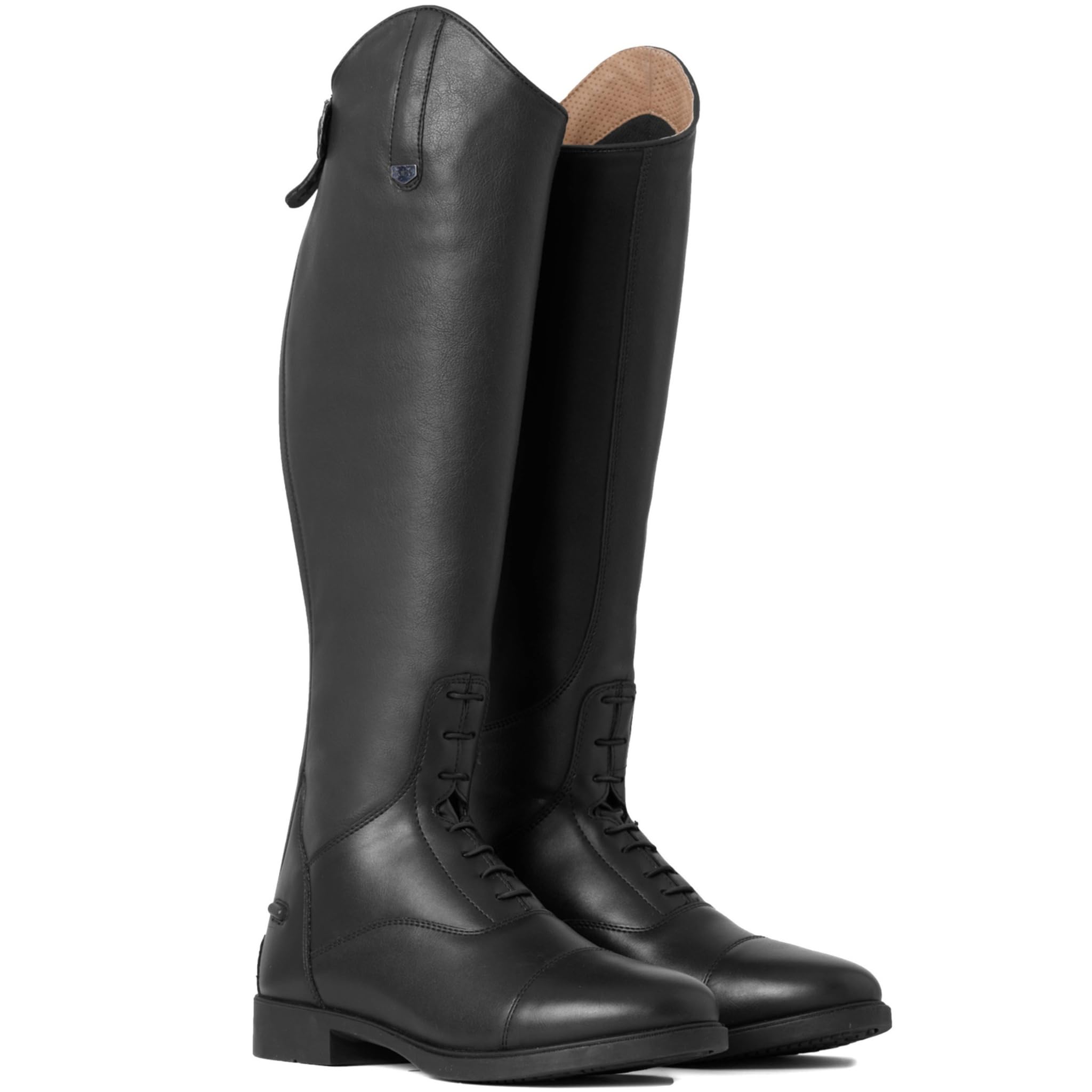
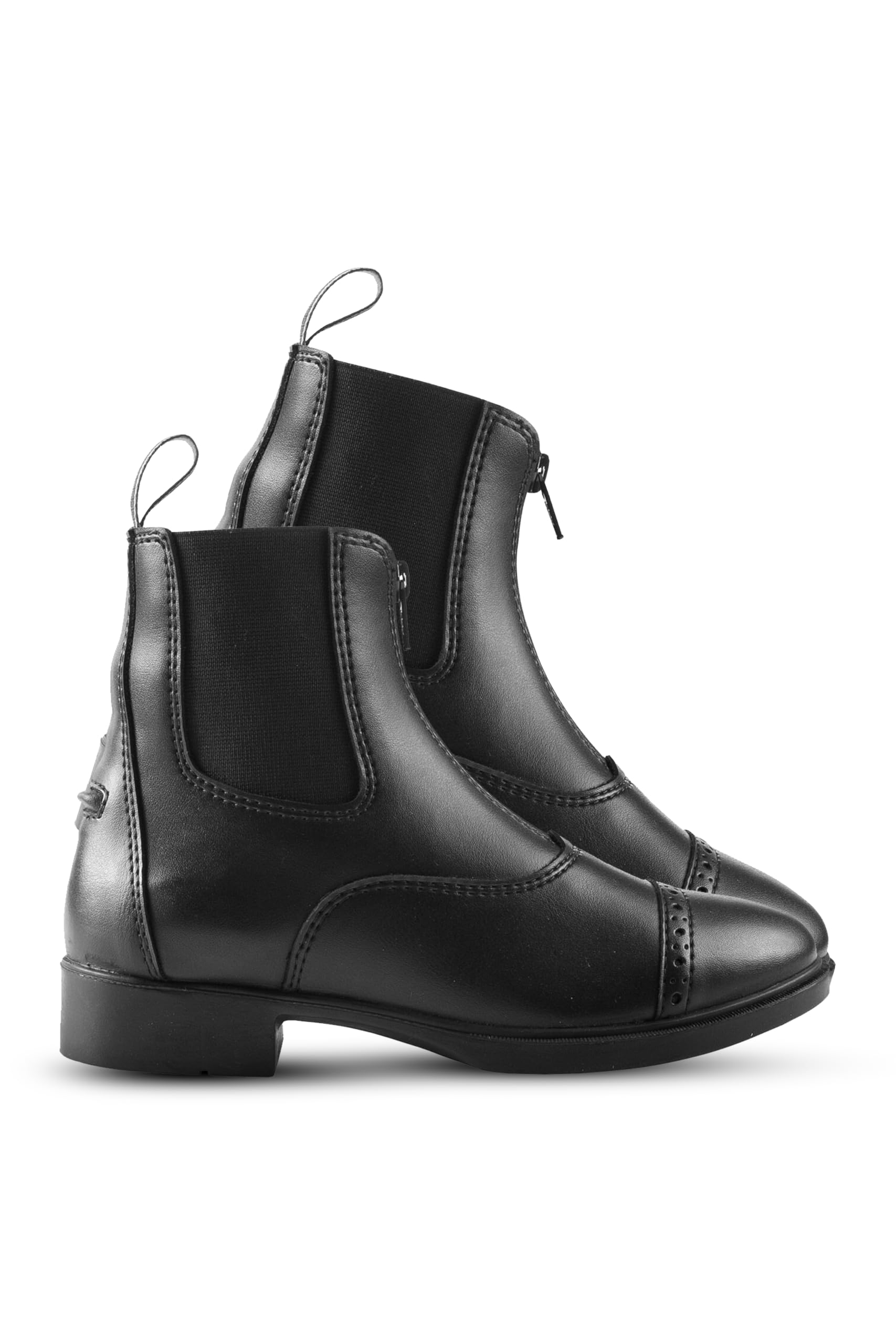


Who Should Buy Which Comfortable Riding Boots?
Riding boots split into two broad families, tall boots that cover the calf and short paddock boots worn alone or with half chaps. Your routine decides which family serves you better, and comfort features rank differently for each group below. Start by finding the description that sounds most like your week, then carry those priorities into the feature sections that follow.
For Weekend Beginners
If you ride in one or two lessons a week, a paddock boot with a cushioned footbed and a modest heel is usually the smartest starting point. Paddock boots cost less than tall boots, work with half chaps as your skills grow, and feel easier to walk in around the barn. Look for a rounded toe box that leaves room for thicker socks, a zipper or lace front you can manage with gloves on, and enough arch support that your feet do not ache during groundwork before and after the ride.
For Riders on Their Feet All Day
Working students, instructors, and owners who muck stalls and hand walk horses need a boot built as much for walking as for riding. Prioritize deeper cushioning under the heel, a stable shank that limits flexing on uneven ground, and an outsole with real tread for wet concrete and mud. A slightly lower heel that still catches a stirrup safely, paired with a roomy toe box, keeps feet happier across long hours than a stiff show boot ever will.
For Bad Weather and Tough Conditions
Rain, mud, and winter chores punish boots, so riders in wet climates should put waterproof construction near the top of the list. Sealed seams, a waterproof membrane, and leather treated to shed water keep feet dry through soaked pastures and wash racks. Grip matters just as much here, because a smooth leather sole turns slick on wet ramps and trailer floors. Expect to trade a little breathability for that protection, and plan on a second lighter pair for hot summer days if your budget allows.
For Frequent or Serious Riders
Riders training four or more days a week ask more from every part of the boot, from the leather quality to the shape of the footbed. Full grain leather molds to your leg over time, holds up to daily stirrup leather rub, and can be resoled or repaired in some styles. A contoured fit through the ankle prevents the sloppy feel that causes blisters, and a footbed with firmer arch support holds up better than soft foam once you log long schooling sessions.
Key Features to Compare
The product table above gives you a quick view of styles and prices, but when you compare the best comfortable riding boots side by side, the details below decide whether a boot still feels good in month six. Read each factor against your own routine, because the right answer for a fair weather lesson rider is rarely the right answer for someone feeding horses at dawn in February.
Waterproofing and Membranes
Waterproof riding boots rely on a membrane layer, often Gore Tex or a brand specific equivalent, sealed inside the boot so water stays out while some vapor escapes. This matters if you cross wet fields, hose down horses, or ride outdoors through the rainy season. The trade off is warmth and reduced airflow, so fully waterproof boots can feel hot in summer barns. Riders in dry climates often do better with plain leather and a good conditioning routine, which sheds light splashes without trapping heat around the foot all day.
Outsole Traction and Terrain
The outsole has two jobs that pull in opposite directions: grip on the ground and safe release from the stirrup. Deep lugs and rubber compounds similar to those used by Vibram hold well on mud, gravel, and wet grass, which suits riders who walk horses over varied ground. Very aggressive tread, though, can catch in the stirrup iron, so look for a tread pattern that is grippy at the heel and forefoot but smoother through the arch area. A defined heel of about one inch remains a safety staple, since it helps stop your foot sliding through the stirrup.
Fit, Sizing, and Toe Box
Measure your feet late in the day, when they are at their largest, and wear the socks you normally ride in. Your toes should brush nothing at the front, and the toe box should let them lie flat without squeezing the sides, because cramped toes go numb on long rides. Riding boot sizes do not always match your street shoe size, so compare your measurements against the brand size chart rather than assuming. If you fall between sizes, the slightly larger size usually wins, since you can add an insole but cannot stretch a boot that is too short.
Calf Height and Closure Style
Tall boots add a measurement most shoe shoppers never think about: calf width and boot height. Measure around the widest part of your calf over your riding breeches, and from the floor to the bend of your knee, then match both numbers to the chart. New tall boots should feel snug and sit slightly high, because the leather softens and the shaft settles as it breaks in. Back zippers make tall boots far easier to put on than traditional pull on styles, while front laces on paddock boots let you fine tune tightness across the instep through the day.
Upper Materials and Breathability
Full grain leather is the traditional choice for tall boots because it shapes itself to your leg, resists scuffs, and accepts polish for the show ring. It needs regular cleaning and conditioning, and it breathes moderately at best. Synthetic uppers and mesh panel designs weigh less, dry faster after a soaking, and suit riders who prioritize easy care and airflow over a classic look. Knit and engineered fabric styles borrowed from athletic shoes appear in some modern paddock boots, offering a flexible fit that feels broken in from the first wear, though they give up the structure many riders want in the saddle.
Arch Support, Cushioning, and Stability
Comfort over hours comes from how the footbed manages pressure, not from softness alone. Riders with flat feet generally need firmer arch support and a stable heel cup to limit the inward roll called overpronation, while riders with high arches often want more cushioning under the heel and forefoot to spread impact. Heel to toe drop in riding boots is small by design, since the heel ledge serves the stirrup, so stability comes from a shaped footbed and a shank that resists twisting. If foot pain persists even in well fitted boots, talk with a clinician or podiatrist about your personal needs rather than guessing at inserts.
How to Measure and Check the Fit at Home
Order boots with a tape measure session first, and you will avoid most returns. Sit with your foot flat on the floor, measure the calf circumference over the socks or breeches you ride in, and record the height from the floor up the back of your leg to just below the knee crease. Measure both legs, because calves often differ, and size for the larger one.
When the boots arrive, try them on in the afternoon and walk, squat, and step up onto a stair to mimic mounting. Your heel should lift only slightly in a new tall boot, the zipper should close without forcing, and no seam should press hard on your ankle bone. Spend ten minutes indoors before deciding, and keep the box until you are sure, since boots worn outside usually cannot be returned. If you are choosing between disciplines or comparing general styles first, see our guide to the best riding boots for a broader look at boot categories.
Common Mistakes to Avoid
- Buying by price alone, because a cheap boot with a flat footbed can leave your feet and knees aching after every ride.
- Ignoring calf measurements on tall boots, because a shaft that is too wide slides and rubs while one that is too narrow will not zip.
- Ordering your street shoe size without checking the brand chart, because riding boot sizing runs differently across makers.
- Choosing a smooth fashion sole for barn work, because poor traction on wet concrete leads to slips around horses.
- Skipping the break in period and wearing new boots for a full show day, because stiff leather blisters heels fast.
- Forgetting to check the return policy and warranty, because fit problems often appear only after several wears indoors.
Care Tips to Make Your Riding Boots Last Longer
Leather riding boots last for years when you clean them after rides instead of letting sweat and arena dust dry into the surface. Wipe off dirt with a damp cloth, use a leather cleaner when grime builds up, and apply conditioner often enough that the leather stays supple rather than stiff. Let wet boots air dry at room temperature away from direct heat, which cracks leather, and stuff tall boots with boot trees or rolled towels so the shaft keeps its shape in storage.
Zippers need attention too, since grit is their main enemy. Brush dirt from the zipper teeth before closing, and work the pull gently rather than forcing it past a snag. Rotate between two pairs if you ride daily, because a rest day lets the footbed recover its cushioning and the lining dry fully. Riders who split time between the barn and physical jobs on their feet often compare notes with our guide to the best comfortable work boots, since all day support needs overlap more than you might expect. Replace your riding boots when the heel wears unevenly, the footbed stays flat and hard, or cracks appear across the flex points, because worn support quietly changes how your foot sits in the stirrup.
Frequently Asked Questions
Are expensive comfortable riding boots worth the higher price?
Higher prices usually buy better leather, shaped footbeds, and repairable construction rather than a brand name alone. For riders in the saddle several days a week, that durability often lowers the cost per ride over the years. Occasional riders, though, may feel no real benefit beyond fit, so spend first on correct sizing and support, and treat premium leather as a long term investment rather than a comfort guarantee.
Do comfortable riding boots need to be waterproof?
Waterproof boots are worth it if you regularly walk wet pastures, wash horses, or ride outdoors in rainy seasons. A membrane keeps feet dry but adds warmth, so riders in hot, dry regions often prefer plain leather that breathes better and handles splashes with regular conditioning. Many riders solve the dilemma with waterproof paddock boots for chores and a separate tall boot reserved for lessons and shows.
Can comfortable riding boots be worn all day at the barn?
Yes, the right pair can handle a full barn day, especially paddock boots with cushioned footbeds and tread made for walking. Tall show boots are the exception, since their stiff shafts and smooth soles are built for the saddle, not for hours of stall cleaning. If your day mixes riding with heavy ground work, choose the pair with the deeper tread and more forgiving toe box, and change into tall boots only when you mount up.
How should comfortable riding boots fit when they are new?
New riding boots should feel snug through the calf and ankle, with toes lying flat and a slight heel lift that settles as the leather softens. Pain, numbness, or a zipper that needs real force are signs of the wrong size, not a tough break in. Tall boots drop a little in height as the ankle creases form, so a shaft that feels slightly tall on day one usually ends up exactly right.
How often should comfortable riding boots be replaced?
Replacement timing depends on use, but worn heels, flattened cushioning, and cracks at the flex points are the clearest signals. Daily riders may reach that point in about two to three years, while weekly lesson riders can get far longer from the same pair. Check the outsole and footbed every few months, and replace the boots once support feels gone, even if the leather still looks presentable from a distance.
Final Thoughts
Comfort starts with honest priorities: your rider group, a measured fit through the foot and calf, and materials matched to your weather. Use the product table above to shortlist styles that fit those needs, then weigh cushioning, waterproofing, and closure style before price. Riders whose comfort needs extend beyond the barn may also enjoy our guide to the best comfortable boots for everyday wear. Choose carefully once, care for the leather well, and the best comfortable riding boots for your routine will serve you ride after ride.


