Best Bouldering Shoes 2026 Buying Guide
Disclosure: We may earn a commission when you buy through links on this page, at no extra cost to you. As an Amazon Associate I earn from qualifying purchases. Learn more

Compare bouldering shoes by fit, rubber, downturn, and sensitivity. Learn how to choose shoes for indoor problems, steep walls, and long sessions.
Choosing best bouldering shoes means balancing precision with comfort across a session. A shoe that is too tight will hurt before you finish warming up, while one that is too loose will slip on small footholds. This guide explains fit, rubber, and shape so you can climb with confidence. The comparison table below compares shoe shapes.
Bouldering shoes differ from all round climbing shoes by their focus on steep walls, small holds, and powerful moves. They often use softer rubber and more downturned shapes. Those features help performance but can feel intense, so fit and break in matter greatly.


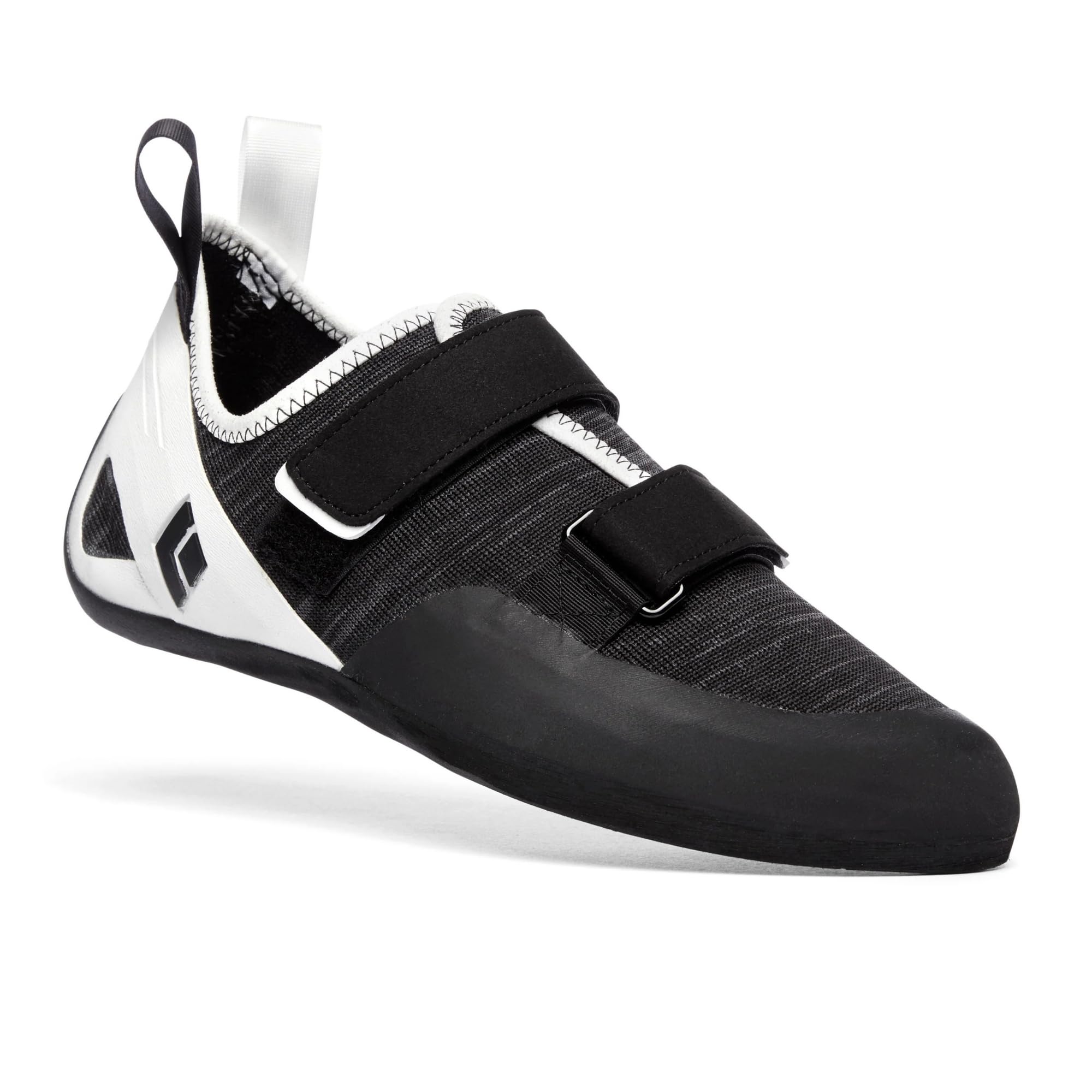
Fit: Tight but Not Painful
Bouldering shoes should fit snugly with no dead space at the heel or toes. Toes should be gently curled, not crushed flat, and the heel should not lift during a heel hook. A shoe that causes sharp pain or numbness is too tight, not merely performance fit.
Try shoes in the evening, when feet are slightly larger, and test on a climbing wall if possible. Walk, stand on edges, and try a heel hook before deciding. Leather stretches more than synthetic, so leather shoes can start snugger.
Rubber and Sensitivity
Soft rubber grips well and smears on volumes, but wears faster on rough walls. Harder rubber lasts longer and edges better on small holds, though it feels less sensitive. Indoor walls favor softer rubber, while outdoor rock may favor durability.
Sensitivity means feeling the hold through the sole, which helps precise footwork. Thinner soles increase sensitivity but reduce support on long sessions. Beginners often prefer slightly thicker soles for comfort while learning technique.
Downturn, Asymmetry, and Shape
Downturned shoes point the toes down, which helps on steep walls and small pockets. Flat shoes suit vertical walls and long sessions with less foot strain. Moderate downturn suits most indoor boulderers who climb varied angles.
Asymmetric shoes angle the big toe inward for power on small holds. Symmetric shoes feel more natural and suit beginners and all day comfort. Choose shape for the wall angles you climb most, not for the most aggressive look.
Closure Systems and Session Comfort
Velcro closures allow fast on and off between problems, which suits bouldering sessions with rest breaks. Lace closures give finer fit adjustment across the whole foot, which suits narrow or unusual feet. Slippers slip on fastest but offer the least adjustment.
Many climbers loosen or remove shoes between climbs to rest feet. A shoe that is easy to remove encourages that habit and reduces soreness. Bring socks for trying shoes if you prefer them, but most climbers wear shoes barefoot.
Care, Resoling, and Replacement
Air shoes after sessions and avoid leaving them in hot cars, which hardens rubber. Clean with a damp cloth and let them dry naturally. Rotate pairs if you climb often, since rest days let rubber recover slightly.
Resoling extends life when the upper still fits well, and many cobblers handle climbing shoes. Replace shoes when rubber wears through, the upper tears, or fit no longer holds the heel. The product table above recaps the shoe shapes in this guide.
Related Buying Guides
Related guides cover best bouldering shoes for beginners, best climbing shoes bouldering, best indoor bouldering shoes, best intermediate bouldering shoes and best climbing shoes for indoor bouldering.
Training Footwork With the Right Shoes
Good footwork matters more than shoe aggression for most climbers, since precise placement beats brute force. Practice quiet feet, placing each foot deliberately without scraping or readjusting. Shoes that fit well let you feel holds and trust small edges.
Drills such as silent feet, hover placements, and slow traverses build accuracy quickly. Use comfortable shoes for drills so you can focus on technique rather than pain. As technique improves, more downturned shoes will feel useful rather than punishing.
Bouldering Shoes for Outdoor Rock
Outdoor bouldering demands tougher rubber and uppers, since rock is rougher and dirtier than indoor holds. Choose shoes with durable rubber and a snug fit that handles small edges and smears on real rock. Clean soles before each problem, since dirt reduces grip on rock.
Carry a brush and a mat, and check landing zones before committing to a move. Outdoor shoes wear faster, so resole promptly when rubber thins. A comfortable outdoor pair that you trust will encourage bolder, more confident climbing.
Before You Buy Checklist for Bouldering Shoes
Bouldering shoes should be snug without pain and matched to your walls. This list helps you choose without overspending on aggression you do not need.
- Fit snug with gently curled toes and no heel lift
- No sharp pain or numbness during a test climb
- Rubber softness suits your walls, whether indoor volumes or outdoor rock
- Downturn matches your usual wall angles, whether flat, moderate, or steep
- Closure type suits your session style, whether velcro, lace, or slipper
- Shoes tested on edges, smears, and heel hooks if possible
- Break in expectations set, with leather stretching more than synthetic
- Resoling planned when rubber thins, before it wears through
Technique improves faster in comfortable shoes than in painful ones, so prioritize fit.
Frequently Asked Questions
How tight should bouldering shoes be?
They should feel snug with gently curled toes and no heel lift, but without sharp pain or numbness. Leather stretches with use, so a snug leather shoe may settle comfortably. If pain persists after break in, the size or shape is likely wrong.
Downturned or flat shoes for a beginner?
Flat or moderately downturned shoes suit beginners better, since they are more comfortable and versatile across wall angles. Aggressive downturn helps steep climbing but can hurt and hinder learning. Build technique first, then try more downturn as your climbing steepens.
Soft or hard rubber for indoor bouldering?
Soft rubber grips and smears well on indoor volumes and holds, which suits most indoor bouldering. Harder rubber lasts longer and edges better on tiny holds. Many indoor climbers favor soft to medium rubber for grip and sensitivity.
Should I wear socks with bouldering shoes?
Most climbers wear bouldering shoes without socks for maximum sensitivity and fit. Thin socks can help with hygiene for rental shoes or blister prevention. If you wear socks, try shoes with them on, since socks change the fit.
When should I resole bouldering shoes?
Resole when the rubber thins noticeably but before it wears through to the rand or upper. Early resoling protects the shoe structure and costs less than repair after damage. Replace shoes when the upper stretches loose or tears.
Final Thoughts
Fit snug without pain, match rubber and shape to your walls, and let comfort support performance. That balance is the core of best bouldering shoes that help you climb harder and enjoy longer sessions.
Before your next session, check your bouldering shoes the way you check your hands, since worn rubber and loose fit quietly undermine performance. Inspect the soles for thin patches, especially under the big toe and heel, and feel whether the rubber still grips or has hardened with age and heat. Try a few moves on a wall or a step at home, noticing heel lift during hooks and slip on small edges, since both signal that fit or rubber needs attention. If the upper still holds well but the sole is thin, resoling promptly protects the shoe and costs far less than replacement, while a stretched upper or torn rand means a new pair serves you better. Keep shoes clean, dry, and out of hot cars, and they will reward you with grip and confidence on every problem you attempt.