
Best Climbing Shoes for Intermediate Bouldering: Budget, Midrange, and Premium Picks for 2026
Disclosure: We may earn a commission when you buy through links on this page, at no extra cost to you. As an Amazon Associate I earn from qualifying purchases. Learn more

Compare the best climbing shoes for intermediate bouldering by budget, fit, rubber, and downturn so you know where your money actually pays off.
Prices for bouldering shoes range from under $80 to well over $200, and the gap is not always obvious on the wall. As an intermediate, you climb hard enough to feel real differences in rubber, downturn, and heel fit, but not every upgrade earns its price. This guide to the best climbing shoes for intermediate bouldering breaks down what each budget level actually delivers, and the comparison table below lets you line up current options against those levels.
You will see where extra money buys genuine performance, where it buys mostly comfort or branding, and which features you can safely skip at your stage.


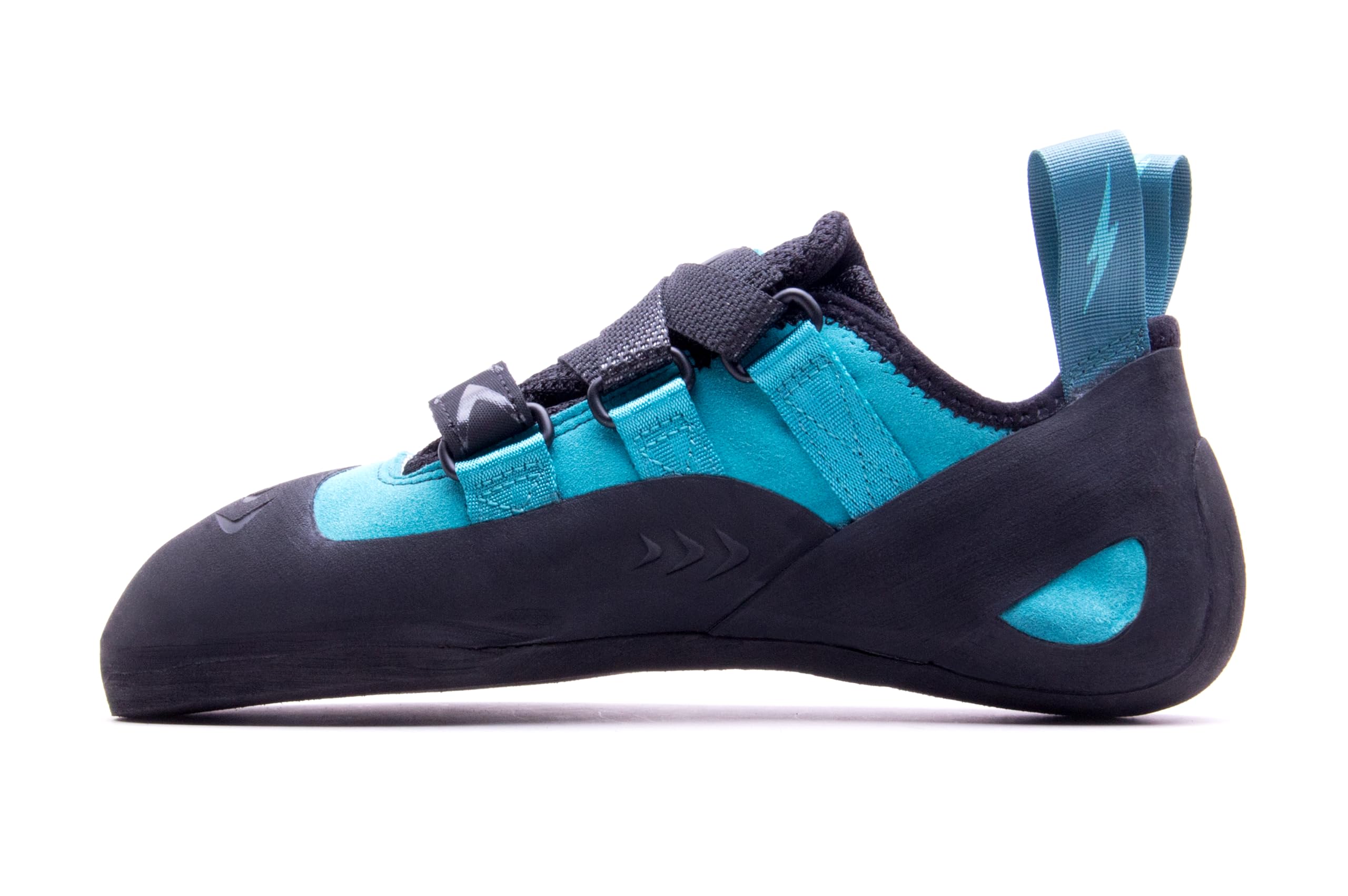


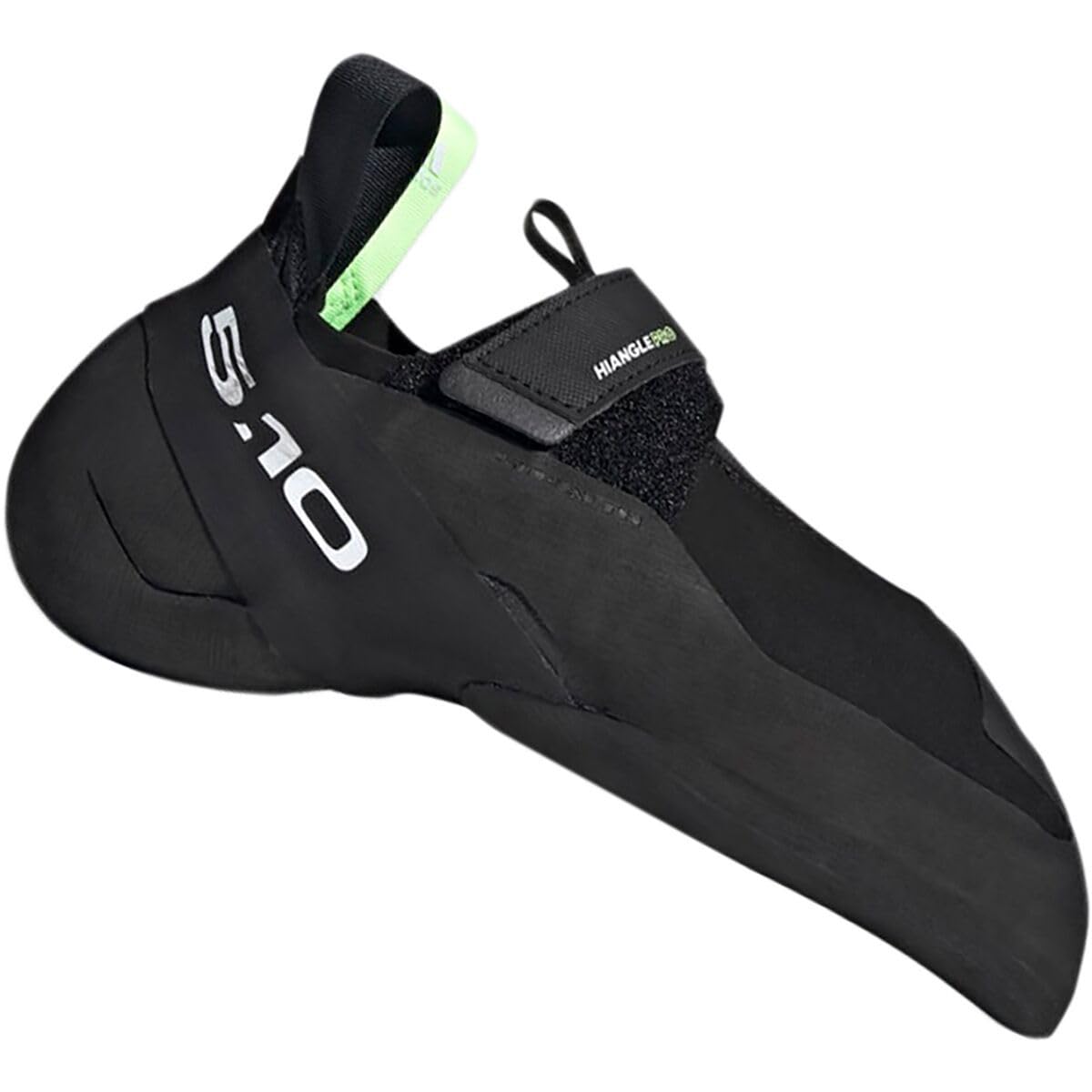
Three Budget Levels Compared
Read these as profiles rather than fixed models. Brands refresh lineups often, but the profile of a good budget, midrange, or premium shoe for an intermediate boulderer stays remarkably stable, so match the product table above to the profile that fits your climbing.
Best Budget Pick
A strong budget profile, usually around $80 to $110, gives you a moderately downturned shape, decent sticky rubber, and a strap or lace closure that locks the heel. Rubber may be slightly thicker and less soft, which actually helps durability during high volume gym sessions. You give up some sensitivity on tiny footholds and some power on very steep boards, but for problems in the V2 to V5 range this level rarely holds you back.
Best Midrange Pick
The midrange profile, around $120 to $170, is where most intermediates should shop. Expect softer, stickier rubber, a more sculpted heel, and a last shaped for performance without extreme pain. Fit options widen at this level, including low and high volume versions, which matters more than any single feature. These shoes handle gym competitions, board sessions, and outdoor boulders with equal confidence.
Best Premium Pick
Premium profiles at around $180 to $230 add aggressive downturn, extensive toe and heel rubber, and highly tensioned construction for steep, powerful climbing. They shine on overhanging problems where toe hooks and heel hooks decide the send. The costs are real: faster wear, a demanding break in, and discomfort on long sessions. Buy this level for projects, not as your only pair for everyday training.
What Your Money Gets You at Each Price Tier
Budget Tier: What to Expect
Budget shoes use durable rubber compounds, simpler lasts, and fewer size or volume options. Construction is sturdy, closures are basic, and the shape leans toward comfort. For an intermediate returning after a break or climbing mostly vertical and slab problems, that is often enough. Spend your remaining budget on a second pair later rather than stretching to premium now, because worn rubber, not shoe design, is what most budget climbers replace first.
Midrange Tier: The Sweet Spot for Most Buyers
Midrange money buys better rubber, better fit variety, and better heels. This is the tier where resole quality improves and uppers hold their shape through a season of regular sessions. Most intermediates climbing V3 to V7 will feel every dollar of the step up from budget, especially on smeary volumes and small edges. If you read one wider comparison, our guide to the best intermediate climbing shoes shows how this tier looks across route climbing as well as bouldering.
Premium Tier: When Spending More Pays Off
Premium spending pays off when your projects are steep, your footwork is precise, and you already own a comfortable training pair. You are paying for marginal gains: a few percent more friction, a heel that never shifts, a toe patch that bites on bicycles and toe hooks. Those margins matter at your limit and mean little below it, which is why premium shoes are a second purchase, not a first.
Features Worth Paying For (and Ones to Skip)
Skill Level and Intended Use
Intermediate bouldering means regular sessions, growing steep ground skills, and problems that punish sloppy feet. Shoes for this stage should support progression for at least a full grade or two. If most of your climbing is indoor, prioritize softness and sensitivity; our guide to the best climbing shoes for indoor bouldering explains why gym surfaces reward that choice. Outdoor boulderers should lean slightly stiffer for edges and durability.
Features That Matter for Intermediate Bouldering
Pay for rubber quality, heel fit, and a toe patch if you climb steep problems. A moderate to strong downturn keeps your weight over your toes on overhangs, while a tensioned heel powers hooks. Skip decorative features, extra straps you will never adjust, and extreme asymmetry if your problems are mostly vertical. One specific, useful check: stand on a small edge in the shop and see whether the shoe rolls; a good intermediate shoe stays stable without feeling like a plank.
Size, Weight, and Fit
Fit beats features at every price. Your toes should be curled and engaged, the heel filled, and the midfoot locked, with pain limited to firm pressure. Weight differences between models are small and rarely worth choosing around. Volume match matters far more: the same model in the wrong volume will feel like a different, worse shoe. If you are between the bouldering specific and general ranges, the best intermediate bouldering shoes guide covers fit nuances for this exact stage.
Performance Characteristics
Judge performance on four things: edging stability, smearing grip, hooking security, and sensitivity. Softer shoes smear and sense better; stiffer shoes edge better and support your feet on long sessions. Forgiveness counts too, because intermediate footwork is still developing. A shoe that tolerates a slightly imperfect placement lets you keep climbing instead of barn dooring off the wall, and that tolerance is worth more than a headline rubber name.
Long Term Costs to Factor In
The purchase price is only the start. Resoling a well kept pair costs roughly a third to half of a new pair and can be done once or twice. Premium soft rubber wears faster, so heavy training can mean a resole within months. Add chalk, a shoe bag, and the occasional replacement strap to your yearly estimate. Rotating two pairs, one for training and one for projects, usually lowers total cost per session because each pair rests and rebounds between uses. Warranty terms vary, so keep receipts and photograph defects early if stitching or rands fail sooner than expected.
One cost many climbers miss is the price of a bad fit. A shoe bought in the wrong size often ends up resold at a loss or abandoned in a cupboard, which makes it the most expensive option of all. Trying two or three sizes in person, or ordering from a seller with free exchanges, protects your budget more than any discount. Treat the first fitting session as part of the purchase, and give it the same care you give to choosing the model itself.
Climbers moving up from route focused shoes sometimes ask how bouldering models differ overall; the best climbing shoes for intermediate climbers guide gives that broader picture and can help you decide whether one pair can cover both styles.
FAQs
What features matter most in climbing shoes for intermediate bouldering?
Rubber quality, heel security, and a downturn matched to your terrain matter most. Together they decide whether your feet stay on steep problems without constant readjustment. Fit underpins all three, so a midrange shoe that fits perfectly will outclimb a premium shoe with a loose heel. Prioritize those, and treat extra straps and styling as optional.
What size should I get?
Most intermediates size down modestly from street shoes, often a half to a full size depending on the brand, aiming for curled, engaged toes without sharp pain. Try shoes after climbing or late in the day when feet are warm and slightly swollen. If you cannot finish a short warm up problem without thinking about your feet, the fit is too aggressive for training use.
Is it worth buying premium as a beginner?
This guide targets intermediates, but the lesson applies broadly: premium shoes reward technique that takes time to build. True beginners should start cheaper and more comfortable. As an intermediate, premium makes sense only as a project pair alongside a workhorse pair. Buying premium as your sole shoe usually means training less because your feet hurt more.
How long does it last?
A midrange pair used three times a week typically lasts six to nine months before needing a resole, with softer premium rubber wearing faster. Toe dragging on the wall is the biggest lifespan killer, so cleaner footwork literally saves money. Resole before you wear through the rand, because rand repairs add cost and change the fit.
Indoor vs outdoor: does it matter?
Yes. Indoor bouldering favors soft, sensitive shoes for volumes and smears, while outdoor boulders add sharp edges and abrasive rock that favor support and durability. Many intermediates keep their older, stiffer pair for outdoors and their newer, softer pair for the gym, which also spreads wear across two pairs instead of destroying one.
Our Verdict
For most intermediates, the midrange tier delivers the best return: real rubber, real fit options, and heels that stay put, without premium wear rates. Buy budget if you are rebuilding volume, premium only as a dedicated project pair. Whichever tier you choose, the best climbing shoes for intermediate bouldering are the ones that fit your feet and your regular terrain, so use the product table above to match a profile to a price and climb on.


