
Best Cleaner for Boat Cushions of 2026: Complete Buying Guide
Disclosure: We may earn a commission when you buy through links on this page, at no extra cost to you. As an Amazon Associate I earn from qualifying purchases. Learn more

Boat owners get clear guidance on the best cleaner for boat cushions: mildew stains, salt film, vinyl safety, formats, and value for seats that stay bright.
Boat cushions live a hard life. Salt spray, sunscreen, spilled drinks, and damp air all settle into the surface, and a cleaner that works fine in your kitchen can fade marine vinyl or leave stitching brittle. Choosing the best cleaner for boat cushions means matching the formula to your cushion material and to the messes you face most often.
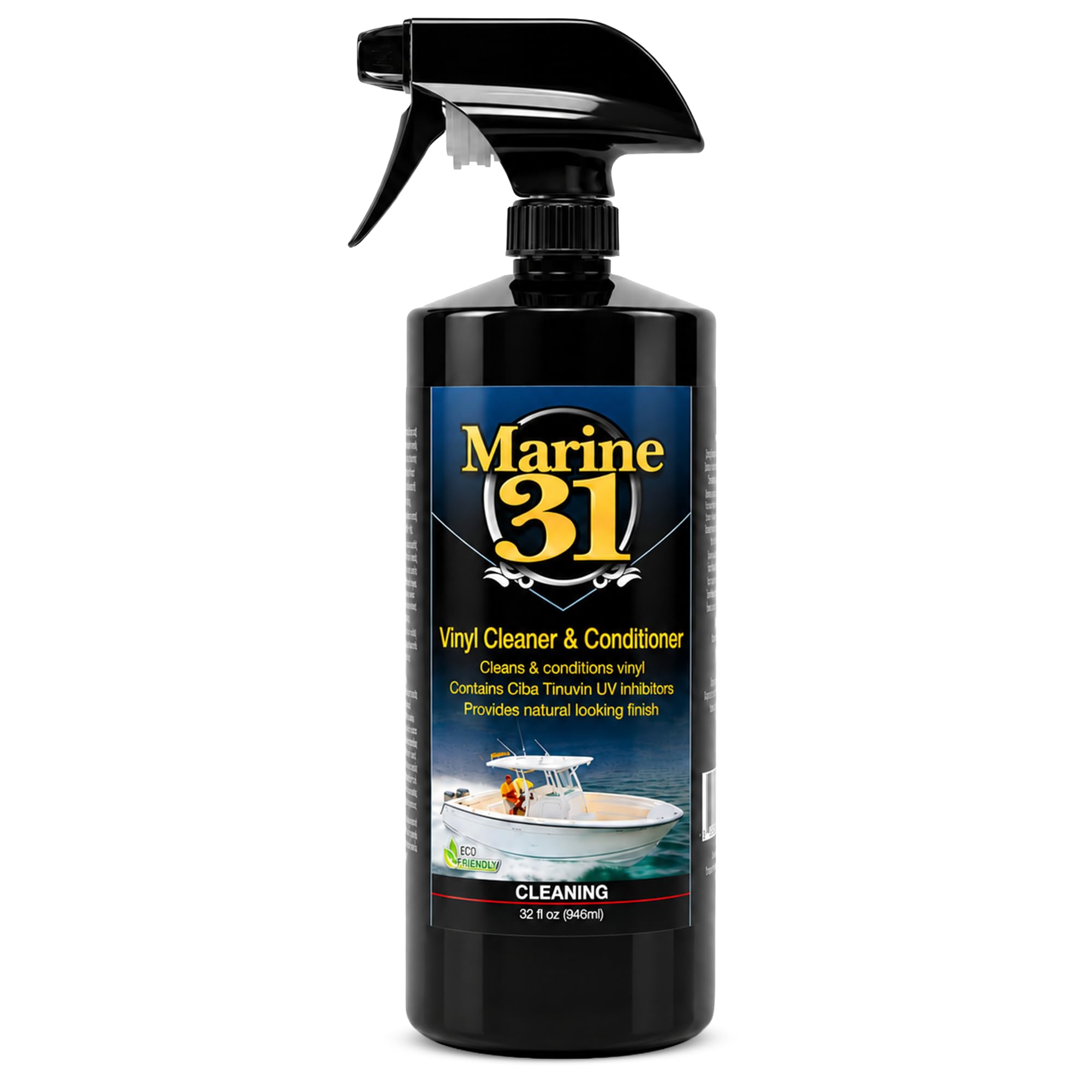
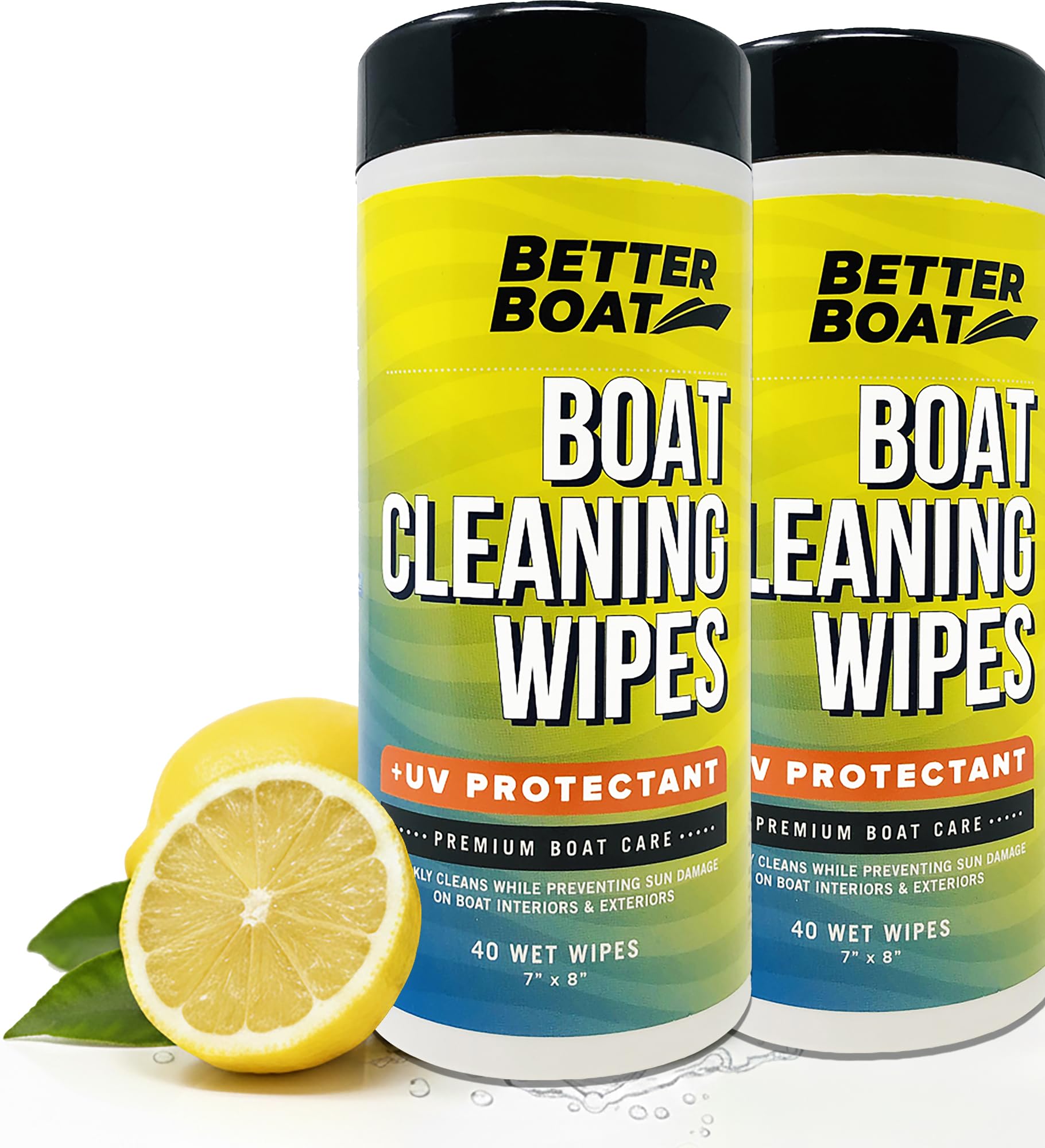
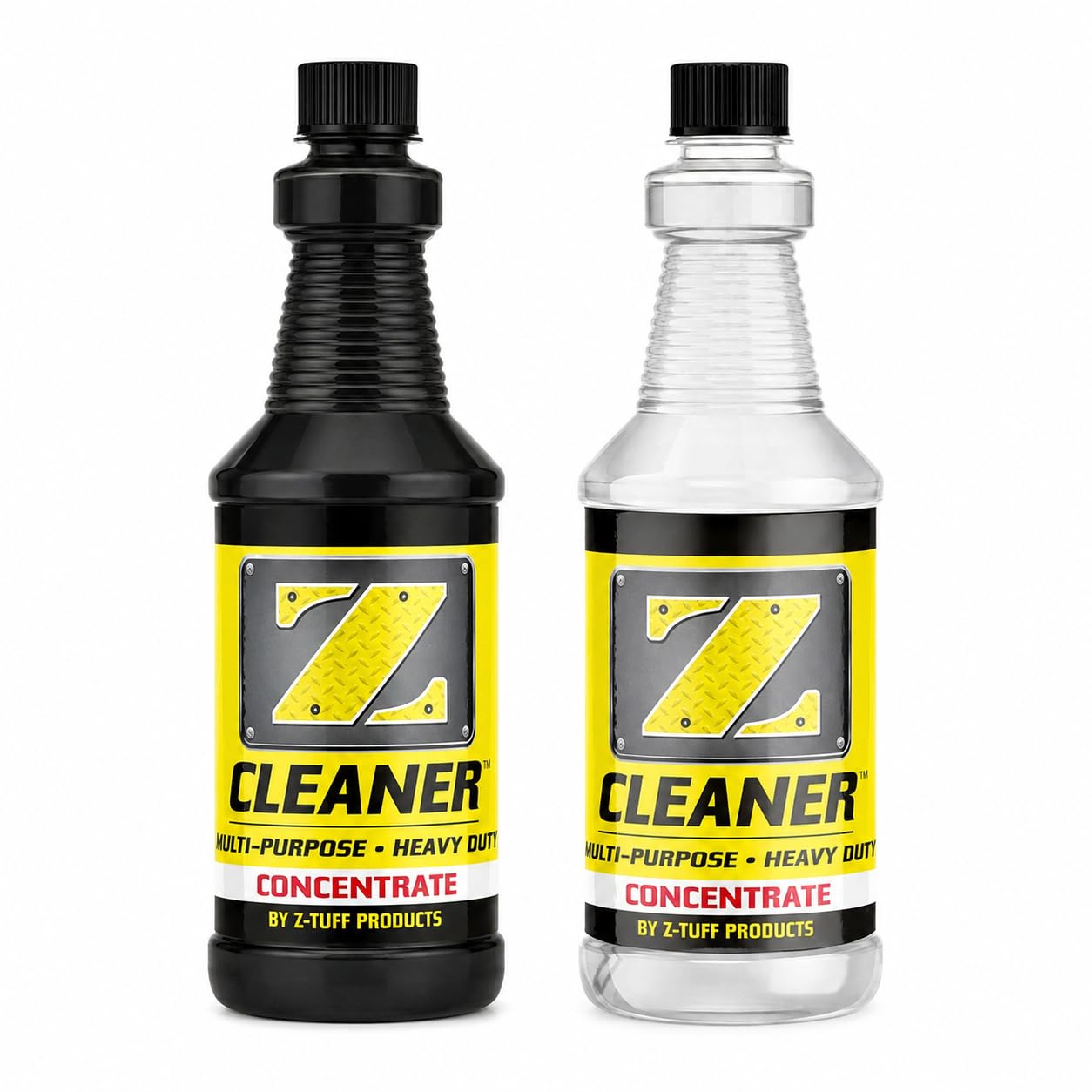
This guide walks through the features that matter, the main cleaner types, and a simple cleaning routine you can repeat all season. The comparison table below pulls the key options together so you can compare formats and strengths at a glance before you buy.




Who Should Buy a Cleaner for Boat Cushions?
Owners Fighting Mildew in Humid or Covered Storage
If your boat sits under a cover or in a humid slip, dark mildew spots are probably your main problem. You need a formula that lifts staining from pores in the vinyl and helps slow regrowth between cleanings. Look for a cleaner labeled for mildew stain removal on marine vinyl, and pair it with better airflow in storage, because no cleaner can fix cushions that stay wet for weeks.
Families Dealing With Sunscreen, Food, and Everyday Grime
Family boats collect a different mix of messes, from greasy sunscreen prints to juice spills and sandy footprints. A gentle everyday formula you can use often suits you better than a harsh product saved for emergencies. Fragrance free options help if strong scents bother your passengers, and a spray format makes quick wipe downs simple.
Anglers and Cruisers Restoring Neglected Cushions
If you bought a used boat or let a season of grime build up, you face ground in dirt, rust marks near snaps, and dull, gray looking surfaces. You will likely need a stronger heavy duty cleaner for the first deep clean, used carefully and only where the label allows. Once the surface looks even again, switch to a milder cleaner for routine care.
How to Choose a Cleaner for Boat Cushions: Buying Guide
The best cleaner for boat cushions for your boat matches your cushion material, your worst stains, and the way you use the boat. The points below break that choice down one factor at a time.
Features That Matter for Boat Cushions
Marine cushions are usually covered in vinyl made to resist sun, water, and mildew, and that coating is what a cleaner must protect. A good formula cleans without stripping the protective top layer, so the surface stays flexible and resists cracking. Check that the label names marine vinyl or boat upholstery directly, because generic household sprays often omit that guidance and gamble with a finish you cannot replace cheaply.
Effectiveness on the Specific Mess
Match the cleaner to the stain in front of you. Salt residue and light limescale from marina water usually lift with a mild spray and a soft cloth. Mildew stains sit deeper and need a formula made for them, given a few minutes of dwell time. Grease from sunscreen responds to cleaners with degreasing power, while rust spots near snaps may need a dedicated rust remover.
Ingredients and Safety
Read the ingredient and warning panel before you buy. Many cushion makers warn against bleach and strong solvents, because both can dry out vinyl and weaken thread at the seams. If you want a product that can disinfect, check that the label lists that claim and gives a contact time, since a quick wipe rarely does that job. Products carrying the EPA Safer Choice label meet a stricter standard for ingredient safety, which matters when kids and pets sit on the cushions after cleaning.
Surface Compatibility
Most boat cushions are vinyl, but some boats mix in fabric inserts or textured surfaces nearby. Confirm the cleaner suits every surface it will touch, or keep it to the cushions only. If most of your seating is vinyl, our detailed look at the best cleaner for vinyl boat cushions goes deeper on finish safe formulas. When in doubt, try it on a small hidden area and wait for it to dry before judging the result.
Format: Spray, Gel, Wipes, or Concentrate
Sprays cover large seat areas fast and suit routine cleaning. Gels cling to vertical seat backs, giving the formula more time to work instead of running off. Wipes are handy for small spots but create more waste and cost more per clean. A concentrate you dilute in a bucket gives the lowest cost per use, though it takes a few minutes to mix.
Eco Friendly Packaging and Refills
Cleaning near the water raises the stakes for what rinses off your deck. Biodegradable formulas break down faster after use, though you should still keep wash water out of a marina basin where local rules require it. Concentrates and refills cut plastic use sharply compared with buying a new spray bottle each time, and a refill system also keeps your cost steadier across the season.
Cost per Use and Value
The sticker price alone tells you little. A concentrate can make many buckets of solution, while a ready mixed spray at a lower price may last only a few cleanings. Estimate how many full cleanings a bottle gives you on a boat your size, then compare that number across products. The product table above lists sizes and formats together, which makes this math much easier.
Types of Cleaners for Boat Cushions
Everyday Cleaners
Everyday cleaners are mild, ready to use sprays made for frequent light cleaning. They handle salt film, dust, light sunscreen marks, and general dullness without stressing the vinyl finish. They will not rescue deep mildew staining, but used weekly they stop most grime from becoming a deep clean project.
Concentrates and Refills
Concentrates and refills are formulas you dilute with water at a strength you choose. A light mix handles routine washing, while a stronger mix suits the first wash of the season. They store well in a small dock box and suit owners who clean a whole cockpit at once. The main catch is discipline, because mixing too strong leaves residue and mixing too weak wastes effort.
Natural and Eco Friendly Options
These cleaners rely on plant based ingredients and skip added fragrance and harsh solvents. They appeal to owners who clean in enclosed marinas, swim from the boat, or prefer fewer chemicals around their family. Most do well on fresh messes and general grime, while deep mildew stains and old grease may need repeated applications, so set expectations before relying on one for a full restoration.
Heavy Duty Formulas
Heavy duty cleaners target the worst cases, including black mildew staining, ground in dirt, and marks that mild sprays leave behind. They work faster and deeper, but they also carry the highest risk to vinyl coatings and stitching if you overuse them. Reserve them for spot treatment and seasonal deep cleans, follow the dwell time on the label, and rinse thoroughly.
How to Clean Boat Cushions Step by Step
Start dry. Brush off loose sand and dirt and let damp cushions air out, because scrubbing grit across vinyl can scratch the finish. Work in shade when you can, since hot sun dries cleaner on the surface before it has time to work.
Apply the cleaner to a soft cloth or a soft bristle brush rather than flooding the cushion, then work in small sections with light pressure. Let the product sit for the dwell time on the label for stains, and keep the surface damp while you wait. Rinse until no slick feeling remains, because leftover residue attracts dirt.
Dry the cushions fully before you cover or store them, standing them on edge so air reaches both sides. If your cushions are worn or split, see our guide to the best boat cushions for what to look for in replacements. Cleaning a sound cushion well is always cheaper than replacing one early.
Common Mistakes to Avoid
- Using bleach or a harsh household spray on marine vinyl, which dries the coating and leads to cracking and faded color.
- Scrubbing with a stiff brush or scouring pad, which scratches the surface so dirt and mildew grip even faster next time.
- Covering or storing cushions while they are still damp, which feeds mildew growth and brings back the stains you just removed.
- Mixing two cleaners together to make a stronger one, which can create dangerous fumes and damage the cushion surface.
- Skipping the small area test with a new product, which risks a visible faded patch in the middle of your seat.
- Letting cleaner dry on the cushion in direct sun, which leaves streaks and can bake residue into the texture.
Care Tips to Keep Boat Cushions Clean Longer
Simple habits stretch the time between deep cleans. Rinse salt off the seats after trips, wipe sunscreen prints the same day, and leave covers open when you can so air moves through the cockpit. If a musty smell lingers in the cabin after the seats are clean, see our guide to the best air cleaners for help with enclosed spaces.
Store your cleaner in a cool, dry spot away from direct sun, and keep the cap sealed so the formula does not weaken. Keep all cleaning products out of reach of kids and pets. Check the label each season, because some formulas lose strength with age, and a weak bottle often leads people to scrub harder than the vinyl can handle.
Boat cushions share a lot with seating that lives outdoors full time. If you also care for a patio set at home, see our guide to the best cleaner for outdoor cushions for fabric focused advice, and our guide to the best cleaner for patio cushions for upkeep ideas. The habits transfer well, but keep your marine formula on the boat, since vinyl care differs from most patio fabrics.
Frequently Asked Questions
What features matter most in a cleaner for boat cushions?
Vinyl safety matters most, so choose a formula labeled for marine vinyl that will not strip the protective coating. Next, match the cleaning strength to your main mess, whether that is mildew staining, salt film, or sunscreen grease. Also look for a streak free finish if your cushions are dark colored, since residue shows more on navy and black vinyl.
What cleaning products should never be mixed when cleaning boat cushions?
Never mix bleach with ammonia or with acidic cleaners, because those combinations release toxic gases that can seriously harm you in a small cockpit. Never mix any two cushion cleaners hoping for a stronger result, since the reaction can also damage vinyl. Use one product at a time, rinse well, and ventilate the area before starting with a different product.
Are natural cleaners effective on boat cushions?
Yes, natural cleaners handle fresh spills, salt film, and everyday grime on boat cushions well. Their limit shows up with older mildew staining and heavy grease, where they may need two or three applications and more dwell time. A useful approach is to keep a natural formula for weekly care and a stronger product for problem spots.
How often should you clean boat cushions?
A light wipe down after every few outings keeps salt and sunscreen from building up on boat cushions. Plan a fuller wash about once a month during heavy use, and a deep clean at the start and end of the season. Cushions in humid storage deserve a check every couple of weeks, because catching mildew early takes minutes.
Is boat cushion cleaner safe to use around kids and pets?
Most boat cushion cleaners are fine for family use once the surface has been rinsed and dried as the label directs. Let kids and pets back on the seats only after that drying step, and never let children handle the concentrated product itself. For sensitive skin, rinse the seats one extra time with plain water and choose a fragrance free formula.
Final Thoughts
The right choice comes down to three things: a formula safe for your cushion material, strength matched to your worst mess, and a format you will actually use often. Compare the options in the product table above with those points in mind, and favor the cleaner that fits your routine. Pick the best cleaner for boat cushions for your boat, try it in a hidden spot first, and your seats will stay bright season after season.


