
Best Clay Court Tennis Shoes 2026: How to Choose the Right One
Disclosure: We may earn a commission when you buy through links on this page, at no extra cost to you. As an Amazon Associate I earn from qualifying purchases. Learn more

Choose the best clay court tennis shoes by outsole grip, lateral support, fit, and cushioning, with tips for sliding and long matches on clay courts.
Clay rewards movement that other surfaces punish, and your shoes decide how safely you can slide and recover. When you compare best clay court tennis shoes, outsole pattern, lateral support, and fit matter more than looks. This guide explains what clay demands, so you can move confidently without slipping or rolling an ankle.
The comparison table below gives a quick overview of the main choices. The sections that follow explain who each type suits, the types available, and the features that matter most, so you can narrow the choice to what fits your game, your courts, and your budget.

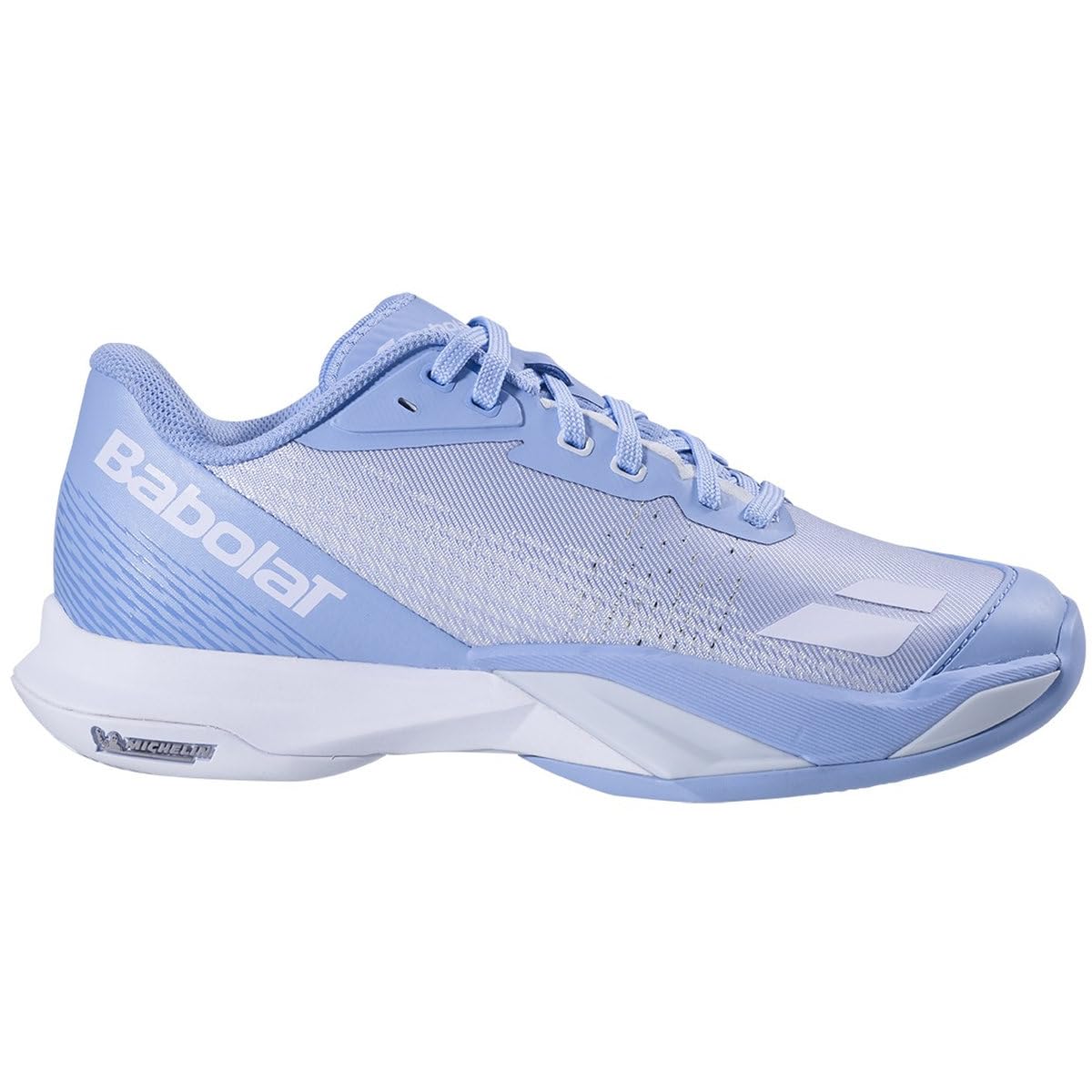
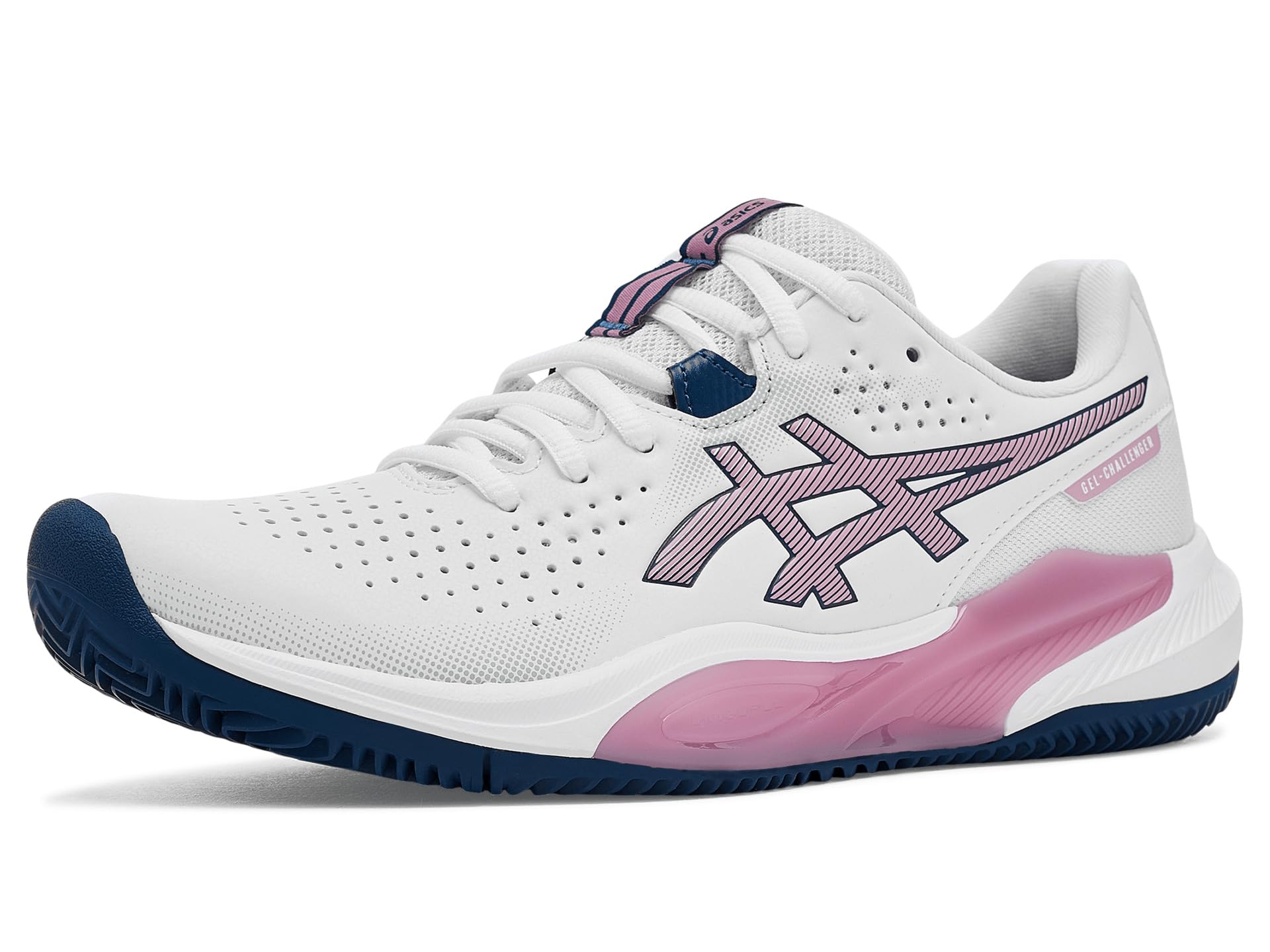

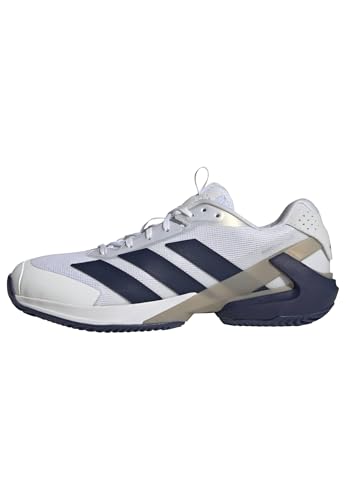
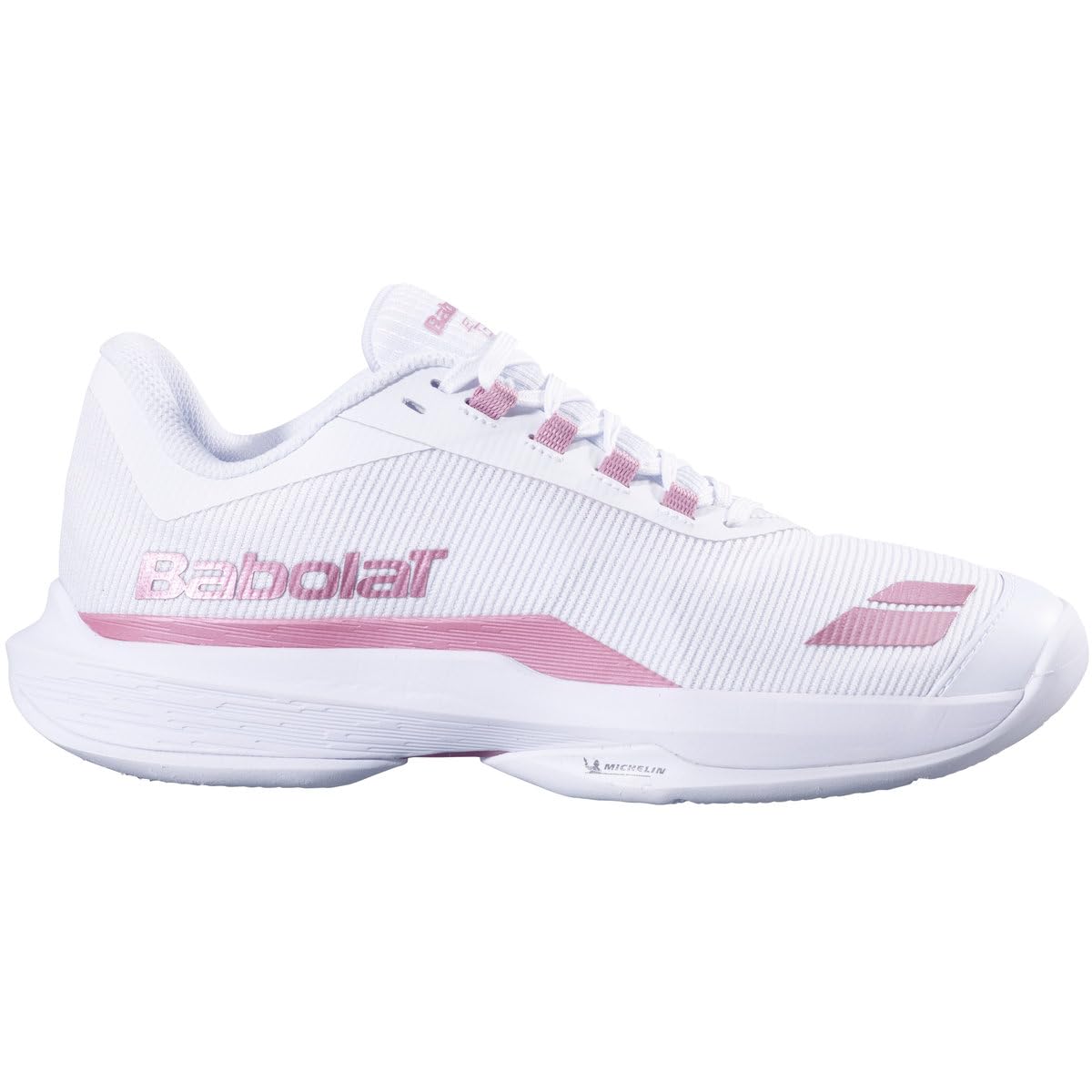

Who Should Buy Which Type
Different buyers need different strengths from the best clay court tennis shoes. The groups below cover the most common situations, and each one notes what to prioritize first.
For Regular Clay Players
Regular clay players need an outsole that grips without clogging and a shoe that survives frequent sliding. Full herringbone outsoles are the standard for clay, since they shed clay and grip in all directions. Look for durable toe protection, since sliding wears the toe area fastest.
For Occasional Players
Occasional players benefit from a comfortable clay shoe that also works for light practice on other surfaces. Prioritize fit and cushioning over specialist features, since comfort keeps you playing longer. A versatile clay shoe is a good first purchase before committing to a specialist model.
For Competitive Players
Competitive players need maximum lateral support, a low stable profile, and a secure fit for explosive direction changes. A shoe that rolls or feels loose during a slide can cause injury and cost points. Try shoes with the socks you play in, and check lateral movement before buying.
Types Compared
The main types differ in size, performance, and upkeep. Comparing them side by side makes it easier to see which trade off you are happy to accept.
Full Herringbone Outsoles
Full herringbone outsoles use a zigzag pattern that grips clay and releases it as you move. They are the standard for clay courts and the safest choice for regular play. They wear faster on hard courts, so reserve them mainly for clay.
Modified Herringbone Outsoles
Modified herringbone outsoles blend clay grip with some hard court durability. They suit players who play on mixed surfaces and do not want two pairs. They grip clay well, though not quite as reliably as a full herringbone in wet conditions.
Lightweight Clay Shoes
Lightweight clay shoes reduce fatigue during long matches and suit fast movers. They may trade some durability for weight, especially in the toe area. Choose them when speed matters most and you replace shoes regularly.
Fit differs by last as well as by outsole, so women who find unisex models too wide can read our guide to the best women's clay court tennis shoes, and men who need more volume in the toe box can compare the best men's clay court tennis shoes. Players who split time between surfaces can see how all round designs compare in our guide to the best tennis court shoes, and those who only ever play on dirt will find more clay specific detail in our guide to the best tennis shoes clay players favor. If your club has both surfaces, our guide to the best hard court tennis shoes explains why the outsoles differ so much.
Key Features to Compare
Use the features below as a checklist when you compare options in the product table above. A model that scores well on the points that matter to you will usually serve you better than one with a long list of extras you never use.
Outsole Pattern
Outsole pattern is the most important feature for clay. A herringbone pattern grips in all directions and sheds clay, while a smooth or hard court pattern can clog and slip. Check that the pattern covers the full outsole, not just the center, since slides use the edges too.
Lateral Support
Lateral support keeps the foot stable during side to side movement and slides. Look for a firm heel counter, a stable midfoot shank, and an upper that locks the foot without squeezing. A shoe that feels soft sideways will feel insecure on clay.
Fit and Toe Protection
Fit should be snug in the midfoot with room for toes to spread, since clay play involves many stops and starts. A reinforced toe guard protects against drag and slide wear. Try shoes late in the day when feet are slightly larger, as in match conditions.
Cushioning and Weight
Cushioning absorbs impact during long rallies, while weight affects fatigue over a long match. A balance suits most players, since very soft shoes can feel unstable sideways. Choose cushioning that feels supportive, not mushy, during lateral movement.
Court Surface and Weather
Clay courts change with weather: wet clay grips more and clogs outsoles faster, while dry clay plays faster and dustier. Knock clay from outsoles during changeovers on wet days, and expect different slide lengths as conditions change. Adapt movement rather than forcing the same slide in all conditions.
Common Mistakes to Avoid
A common mistake is wearing hard court shoes on clay, where the outsole clogs and grip becomes unpredictable. Another is buying shoes a half size too large, which lets the foot slide inside the shoe during direction changes. Use clay specific outsoles, and fit shoes snugly with playing socks.
Getting the Most From Your Choice
Knock clay from outsoles after every session, since dried clay hardens and reduces grip. Let shoes air dry away from direct heat, and rotate two pairs if you play often, since rest extends cushioning life. Replace shoes when the outsole pattern wears smooth or lateral support feels loose.
Planning Your Purchase
Check the courts you play on most, since clay types and maintenance vary and affect grip. A shoe that works on a well watered club court may feel different on a dry, dusty court, so talk with regular players about what works locally.
Plan shoe rotation if you play several times a week, since rest between sessions extends cushioning life and lets shoes dry fully. Two pairs rotated also let you compare wear patterns, which can reveal fit or movement issues early.
Budget for replacement based on play frequency rather than calendar time, since a regular player wears shoes out in months while an occasional player may use a pair for years. Replace when grip or support fades, not when the shoe looks worn out.
Questions to Ask Before You Order
- Do I play mainly on clay, or on mixed surfaces?
- Does the outsole use a full herringbone pattern?
- How does lateral support feel during side to side movement?
- Is toe protection reinforced for sliding?
- Do I play long matches where weight and cushioning matter?
Write down your answers before you order. They make it much easier to compare the options in the product table above without getting distracted by features you do not need.
Frequently Asked Questions
Why do clay courts need special shoes?
Clay is loose and slippery, so shoes need an outsole that grips without clogging and allows controlled sliding. A herringbone pattern grips in all directions and sheds clay as you move. Hard court outsoles can clog with clay and become unpredictable, which increases slip risk.
Can I slide in clay court shoes?
Yes, clay court shoes are designed for controlled sliding, which helps you reach wide balls and recover. Slide with a stable, low stance and keep weight balanced. Practice sliding gradually, since sliding too aggressively before you are used to it can strain ankles and knees.
How long do clay court shoes last?
Lifespan depends on frequency, surface, and sliding style. Regular players may wear a pair out in a few months, especially at the toe and outsole. Replace shoes when grip fades, the outsole pattern wears smooth, or support feels loose, rather than waiting for a visible hole.
Should clay shoes fit tight or loose?
Clay shoes should fit snugly in the midfoot with enough toe room to avoid blisters. A loose shoe lets the foot slide inside during direction changes, which causes blisters and instability. Try shoes with playing socks and check lateral movement before deciding.
Can I wear clay shoes on hard courts?
You can occasionally, but full herringbone outsoles wear faster on hard courts and grip differently. If you play both surfaces regularly, consider a separate pair for each, or a modified herringbone model. Reserve full clay shoes mainly for clay to extend their life.
Do clay court shoes need breaking in?
Clay court shoes need a short break in, usually a few practice sessions, for the upper to soften and fit to settle. Do not wear brand new shoes for a long tournament match without practice first. Lace them as you would for play, and check lateral movement during break in.
Final Thoughts
The right choice among best clay court tennis shoes grips reliably, supports lateral movement, and fits snugly enough for confident slides. Compare the product table above, check lateral movement in the shop if you can, and replace shoes when grip fades. If foot pain persists, talk with your doctor about footwear and playing load.
Check the product table above once more against your shortlist, then choose the pair that fits your game, your courts, and your budget best.


