Best Cleaner for Patio Cushions: A Budget Guide for 2026
Disclosure: We may earn a commission when you buy through links on this page, at no extra cost to you. As an Amazon Associate I earn from qualifying purchases. Learn more

Compare the best cleaner for patio cushions by budget, and learn how fabric labels, mildew removers, and safer ingredients change what each tier buys you.
A single spray bottle of cushion cleaner can cost about $6, and a large concentrate can cost about $30, yet the price gap rarely matches the cleaning gap. The best cleaner for patio cushions for your set is the one that matches your fabric, your mess, and how often you actually clean. This guide starts with the budget tiers, so you can see what each level buys before you spend anything.
You will also learn how to read a care label, why mildew needs a different approach than plain dirt, and which ingredients are worth paying for. The comparison table below lines up the main options side by side, so you can match a tier to your cushions and skip the rest.

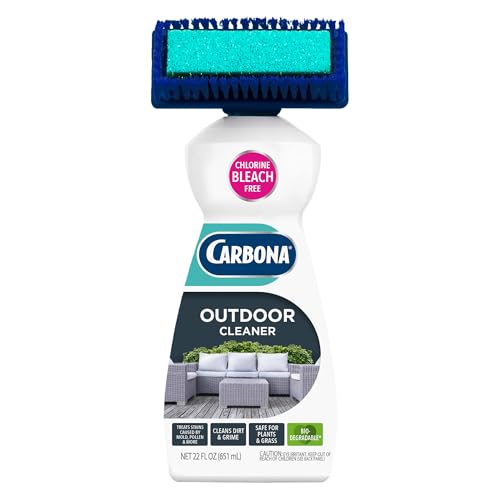
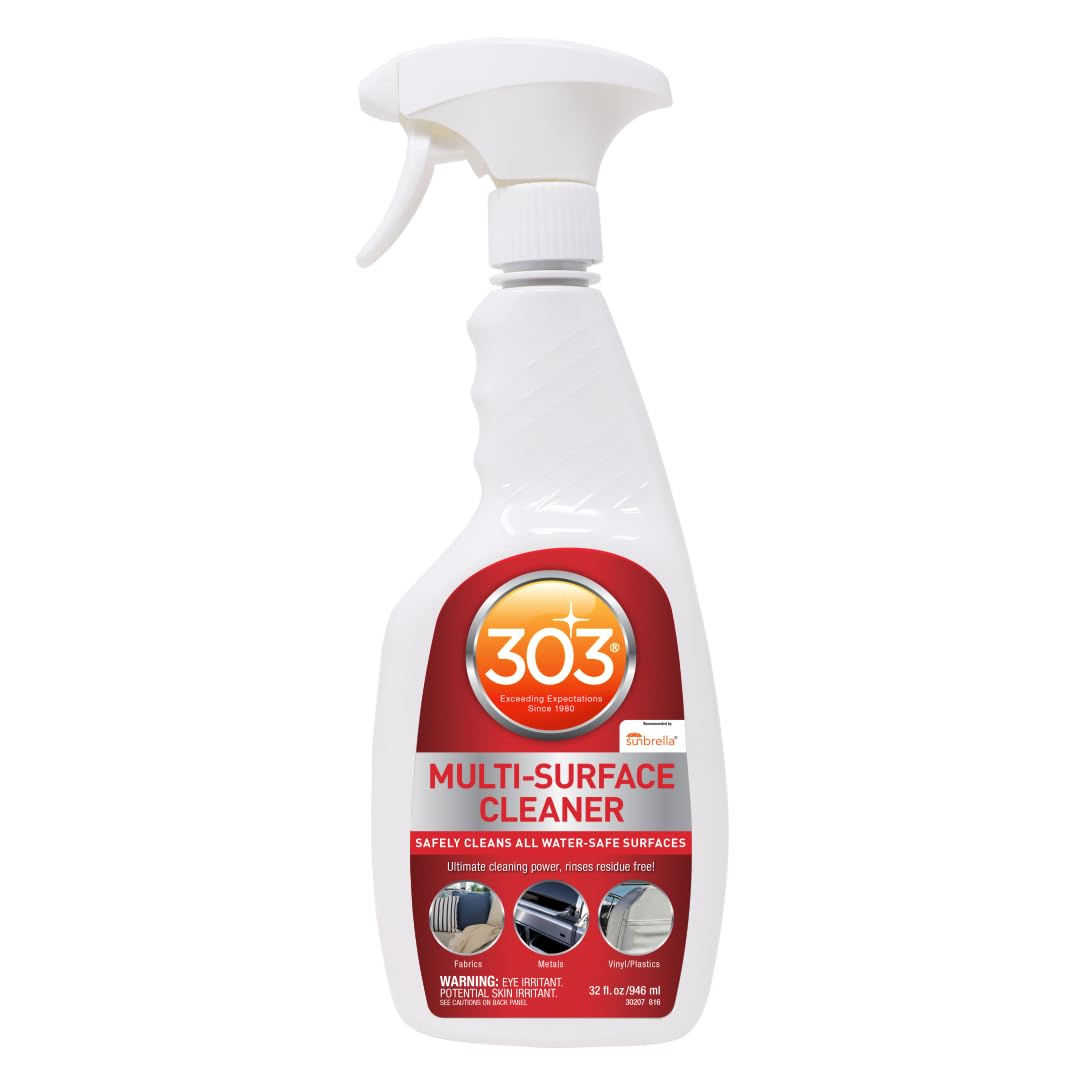


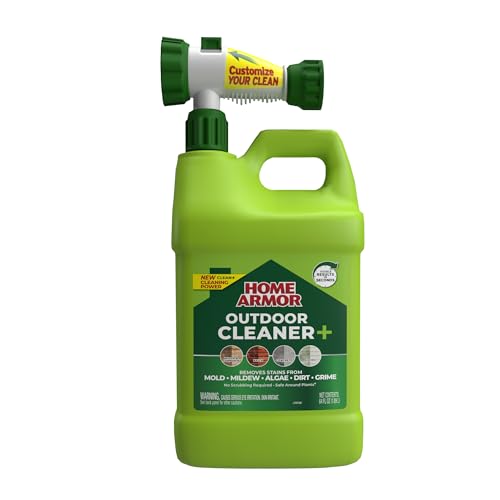
Start With the Care Label, Not the Cleaner Label
The plain rule of cushion cleaning is this: match the cleaner to the fabric named on the care label, because that label, not the marketing on the bottle, decides what is safe. A formula that is harmless on one cushion fabric can strip color or break down the coating on another, so the label check comes before every purchase.
What the Care Label Tells You
Look for the fabric name first. Solution dyed acrylic is the toughest common cushion fabric and often tolerates stronger formulas, while polyester and olefin usually need gentler, fabric safe products. The label also tells you whether covers unzip for machine washing.
If the label warns against bleach, believe it, even when a cleaner claims to be gentle. The same label first logic covers the rest of the set, as our guide to the best cleaner for patio furniture cushions explains.
Test a Hidden Patch Every Time
Before a full clean, test the cleaner on a hidden patch, such as the underside of a cushion. Wait about 10 to 15 minutes, then check for color change, stiffness, or a faded ring once the spot dries. Repeat the test even with a cleaner you have used before, because sun faded fabric weakens over time and reacts more strongly. If the patch changes color at all, switch to a milder formula rather than diluting and hoping.
What Your Money Gets You at Each Price Tier
Budget Tier: Everyday Sprays for Light Soil
Budget cleaners, about $6 to $10 a bottle, are mostly ready to use sprays built on mild surfactants, the same family of ingredients as dish soap. They handle pollen film, dust, and fresh drink spills well, and they are the right buy when you clean little and often. The trade offs are weak mildew performance and a high cost per use, since a small bottle disappears fast on a full sectional.
Midrange Tier: Fabric Safe Formulas With Muscle
Midrange cleaners, about $10 to $18, add oxygen based stain lifters and, in many bottles, a mildew remover aimed at outdoor fabric. Labels are clearer at this level, with fabric lists and dwell times printed instead of vague promises. This is the tier most owners should start with, because it covers the two messes that ruin cushions, set in stains and mildew spots. Expect one bottle to handle a full deep clean of a typical five or six cushion set.
Premium Tier: Concentrates and Protective Extras
Premium options, about $18 to $30, are usually concentrates that dilute into several gallons of working solution. Some add UV guard ingredients or a water repellent booster that helps cushions shed rain after cleaning. This tier pays off for large sets, rental properties, and anyone who deep cleans twice a season or more. If your cushions live under a roof and see light use, the extra strength buys you very little.
Mildew Is Not Just Dirt
Dirt and mildew look similar on a cushion, but they behave very differently, and treating them as the same problem is why many cleanings disappoint. Dirt sits on the surface of the fabric and rinses away with surfactants and water. Mildew grows into damp fabric, leaving dark or pink spots and a musty smell that returns, because the growth sits below the weave.
That difference changes what you buy. A mildew problem needs a formula made for mildew on outdoor fabric, plus drying time in direct sun, which slows regrowth. Bleach is the ingredient to read with the most care: many solution dyed acrylics tolerate a diluted bleach mix when their label allows it, while printed polyester can lose color in minutes. When in doubt, choose a bleach free mildew remover and give it a longer dwell time.
Our guide to the best cleaner for outdoor patio cushions covers shade and storage setups where mildew is a yearly fight.
Features Worth Paying For (and Ones to Skip)
Fabric Compatibility Comes First
The most valuable line on any bottle is the fabric list. A cleaner sold for solution dyed acrylic, polyester, olefin, and vinyl coated fabrics covers nearly every cushion sold today. Pay for that breadth if your set mixes fabrics, as many do.
Skip formulas aimed at hard surfaces such as decks, siding, or concrete, even when they are cheaper per ounce. Those products can strip dyes and damage the water resistant coatings that help cushions dry quickly after rain.
Effectiveness on the Specific Mess
Name your mess before you shop, because each one answers to a different ingredient. Pollen and dust need only surfactants, while sunscreen and body oils call for a degreasing formula. Bird droppings and leaf stains respond better to enzyme style cleaners that break down organic matter over a longer soak. A general cleaner handles the light end of that list well, which is why the best cleaner for outdoor cushions in any tier is the one matched to your worst regular mess, not your average one.
Ingredients and Safety
An EPA Safer Choice label means the formula was screened for safer ingredients, a useful shortcut when kids and pets use the furniture daily. Fragrance free options suit sensitive noses and avoid the perfumed film some scented cleaners leave behind. Biodegradable claims matter most when rinse water runs into garden beds or a lawn. Skip disinfectant claims: outdoor cushions rarely need them, and those formulas are often harsher than the dirt.
Dry Them Fully Before You Store Them
The last step of cleaning decides whether the work lasts, because a cushion put away damp will grow mildew in storage no matter which cleaner you used. In plain terms, a cushion is ready for storage only when it is dry all the way through: stand cushions on edge in sun and moving air, and let the inner foam dry through, which can take a full day after a deep soak. Squeeze a corner hard before storing; if any moisture reaches your palm, the cushion needs more time.
Long Term Costs to Factor In
The bottle price is only part of the bill. Concentrates cut the cost per cleaning sharply for big sets, while small sprays cost more per cushion over a few seasons. A fitted protective cover, about $25 to $60, stretches the time between deep cleans and often saves more than any premium formula. When a cushion is worn out rather than dirty, no cleaner will rescue it, and our guide to the best time to buy patio cushions can help you time the replacement instead.
Frequently Asked Questions
What features matter most in a cleaner for patio cushions?
Fabric compatibility matters most, followed by a formula matched to your main mess. A cleaner that lists your exact fabric and targets your worst stain will beat a stronger product that does neither. One point buyers often miss is rinsing: leftover cleaner residue attracts dust and pollen, so cushions look dirty again within weeks. Rinse until the water runs clear and suds free, even when the label calls the product no rinse, and the clean will last noticeably longer.
Is patio cushion cleaner safe to use around kids and pets?
Yes, when you follow the label directions and let cushions dry fully before anyone sits on them. Most fabric safe formulas leave little behind once rinsed and dry. For extra care, choose a fragrance free product with an EPA Safer Choice label, and keep children and pets off the furniture during cleaning and drying. Removable covers deserve one extra step: run them through a second rinse cycle so no residue sits against skin during long summer afternoons outside.
Are natural cleaners as effective as standard cushion cleaners?
Natural cleaners handle light soil, dust, and fresh spills about as well as standard sprays, and a simple dish soap solution is enough for monthly upkeep. They fall short on set in stains and mildew, where oxygen based or purpose built formulas do work that vinegar and baking soda cannot. Vinegar also risks dulling some dyes, so the hidden patch test still applies. Use natural products for routine cleaning and a stronger bought formula once a season for the deep clean.
How often should patio cushions be cleaned?
A light clean about once a month during the season and a deep clean at the start and end of the season suits most patios. Cushions under trees or near a pool usually need attention more often, since sap, pollen, and sunscreen build up faster there. The habit that saves the most effort is speed: blot a spill the day it happens, before sun bakes it into the weave, and most stains lift with plain water and a drop of mild soap.
What cleaning products should never be mixed together?
Never mix bleach with ammonia or with acids such as vinegar, because the combination releases harmful gas that can burn lungs and eyes. The same caution applies to layering two different cleaners on one cushion without rinsing in between, since residues can react or cancel each other out. If a first product fails, rinse the fabric thoroughly, let it dry, and only then try a different approach. Work outdoors or with good airflow whenever you use a mildew remover or any stronger formula.
Final Thoughts
Start with the care label, pick the tier that matches how much fabric you own, and treat mildew as its own problem rather than stubborn dirt. The product table above pulls those tiers together so you can compare at a glance. Chosen that way, the best cleaner for patio cushions is rarely the strongest bottle on the shelf; it is the one your fabric, your mess, and your budget all agree on.