Best Cleaner for Vinyl Boat Cushions at Every Price: What Your Money Really Gets You for 2026
Disclosure: We may earn a commission when you buy through links on this page, at no extra cost to you. As an Amazon Associate I earn from qualifying purchases. Learn more

Mildew, sunscreen and salt film wear down marine vinyl. Compare price tiers and safe formulas to choose the best cleaner for vinyl boat cushions for your boat.
Prices for marine vinyl cleaners stretch from a few dollars for a basic spray to around $30 for a large concentrate, and the gap is not just branding. Stronger stain handling, gentler formulas, and lower cost per use all hide inside that spread. The best cleaner for vinyl boat cushions is the one that matches your mess, your vinyl, and your budget, and the comparison table below lays the main options side by side so you can see where the money goes.
This guide walks through what each price tier actually delivers, which features deserve your dollars, and which extras you can skip. If some of your seating mixes vinyl with fabric or mesh panels, see our guide to the best cleaner for boat cushions for products built for mixed materials.


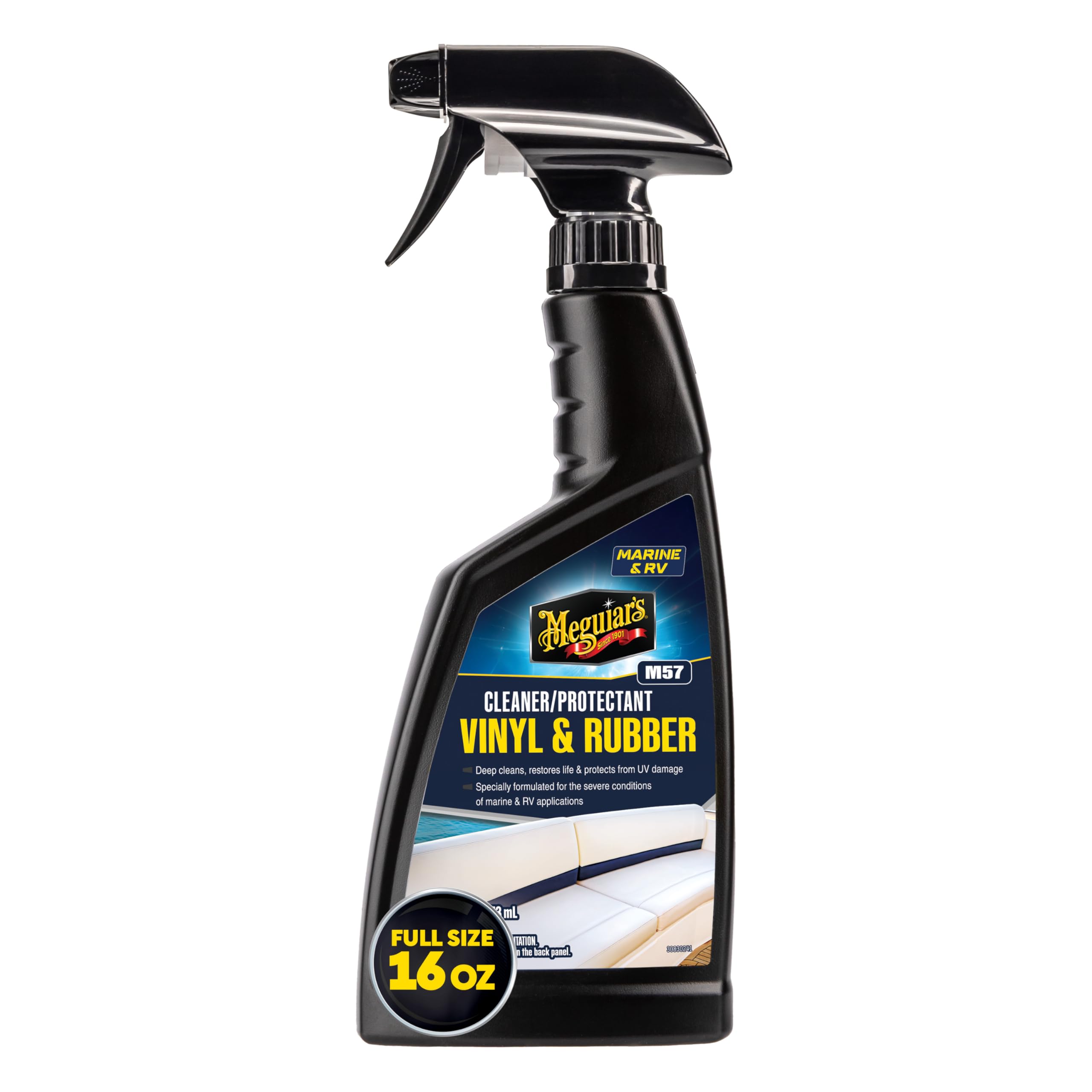
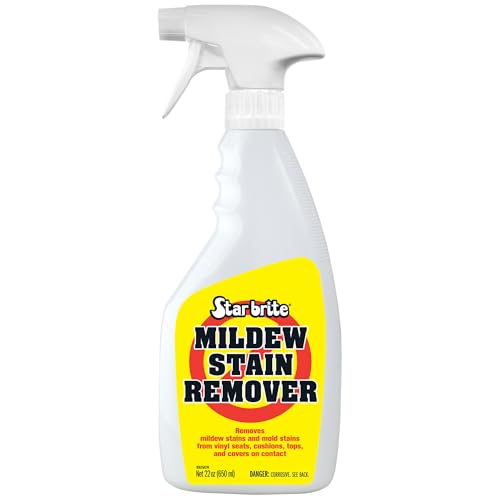


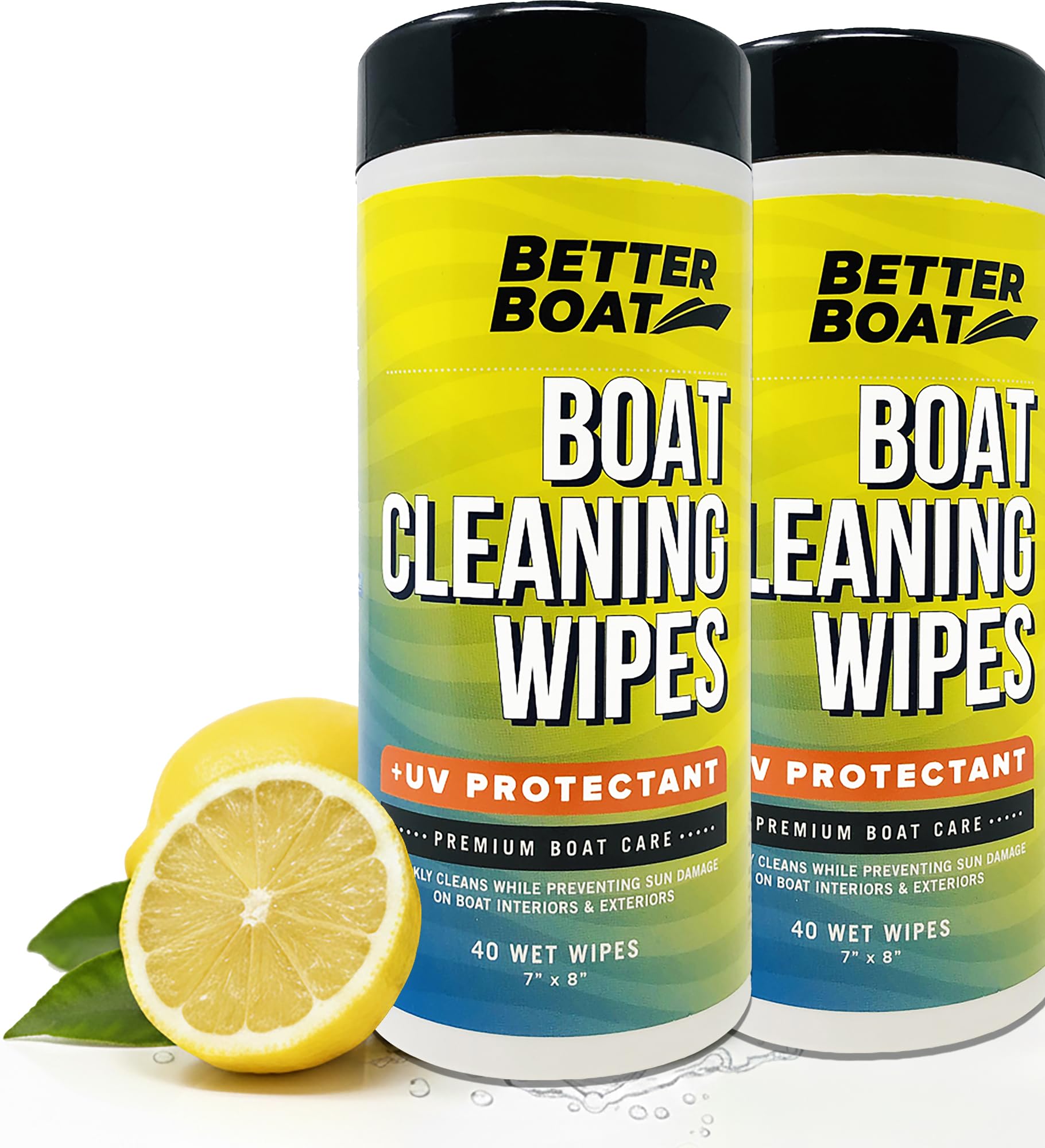


Choosing by Budget: What to Check Before You Buy
Budget works best as a filter, not as the whole decision, when you shop for the best cleaner for vinyl boat cushions. Two bottles at the same price can behave very differently on mildew spots or sunscreen oil, so use your price range to narrow the shelf and then check the three things below. This approach keeps you from paying premium prices for a light duty spray, and it keeps a cheap bottle from costing you a cracked cushion later.
If You Want the Lowest Cost per Clean
Look first at bottle size and dilution. A concentrate that you mix with water in your own spray bottle usually beats a small ready to use spray on price per cleaning, sometimes by a wide margin. Check the label for a clear dilution ratio and for the total amount of working solution the bottle makes. Plain everyday cleaners at this level handle dust, salt film, and light grime well, so if your cushions mostly need freshening, you rarely need to spend more.
If You Clean After Every Trip
Frequent cleaners should favor gentle formulas over raw strength. A pH balanced spray that leaves a streak free finish and needs no rinsing saves time at the dock and is kinder to vinyl and stitching over dozens of uses. Fragrance free options are worth a look here, since you sit close to the surface and heavy scents linger in a warm cockpit. Convenience matters too, so a trigger sprayer that works at arm length beats a thick gel you have to spread by hand.
If Your Cushions Face Heavy Grime
Boats that sit in the water all season collect mildew spots, ground in dirt, and oily sunscreen residue that light sprays barely touch. This is where heavy duty formulas earn their price, provided the label states they are safe for marine vinyl. Check for stain specific language about mildew and oxidation rather than general claims about boats. Plan on a soft brush as part of the job, because even a strong cleaner needs light agitation to lift stains out of the grain in the vinyl.
What Your Money Gets You at Each Price Tier
The product table above groups cleaners across a wide price spread, and the tiers below explain what typically changes as you move up. Formulas vary by brand, so treat these as patterns to verify on the label rather than guarantees. Matching the tier to your actual mess is the simplest way to avoid overspending.
Budget Tier: What to Expect
Budget cleaners usually cost around $10 or less and cover the basics well. Expect simple spray and wipe formulas aimed at dust, salt, and fresh spills, with little in the way of added protectants. You may need a second pass or a bit more scrubbing on older stains, and the bottles tend to be smaller, so cost per use is not always the bargain it looks like. For a trailer boat that gets wiped down often, this tier is often enough.
Midrange Tier: The Sweet Spot for Most Buyers
Midrange cleaners, about $10 to $20, add real stain lifting power and often include ingredients that help vinyl resist UV fading and drying. Sprayers work better, labels give clearer directions for different messes, and many formulas rinse clean without leaving residue that attracts dirt. This is the tier where a disinfect option or a mildew stain remover becomes common. Most weekend boaters land here because one bottle covers routine cleaning and the occasional stubborn spot.
Premium Tier: When Spending More Pays Off
Premium cleaners run around $20 to $30, and the money goes into concentration, gentler chemistry, or both. Concentrates at this level can make gallons of working solution, which suits large boats or clubs cleaning many cushions. You also see more biodegradable formulas and products carrying the EPA Safer Choice label, plus bundles that pair a cleaner with a protectant. Pay this much only if you clean often, own a lot of vinyl, or want the mildest formula you can get.
Features Worth Paying For (and Ones to Skip)
Feature lists on cleaner bottles love padding. The points below separate what genuinely helps vinyl boat cushions from what mostly inflates the price. As a rule, skip heavy added fragrance, decorative dyes, and a separate specialty bottle for every single stain type, since one good midrange formula usually covers the same ground. Boat vinyl also lives outdoors full time, and our guide to the best cleaner for outdoor cushions shows how outdoor formulas differ from indoor ones.
Features That Matter for Vinyl Boat Cushions
Vinyl has a protective top layer, and the wrong chemistry strips it away and invites cracking. Pay for a formula that states it is safe for marine vinyl, free of bleach and ammonia, and gentle enough for stitched seams. Bleach can weaken thread and yellow the surface, while harsh solvents dry the material out. A cleaner that also leaves behind light UV protection is worth a small premium on boats stored outside, because sun damage is the main reason cushions age before their time.
Effectiveness on the Specific Mess
Match the formula to the stain you actually have. Sunscreen and body oils need a degreasing action, mildew spots need a stain remover made for them, and limescale crust near cushion edges where hard rinse water dries needs a cleaner that can soften mineral deposits without strong acids. No single bottle tops every category, so read for your worst mess first. If a label only promises general shine, expect it to struggle with the stains that made you shop for a cleaner in the first place.
Cost per Use and Value
Do the simple math before you judge a price tag. Divide the bottle price by the number of full cushion cleanings it should deliver, counting dilution for concentrates. A concentrate priced at around $24 that yields several gallons can cost well under a dollar per spray bottle fill, while a ready to use spray at around $9 might last one season of weekly cleaning. Value also includes your time, so a formula that works in one pass can be cheaper in practice than a bargain bottle that needs three.
Eco Friendly Packaging
Concentrates and refill pouches cut plastic sharply, since you reuse one spray bottle for years. Biodegradable formulas matter on the water because rinse water from dockside cleaning often runs straight into the marina. Look for the EPA Safer Choice label when you want third party screening of ingredients without giving up cleaning power. Skip shrink wrapped multipacks of small bottles, which give you the worst packaging ratio and usually no price break worth the waste.
Long Term Costs to Factor In
The bottle price is only part of what clean cushions cost over a few seasons. A few small extras and one big risk belong in your budget math from the start.
- A soft brush and a stack of microfiber towels, usually under $15 total, make any cleaner work better and keep grit from scratching the vinyl.
- A separate protectant, applied a few times a season, costs a few dollars per use and slows the fading and stiffening that eventually force replacement.
- An empty spray bottle for diluting concentrate costs almost nothing, but skipping it leads people to mix formulas too strong and damage the finish.
- Replacement cushions are the real expense, often hundreds of dollars for a set, which is why one harsh cleaner is the most expensive mistake you can make.
Storage counts as a cost saver too. Cleaners stored in a hot dock box lose strength over time, so a bottle kept in a cool cabinet at home often outlasts a bigger bottle left baking on the boat.
How to Make Your Vinyl Boat Cushions Last Longer
Cleaning habits matter as much as the cleaner itself. Rinse cushions with fresh water after saltwater trips so salt crystals do not grind into the grain, and let them dry fully before you snap a cover over them, since trapped moisture feeds mildew. Work in shade when you can, because solution that dries on hot vinyl can leave marks. Follow each cleaning with a vinyl protectant once the surface is dry, and store cushions indoors or under a breathable cover for the off season.
When vinyl finally cracks, splits at the seams, or stays stained through every treatment, cleaning has done all it can. At that point our guide to the best boat cushions can help you choose replacements with denser foam and more mildew resistant covers. The same sun and moisture logic applies to furniture that lives outside, which is why our guide to the best cleaner for patio cushions is a useful cross check for patio sets.
Frequently Asked Questions
What features matter most in a cleaner for vinyl boat cushions?
Vinyl safety matters most, so look for a label that names marine vinyl, contains no bleach or ammonia, and is safe for stitching. Stain handling for mildew and sunscreen comes next, followed by cost per use. One point many buyers miss is the spot test: whatever you choose, try it first on a hidden area under the cushion and wait a day, because a few formulas can dull certain dyed vinyl even when the label sounds gentle.
How often should you clean vinyl boat cushions?
Wipe cushions down after every few trips and do a full cleaning about once a month during the season. Boats kept in the water or under trees may need attention more often, since pollen and damp shade grow mildew fast. Always clean before winter storage as well. Stains left sitting for months set into the grain and can become permanent, so the pre storage wash is the one cleaning you should never skip.
Are natural cleaners effective on vinyl boat cushions?
Natural and plant based cleaners handle light soil, salt film, and fresh spills about as well as conventional sprays. They usually fall short on set in mildew stains and heavy grease, where a purpose built formula works faster with less scrubbing. A mild soap and water mix is fine for routine wipe downs, but skip homemade vinegar mixes, since repeated acid exposure can dull the finish on some vinyl. Check that any product claiming to disinfect is registered for that claim.
What should you never mix when cleaning vinyl boat cushions?
Never mix bleach with ammonia or with acidic cleaners such as vinegar or limescale removers, because the combination releases gases that can seriously harm your lungs. Use one product at a time, rinse the surface with plain water between products, and work in open air whenever you can. If a stain needs two treatments, let the first dry and rinse fully before starting the second, and store bottles apart so nobody grabs the wrong pair.
Is vinyl boat cushion cleaner safe to use around kids and pets?
Most marine vinyl cleaners are safe once the surface has been rinsed and allowed to dry fully, which is how labels direct you to use them. Keep kids and pets off the cushions until drying is complete, and store bottles where small hands cannot reach them. Fragrance free formulas reduce leftover residue and scent for sensitive noses. For indoor upholstery the products differ, so see our guide to the best cleaner for couch cushions rather than using a marine formula on the sofa.
Final Thoughts
Three checks decide this purchase: the formula must be safe for marine vinyl, it must match your worst stain, and its cost per use must fit how often you clean. The product table above makes those checks easy to compare across budgets. Choose the best cleaner for vinyl boat cushions for your routine rather than the strongest bottle on the shelf, and your cushions will stay soft, bright, and ready for the next trip out.