Best Air Cleaners at Every Price: What Your Money Really Gets You
Disclosure: We may earn a commission when you buy through links on this page, at no extra cost to you. As an Amazon Associate I earn from qualifying purchases. Learn more

The best air cleaners by budget: what a $90, $180 and $600 unit really deliver, which features matter, and what filters cost later.
Air cleaners for the home run from about $30 desk gadgets to $700 room machines and whole house filters that sit in your HVAC system. That spread makes shopping confusing, because a higher price does not always mean cleaner air in the room you actually use. This guide to the best air cleaners sorts the market by budget so you can see what each extra dollar buys.
We focus on portable HEPA units, since they are what most renters and homeowners can set up today. You will see where the sweet spot sits, which features are worth paying for, and what the filters will cost you after the first year.







Top 3 Picks by Budget
These three come from the product table above and cover a small bedroom, a large living area and an open plan floor. Each one is a current model sold new on Amazon US, with replacement filters still available from the maker.
We chose them by matching verified room ratings to real room sizes, then weighing filter cost, noise and warranty. If your room falls between two picks, size up rather than down, since a larger unit on a low setting is quieter and keeps up better when pollen counts or smoke levels spike.
Best Budget Pick: Levoit Core 300
The Levoit Core 300 suits a bedroom, nursery or home office where you want real HEPA filtration for around $90. Its listing shows an AHAM Verifide clean air delivery rate of 143 CFM for smoke, which works out to almost five air changes per hour in a room of about 220 square feet.
Two things stand out. Sleep Mode drops to a listed 24 dB, quiet enough for light sleepers, and the display lights switch off completely at night. The limitation is coverage: in a large living room the unit runs at full speed for long stretches and gets audible. Skip it if your main space is bigger than about 400 square feet or if you need serious odor control, because it has no thick carbon bed.

Best Midrange Pick: Winix 5510
The Winix 5510 fits a living room or a large bedroom and costs around $180. The listing gives an AHAM Verifide room size of 392 square feet and says it can process a 1,882 square foot space once per hour, so it has headroom for open layouts.
Its strengths are a true HEPA filter paired with a carbon filter for cooking and pet odors, and an auto mode driven by a built in air quality sensor, with app control for scheduling. The trade off is the PlasmaWave ionizer, which some households prefer to keep switched off; it can be disabled. Skip it if you want a unit with no ionizing feature at all, or if your room is a small dorm where the size is overkill.

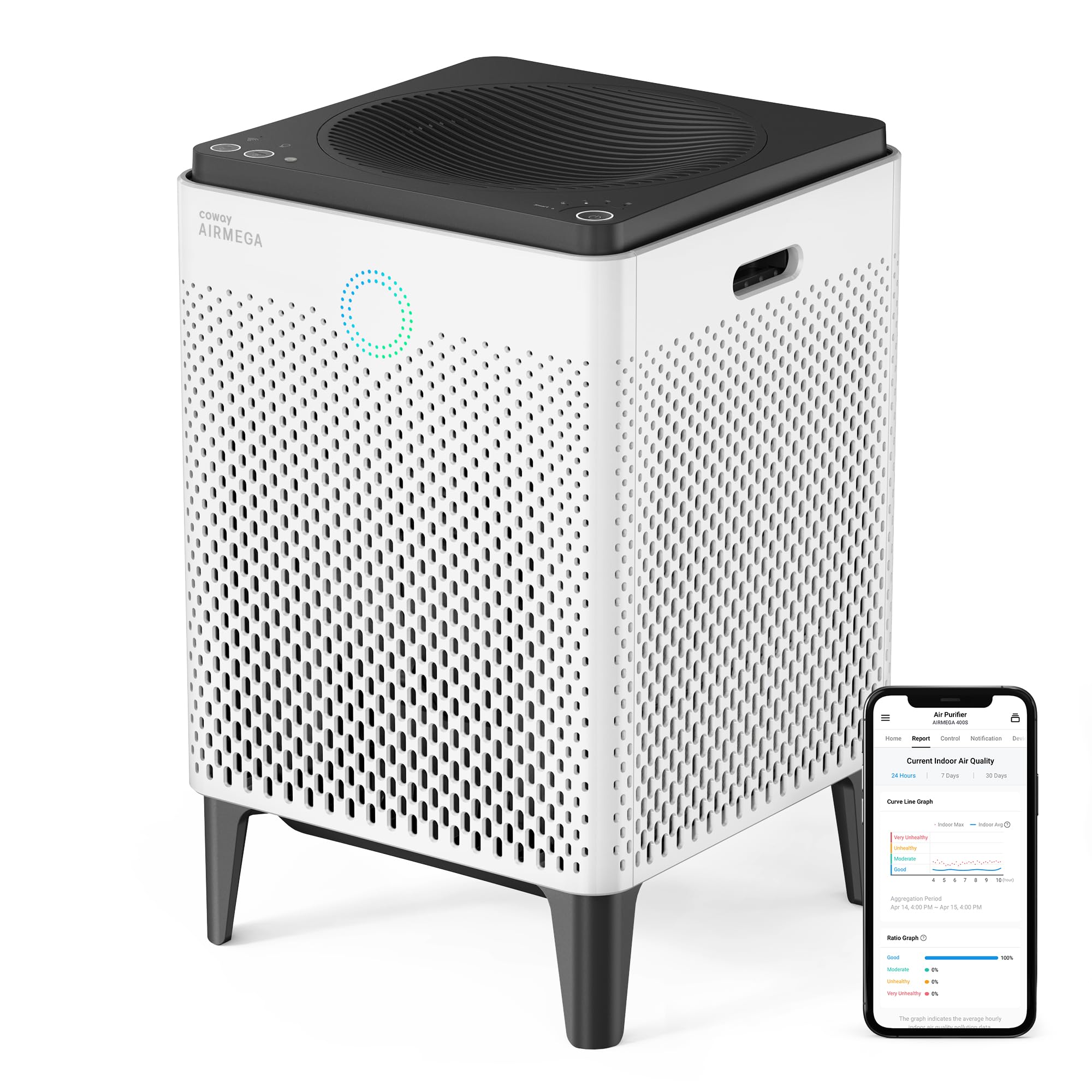
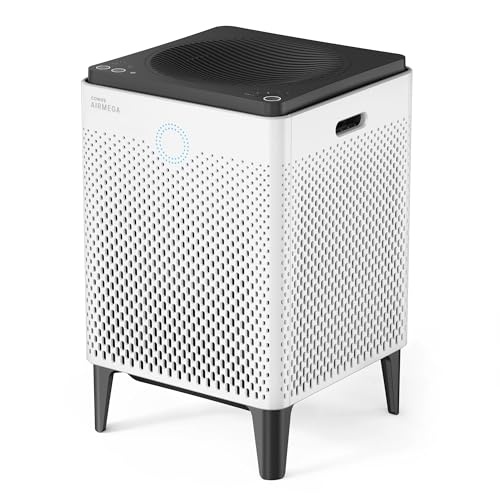
Best Premium Pick: Coway Airmega 400
The Coway Airmega 400 is for large open floors, basements or homes with heavy allergy loads, and it costs around $630. Coway lists coverage of up to 3,120 square feet in 60 minutes, with a washable pre filter, an active carbon layer and a HEPA filter stacked in each of its two filter sets.
The appeal is raw capacity without constant noise: Smart Mode adjusts the fan to the measured air quality, and Eco Mode stops the fan once the air has stayed clean for 30 minutes. The downside is running cost, since you replace two large filter sets instead of one. Skip it if you only need to clean one bedroom, because two midrange units would cost less and cover two rooms.
What Your Money Gets You at Each Price Tier
Price tiers on Amazon US break down into three clear bands. The cut points below come from what current HEPA units sell for, not list prices.
Budget Tier: What to Expect
Under around $120 you get compact cylinders and towers rated for rooms of roughly 150 to 300 square feet. Most use a single combined filter with a thin carbon wrap, a mechanical fan dial or simple touch buttons, and a timer.
What you give up is sensing. Few budget units include an air quality sensor, so you pick the fan speed yourself. Carbon content is light, which limits odor control, and the fan has to run on a higher speed to keep up in anything larger than a bedroom.
These small room units are ideal for a bedroom, a dorm or a home office. They are also a smart way to see whether air cleaning helps your allergies before spending more. If a budget model makes a clear difference in one room, you can add a second one later or step up to a midrange unit for the living area.
Midrange Tier: The Sweet Spot for Most Buyers
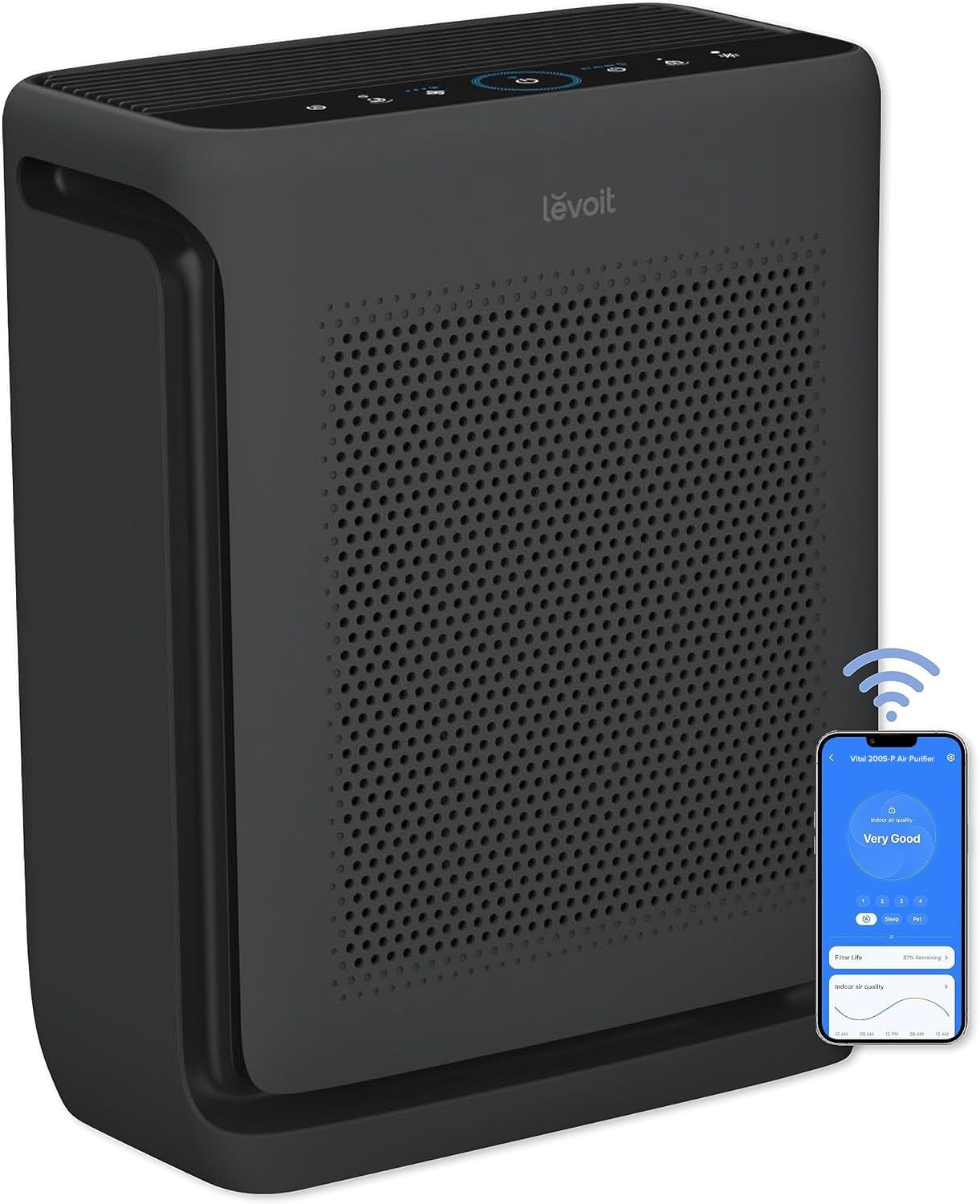
Between around $150 and $300 the value jumps. You get coverage for 350 to 500 square foot rooms at a comfortable fan speed, auto mode with a particle sensor, a separate or thicker carbon stage and, often, app control.
This is where most families land, because one unit can handle a living room while staying quiet. You also start to see smart sensors that read PM2.5 in real time and show the result as a color ring or a number, which helps you notice when cooking or a dusty chore spikes the air.
Midrange machines are the easiest to live with day to day. The Winix 5510, the Coway Airmega Mighty2 and the Levoit Vital 200S P in the table all sit here. Filter prices are still reasonable, and many models have washable pre filters that extend the life of the main filter.
Premium Tier: When Spending More Pays Off
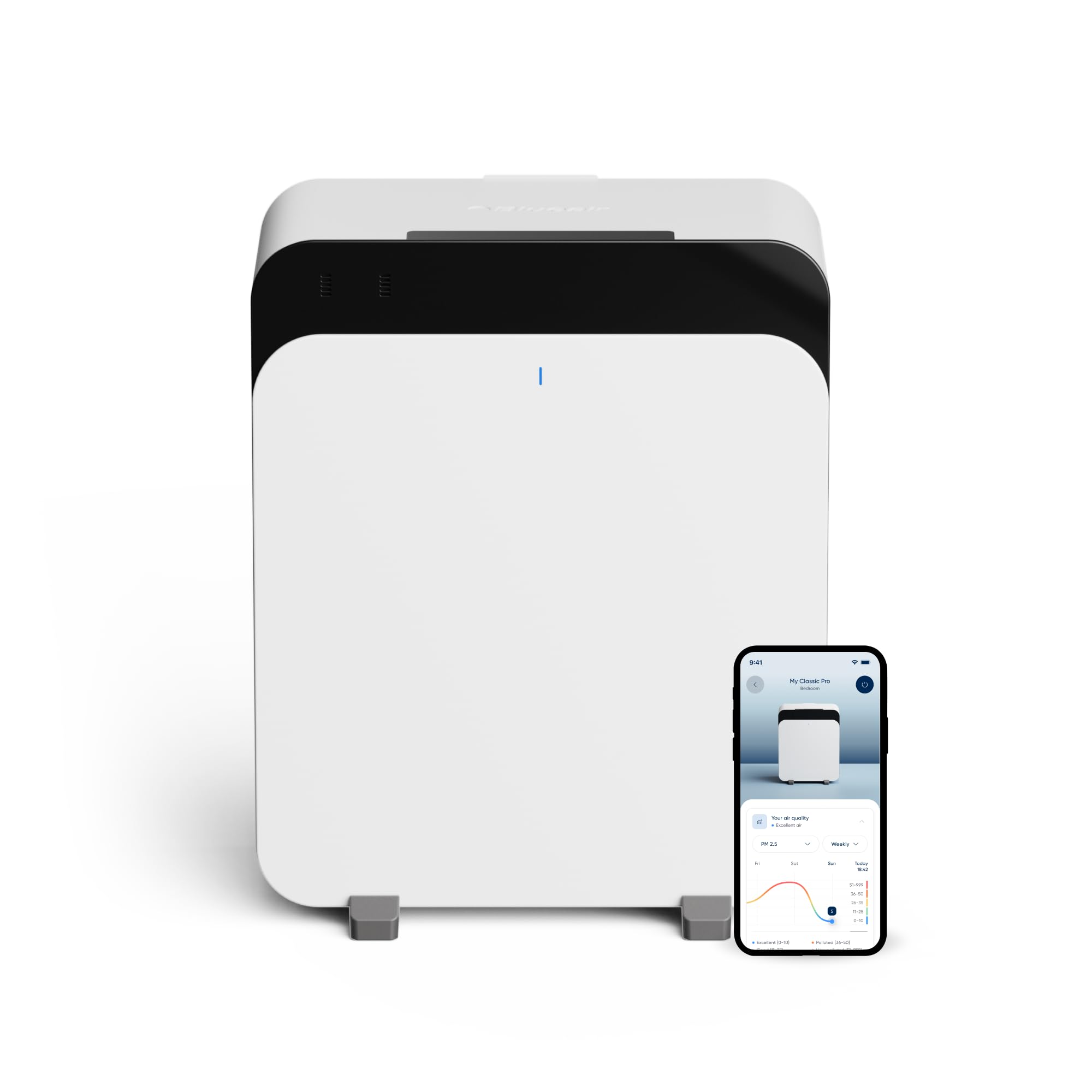
Above around $350 you pay for capacity, heavier carbon beds, sealed housings and design. Large units such as the Coway Airmega 400 or the Blueair Classic Pro CP7i clean big open spaces quickly at low fan speeds, so they stay quiet while doing a lot of work.
Spending more pays off for open plan homes, households with smokers or wildfire smoke, and people with severe allergies who want several air changes per hour. Large room/whole home units also tend to have sturdier housings, better seals around the filter and longer warranties, so they keep their rated performance for years. Fan and heater combos from Dyson also live here, but part of their price goes to the fan and heater functions rather than to filtration.
Air Cleaners: Features Worth Paying For (and Ones to Skip)
Some features change how clean your air gets. Others only change the price tag. Here is how to tell them apart, and at which price tier each one usually appears, so you can decide where your budget goes furthest.
Installation and Placement
Portable air cleaners need no installation; you plug them in. What matters is clearance. Most makers ask for space around the intake and outlet, so a unit tucked behind a sofa or in a corner moves far less air than its rating suggests.
Whole house electronic air cleaners, such as the Honeywell and Aprilaire units sold for HVAC systems, are a different category. They mount in the return duct and usually need an HVAC professional, which adds to the cost but cleans every room the system serves.
A practical placement tip for portable units: put the machine between the main source of particles and where you breathe. In a bedroom that means near the bed but not blowing straight at your face; in a living room near the sofa, away from walls and curtains.
Filter Type and Replacement Cost
True HEPA is worth paying for: it captures 99.97 percent of particles at 0.3 microns, which covers pollen, dust and pet dander. Activated carbon is the second layer to look for if you deal with cooking smells, smoke or pets, and thicker carbon beds work longer.
Before you buy, look up the replacement filter price and how often the maker recommends changing it. A cheap purifier with costly filters can end up more expensive over three years than a midrange model with a washable pre filter.
Room Size and Coverage
Ignore the biggest square footage number on the box. That figure often means one air change per hour, which is too slow for allergies. Look for the AHAM CADR or the "verified" room size, then aim for four to five air changes per hour in the room you use most.
A simple rule: choose a CADR at least two thirds of the room's square footage. A 300 square foot bedroom wants a smoke CADR of roughly 200 CFM. Air conditioner BTU ratings have nothing to do with purifier sizing, so do not mix the two up when comparing combo machines.
Safety Features
Look for ETL or UL listing on the product page or the unit's label, which shows the electrical design was checked against North American safety standards. Machines with heaters, such as fan and heater purifiers, should also have tip over and overheat shutoff.
If you are sensitive to ozone, avoid units that rely on ozone generation and check whether any ionizer can be turned off. AHAM Verifide performance claims and CARB compliance for California both signal a maker that submits products for outside checks.
Noise Level (dB) and Sleep Mode
Noise decides whether you keep a purifier running. A unit that hits 50 dB or more at the speed you need will end up switched off at night. Compare the decibel rating at the speed that gives you enough CADR, not only the whisper quiet sleep figure.
For bedrooms, a dedicated sleep mode, a dimmable or off display and a quiet auto mode are worth a little extra. Oversizing helps too: a bigger unit on low speed is often quieter than a small one on high. Features to skip if money is tight include app control you will rarely open, decorative lighting and fragrance pads, none of which improve filtration.
Long Term Costs to Factor In
The sticker price is only the start. Over three years most owners spend on replacement filters, electricity and sometimes a pre filter or carbon refresh. Main HEPA filters for budget units are inexpensive, while premium machines with two filter sets can cost as much per year as a budget purifier.
Electricity is modest. A unit drawing about 50 watts around the clock uses roughly 1.2 kWh a day, which is about $5 to $6 a month at typical US rates, and far less on auto mode. ENERGY STAR certified models use noticeably less power for the same airflow, which adds up over years of daily use.
Check the warranty as well. Coway lists five years on the Airmega 400 and three years on the Mighty2, which reduces the risk of a costly repair. A simple way to compare total cost is to add the purchase price to three years of filters, then divide by the square footage the unit really covers at a quiet speed.
FAQs
How often should I replace the filter?
Most HEPA filters need replacing every 6 to 12 months, depending on the model and your air. Homes with pets, smokers or wildfire smoke reach the end sooner. Use the filter life indicator as a guide, rinse washable pre filters monthly, and replace the main filter when airflow drops or odors return. Always buy the maker's genuine filter so the seal fits.
Is it expensive to run 24/7?
No, running a purifier around the clock usually costs a few dollars a month. A typical unit uses 20 to 60 watts on medium speed and much less in auto or eco mode. Filters are the bigger expense, so the real cost depends on how quickly your air loads the filter and what the replacements cost.
Do air cleaners really work?
Yes, HEPA air cleaners remove airborne particles such as pollen, dust and pet dander when sized for the room. They do not remove particles that have settled on floors or furniture, so regular cleaning still matters. Carbon stages help with odors and some VOCs. For allergies or asthma, ask your doctor how a purifier fits your treatment plan.
What size do I need for my room?
Pick a unit whose smoke CADR is at least two thirds of the room's square footage. A 150 square foot bedroom needs about 100 CFM, a 300 square foot room about 200 CFM and a 450 square foot living room about 300 CFM. For allergies, choose the next size up so it can run quietly while delivering four to five air changes per hour.
Where is the best place to put it?
Place the air cleaner in the room where you spend the most time, ideally close to where you sit or sleep. Keep a foot or two of clear space around the intake and outlet, raise small units off the floor if the maker allows it, and keep it away from curtains. Moving it between rooms works if you only own one, as long as you give it 30 minutes or so to clear the air before you settle in.
The Bottom Line
When you compare the best air cleaners, three things decide the result: a CADR that fits your room, a true HEPA filter with enough carbon for your odors, and a noise level you can live with every night. A budget unit like the Levoit Core 300 is perfect for a bedroom. The midrange Winix 5510 covers most living rooms. The Coway Airmega 400 is worth it for large open floors.
For more options by need, see our guide to the best air purifier picks, our list of the best air purifier for bedroom use, our look at the best whole house air purifiers, our best air purifier for smoke guide and the best air cleaners and purifiers roundup. Then check the product table above for current prices.