Best Boat Cushions Made Simple: A Clear Buying Guide for 2026
Disclosure: We may earn a commission when you buy through links on this page, at no extra cost to you. As an Amazon Associate I earn from qualifying purchases. Learn more

New to buying boat cushions? Our simple guide to the best boat cushions explains the basics, key specs, and smart tips so your first purchase is the right one.
Buying boat cushions for the first time feels harder than it should, because sizes, foam types and cover materials all vary from one boat to the next. The best boat cushions for you are simply the ones that fit your seats, shed water instead of soaking it up, and stay comfortable through a full day on the water.
This guide starts with the basics, then explains each key spec in plain English, from vinyl and foam to seams and fasteners. Use the comparison table below to see how the main cushion styles differ.



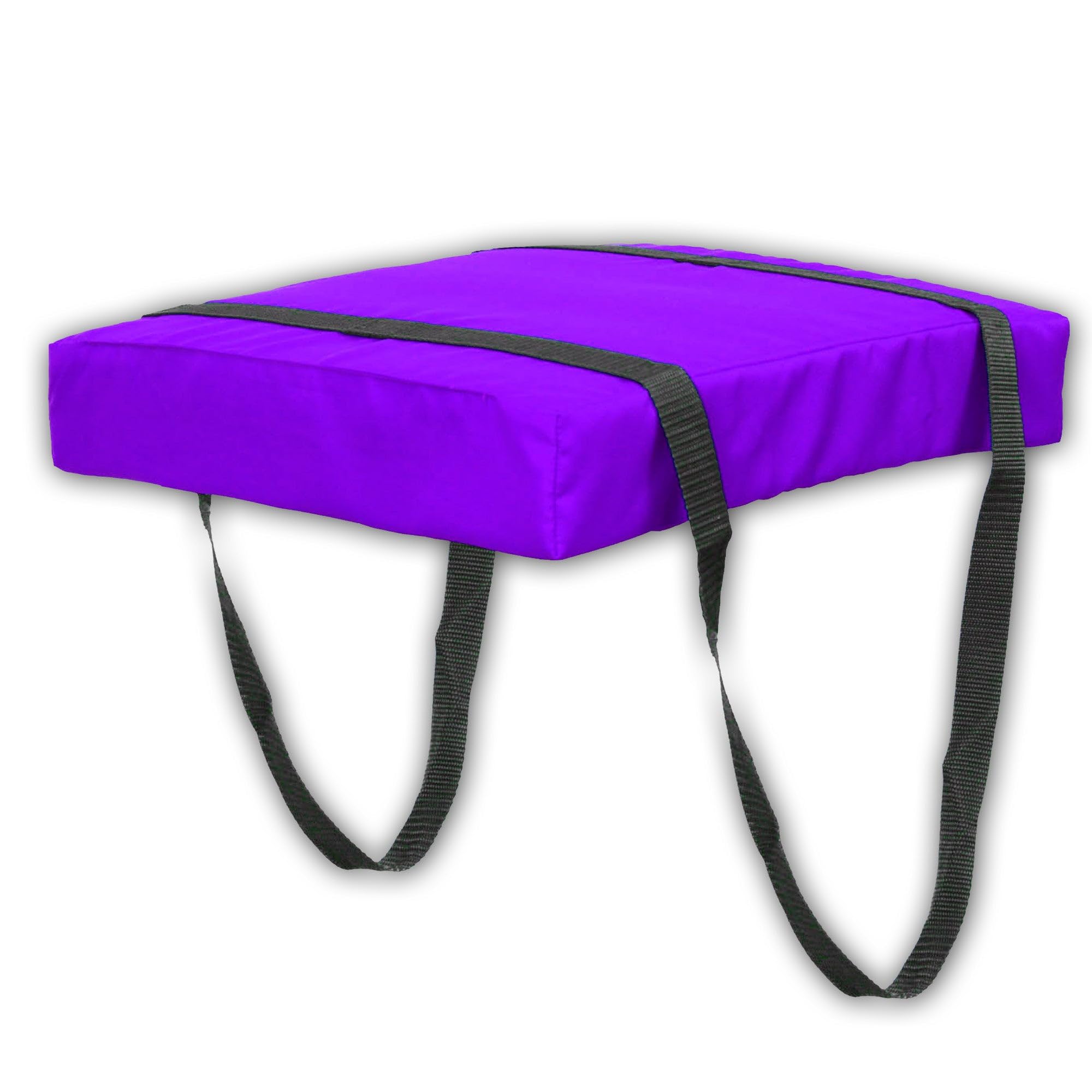

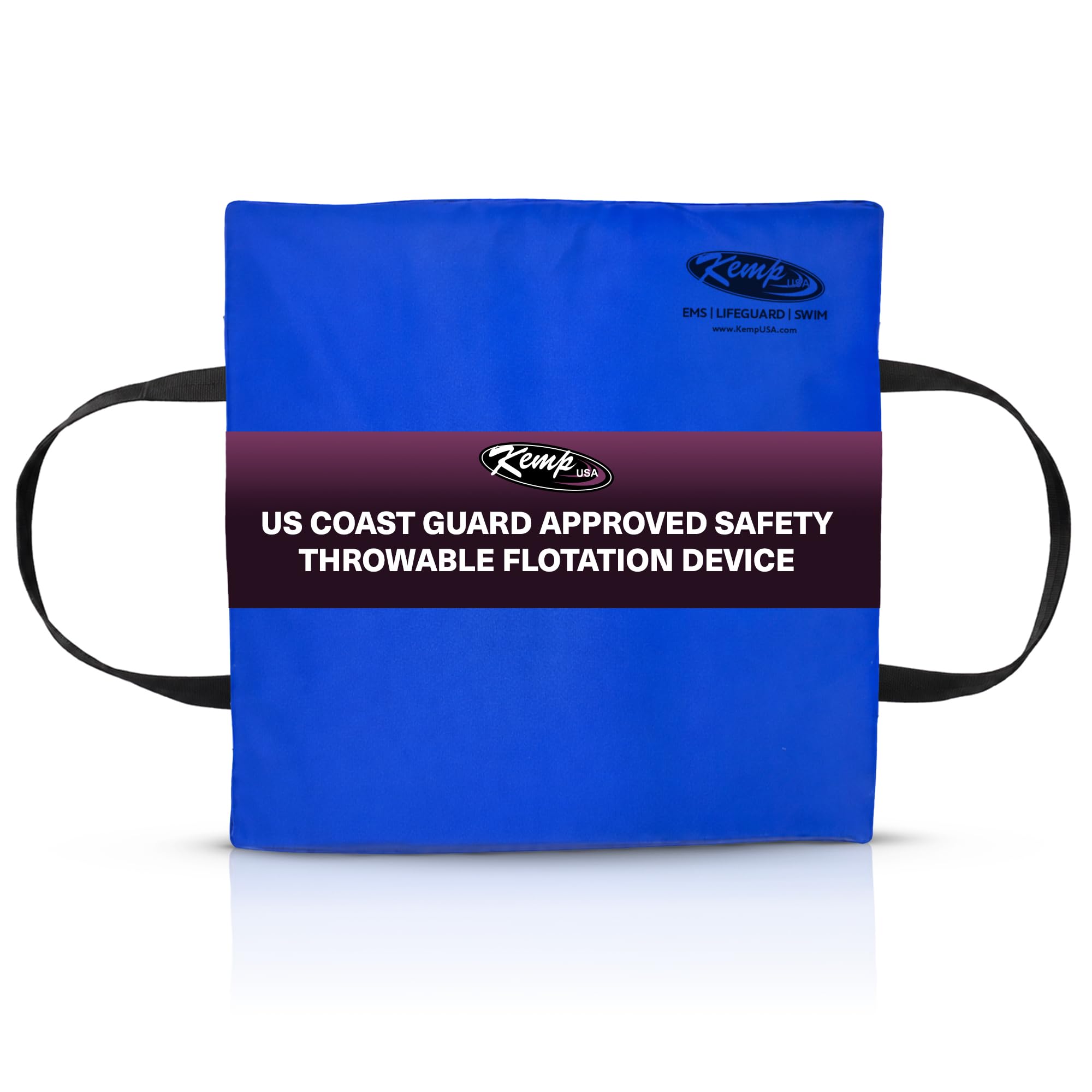
Boat Cushions 101: The Basics for First Time Buyers
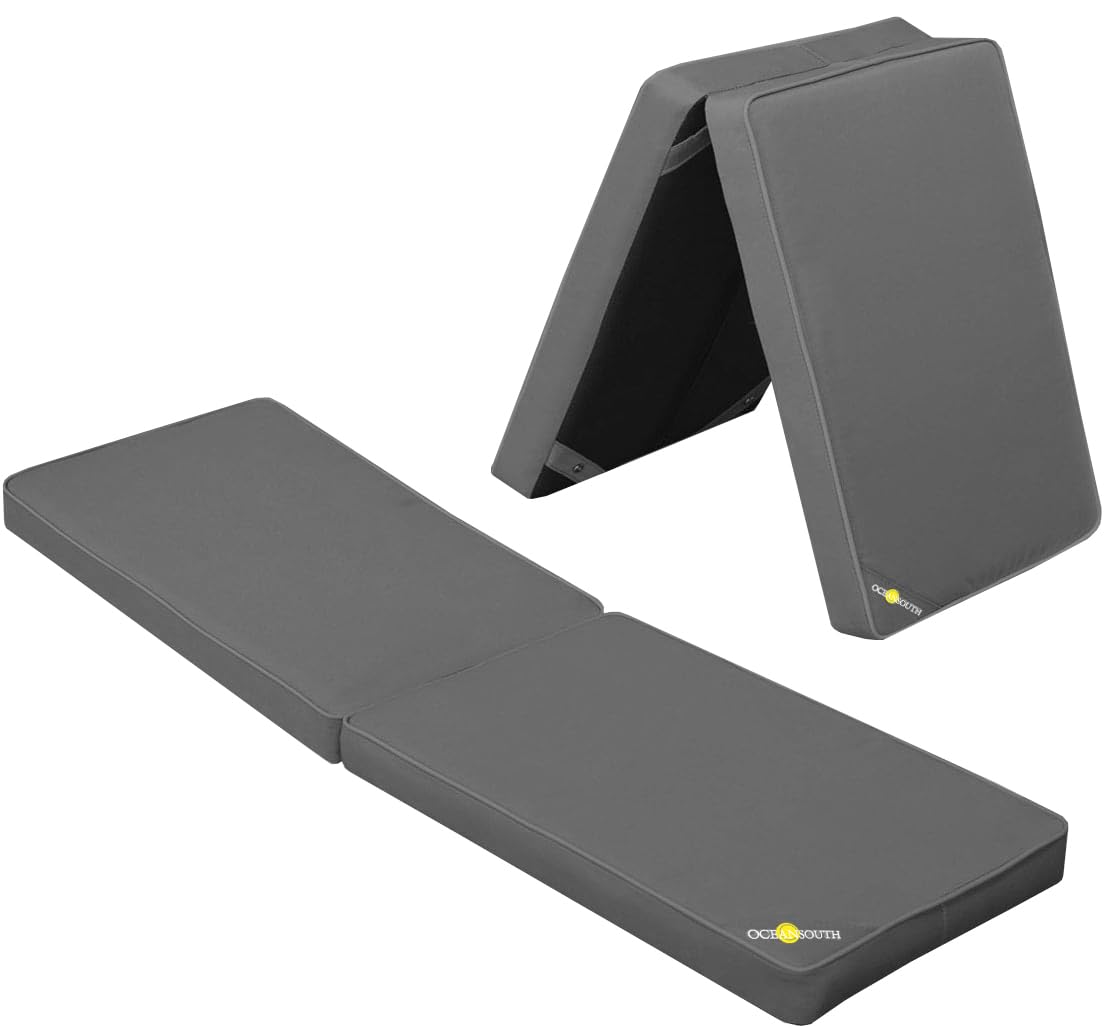
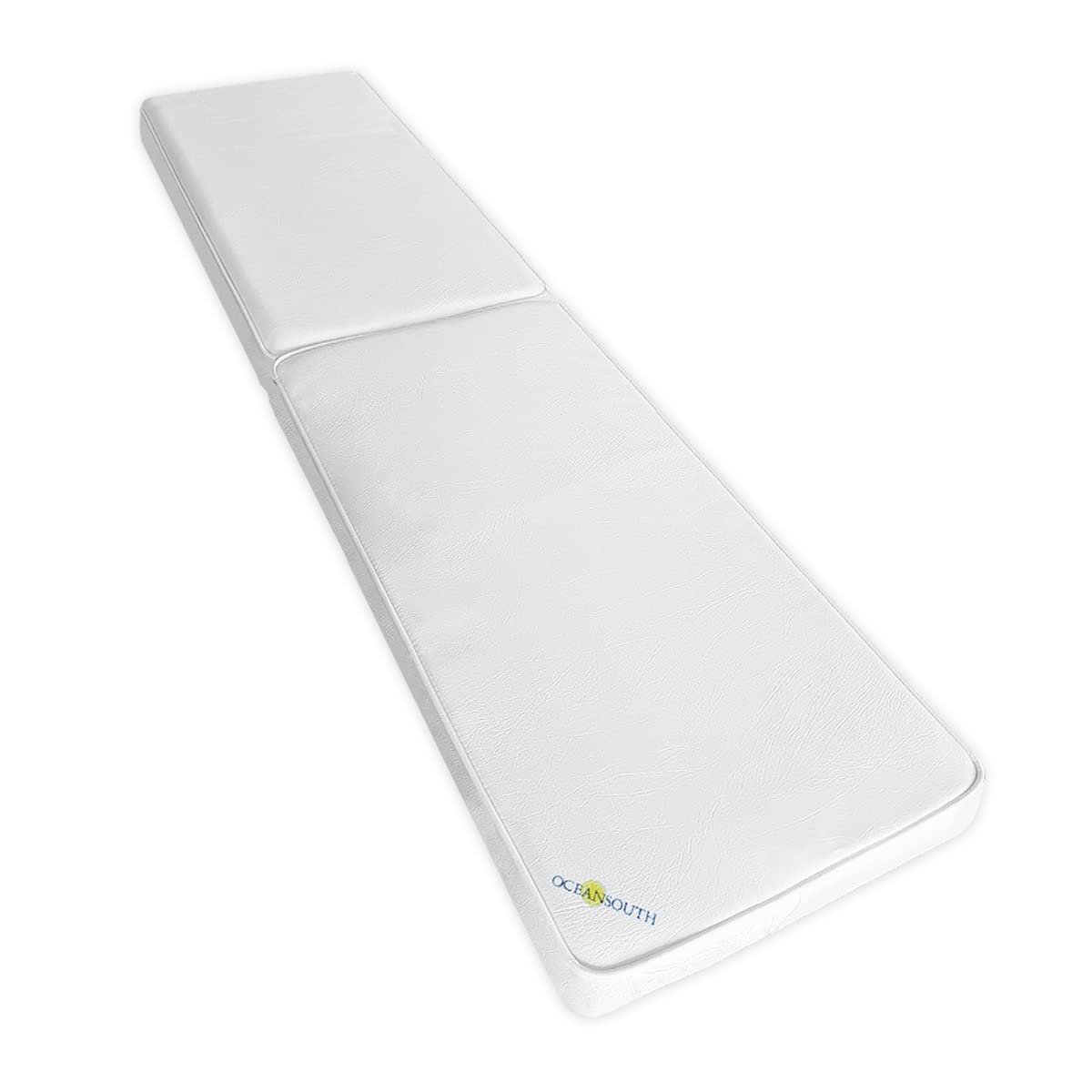
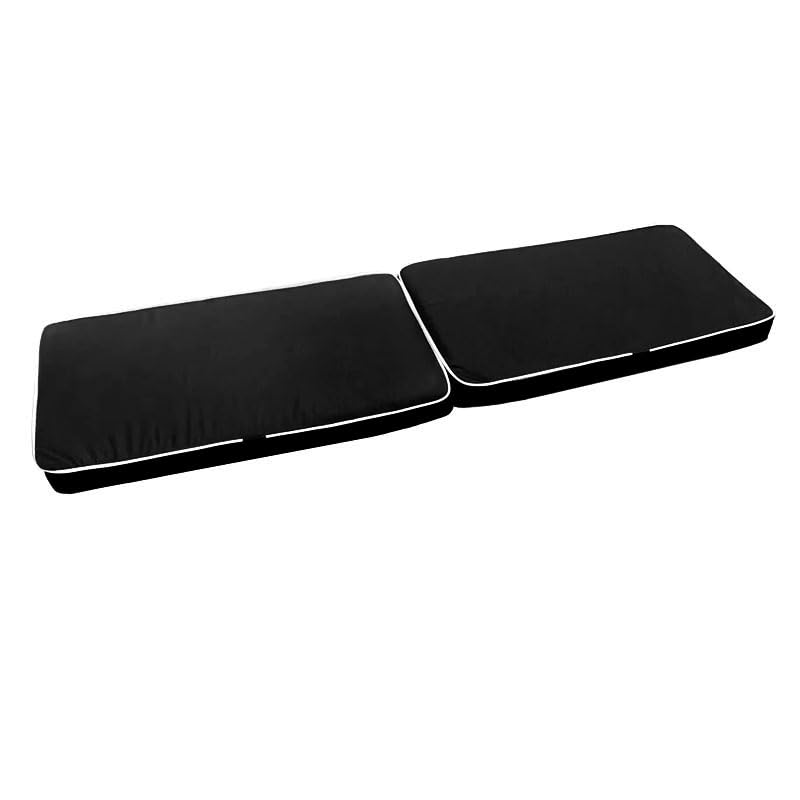
A boat cushion is a foam pad covered in a water resistant shell, shaped to sit on a bench, bow seat, helm chair or sun pad. It softens a hard fiberglass or wood seat and protects that surface from shoes, tackle and constant sun. Unlike a household cushion, it must survive spray, rain, sunscreen and long hours of ultraviolet light.
Cushions are sold as single pads, as matched sets for a whole cockpit, and as custom pieces cut to a pattern you provide. Simple pads may cost about $30 to $80 each, while a full bench set can run about $200 to $600. That simple job is why choosing the best boat cushions is mostly about fit, foam and cover material.
Cushion Specs Decoded: Vinyl, Foam and Seams
Cover Material and Fill for Boat Cushions
Most covers are marine grade vinyl, a coated fabric built to resist sun, salt water and mildew far better than indoor fabrics can. Vinyl with a smooth, tight grain wipes clean easily and shrugs off fish slime and spills, while softer textured vinyl feels nicer against bare legs but can hold dirt in its grain. Inside, the fill is foam, and its type matters more than the cover for comfort and drying. To compare cover options in depth, see our guide to the best material for boat cushions.
Foam Type, Density and Thickness for Boat Cushions
Closed cell foam absorbs almost no water, so it suits seats that get drenched, but it feels firm. Open cell foam feels softer, yet it can hold water like a sponge unless it is the quick dry reticulated kind, which lets water pass straight through. Density describes how much support the foam keeps over time, and thickness usually runs 2 to 4 inches, with helm seats at the thicker end. For a deeper look, see our guide to the best foam for boat cushions.
Size and Fit for Benches, Bow Seats and Helm Chairs
Fit decides whether a cushion feels made for your boat or always slightly wrong. Measure the seat base from side to side and front to back, then note any curves, hinges, latches or cup holders the cushion must clear. A cushion even an inch too wide will bunch at the corners, while one too narrow slides and leaves hard edges exposed. Backrests need their own height and angle checked, since a leaning backrest rarely matches a flat pad.
Seams, Zippers and Drainage on Boat Cushions
Seams are where water gets in, so look for welded seams or tightly stitched seams with the thread protected from sun. A zipper on the underside lets you remove the foam for drying or replacement, and it should be plastic rather than metal so it cannot corrode. Many good cushions add a mesh panel or drain holes on the bottom face, giving trapped water a way out.
Sun, Mold and Mildew Resistance on Boat Cushions
Sunlight slowly breaks down cheap vinyl, leaving it stiff, faded and cracked, so look for covers rated for long outdoor exposure. Mold and mildew grow in foam that stays damp, which is why antimicrobial foam and a cover that dries quickly matter in humid climates. Light colors reflect heat and feel cooler on bare skin at midday, but they show dirt sooner than navy, gray or tan. Pick a color you can live with cleaning.
Picking the Right Boat Cushions for Different Uses
Family Pontoon and Deck Boat Owners Who Sit for Hours
If your passengers settle in for long, slow cruises, comfort comes first, so choose thicker foam with a softer top feel and wide bench cushions with supportive backrests. Smooth vinyl in a medium color balances easy cleaning after snack spills with a surface that does not scorch legs in the sun. Measure every bench separately, because pontoon seating often mixes straight and corner sections.
Anglers and Center Console Owners Who Move All Day
Fishing crews stand, lean and sit in short bursts, so firmer, thinner cushions work better than plush ones, and a leaning pad at the helm earns its place. Closed cell foam suits seats that take spray and bait spills all day. Prioritize secure fasteners here, because cushions on a fishing boat get stepped on, kicked and shifted far more than on a cruiser.
Best Waterproof Boat Cushions: Tips for First Time Buyers
Truly waterproof cushions combine a cover that water cannot soak through with foam that does not absorb what little gets past the seams. Look for welded seams, an underside zipper, and quick dry or closed cell foam inside, since a waterproof cover over sponge like foam still traps moisture. If waterproofing is your top priority, see our guide to the best fabric for boat cushions for how coatings differ.
Common Mistakes to Avoid With Boat Cushions
- Buying indoor or patio cushions for a boat, because their foam soaks up water and their fabric fades and mildews within one season.
- Ordering from the boat model name alone without measuring, because seat sizes change between model years and your cushions arrive the wrong shape.
- Choosing the thickest foam for every seat, because an overly tall helm cushion raises you above the wheel and strains your reach.
- Ignoring the fasteners, because an unsecured cushion slides underfoot in a wake and can blow overboard at speed.
- Storing cushions wet in a closed locker, because trapped moisture grows mildew that stains the vinyl for good.
Getting Started: Measuring, Fitting and Securing Boat Cushions
Start by cleaning the seat bases and measuring each one twice, writing down width, depth and any angle or curve. Lay the new cushions in place before removing any tags, sit on each one, and check that hinges still open, latches still catch and walkways stay clear. A cushion that blocks a storage lid will annoy you every trip.
Next, attach the fasteners the set provides, usually snaps, straps or hook and loop pads on the underside. Snaps hold best in rough water but need the matching stud fixed to the seat, while straps suit cushions you remove often. Press each snap fully closed and tug the cushion; it should not shift. Keep your measurements with your boat papers so reordering one damaged cushion later takes minutes.
Care and Maintenance of Boat Cushions
After each trip, rinse cushions with fresh water to remove salt and sunscreen, then stand them on edge in the shade so both faces dry. Wash grime with mild soap, warm water and a soft cloth. For products that are safe on marine vinyl, see our guide to the best cleaner for boat cushions.
Store cushions dry, indoors or under a breathable boat cover, never sealed in plastic while damp. Once or twice a season, unzip the covers where fitted and check the foam for dark spots, crumbling edges or a sour smell, all signs it is breaking down. Shade and dryness do more for cushion life than any protectant spray.
Frequently Asked Questions
Do light colored boat cushions really stay cooler in direct sun?
Yes, light colors reflect more sunlight, so a white or pale tan cushion can feel noticeably cooler on bare legs than a navy or black one at midday. The tradeoff is upkeep, since light vinyl shows dirt, dye transfer from towels and clothing, and mildew spots sooner. If you choose a pale color, keep a mild cleaner on board for quick spot cleaning before stains set.
How often should I replace boat cushions?
Replace a boat cushion when the foam no longer springs back, the vinyl cracks or peels, or seams split open, which often happens after about five to eight seasons of regular use. A simple test is to kneel on the cushion; if you feel the hard seat base straight through, the foam is finished. Replacing only the worn helm or bow piece is fine, since one new cushion rarely stands out badly.
How do I wash boat cushions safely without harming the vinyl?
Wash boat cushions with mild soap and warm water, using a soft cloth or a very soft brush, then rinse well and air dry fully. Avoid bleach, solvents and stiff brushes, because they strip the protective coating on the vinyl and open the surface to stains and cracking. Clean up sunscreen and fish residue the same day, since both get harder to lift once sun has baked them in.
Can boat cushions stay on the boat all season?
Yes, most marine cushions can stay in place all season if they dry between trips and sit under a cover when the boat is idle. The risk is a cushion left flat on a wet seat for weeks, where trapped moisture feeds mildew on the underside. On long breaks, stand the cushions upright or bring the most exposed bow pieces indoors.
What cushion firmness suits long days at the helm of a boat?
A medium firm cushion suits most helm seats, giving support without the numb feeling very soft foam causes after hours of sitting. If you stand as much as you sit, a firmer pad or a leaning cushion may suit you better. Cushions only help with general comfort; if you have ongoing back pain that worsens on the water, talk with your clinician about your personal needs.
Final Thoughts
For a first purchase, focus on three things: measure every seat before you order, match the foam to how wet your seats get, and choose marine vinyl that can handle sun and mildew. Those decisions matter far more than color or small style details. When you are ready to compare styles, look back at the product table above and choose the best boat cushions that fit your measurements, your water and your budget.