Best Cleaner for Outdoor Cushions by Budget for 2026
Disclosure: We may earn a commission when you buy through links on this page, at no extra cost to you. As an Amazon Associate I earn from qualifying purchases. Learn more

Compare the best cleaner for outdoor cushions by budget, from simple sprays to concentrates, and learn which features are worth paying for at each price level.
Outdoor cushions take a beating from sun, rain, pollen, and everyday use, so choosing the best cleaner for outdoor cushions for your fabric and your budget saves both time and frustration. Prices on the market range widely, from a few dollars for a basic spray to much more for a large concentrate, and a higher price does not always mean a better result. The comparison table below sets out the main options side by side, so you can see where spending more genuinely helps and where a simple product does the job.
This guide compares cleaners by price level, explains which features matter for outdoor fabrics, and covers safe use around children and pets. It does not rank individual products, because the right choice depends on your cushion fabric, the kind of dirt you face, and how much cleaning you are willing to do. Read the care label on your cushions first, then match a cleaner type to that fabric and to the stains you see most often.




Spending Levels Compared
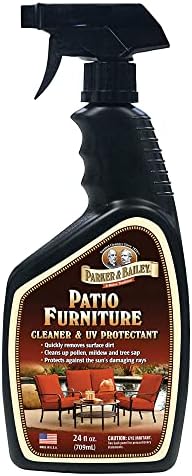
Budget cleaners, usually about $5 to $12 for a ready to use spray, handle light dirt, dust, and fresh spills well on sturdy outdoor fabrics. They suit cushions that are cleaned often and never left dirty for weeks, because regular light cleaning stops grime from setting into the weave. If your cushions live under a covered porch and only need a seasonal refresh, a budget spray plus a soft brush is often all you need.
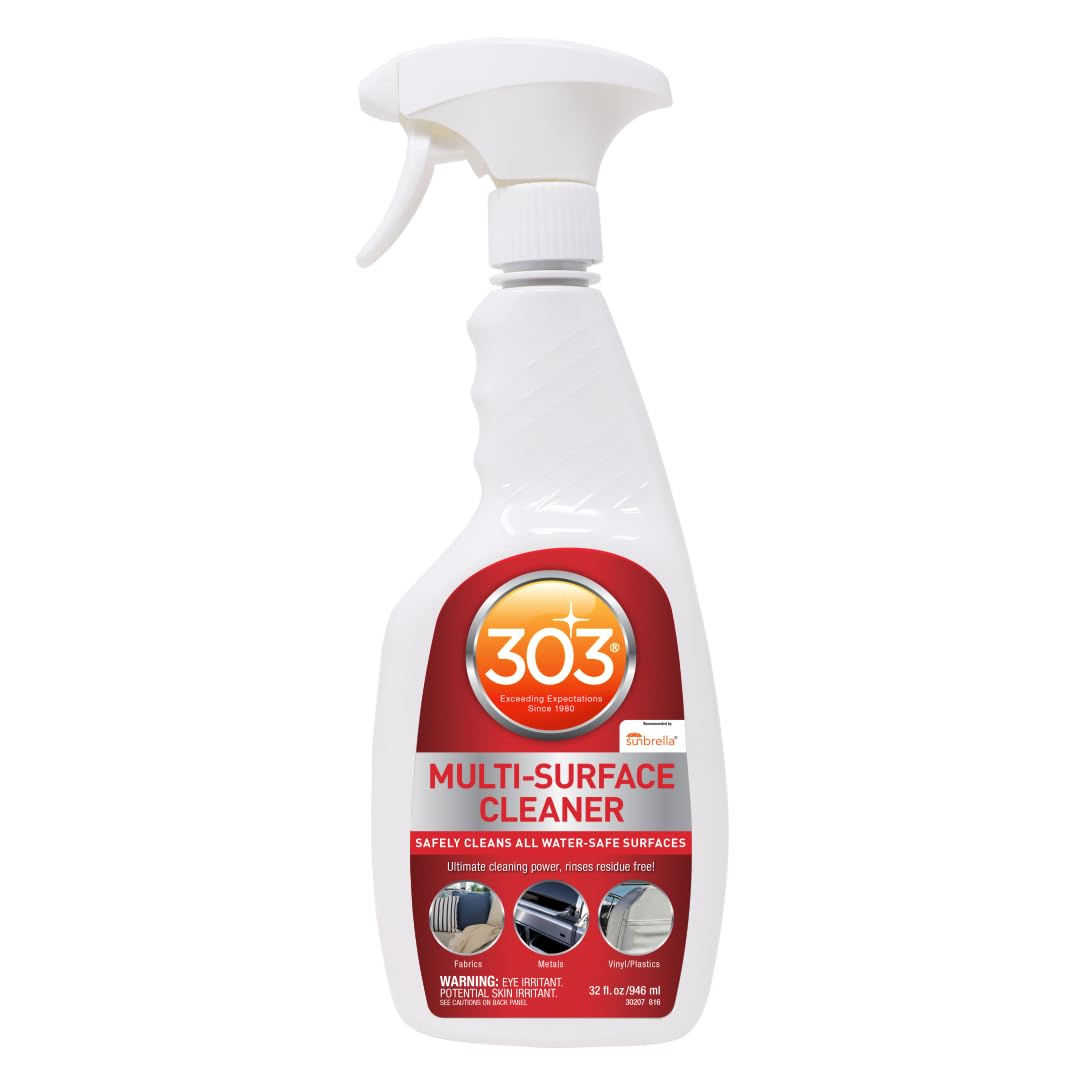
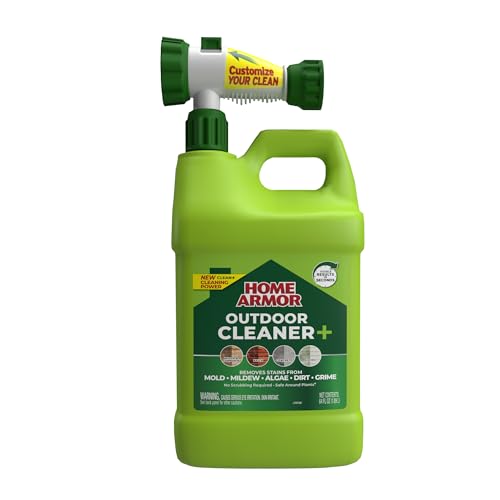
Midrange cleaners, usually about $12 to $25, add stronger stain lifting power, larger bottles or concentrates that dilute to several gallons, and formulas made for mildew marks, bird droppings, and ground in pollen. They suit uncovered cushions that face rain and tree debris, and households that clean a full patio set at once rather than one cushion at a time. A concentrate at this level often costs less per use than a small spray, even though the bottle price looks higher.
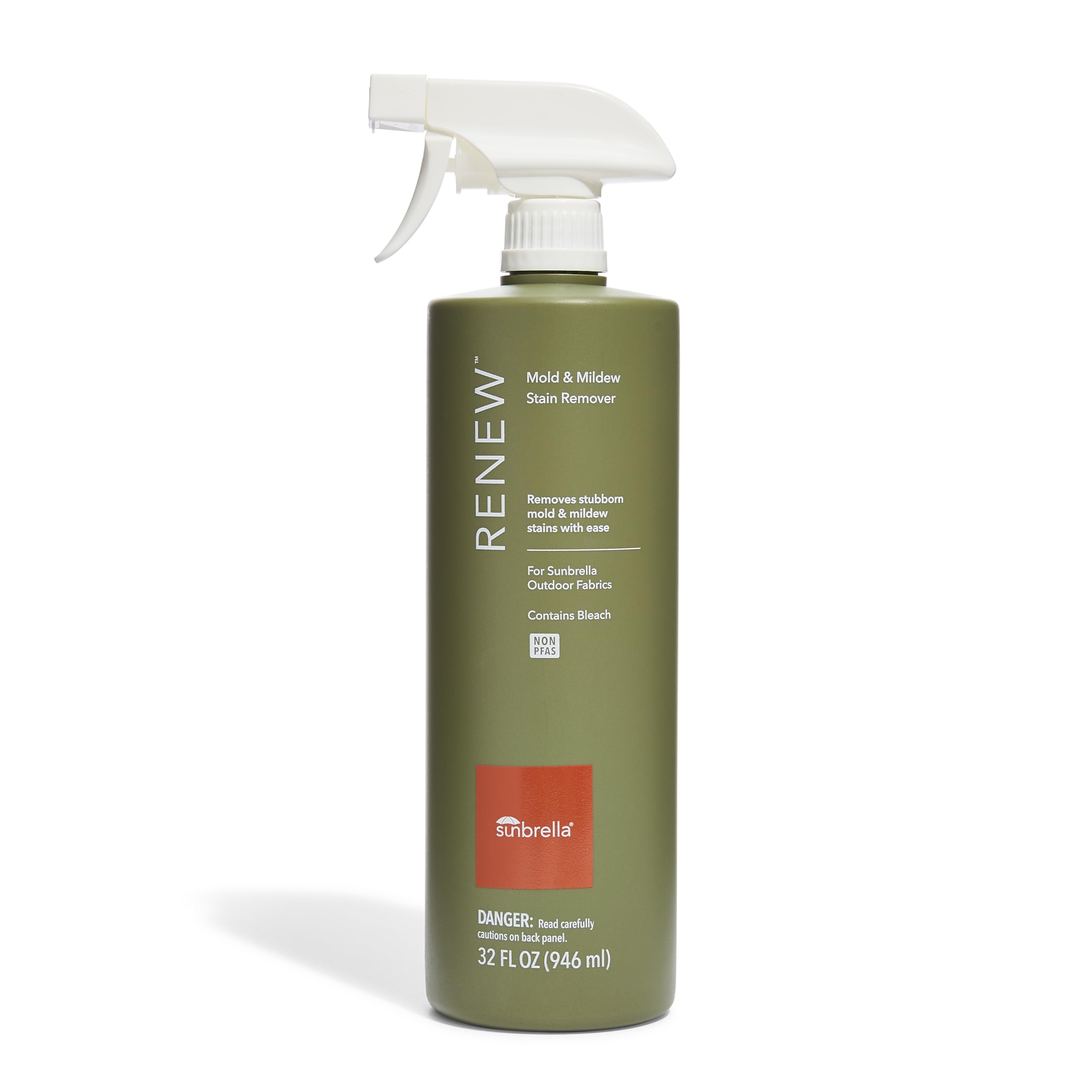
Premium cleaners, usually about $25 to $45 for a large concentrate or a specialist formula, add fabric protection, low residue rinsing, and ingredients chosen for delicate solution dyed fabrics. They suit expensive cushion sets, light colored fabrics that show every mark, and cushions with removable covers that you want to keep looking new for years. Spending at this level pays off mainly when the cushions themselves were costly, because the cleaner protects an investment rather than simply removing dirt.
| Price Level | Typical Price | What You Get | Best For |
|---|---|---|---|
| Budget | About $5 to $12 | Ready to use spray, light stain lifting | Covered cushions, frequent light cleaning |
| Midrange | About $12 to $25 | Stronger stain power, concentrates, mildew formulas | Uncovered sets, full patio cleaning |
| Premium | About $25 to $45 | Large concentrates, fabric protection, low residue | Costly or light colored cushion sets |
Features Worth Paying For (and Ones to Skip)
Effectiveness on the Specific Mess
The most important feature is a match between the formula and your actual mess, because a general spray may lift dust yet leave a mildew mark untouched. Look for a cleaner that names the problem you face, such as mildew, sunscreen, food grease, or tree sap, rather than one that promises to clean everything. For a closer look at fabric specific formulas, see our guide to the best fabric cleaner for outdoor cushions. Skip extra strength claims that do not name a stain type, since strength without a target often means harsher ingredients with no extra benefit for your cushions.
Surface Compatibility
Outdoor cushion fabrics differ far more than indoor fabrics, so check that the cleaner suits solution dyed acrylic, olefin, polyester, or cotton blends as listed on your cushion tag. Solution dyed acrylic tolerates most cleaners, while cotton blends and printed fabrics may fade or weaken with strong bleach based formulas. Test any new cleaner on a hidden seam or the underside of a cushion first, wait until it dries fully, and check for color change or stiffness before cleaning the whole set.
Format (Spray, Gel, Wipes, Concentrate)
Sprays suit quick spot cleaning, gels cling to vertical cushion backs and stubborn marks, wipes suit small spills on the go, and concentrates suit large sets and repeated deep cleaning. Concentrates usually cost less per gallon once diluted, but they need measuring, a bucket, and a rinse step, so they suit a planned cleaning session rather than a fast touch up. Wipes cost the most per use and suit travel or a single chair, not a full patio set, so skip bulk wipe packs for routine whole set cleaning.
Features That Matter for Outdoor Cushions
Outdoor cushions need a cleaner that rinses clean, because residue left in the weave attracts new dirt and can feel sticky in humid weather. Low residue and fragrance free options matter for cushions used for lounging close to the face, and a formula that needs only a short dwell time suits cushions that cannot stay wet for long. For the wider furniture context, see our guide to the best cleaner for outdoor furniture cushions. Skip added fragrance and brightening agents unless you value them, since they add cost without improving stain removal.
Choosing Cleaners for Your Situation
Match the cleaner to how your cushions are used, not only to the stain in front of you. Cushions on a sunny deck need mildew and pollen care, cushions near a grill need grease cutting power, and cushions by a pool need chlorine and sunscreen residue care. Households with children or pets should weigh a fragrance free, low residue formula more heavily, and keep every cleaner stored out of reach when not in use.
Best Homemade Cleaner for Outdoor Cushions
A homemade cleaner for outdoor cushions means a simple mix made at home rather than a store bought formula, and its value lies in low cost and full control over ingredients. A mild mix of warm water with a small amount of gentle dish soap suits light dirt on sturdy fabrics, while a paste of baking soda and water can lift surface marks before a full rinse. Homemade mixes suit fresh spills and routine washing, but they suit deep mildew or set in grease less well than a purpose made formula, so use them for maintenance and keep a stronger cleaner for stubborn stains. For patio specific advice, see our guide to the best cleaner for outdoor patio cushions.
How to Test and Use a New Cleaner Safely
Start by reading the cleaner label in full, including dilution, dwell time, and rinse directions, because outdoor fabrics react differently when a formula sits too long or dries on the surface. Test on a hidden area, then work in the shade so the cleaner does not dry mid treatment, brush gently with a soft brush, and rinse thoroughly with clean water. Never mix bleach with ammonia or acids, since the combination can create harmful fumes, and never mix two cleaners hoping for a stronger result. Work with ventilation outdoors, wear gloves, keep children and pets away until cushions are rinsed and fully dry, and store cleaners sealed and out of reach.
Long Term Costs to Factor In
The bottle price is only part of the cost, because brushes, rinse water, replacement covers, and repeat cleaning all add up over a season. Concentrates look costly at first yet often clean a whole set several times from one bottle, while small sprays need frequent replacement for the same job. Fabric quality also shapes cost, and for guidance on cushion quality itself, see our guide to the best quality outdoor cushions. A cleaner that protects fabric and rinses fully can extend cushion life, which matters more than saving a few dollars on a harsh formula that fades or stiffens the fabric.
Cleaners: Your Questions Answered
What features matter most in cleaners for outdoor cushions?
The features that matter most are stain match, fabric compatibility, and clean rinsing, because those three decide whether a mark lifts without harming the cushion. A formula aimed at your actual stain, tested safe for your fabric type, and rinsed fully leaves the cushion clean, soft, and ready for use. Fragrance, color, and bottle design matter far less, and a long list of extra claims often hides a weak stain match. Start with the cushion care label, then choose the simplest formula that names your stain and your fabric.
What should never be mixed together?
You should never mix bleach with ammonia or acids, including vinegar and many toilet bowl or limescale products, because the mixture can release fumes that irritate the lungs and eyes. You should also avoid mixing two different cleaners together, since the combination can cancel out cleaning power, damage fabric, or create unexpected reactions. Use one product at a time, rinse fully between products if you switch, and read both labels before combining anything. When in doubt, use plain water for the rinse step and start fresh with a single cleaner.
Is it safe to use around kids and pets?
Most outdoor cushion cleaners are safe around children and pets once the cushion is rinsed and fully dry, but the wet cleaning stage needs care and supervision. Keep children and pets away while you spray, brush, and rinse, store bottles sealed and out of reach, and choose a fragrance free, low residue formula for cushions that children lie on. Rinse twice when a cushion will contact skin, and let it dry fully in moving air before use. If a child or pet contacts a wet cleaner, rinse the area with water and follow the label first aid directions.
How often should I use it?
Most outdoor cushions benefit from a light cleaning every two to four weeks during the season, plus spot cleaning as soon as a spill happens, because fresh marks lift far more easily than set in stains. Uncovered cushions in rainy or wooded yards may need cleaning every one to two weeks, while covered porch cushions may need only a monthly wipe and a deep clean at the start and end of the season. Deep cleaning too often can wear fabric, so match frequency to visible dirt rather than a fixed schedule. Always let cushions dry fully between cleanings.
Are natural cleaners as effective?
Natural cleaners can match standard cleaners for light dirt, dust, pollen, and fresh spills, especially when paired with brushing and a thorough rinse. They often work more slowly on set in mildew, grease, or sunscreen marks, where a purpose made formula with stronger stain lifters may do the job in one pass. For routine care, a plant based or fragrance free cleaner is a sound choice, while stubborn stains may still need a stronger product used carefully. Judge by the stain result on your own fabric, not by the label claim alone.
The Bottom Line
Choose by stain match, fabric compatibility, and clean rinsing first, then let price level follow how much cleaning your cushions truly need. Budget sprays suit covered sets and frequent light cleaning, midrange concentrates suit uncovered sets and bigger jobs, and premium formulas suit costly or light colored sets worth protecting. The best cleaner for outdoor cushions for your home is the one you will use correctly, rinse fully, and store safely, so check the product table above once more before you decide.