Best Chef Knife for Vegetables (2026): Edge, Curve and Steel
Disclosure: We may earn a commission when you buy through links on this page, at no extra cost to you. As an Amazon Associate I earn from qualifying purchases. Learn more
How to choose the best chef knife for vegetables: a thin edge, the right curve and steel that stays sharp.
A weeknight dinner in a real home often starts the same way, with a pile of onions, carrots, peppers, and greens waiting on a board that may be smaller than you would like. The right best chef knife for vegetables makes that pile feel manageable instead of tiring. The comparison table below sums up the main types at a glance, organized by kitchen space, household size, and budget.
You do not need a large collection for vegetable work. One well chosen chef knife that fits your board, your storage, and your grip will cover slicing, dicing, mincing, and chopping for most meals. The sections below cover size, style, steel, shape, daily use, and care.


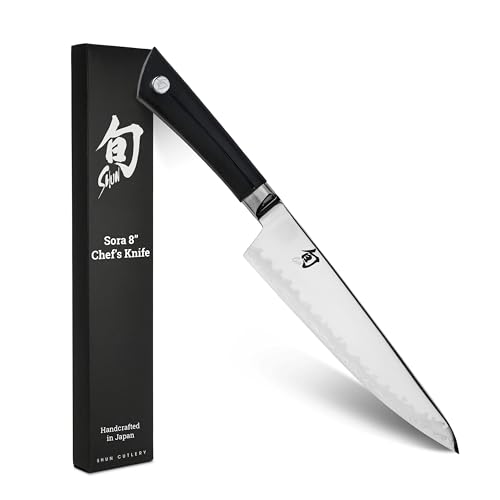

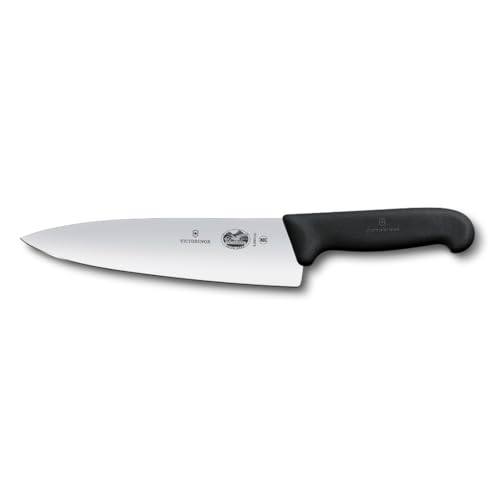
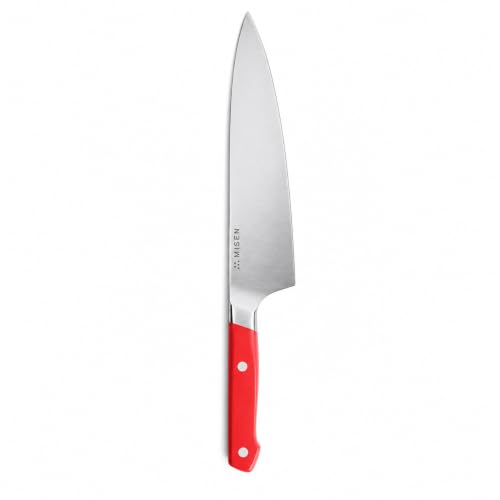
Quick Answer: The Main Types in 30 Seconds
For most homes, an 8 inch chef knife with a gently curved belly suits mixed vegetable prep, because the curve supports a smooth rocking motion for herbs and garlic while the flat rear section chops carrots and celery cleanly. If you prep large volumes of firm produce such as squash and cabbage, a longer and slightly heavier German style blade adds useful momentum.
Before You Buy: A Quick Checklist for Choosing a Chef Knife for Vegetables
Size: Match It to Your Space
Start with the board and storage you already own. A 6 inch blade suits small boards, tight counters, and cooks who mostly prep for one or two people. A 7 or 8 inch blade is the most flexible range for family meals, giving you enough edge for a halved cabbage while still feeling nimble. Blades of 9 or 10 inch, often listed as 210 mm or 240 mm, help with large squash but need a bigger board and more storage room.
Which Type Fits Your Routine
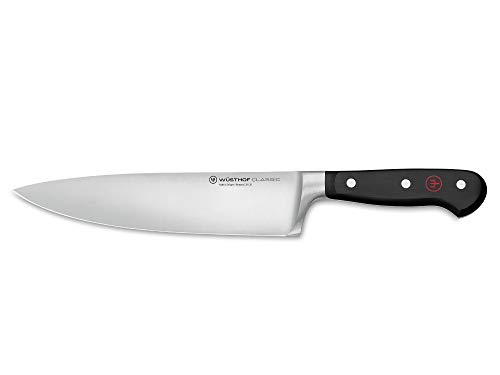
German style knives tend to be thicker and sturdier, with more curve for rocking and a build that tolerates firm produce and the odd twist on a board. Japanese style knives, including the gyuto shape, tend to be thinner and lighter, with flatter profiles that favor push cutting and fine slicing. Carbon steel takes a keen edge but needs prompt drying, while stainless steel resists rust with far less attention.
Features Worth It (and Ones to Skip)
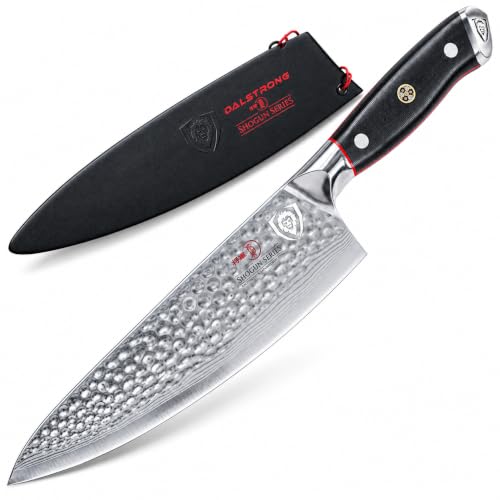
A fitted sheath is worth having if the knife will live in a drawer, because it protects the edge and your fingers every time you reach in. Dimples along the blade side, sometimes called a granton edge, can help slices of potato or cucumber release instead of sticking, which speeds up batch prep. You can skip oversized sets with many near duplicate blades, built in sharpeners of unclear quality, and decorative finishes that add cost without improving the cut.
Steel Type and Hardness
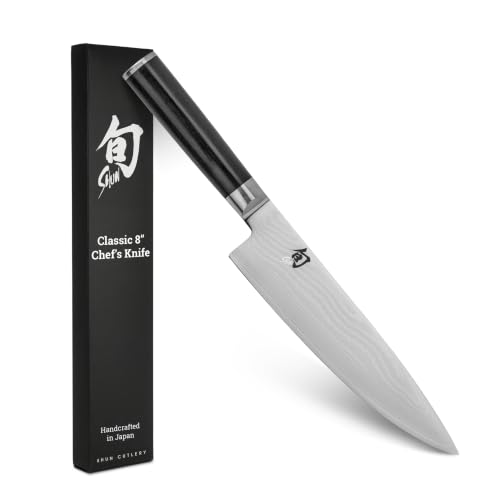
Hardness is listed as HRC on the Rockwell scale, and it shapes how the edge behaves. Blades around 56 to 58 HRC are more forgiving if the edge meets a seed or twists slightly, and they respond well to a honing rod. Blades around 60 to 62 HRC, common in Japanese styles, hold a fine edge longer through heavy onion and carrot work, but they can chip if you pry or chop through frozen produce.
Blade Geometry: German vs Japanese
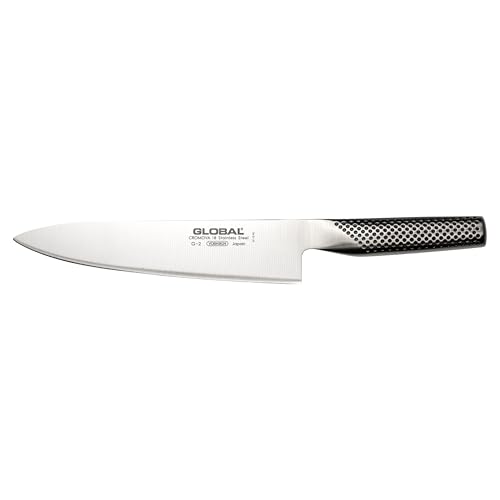
Geometry decides how the knife feels at the board more than steel alone. A German profile has a pronounced belly, so the edge curves upward toward the tip and supports continuous rocking for mincing herbs and garlic. A Japanese profile is flatter from heel to mid blade, so more edge meets the board at once and each push cut finishes cleanly without accordion slices left joined at the bottom. For vegetable work, check that the blade narrows toward the edge in a smooth taper, since a thin edge does the actual cutting.
If you are torn between the two styles, our guide to the best chef knife explains how profile and weight change everyday cooking across a wider range of foods.
Handle, Bolster and Balance
Hold the knife with a pinch grip, thumb and index finger on the blade just ahead of the handle, before you judge comfort. A full bolster, the thick metal collar on many German knives, adds weight near your fingers and can shorten the usable edge over years of sharpening. Balance near the pinch point usually feels most controlled for long sessions of chopping, while a handle heavy knife can feel sluggish at the tip.
Realistic Budget Ranges
Under about $30, expect a stamped stainless blade that cuts well when sharp but needs more frequent honing, which suits a first apartment or a backup knife. Around $50 to $100, you gain better steel, a more comfortable handle, and cleaner fit between blade and handle, and this is where most home cooks find lasting value. Around $100 to $200, edges hold longer, blades run thinner, and balance feels more refined during big prep sessions.
Types Compared: Which Style Deserves Your Money
Rather than naming individual products, it helps to compare the three broad options most vegetable cooks choose between. A German style chef knife is the workhorse pick for households that chop firm produce daily and want a sturdy edge that tolerates a busy family kitchen. A Japanese style gyuto is the precision pick, thin and light, for cooks who slice onions paper thin and break down large trays of produce without wrist fatigue. A shorter 6 or 7 inch chef knife is the small kitchen pick, trading some board coverage for control in tight spaces and easy storage in a shallow drawer.
Each style can be the right answer, and the deciding factors are your board size, the produce you cut most, and how much upkeep you will realistically do. If your meals lean on herbs, garlic, and leafy greens, favor curve and rocking comfort. If your meals lean on onions, peppers, and tomatoes in volume, favor a flatter, thinner blade.
The comparison in chef knife vs santoku is worth reading if you are also considering a santoku, since its flatter edge and shorter length suit some vegetable tasks very well.
Our Selection Process for Vegetable Chef Knives
We compare options using the factors that matter at the board: steel and edge retention, balance and ergonomics, sharpness out of the box, ease of maintenance, and value for the price range. We rely on manufacturer specifications for steel, hardness, and dimensions, and on patterns in verified buyer feedback about comfort, chipping, and edge life over time.
Living With It: What Really Matters Day to Day
The best chef knife for vegetables earns its place through small daily wins. Weight matters more over a week than in a single cut, so a lighter blade often wins for cooks who prep produce at nearly every meal. Storage matters too. A knife kept on a magnetic strip or in a sheath stays sharper longer than one rattling in a drawer, and it is quicker to grab with wet hands.
Household size shapes the experience as well. Cooking for a crowd means longer sessions and larger produce, so edge length and a handle that stays comfortable when wet become priorities. Cooking for one or two means quicker tasks, where a nimble blade and easy cleanup count for more.
For cooks drawn to thinner blades and harder steel, the guide to the best japanese chef knife covers that style in depth, including the extra care those edges need.
Common Buying Mistakes to Avoid
- Buying a blade longer than your board allows, which leaves the tip unsupported and makes every cut feel awkward and less safe.
- Choosing by appearance alone, such as a patterned blade, while ignoring thickness, which is what decides whether carrots wedge or slice cleanly.
- Ignoring the cost and effort of upkeep, so the edge dulls and is never restored.
- Paying for a large set when one chef knife does nearly all vegetable work, which ties up budget that a better single blade would use well.
- Picking a handle that feels fine when dry in a store but turns slippery at home once your hands are wet from washing produce.
Cost of Ownership and Care
The purchase price is only part of what a chef knife costs you. Budget for a honing rod if you do not own one, a sheath or strip for safe storage, and sharpening a few times a year, whether you pay a local service or use a whetstone at home. Wash the knife by hand in warm soapy water right after use, dry it at once, and store it where the edge touches nothing hard. Learning how to sharpen a chef knife at home can cut long term costs and keep the edge exactly as you like it.
Your Questions, Answered
How do you clean a chef knife after cutting vegetables?
Rinse the blade soon after use, wash it by hand with a soft sponge and mild soap, and dry it fully with a towel before storing it. Do not leave it soaking in a sink, where the edge can strike other items and where you can cut yourself reaching in.
Is a chef knife worth it if you mostly cook vegetables?
Yes, for most home cooks, because vegetable prep is where a single knife does the most work in a day. A chef knife handles everything from mincing garlic to halving squash, so you reach for it more than any specialty tool. The value shows up as speed and consistency rather than novelty.
How long does a chef knife last with daily vegetable prep?
A sound chef knife can serve for decades, because the steel itself wears very slowly when you sharpen it properly. What ends a knife life early is usually damage, such as a deep chip from a dropped blade or a bent tip from prying a lid, rather than normal chopping. Treat the edge gently and the knife will likely outlast several boards and handles worth of cooking.
What should I look for first in a chef knife for vegetables?
Start with fit, because a knife that suits your hand and board gets used well every day. Check that the handle feels secure when wet, that the blade length matches your board, and that the edge profile suits how you cut, curved for rocking or flat for push cutting. Then look at steel and thickness. Shoppers who want a broader starting point can also read our overview for the best chef knife for home cooks, which frames these same choices around everyday family cooking.
Can a chef knife handle both soft tomatoes and hard squash?
Yes, if the edge is sharp and thin enough behind the edge. A keen edge bites tomato skin without pressure, while the taller blade and firm spine give you the leverage to work through squash in controlled strokes. Halve squash on a stable board, keep your guide hand curled, and let the blade move in a steady forward stroke. Our primer on how to use a chef knife walks through grip and stroke basics that make firm produce feel far more manageable.
Final Thoughts
Choosing well comes down to fit. Match the blade length to your board, pick the profile that matches how you cut, and choose steel you will actually maintain. Do that, and the best chef knife for vegetables for your home stops being a guess and becomes the tool you reach for without thinking. Look back at the product table above to compare the main types side by side, then order the size and style that suits your space, your household, and your budget.