
Best Chef Knife for Home Cooks (2026): Size, Steel and Storage
Disclosure: We may earn a commission when you buy through links on this page, at no extra cost to you. As an Amazon Associate I earn from qualifying purchases. Learn more
How to choose the best chef knife for home cooks: balanced weight, easy sharpening and shared-kitchen storage.
It is a weeknight, the board is crowded, and a dull blade is skating across an onion while dinner runs late. Choosing the best chef knife for home cooks fixes that daily frustration more than any extra gadget in the drawer. A good one feels steady in your hand, cuts cleanly, and suits the space you actually cook in.
This guide helps you choose by kitchen space, household size, and budget. Start with the comparison table below, then use the checklist that follows. For the broader picture, see our guide to the best chef knife.
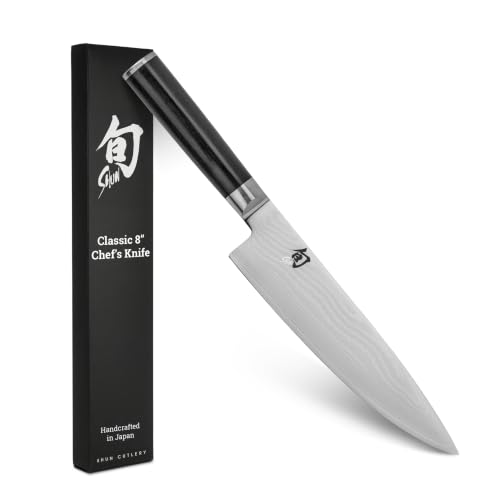

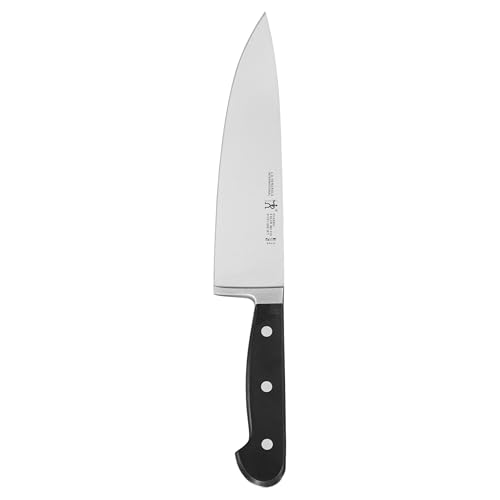
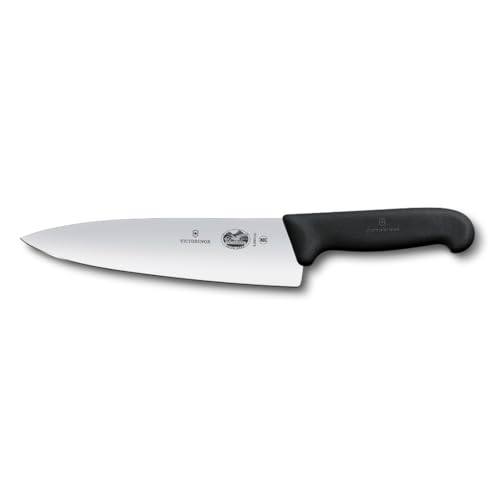
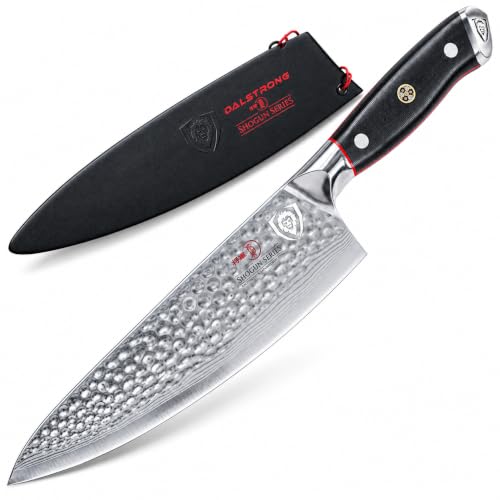
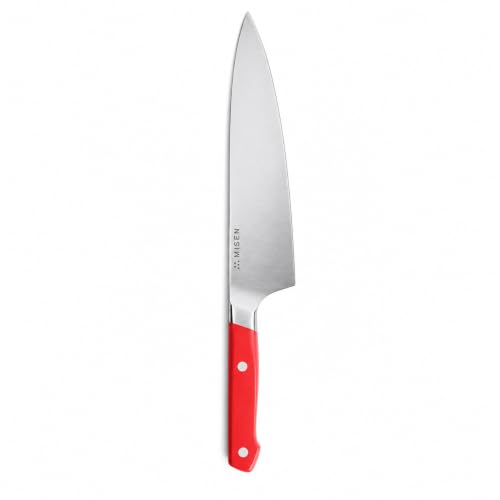


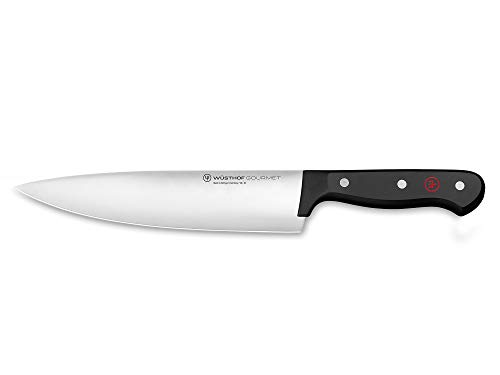
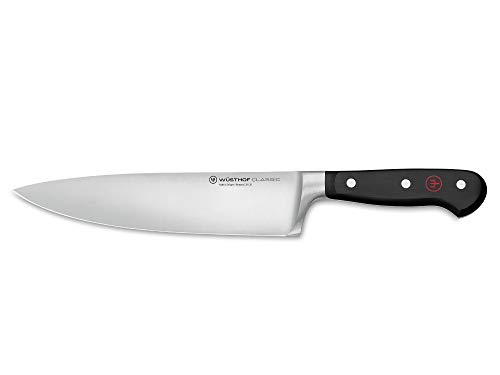
Quick Answer: Three Types That Fit Real Homes
If you want the best chef knife for home cooks in a typical kitchen, start with a balanced forged 8 inch knife, since it handles vegetables, boneless cuts, and herbs with one tool.
- Balanced forged type: the safest all round choice for families who cook several nights a week and share one main knife.
- Light stamped type: an affordable option for small kitchens and households that prefer a lighter grip.
- Thin Japanese style type: a precise option for produce heavy cooking, with a thinner edge that rewards careful handling.
Before You Buy: A Quick Checklist for Choosing a Chef Knife for Home Cooks
Size: Match It to Your Space
Blade length shapes how a knife feels on your board and in storage. A 6 inch or 7 inch blade suits small boards, tight counters, and prep for one or two people. An 8 inch blade is the most versatile length for family meals, since it spans a large onion in fewer strokes. Blades of 9 inch or 10 inch, often listed as 210mm or 240mm for Japanese styles, suit big batches but need larger boards and deeper storage. Measure your board and drawer before you buy.
Which Type Fits Your Routine
German style knives are thicker and sturdier, with a curved belly that supports a rocking motion through herbs and garlic. Japanese style knives, including the gyuto shape, tend to be thinner and lighter, favoring straight chopping and clean slices. Stamped blades are cut from a flat sheet of steel and feel light, while forged blades are shaped from a single heated piece and feel more solid. Carbon steel sharpens easily but reacts with acidic foods, while stainless steel resists rust with less fuss. If you are torn between shapes, our comparison of chef knife vs santoku explains how the profiles differ.
Features Worth Paying For and Ones to Skip
A fitted sheath is worth paying for if your knife will live in a drawer, since it protects both the edge and your fingers. A handle that stays secure when wet matters more than decorative details. Dimples along the blade can help sticky slices of potato release, but they are a minor bonus. You can skip elaborate damascus patterns if your budget is tight, since the layered look does not by itself make a knife cut better.
Steel Type and Hardness
Hardness is listed as an HRC number, and it shapes how the edge behaves. Softer steels, around 56 to 58 HRC, are tougher and less likely to chip, and they respond well to quick honing. Harder steels, around 60 to 62 HRC, hold a fine edge longer but can chip if you twist the blade or cut frozen food. High carbon stainless steel blends easy sharpening with rust resistance, which suits busy homes well.
Blade Geometry: German Versus Japanese
Geometry describes the shape and thickness of the blade, and it decides how food separates as you cut. German profiles are thicker behind the edge, wedging through dense items like winter squash and tolerating rougher technique. Japanese profiles are thinner, so they glide through onions and tomatoes with less resistance. That thinness also means the edge deserves a wooden or soft plastic board rather than glass or stone. If the lighter approach appeals to you, our guide to the best japanese chef knife covers that style in depth.
Handle, Bolster and Balance
A knife feels balanced when its weight centers near where the blade meets the handle, so your wrist does less work during long prep. Try a pinch grip, holding the blade just ahead of the handle, and notice whether the knife tips forward or backward. A full bolster adds finger protection, while a partial bolster lets you sharpen the full edge, including the heel. Handle shape matters for shared households, since a handle that suits large hands may crowd smaller ones.
Realistic Budget Ranges
Under about $50, expect stamped blades, simpler handles, and edges that need more frequent honing, which can still serve a light cooking routine well. In the range of about $50 to $100, you usually gain better steel and a more comfortable handle. Our roundup of the best chef knife under 100 focuses on that bracket. Between about $100 and $200, forged construction, refined balance, and longer edge retention become common. Above about $200, you mostly pay for finer finishing rather than a dramatic jump in cutting ability.
Three Knife Types Compared for Home Kitchens
Since daily fit matters more than brand names, compare types against your routine using the three profiles below.
A Balanced Forged Knife for Most Homes
This type pairs a moderately thick blade with a curved belly and a solid handle. It rocks through herbs, powers through root vegetables, and tolerates the varied technique of several family members sharing one knife. Edge care is straightforward, with regular honing and occasional sharpening. Choose it if you cook varied meals most nights and want one dependable tool. Its main drawback is weight, which some cooks find tiring during long prep sessions.
A Light Stamped Knife for Tight Budgets and Small Kitchens
Stamped knives are thin, light, and usually the most affordable route into a proper chef knife. They suit small boards, modest storage, and simple meals a few times a week. The lighter build also helps anyone who finds heavy knives hard on the wrist. Expect to hone more often, and avoid bones and frozen foods. Choose this type for a first apartment or a household that values easy handling over long edge retention.
A Thin Japanese Style Knife for Produce Heavy Cooking
This type shines when your meals lean on vegetables, fish, and precise slicing. The thin blade moves through produce with little resistance, and the lighter weight keeps long chopping sessions comfortable. It rewards a straight chopping motion and punishes twisting or prying with possible chips. Choose it if you cook a lot of stir fries, salads, and curries and enjoy a nimble feel. Households sharing a knife among many cooks may find the forged type more forgiving.
Our Selection Process for Home Kitchen Knives
We judge candidate knives on five criteria that matter in real homes. Steel and edge retention come first, followed by balance and ergonomics for different hand sizes. We also weigh sharpness on arrival, weekly maintenance, and whether the price matches what you receive. Our information comes from manufacturer specifications and patterns in verified buyer reviews, focusing on comfort, chipping, and upkeep over time.
Living With It: What Really Matters Day to Day
Household size quietly shapes the right choice. Cooking for one or two means smaller boards and shorter sessions, so a shorter, lighter knife often feels best. Cooking for a family means bigger batches, more cooks sharing the tool, and more value in a sturdy blade that forgives mixed technique. If two people with different hand sizes share the knife, a rounded handle and neutral balance reduce complaints. Safe habits matter too, and our guide on how to use a chef knife covers grip, claw guidance, and board setup.
Storage is the other daily reality. A magnetic strip keeps the edge safe and frees drawer space, but it needs wall room and care around children. An in drawer tray works in rental kitchens where drilling is not allowed. A blade left loose in a drawer will dull quickly and risks a cut when you reach in. Decide where the knife will rest before you choose a longer blade.
Common Buying Mistakes to Avoid
- Buying a 10 inch blade for a small board, which leaves you cramped and makes the knife feel clumsy.
- Choosing the hardest steel available, which can chip in a family kitchen where technique varies between cooks.
- Spending on decorative patterns or large sets, which ties up budget a single good knife would use better.
- Ignoring shared use, which leads to a handle that suits one person while everyone else avoids the knife.
- Skipping a storage plan, which dulls the edge in a drawer and raises the risk of cuts.
Cost of Ownership and Care
The purchase price is only part of what a chef knife costs you. Budget for a honing rod, a simple sheath or tray for storage, and a whetstone or occasional professional sharpening. These extras are modest, usually about $20 to $60 across the basics, and they protect the edge you paid for. A decent board also counts as care, since wood or soft plastic surfaces preserve the edge better than glass or bamboo.
Weekly care is simple. Hone lightly before big prep sessions to realign the edge, wash the knife promptly, and dry it before putting it away. True sharpening on a stone is needed only a few times a year for most homes. If you plan to learn the skill, our guide on how to sharpen a chef knife explains angles and stone grits step by step.
Your Questions, Answered
What is the most reliable chef knife brand?
No single brand is most reliable for every home, since reliability comes from consistent steel, sound construction, and a warranty that covers defects. Look for clear specifications, a return window that lets you test the grip, and reviews mentioning the knife holding up after a year of use. A maker that offers sharpening support also signals long term commitment. Treat lifetime claims cautiously.
How do you clean a chef knife?
Wash the blade by hand in warm, soapy water right after use, especially after citrus, tomatoes, or salty foods, since acids and salt can stain steel left sitting wet. Dry the whole knife with a towel before storing it rather than leaving it to air dry. Never soak a chef knife in a full sink, where the edge can chip and a hidden blade can cut the person washing up. Skip the dishwasher, since heat and jostling damage edge and handle.
Is a chef knife worth it for home cooks?
It is worth it if you cook at home several times a week and struggle with a dull or undersized blade, since one good knife replaces several poor ones. If you mostly reheat food or cook simple meals once a week, a modest stamped knife may cover your needs. People in shared housing with unreliable storage may also prefer a lower priced option. The value shows up in faster, safer prep.
How long does a chef knife last?
A well cared for chef knife can serve for many years, often a decade or more in a home kitchen. Its life shortens with heavy sharpening, chips from bones or frozen food, and rust from wet storage. Over time the blade becomes thicker behind the edge as metal is ground away, and a professional can thin it again to restore easy cutting. When cracks appear in the handle or blade, replacement is the safe choice.
What is the best chef knife for home cooks?
For most households, it is a balanced 8 inch knife with moderate hardness, a rounded handle, and a price inside about $50 to $150. That mix survives shared use, suits common board sizes, and stays easy to maintain. Buy from a seller with a simple return policy so you can judge the grip during real prep, not just in the box. A knife that feels secure in your hand will be used and cared for.
Final Thoughts
The product table above pulls these types into one view so you can compare length, steel, and price at a glance. For most families, the balanced forged type is the best chef knife for home cooks because it handles varied meals, shared hands, and weekly care without drama. Choose the light stamped type when budget and space are tight, and the thin Japanese style type when produce heavy cooking rewards precision.

