Best 10 Inch Chef Knives (2026): Size, Features and Buying Tips
Disclosure: We may earn a commission when you buy through links on this page, at no extra cost to you. As an Amazon Associate I earn from qualifying purchases. Learn more

What matters when choosing the best 10 inch chef knife: size, features, budget and the mistakes to avoid.
Picture a Sunday afternoon with a whole chicken to break down, a pile of onions for soup, and a watermelon waiting for dessert. A short blade turns each job into extra strokes, while the best 10 inch chef knife for your kitchen glides through all of it in fewer, calmer passes. The catch is that a longer blade only helps when it suits your counters, your board, and the number of people you cook for.
This guide helps you decide by space, household size, and budget rather than by brand hype, covering the main types, the specs that matter, and the ownership costs to expect. The product table on this page gathers the key options in one place, and our broader guide to the best chef knife covers every size if you are still deciding.


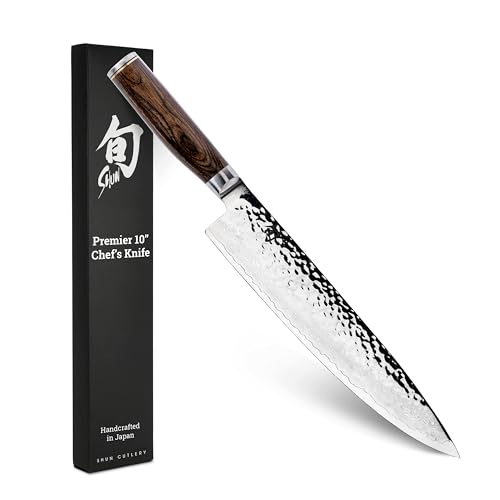
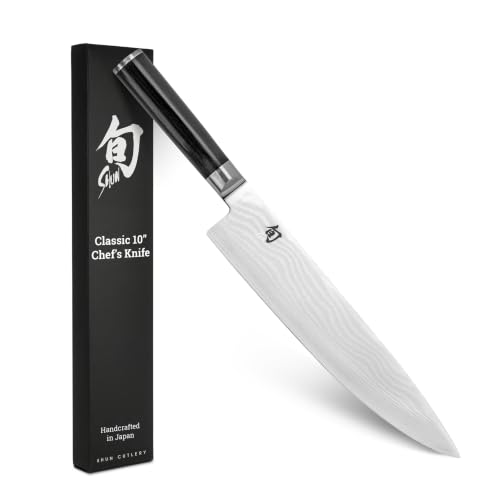


Quick Answer: Who a 10 Inch Knife Suits Most
A 10 inch chef knife suits cooks who regularly handle large produce, whole poultry, roasts, and big batches for family meals. The longer edge gives you more slicing length per stroke, so rocking through herbs and drawing through a cabbage feels smoother. It asks for a large cutting board and comfortable counter depth in return.
Before You Buy: A Quick Checklist for Choosing a Chef Knife
Work through these points in order. Size and fit come first, because no steel or handle can rescue a blade that feels awkward in your kitchen.
Size: Match It to Your Space
Blade sizes run from about 6 inches up to 10 inches, with Japanese lengths also listed as 210 mm and 240 mm. A 6 or 7 inch knife feels nimble for small boards, while 8 inches remains the common all purpose choice in most homes. Nine and 10 inch blades add reach for wide produce and long slicing strokes, but they need a board at least 12 inches across to keep the tip on the surface. Measure your board and counter depth before choosing, because a blade that overhangs the board makes the tip wander.
Which Type Fits Your Routine
German style knives use tougher steel and a thicker spine, so they shrug off bones, hard squash rinds, and heavy daily use. Japanese styles, including the gyuto, run thinner and harder, giving cleaner cuts through fish and vegetables with less wedging. Carbon steel takes a very fine edge but needs drying after every use to prevent rust, while stainless steel asks for almost no special care. Forged knives are shaped from a single piece of steel and feel denser, whereas stamped knives are cut from sheet steel and stay lighter and cheaper.
Features Worth Paying For, and Ones to Skip
A fitted sheath or blade guard is worth having if the knife will live in a drawer, since it protects both the edge and your fingers. Wood handles feel warm and secure when dry, though they dislike soaking and need occasional oiling. Granton dimples can help sticky slices of potato or cucumber release instead of clinging, but they change little for most everyday prep. Skip decorative finishes and bundled extras, since neither improves how the edge cuts.
Steel Type and Hardness
Hardness is rated on the Rockwell scale, shown as HRC, and it shapes how the edge behaves over months of use. Softer steels around 54 to 56 HRC dull sooner but sharpen quickly and resist chipping, which suits rough tasks and busy family kitchens. Harder steels around 60 to 62 HRC hold a fine edge far longer, yet they chip more easily if you twist the blade or cut into bone. High carbon stainless blends sit between those extremes and balance edge life with simple care.
Blade Geometry: German vs Japanese
Geometry decides how the blade moves through food. German profiles curve strongly along the belly, which supports a rocking motion for herbs and garlic. Japanese profiles run flatter toward the tip, favoring straight chopping and long pull cuts. Edge angle matters too, since a narrower angle slices with less force but needs gentler handling. If a lighter, more precise feel appeals to you, our guide to the best japanese chef knife explains those profiles in depth.
Handle, Bolster and Balance
Hold the knife with a pinch grip, fingers on the blade just ahead of the handle, before judging comfort. A full bolster adds a finger guard and weight at the front of the handle, while a half bolster or none lets you use the full edge and sharpen along its whole length. Balance should sit near the pinch point, so the knife feels neutral rather than pulling toward the tip or the handle. A handle that fills your palm without hot spots keeps long prep sessions comfortable.
Realistic Budget Ranges
Under about $30 you get serviceable stamped blades that suit a first apartment or a spare knife. Between about $50 and $100, forged construction, better steel, and more careful finishing become common, and this range serves most homes well. From about $100 to $250 you pay for harder steel, finer edges, and handles shaped with more care. Above that, cost reflects craft and materials more than cutting ability. Spend first on the size and type you will use daily.
Three Types of 10 Inch Chef Knife Compared
Instead of ranking individual models, it helps to compare the three broad types you will meet at this length. The product table above shows how current options line up against these profiles.
The German Style Workhorse for Busy Family Kitchens
This type pairs a thick spine, a curved belly, and moderately soft steel that tolerates hard use. It powers through winter squash, splits chicken joints, and survives occasional contact with bone without drama. The weight does some of the work for you during long batch cooking for a crowd. The trade off is a thicker blade that can wedge in dense vegetables like sweet potato, plus an edge that needs honing more often.
The Japanese Style Blade for Precision and Big Produce
Thin, hard, and light for its length, this type turns a 10 inch blade into a precise tool rather than a heavy one. It slices onions paper thin, portions fish cleanly, and works through herbs without bruising them. The flat profile rewards cooks who chop with a straight motion or pull the blade through proteins. Treat it with more respect, keeping it away from bones, frozen food, and twisting motions that can chip the harder edge.
The Budget Stamped Knife for Spares and Starter Kitchens
Stamped knives at this length stay light, cheap, and easy to replace, which makes them sensible as a second knife for guests, a rental kitchen, or a cook who is still learning. The thinner stock flexes a little on hard produce, and the edge dulls faster than forged options. Grip comfort varies widely, so handle shape matters more here than any steel claim. If you later upgrade, this knife still earns its place handling melons and jobs you would rather keep away from a finer edge.
Our Selection Process for the Best 10 Inch Chef Knives
When we compare knives for this guide, we weigh steel and edge retention first, then balance and ergonomics in the hand, then sharpness as delivered, expected maintenance, and overall value. The comparison draws on manufacturer specifications and patterns in verified buyer feedback rather than on claims of personal use. A knife scores well only when its strengths match the realities of home cooking, meaning family sized meals, ordinary boards, and sharpening gear a home cook actually owns.
Is a 10 Inch Chef Knife the Right Size for You?
Choose 10 inches if you regularly cut large items, such as whole chickens, pork shoulders, cabbages, and melons, or if you cook double batches for a family. The extra length also helps if you have large hands, since your knuckles gain clearance above the board. Stay with 8 inches if your board is small, your counters are shallow, or most meals serve one or two people. Some cooks split the difference with a different shape entirely, and our comparison of chef knife vs santoku explains when the shorter, flatter santoku profile makes more sense.
Common Buying Mistakes to Avoid
- Buying a 10 inch blade for a small board, so the tip slides off the edge and accuracy suffers on every cut.
- Paying for premium hard steel while planning to use a glass or stone board, which dulls and chips any edge quickly.
- Ignoring total ownership cost, then skipping the honing rod and proper storage the new knife needs.
- Choosing by handle looks alone, without checking how the grip feels in use.
- Expecting one knife to do everything, including prying lids and cutting frozen food.
Cost of Ownership and Care
The purchase price is only part of what a good knife costs you. Budget for a honing rod, a wood or plastic board if you currently use glass, and either a whetstone or occasional professional sharpening. Store the blade on a magnetic strip, in a block slot, or under a sheath, never loose in a drawer where the edge knocks against other tools. Learning how to sharpen a chef knife at home removes the main recurring cost, since a maintained edge can serve for many years. Households that cook for guests often find a dependable second knife useful too, and our picks for the best chef knife for home cooks focus on that everyday role.
FAQ
What is the most reliable chef knife brand?
No single brand wins for every kitchen, because reliability comes from consistent steel, sound heat treatment, and a warranty the maker honors. Long established makers with clear specifications tend to be safer bets than unknown labels with vague claims. If you are weighing two famous German makers, our head to head on wusthof vs zwilling lays out how their lines differ.
How do you clean a chef knife?
Wash the blade by hand in warm soapy water right after use, rinse it, and dry it fully with a towel before storing it. Keep it out of the dishwasher, where jolts against racks can nick the edge and detergents can stain the blade and dry out wood handles. Never leave a chef knife soaking in a sink, where a hidden blade is a cut waiting to happen.
Is a chef knife worth it?
Yes, if you cook several times a week, because one capable knife replaces a drawer of dull specialty tools and makes prep faster and safer. A sharp edge grips food instead of skating across it, so slices stay even. It is less worthwhile if you rarely cook from scratch, in which case a modest 8 inch knife and a good sharpener will cover your needs.
How long does a chef knife last?
A well kept chef knife can serve for decades, because the blade loses only a tiny amount of steel at each sharpening. What ends a knife early is usually damage rather than age, such as a broken tip from prying or deep chips from cutting bone and frozen food. Handles can also loosen or crack after years of soaking and dishwasher cycles.
What size chef knife do I need?
Match the blade to your board, your hands, and the food you cut most. Cooks with boards under 12 inches across and meals for one or two usually settle on 8 inches. If you break down whole poultry weekly or slice large roasts and melons, 10 inches earns its storage space. When in doubt, mimic the grip with a ruler at your board, since comfort in the first minute predicts comfort during a full recipe.
What is the best 10 inch chef knife?
The answer depends on your cooking style rather than on a single universal winner. Choose the German style type for heavy family cooking and forgiving steel, the Japanese style type for precise vegetable and fish work, and a budget stamped type as a spare. The product table above gathers current options matched to each need, so compare steel, weight, and handle shape before ordering.
Final Thoughts
A longer blade is a genuine upgrade when your board, your counters, and your cooking volume can support it. Match the type to your routine, pick steel hardness that fits your habits, and plan for simple upkeep from day one. Do that, and the best 10 inch chef knife for your home becomes the tool you reach for every day. Prices and availability can change, so check the product page before ordering.