Best Chef Knife (2026): Size, Steel and Handle
Disclosure: We may earn a commission when you buy through links on this page, at no extra cost to you. As an Amazon Associate I earn from qualifying purchases. Learn more
How to choose the best chef knife: blade length, steel, balance and care for one do-it-all knife.
A dull or awkward knife makes dinner prep feel longer than it should, especially when you are cooking for a family on a weeknight with limited counter space. Choosing the best chef knife for your home is less about chasing a label and more about matching blade length, steel, and handle shape to how you actually cook. This guide walks through size, type, balance, and budget so you can choose once and use the knife daily with confidence.
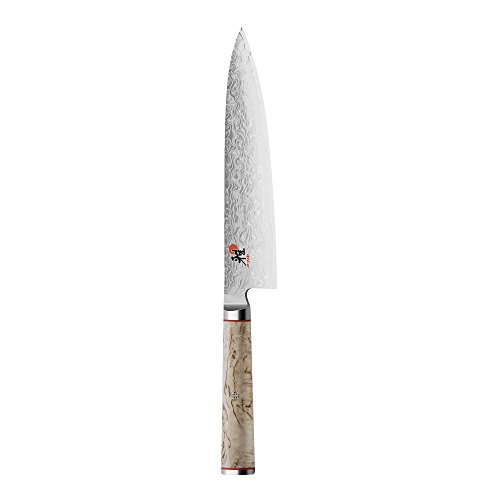
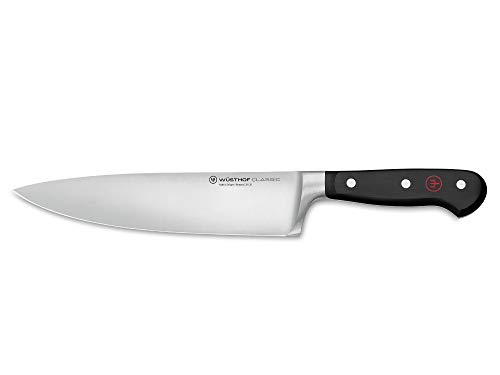
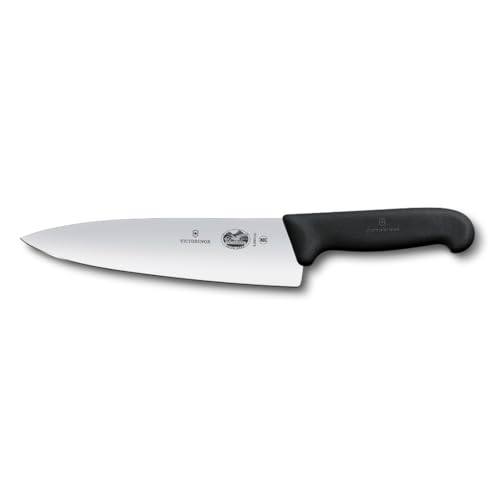
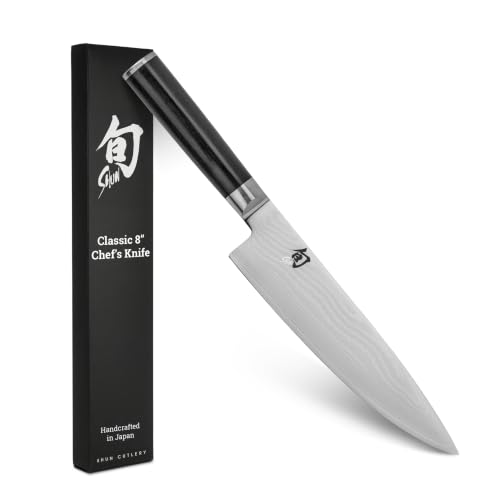
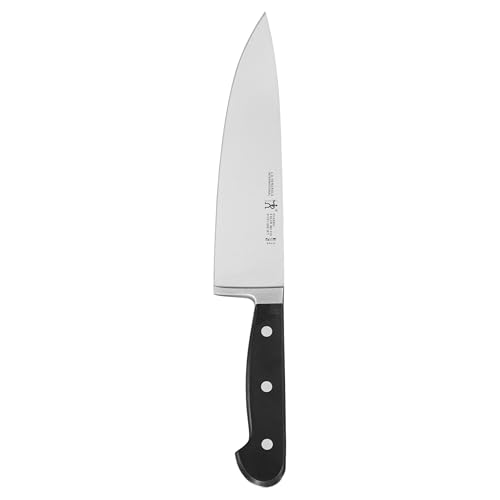
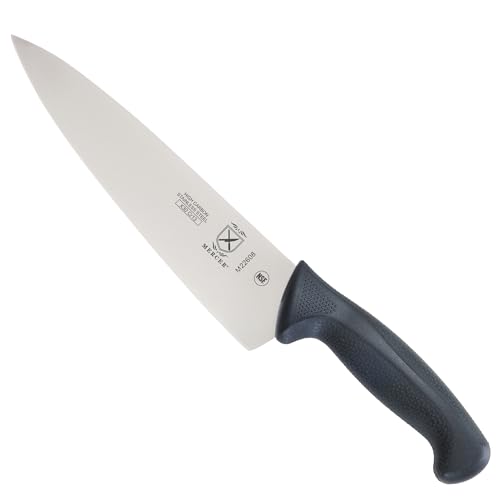
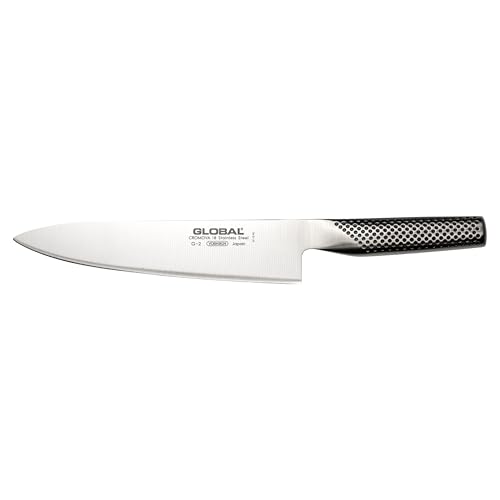
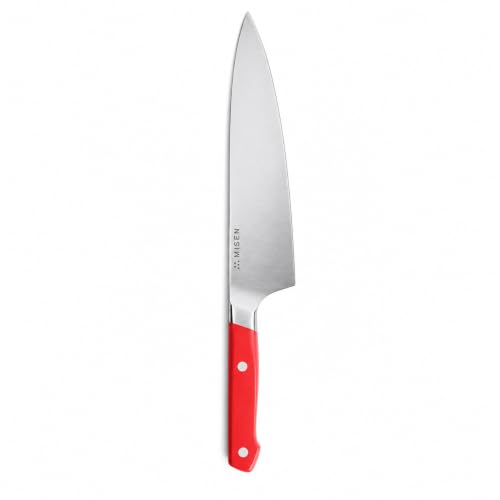
You will find a simple checklist first, then guidance for different households and budgets, plus care steps that protect your purchase. Use the comparison table below to compare lengths, steel types, and handle styles as you read.



Before You Buy: A Quick Checklist for Choosing a Chef Knife
Start with how you cook, not with a brand name. List your three most common tasks, your largest cutting board, and where the knife will live, in a drawer, on a magnetic strip, or in a block. Those facts will narrow length, weight, and steel faster than any marketing claim.
Size: Match It to Your Space
Most home cooks do best with an 8 inch blade, which is long enough for a smooth rocking motion and for slicing a cabbage, yet short enough to control on a standard board. A 6 inch or 7 inch blade suits small kitchens, smaller hands, and cooks who work mostly with fruit and herbs. A 9 inch or 10 inch blade helps if you have a large board and often cut big roasts or winter squash, but it needs more storage room.
Which Type Fits Your Routine
German style knives tend to be heavier, with a thicker spine and a curve that supports rocking through herbs and firm vegetables. Japanese style knives tend to be lighter and thinner, with a flatter profile that suits push cutting and precise slicing, and many home cooks explore the best japanese chef knife options when they want that lighter feel. Damascus describes a patterned finish and does not by itself tell you how the knife will cut, so judge the core steel and geometry first. If you are torn between two classic shapes, the comparison of chef knife vs santoku explains how blade shape changes daily prep.
Features Worth Paying For and Ones to Skip
Pay for a comfortable handle, a blade that arrives sharp, and a sheath or blade guard if you store the knife in a drawer, because edge protection prevents nicks and protects your fingers. A wood handle can feel warm and secure when dry, but it needs prompt drying, while molded synthetic handles tolerate busy family use with less fuss. Dimples along the blade can help some foods release a little more easily, yet they matter far less than a thin, well ground edge. Skip ornate finishes and oversized sets, since one good chef knife does more work than a block full of dull extras.
Steel Type and Hardness
Stainless steel resists rust and suits most homes because you can wash the knife, dry it, and put it away without special oil. Carbon steel and high carbon blends can take a very fine edge and sharpen readily, but they can react with onions and citrus, so they suit cooks who wipe the blade as they work. Hardness, often listed as HRC, hints at edge life. Softer steels around the mid 50s are tougher and sharpen quickly with a rod, while harder steels near 60 and above hold an edge longer but need more care to avoid chipping on bone or frozen food.
Blade Geometry: German Style and Japanese Style
Geometry is the shape and thickness of the blade from spine to edge, and it decides how food separates as you cut. A thicker German style blade wedges a little more in dense foods like sweet potato, but its weight helps power through and its curve suits rocking. A thinner Japanese style blade glides through onion and tomato with less resistance, yet it asks for straighter cuts and a board that is kind to edges, such as wood or soft plastic. Match geometry to your cutting style and to the foods you cut most.
Handle, Bolster and Balance
Handle shape decides comfort more than almost any spec. A handle that fills your palm without forcing your fingers wide will feel secure during a long prep session, while a very slim handle can tire a larger hand. A full bolster, the thick band between blade and handle, adds weight but can make sharpening the heel harder over time. A partial or no bolster design feels lighter and lets you use the full edge. Balance should feel neutral, near where blade and handle meet, so the knife does not feel tip heavy when you pinch the blade just in front of the handle.
Realistic Budget Ranges
Under $30, expect a stamped blade, basic stainless steel, and a simple handle that works for light daily use. About $30 to $50 brings better edge finish and more comfortable handles, while about $50 to $100 is where many families find stronger balance and longer edge life, and our guide to the best chef knife under 100 explains that tier in more detail. About $100 to $200 can buy harder steel and finer geometry, and above $200 you mostly pay for craftsmanship and finish. Set a total budget that also covers a honing rod, a board, and safe storage.
Three Buying Profiles and What to Prioritise
Instead of chasing a single winner, match the knife to a profile. The three profiles below cover most homes and help you spend on the traits you will notice every day, such as comfort, edge life, and ease of care, rather than on looks alone.
The Everyday Family Cook Profile
If you cook most nights for a household, prioritize an 8 inch stainless steel blade, a handle that stays secure when your hands are damp, and balance that does not tire your wrist. Choose steel that hones easily and safe storage that children cannot reach easily. This profile values reliability and simple care over the finest possible edge.
The Value Focused Starter Profile
If you are building your first real kitchen or replacing a dull set, prioritize value and learning. A modestly priced 8 inch knife with a comfortable grip teaches you grip, rocking, and honing without fear of damaging an expensive blade. Spend the savings on a large cutting board and a honing rod, which improve safety and results more than a costly finish would.
The Long Term Investment Profile
If you cook often and plan to keep one knife for many years, prioritize finer geometry, harder steel with good edge retention, and a handle shape you love holding. Budget also for a whetstone or a trusted sharpening service, since premium steel rewards proper sharpening. The payoff is a knife that still feels precise after years of daily use because you matched care to the steel.
How to Evaluate a Chef Knife Without Guesswork
Read the specification list in a set order: blade length first, then steel type and hardness, then weight and handle material, then bolster style. Picture each spec during your normal tasks, for example how a heavier knife feels after ten minutes of dicing. Check return terms before you order, because handle comfort is personal and hard to judge from photos alone.
Sharpness out of the box is only a starting point, since every knife dulls. Judge how easy the steel is to maintain with the tools you own or are willing to buy, and look for clear care guidance and honest steel information. Avoid claims that promise a blade will stay sharp forever, because no kitchen knife meets that promise in real home use.
Choosing by Household and Space
For a single cook or a couple in a small apartment, a 7 inch or 8 inch knife and wall or in drawer storage with a guard make a tidy setup that does not crowd the counter. For a family of four or more, an 8 inch knife plus storage out of reach of young children keeps prep flowing, and guidance written for the best chef knife for home cooks can help you weigh family routines in more depth. For a shared home where several adults cook, a medium weight knife with a rounded handle often pleases more people than a sharply shaped one.
If you prep large batches for freezing or gatherings, the extra length of a 9 inch blade can speed work, provided your board and storage can handle it. Matching the knife to the household prevents the common outcome where a good blade stays in its box because it feels awkward in daily life.
Common Buying Mistakes to Avoid
- Buying a large set when you only need one good chef knife, which spreads your budget thin and leaves every blade mediocre.
- Choosing length by looks alone, so the blade is too long for your board or too short for the roasts and melons you cut.
- Ignoring handle comfort, which leads to hand fatigue and a grip that feels unsafe when hands are wet or oily.
- Forgetting storage and care costs, so the edge gets nicked in a drawer and dulls quickly without a rod or stone.
- Cutting on glass, stone, or metal boards, which dulls or chips an edge far faster than wood or plastic boards do.
- Putting the knife in the dishwasher, where heat, detergent, and contact with other items can damage both edge and handle.
Cost of Ownership and Care
The purchase price is only part of what you will spend. Plan for a honing rod, a whetstone or sharpening service a few times a year, a blade guard for storage, and a board that protects the edge. Those items are modest compared with replacing a damaged knife, and they keep cutting safer because a sharp knife needs less force. Hand wash the knife, dry it at once, and store it dry and separate. Never leave it hidden in a sink of water, where someone reaching in can be cut.
Honing and sharpening are different jobs. Honing straightens a slightly bent edge and can be done often, while sharpening removes metal to create a new edge and should be done only when honing no longer restores performance. Learning how to sharpen a chef knife on a stone gives you the most control, but a reputable local service is a sensible choice if you are unsure. Check the edge on a tomato or a sheet of paper. If it tears rather than slices cleanly, it is time for real sharpening rather than more force.
Your Questions, Answered
What is the most reliable chef knife style for home use?
An 8 inch stainless steel knife with a medium weight blade and a secure handle is the most reliable style for most homes. It handles vegetables, herbs, and boneless proteins without special care, and it hones easily on a rod. Reliability also comes from storage, so add a guard or strip, a detail many buyers overlook when they focus only on steel.
How do you clean a chef knife properly?
You clean a chef knife by hand washing it in warm soapy water right after use, then drying it fully before storage. Wash the blade away from your fingers, keep the edge pointed away from your body, and never drop it into a full sink. Prompt drying matters most for carbon steel, but even stainless steel handles last longer when they are not left wet.
Is a chef knife worth it for a home cook?
A chef knife is worth it for a home cook because one versatile blade covers most daily prep faster and more safely than several small dull knives. You will notice the gain most in even slices, less hand fatigue, and cleaner cuts in herbs and onions. It is only worth the cost if you store it well and keep it honed, so budget for those basics from the start.
How long does a chef knife last with home use?
A chef knife can last many years, and often well over a decade, with home use when you hone regularly, sharpen as needed, and cut on wood or plastic. The handle, storage habits, and avoiding bone and frozen food decide lifespan as much as steel does. A knife that is washed by hand and stored dry will outlast a costlier one that lives loose in a drawer.
What should a first time buyer look for in a chef knife?
A first time buyer should look for an 8 inch blade, stainless steel, a handle that feels secure, and weight that does not tire the wrist. Start with those basics before paying for exotic finishes or very hard steel that needs advanced care. Practicing a pinch grip, where your thumb and forefinger hold the blade just ahead of the handle, will improve control more than any upgrade in the first months.
Final Thoughts
The right knife for your home is the one that fits your board, your hands, and your routine, and that you will keep sharp and stored safely. Use the product table above to compare length, steel, and handle options against the checklist, then choose the profile that matches your household and budget. When you pick the best chef knife on those practical grounds, rather than on looks or hype, you get a tool you will reach for daily and enjoy using for years.