
Best Ceramic Casserole Dishes: Pick by Size, Lid and Heat Limit 2026
Disclosure: We may earn a commission when you buy through links on this page, at no extra cost to you. As an Amazon Associate I earn from qualifying purchases. Learn more
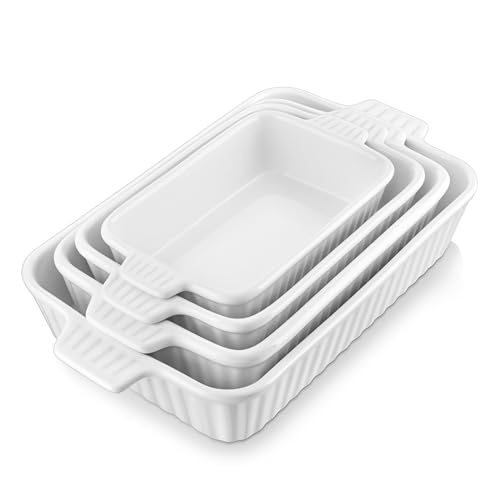
Compare the best ceramic casserole dish by size, lid fit, glaze and oven limit so dinner goes from oven to table with ease.
Sunday dinner is on the counter, the oven is hot, and the dish you grabbed is either too small for the lasagna or too wide for the shelf where it lives afterward. Choosing the best ceramic casserole dish is mostly about fit. Fit for your oven, your cupboard, your table, and the number of people you feed most weeks. This guide walks through sizes, shapes, finishes, and budgets, and the product table above sums up the main types at a glance.
Ceramic suits cooks who bake, serve, and store leftovers in the same vessel. It holds heat well at the table and looks presentable without a transfer to a serving bowl. What separates a good buy from a regret is capacity, depth, lid fit, handles you can grip with mitts on, and a price that matches how often you will use it.


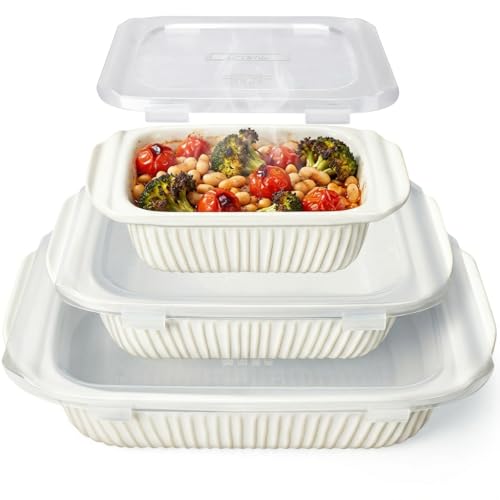
Quick Answer: Types That Cover Most Homes
Most households land on one of three types. A rectangular stoneware dish of about 3 quart is the everyday workhorse for lasagnas, enchiladas, and roasted vegetables for four to six people. A smaller square or oval dish of about 2 quart suits couples, side dishes, and small kitchens. A larger deep dish of about 4 quart, ideally with a lid, serves bigger families and holiday cooking where leftovers matter.
None of these types needs a long list of extras. Prioritize even walls, a glaze without cracks or rough patches, handles on both ends, and a stated oven limit that covers your normal baking temperatures.
Before You Buy: A Quick Checklist for Choosing a Casserole Dish
Size: Match It to Your Space
Start with the meals you cook most, then measure the space the dish must fit. A 9 x 13 inch dish holds about 3 to 4 quart and feeds a family or a small gathering, but it needs a wide cupboard and room around it on the oven rack for air to circulate. An 8 x 8 inch dish holds about 2 quart and suits gratins, brownies, and sides for two to four people. Deep dishes hold saucy recipes without spilling, while shallow dishes give casseroles more surface for a crisp top. For a wider view of capacities across materials, browse the best casserole dish guide.
Which Type Fits Your Routine
Ceramic is a family of materials rather than one material. Stoneware is dense and durable for daily use, often finished in colors that go straight to the table. Porcelain is finer and lighter, with a smooth white surface that suits formal serving, though thinner walls feel less forgiving of knocks. Glass is the budget friendly alternative and lets you watch browning from the sides. Our glass vs ceramic baking dish comparison explains how the two handle heat and serving differently.
Features Worth It, and Ones to Skip
A lid is worth paying for if you transport food, stack dishes in the fridge, or reheat leftovers in the same vessel, because it keeps moisture in and saves on wrap. Wide handles matter more than they look in photos, since a full dish is heavy and oven mitts add bulk to your grip. Skip novelty shapes that waste oven space, decorative lids that seal poorly, and large sets with near duplicate sizes. If covered baking is your priority, see the guide to the best casserole dish with lid for lid styles and fit checks.
Light vs Dark Finish and Browning
The color of the glaze changes how food browns. Dark glazes absorb more heat at the surface and can deepen browning on bottoms and edges, which suits roasted vegetables and crusty gratins but can overdo delicate egg bakes. Light and white glazes brown more gently and make it easier to judge color at a glance, a real help with baked pasta and custards. A glossy glaze also releases food more easily than a matte finish. Choose the finish for the foods you bake most, not for the shelf photo.
Oven Safe Temperature
Every ceramic dish carries a maximum oven temperature, commonly around 400 to 500 degrees Fahrenheit, and that number deserves a look before you buy. Most weeknight casseroles bake at 350 to 400 degrees, so a mid range limit covers normal use with margin to spare. Broiling is different. Many ceramic dishes are not rated for the broiler, and intense heat from above can damage the glaze. When a hot dish comes out, set it on a dry cloth or wooden board rather than a cold wet counter.
Nonstick Coating vs Uncoated Ceramic
Most ceramic casserole dishes rely on their glaze rather than an applied nonstick coating, and a sound glaze is naturally slick enough for baked eggs, pasta, and potatoes with a light coating of oil or butter. A few dishes add a coated interior, which can ease release at first but raises questions about how the surface ages once it scratches. Uncoated glazed ceramic has no layer to peel, and its performance stays steady for years if you avoid metal utensils that gouge the surface.
Realistic Budget Ranges
Prices spread widely, and each tier buys something concrete. At under $20 you get simple porcelain or basic stoneware in standard sizes, fine for occasional bakers. At about $20 to $40 you find thicker walls, better handles, and more consistent glazes, the tier most homes should target. At about $40 to $80 lids become common, finishes improve, and sets start to make sense. Above that, up to under $150, you pay for premium stoneware with refined fit and strong warranties, a premium that only pays off for weekly bakers.
Types Compared: Which Style Deserves Your Money
Everyday Rectangular Stoneware for Most Homes
The rectangular stoneware dish of about 3 quart is the default choice for a reason. It fits standard lasagna noodles without trimming, slides onto a middle oven rack with room to spare, and stacks neatly with sheet pans. Buy this style first if you own no ceramic baker at all, since it covers weeknight casseroles, holiday sides, and baked pasta without asking you to adapt recipes written for the classic pan size. Shoppers focused on that format can compare options in the best 9 x 13 casserole dish guide.
Compact Value Dishes for Small Kitchens
A square or oval dish of about 2 quart earns its place in apartments and couples kitchens where cupboard depth is limited and meals are smaller. It reheats leftovers for two without heating a large vessel, doubles as a serving bowl for sides, and fits compact ovens that cannot take a full rectangular pan. The trade off is headroom. Saucy recipes can bubble over if you fill it past about two thirds, and it will not stretch to feed guests.
Deep Lidded Dishes as the Long Term Investment
A deep dish of about 4 quart with a well fitting lid costs more and justifies it through storage and transport rather than baking performance alone. You can assemble a casserole the night before, bake it, cover it, and refrigerate the leftovers in the same vessel, and the lid makes it the dish that travels best to family gatherings. Thick premium stoneware resists chips better around the rim, the spot where dishes usually fail first. Buy this type when your household cooks in batches or hosts often, not as a first dish for a small kitchen.
What Matters When Comparing Ceramic Casserole Dishes
Ceramic dishes are best judged on factors that show up in daily use rather than on looks alone. Heat distribution matters because even walls mean edges and centers finish together. Food release matters because a glaze that lets go of baked cheese saves soaking time. Chip resistance at the rim, lid fit, handle shape with mitts on, and how clearly the maker states temperature limits and care instructions.
What We Like and What We Do Not About Ceramic vs Other Materials
Ceramic wins on presentation and heat retention. A casserole served in the dish it baked in stays warm through a relaxed meal, and the table looks finished without extra serving ware. Ceramic also handles acidic sauces without reacting. For an alternative that costs less and shows browning through the sides, the best glass casserole dish options are worth a look.
The downsides are weight and fragility. A full ceramic dish is heavy to lift from a low oven, and one drop onto tile usually ends its life, where metal would only dent. Ceramic cannot go on a stovetop burner, so recipes that start with browning on the stove need a separate pan and a transfer. For oven to table cooking, though, ceramic is hard to beat.
Common Buying Mistakes to Avoid
- Buying by outer dimensions alone, because handles add inches and a dish that fits the cupboard may not fit your oven rack.
- Choosing a large set for a small kitchen, so the pieces you use weekly end up buried behind sizes you never touch.
- Ignoring the stated oven limit, then broiling a gratin and finding fine cracks across the glaze afterward.
- Filling a dish to the rim with a saucy recipe, which invites spills that bake onto the oven floor.
- Skipping the lid to save a little money when you regularly store leftovers, which means awkward wrap and faster drying in the fridge.
Cost of Ownership and Care
Ceramic asks for little beyond gentle handling. Wash it in warm soapy water once it has cooled, and soak baked on residue rather than attacking it with abrasive pads that dull the glaze. There are no replacement parts to budget for and no coatings to renew, so the purchase price is close to the full cost of ownership. Store dishes with a cloth between stacked pieces to prevent rim chips, and retire any dish with a crack that runs through the wall, since cracks grow with heat and can leak.
Your Questions, Answered
How do you clean a ceramic casserole dish with baked on residue?
Fill the cooled dish with warm water and a spoonful of baking soda, then let it sit for at least thirty minutes before washing. Most residue loosens enough for a soft sponge, and a paste of baking soda and water lifts stubborn spots without scratching the glaze. For a full routine covering other materials too, read how to clean a casserole dish for methods matched to each soil level.
Can a ceramic casserole dish go from the freezer straight into the oven?
No, and this is where many dishes crack. Frozen ceramic meeting a hot oven creates stress the material cannot absorb evenly. Move the dish to the fridge the night before, then let it rest on the counter for about thirty minutes while the oven heats. If you freeze meals often, choose a dish whose maker explicitly rates it for freezer use.
Is a ceramic casserole dish worth it if you already own a metal pan?
Yes, because the two tools do different jobs. Metal heats fast and suits crisp edges, while ceramic holds warmth at the table and presents food far better. Owning one of each covers nearly every baked recipe you are likely to make, and ceramic earns its cupboard space quickly if you serve from the pan.
How long does a ceramic casserole dish last?
A quality stoneware or porcelain dish lasts many years, often a decade or longer, when it avoids drops, broiler heat, and sudden temperature shocks. The usual end comes from a chip that spreads or a crack caused by thermal stress, not from the glaze wearing out.
What size ceramic casserole dish works best for lasagna?
A 9 x 13 inch dish of about 3 to 4 quart fits standard noodles in neat layers without trimming and leaves room for sauce to bubble without spilling. Shallower dishes give you more crisp top layer, while deeper ones suit recipes with extra filling or a thick sauce.
Final Thoughts
Match the dish to your kitchen first and your wish list second. Measure the oven and the cupboard, count the people at your table, and pick the type that fits both. Do that, and the best ceramic casserole dish for your home stops being a guess. The product table above pulls the key sizes and features together, so compare your shortlist against it before you order, and you will end up with a dish that works hard every week and still looks right carrying dinner to the table.

