Best Ceramic Bakeware for 2026: How to Pick the Right One
Disclosure: We may earn a commission when you buy through links on this page, at no extra cost to you. As an Amazon Associate I earn from qualifying purchases. Learn more

Learn how to compare ceramic bakeware by size, shape, heat handling, and care, so you can choose a set that fits your cooking, your oven, and your budget.
There is no single best choice for every kitchen, because a dish that suits a weekly casserole may be the wrong shape for roasting vegetables or baking a loaf. The best ceramic bakeware for you depends on what you cook most, how much oven space you have, and how much care you are willing to give the pieces. This guide compares types, sizes, and features so you can judge options on their fit for your cooking, not on looks alone. Use the comparison table below to check the main types side by side before you read the details.
Ceramic bakeware is valued for steady, even heat and for dishes that can go from oven to table without a transfer step. That appeal is real, but it does not make every piece a good buy. Glaze quality, wall thickness, size, and shape all change how food browns and how easy a dish is to clean. A thoughtful choice starts with your meals, then moves to the details that support them.



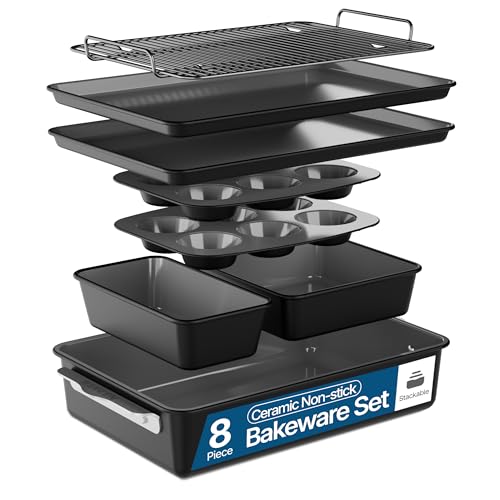


Who Should Buy Which Ceramic Bakeware?
Different cooks need different strengths from the same material. A small household may value compact dishes that stack well, while a frequent host may need larger pieces that hold a full meal. Match the dish to the job first, and let price follow that decision.
For Value Seekers
Value seekers should look for a small set of versatile pieces rather than a large collection of single purpose dishes. A medium rectangular baker, a round cake pan shape, and a loaf pan cover most everyday baking, and they cost less to buy and store than a full set. Check the glaze for an even, smooth finish, and check that handles feel solid enough to lift a full dish with oven mitts. A simple, well made core set often lasts longer in daily use than a larger set of thin pieces.
For Gift Shoppers
Gift shoppers should favor classic shapes and neutral colors that fit many kitchens, since a gift should be easy to use from the first meal. A covered casserole or a generous baking dish makes a practical gift, especially when the recipient cooks for family or friends. Look for clear care guidance from the maker, so the recipient knows whether the piece can go in a dishwasher and what heat limits apply. A sturdy gift box and a warranty that is easy to claim add practical value beyond the dish itself.
For People Who Want the Best Performance
Performance minded cooks should focus on even wall thickness, a glaze that resists staining, and shapes that match their favorite recipes. A thicker wall holds heat well and can help food cook evenly, but it also adds weight, so balance heat performance against comfortable lifting. Look for dishes with a flat base that sits steadily on an oven rack, and for rims that give a secure grip. Paying more makes sense when the extra cost buys better glaze coverage, stronger handles, and a size you will actually use often.
For First Time Buyers
First time buyers should start simple, with one or two pieces that match meals they already cook. A rectangular baker is a forgiving first piece, because it works for casseroles, roasted vegetables, and baked pasta. Read the maker guidance on heat limits and sudden temperature change before the first use, since ceramic needs gentler handling than metal. Choose a size that fits your oven with room for air to move around the dish, and you will avoid the most common early mistake.
Key Features to Compare
Use these features as a checklist when you compare dishes. No single feature decides quality on its own, but together they explain why two dishes that look alike can cook very differently.
Price vs Value
Ceramic bakeware spans a wide price range, from about $15 to $60 for a single everyday dish and higher for a full set or a large covered casserole. Budget pieces can serve well for simple baking, but they may have thinner walls or a glaze that stains more easily over time. Mid range pieces often offer the best balance of finish, weight, and durability for regular use. Premium pieces may justify their price with thicker walls, better glaze, and stronger handles, but only if you cook often enough to notice the difference.
Warranty and Customer Support
A warranty matters most for ceramic, because chips and cracks can end the life of a dish. Read what the maker covers, and note whether thermal shock, glaze defects, and handle failure are included or excluded. Keep the purchase receipt and the care guidance, since a claim is easier when you can show normal use. Responsive support also helps when you need a replacement lid or a matching piece, so check whether the maker sells parts separately before you buy.
Intended Use and Who It Is For
Start with your main use, then choose the shape that serves it. A deep dish suits layered casseroles and baked pasta, while a shallow dish browns gratins and roasted vegetables more evenly. A loaf pan gives structure to breads and meatloaf, and a pie dish with a sloped side helps with crusts and serving. If you bake for one or two people, smaller dishes reduce waste and store more easily than oversized pieces.
Key Performance Specs
The most useful specs are size, depth, wall thickness, and the maker stated heat limit. Measure your oven interior and your storage shelf before you buy, and leave space for air to flow around the dish. Depth affects cooking time, so a deep dish may need a longer bake than a shallow one for the same recipe.
Wall thickness affects heat retention, while a stated heat limit tells you whether the dish suits high heat roasting. Compare these numbers across dishes instead of judging by weight alone.
Maintenance and Long Term Costs
Long term cost depends on how a dish ages, not only on its purchase price. A glaze that resists staining and absorbs little odor stays pleasant to use for years, while a porous surface may show marks sooner. Dishwasher use may be allowed by some makers and discouraged by others, so follow the guidance for your piece.
Replacement cost matters too, since a broken dish in a set may be hard to match. A durable single piece can cost less over time than a cheaper set that needs frequent replacement.
Types of Ceramic Bakeware Compared
| Type | Best For | Pros | Cons | Typical Price |
|---|---|---|---|---|
| Rectangular baker | Casseroles and baked pasta | Versatile shape, easy serving | Can be heavy when full | around $25 |
| Round baker | Cakes and gratins | Even browning, neat slices | Less useful for large roasts | around $25 |
| Covered casserole | Slow baked meals | Holds moisture, oven to table use | Lid needs extra storage space | around $45 |
| Loaf pan | Breads and meatloaf | Good structure, easy slicing | Single purpose shape | around $20 |
| Pie dish | Pies and tarts | Sloped sides help serving | Less useful for savory roasts | around $20 |
Use this table as a starting point, then check the size and depth of each type against your recipes. A type that looks ideal on paper may still be the wrong fit if it crowds your oven or holds more food than you cook.
Common Mistakes to Avoid When Buying Ceramic Bakeware
- Judging by price alone, without checking glaze quality, wall thickness, and handle strength.
- Buying a dish that is too large for your oven or too small for your usual recipes.
- Ignoring the maker heat limit, then using the dish for high heat roasting it was not made for.
- Skipping the warranty terms, so a chip or crack becomes a full replacement cost.
- Choosing a shape for looks rather than for the meals you cook most often.
Each of these mistakes is easy to avoid with a quick check before purchase. Measure your oven, read the care guidance, and match the dish to a meal you cook at least once a month.
Care and Maintenance Tips
Read the manual before first use, and follow the maker guidance on heat limits, sudden temperature change, and cleaning. Let a hot dish cool before you run cold water over it, since a sharp temperature change can stress ceramic. Clean and inspect regularly, and check the glaze for chips or cracks before each use.
Store pieces in a dry place, with a soft layer between stacked dishes to protect the glaze. If you are unsure whether a dish is safe for a microwave, broiler, or dishwasher, check the maker guidance for that exact piece rather than guessing. For related kitchen pieces, see our guide to the best ceramic mugs and our guide to the best ceramic cooktops, where similar glaze and heat care points apply.
Ceramic Bakeware: Your Questions Answered
How much should I spend on ceramic bakeware?
You should spend based on how often you bake and how many pieces you truly need, rather than on a single price rule. A single everyday dish often costs about $15 to $40, while a covered casserole or a full set can cost more. A first time buyer can start with one versatile baker and add pieces only when a recipe calls for them. Spending more makes sense for a dish you use weekly, since better glaze and stronger handles show their value over time.
How do I maintain ceramic bakeware?
You maintain ceramic bakeware by following the maker care guidance, avoiding sharp temperature change, and cleaning it gently after each use. Let the dish cool before washing, and use a soft sponge rather than a harsh scouring pad that could dull the glaze. Dry pieces fully before stacking, and place a soft layer between dishes to prevent chips. Inspect the glaze now and then, and retire a piece with a deep crack, since damage can worsen with heat.
How long does ceramic bakeware last?
Ceramic bakeware can last for many years when it is used within its heat limit and handled with care. Its life depends more on handling than on age, since a single drop or a sharp temperature change can cause a chip. Dishes that are stored safely, cleaned gently, and used for suitable recipes tend to last longest. A stained glaze does not always mean the dish is worn out, but a crack through the body is a sign to stop using it.
What features matter most when buying ceramic bakeware?
The features that matter most are size, depth, glaze quality, handle strength, and the maker stated heat limit. Size and depth should match your recipes and your oven, while glaze quality affects staining and cleaning. Handles should feel secure when the dish is full, and the heat limit should cover your usual baking temperatures. A warranty that covers glaze defects adds confidence, especially for a piece you plan to use often.
Are expensive ceramic bakeware worth it?
Expensive ceramic bakeware is worth it when the higher price buys a real gain in glaze quality, wall thickness, or handle strength that you will notice in use. A premium dish may brown more evenly and resist staining better than a thin budget piece. It is less worthwhile when the extra cost pays mainly for color or packaging, or when the dish will sit unused. Compare the gain against your cooking frequency, and choose the price tier that fits your habits.
Final Thoughts
The right choice comes down to three checks: does the size fit your oven and your recipes, does the glaze and build suit your cooking frequency, and does the care guidance fit your routine. Start with a versatile piece, learn how it handles heat and cleaning, and add shapes only when a meal needs them. That patient approach keeps your kitchen useful without filling it with dishes you rarely touch. Review the product table above once more, then choose the best ceramic bakeware for the meals you cook most.