
Best Casserole Dish for Your Home (2026): A Quick Guide and Checklist
Disclosure: We may earn a commission when you buy through links on this page, at no extra cost to you. As an Amazon Associate I earn from qualifying purchases. Learn more
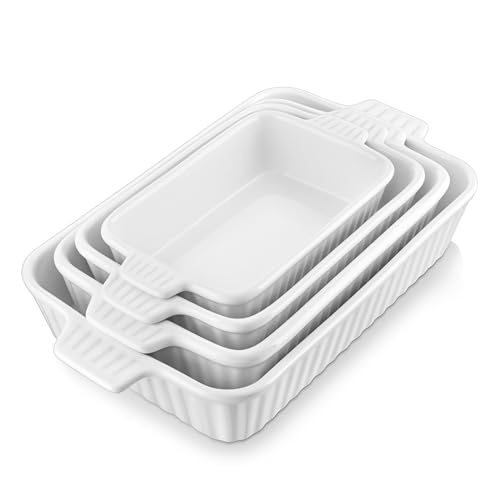
Learn how to choose the best casserole dish for your home by size, material, lid, handles and budget, with simple care tips for everyday baking and serving.
A casserole dish earns its shelf space on weeknights, not just holidays. It has to hold a family sized bake without spilling, fit your oven and your storage shelf, and move from oven to table without looking out of place. Choosing a best casserole dish for your home comes down to matching size, material, and features to the way you actually cook, and the comparison table below lays those options out side by side.
This guide focuses on your home rather than on cooking show performance. You will find a plain checklist for size and material, honest notes on which features are worth paying for, budget ranges in plain dollars, and care steps that keep one good dish in service for years.




Quick Answer: What to Decide First
Start with three decisions and the rest gets easier. First, pick the capacity your household uses most weeks, not the largest meal you cook once a year. Second, choose a material that suits your routine, since glass, ceramic, and metal each heat and clean up differently. Third, decide whether you need a lid, because that feature changes storage, transport, and price.
If you cook for two to four people most days, a medium dish in ceramic or glass covers most recipes. Larger households and regular hosts usually need one bigger rectangular dish plus a smaller square one for sides.
Before You Buy: A Quick Checklist for Choosing a Casserole Dish
Size: Match It to Your Space and Your Servings
Capacity is the decision readers get wrong most, so measure first. A 9 x 13 inch rectangular dish holds about 3 to 4 quarts and suits most family casseroles, lasagnas, and sheet style bakes. An 8 x 8 inch square dish holds about 2 quarts and works well for smaller households, side dishes, and half batches of dessert bakes. A 2 quart dish serves two to three people, a 3 quart dish serves four to six, and a 4 quart dish handles six to eight with room for bubbling sauces.
Depth matters as much as footprint. Deep dishes, usually around 3 inches or more, hold layered recipes and prevent spillover, while shallow dishes brown tops faster and suit gratins. Check your oven interior, cabinet depth, and refrigerator shelf height, especially if a lid adds height. One right sized dish you reach for weekly beats a set that crowds a cabinet.
Which Type Fits Your Routine
Glass dishes heat evenly, let you watch browning from the side, and go from oven to table without fuss. They are a sensible everyday choice, and our guide to the best glass casserole dish explains the thickness and rim details to look for. Glass does have limits around sudden temperature change, so it needs a few minutes of rest before it meets a cold surface or cold liquid.
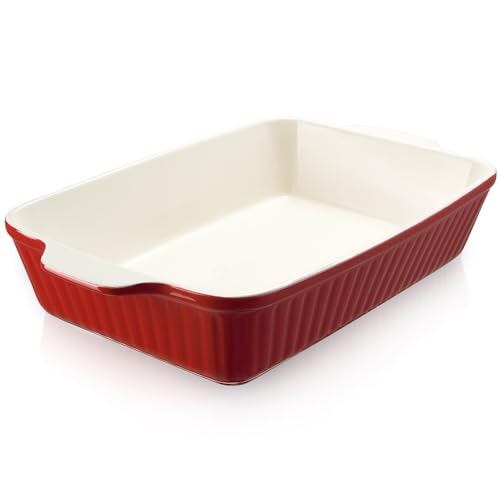
Ceramic and stoneware hold heat well, keep food warm at the table, and come in colors that suit serving. They weigh more than glass and can chip if knocked against a sink edge, but for oven to table cooking they are hard to beat. If that serving role appeals to you, see our notes on the best ceramic casserole dish for glaze and weight points. Porcelain is a lighter, finer ceramic that suits smaller bakes and desserts.
Enameled cast iron is the heavy, long lasting option. It moves from stovetop to oven and holds heat through a long meal, but it is heavy even when empty and costs the most. Metal pans heat fast and brown edges well, yet they react with acidic tomato based foods over long storage. For most homes, glass or ceramic covers daily needs, and cast iron is an upgrade for cooks who braise often.
Features Worth Paying For, and Ones to Skip
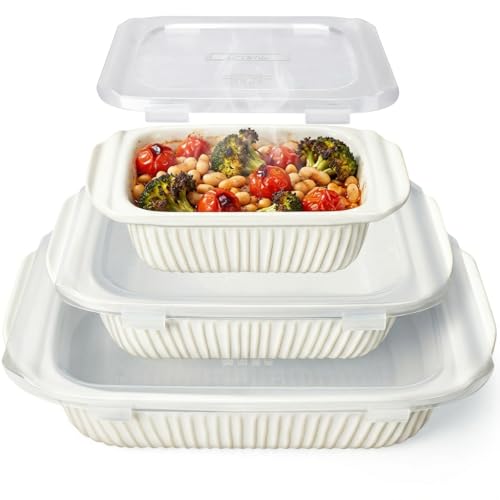
A well fitting lid is the feature most worth your money. It keeps food moist during long bakes, makes refrigerator storage simple without foil or wrap, and turns the dish into a safer carrier for potlucks. If you bake covered dishes often or cook ahead for the week, start with our guide to the best casserole dish with lid and check that the lid seals evenly and has a handle you can grip with mitts on. A trivet style lid that doubles as a stand is a bonus, not a need.
Handles matter more than they look. Wide, open handles you can grip with bulky oven mitts prevent the wobble that causes spills, while tiny decorative tabs are a common complaint. A carrier helps if you transport food weekly, but it is a skip for most home cooks. Skip novelty shapes that clean poorly and thin decorative sets with no stated oven limit.
Light Versus Dark Finishes and Browning
Finish color changes how food browns. Dark metal and dark glazes absorb more heat, so bottoms and edges brown faster and can overcook delicate egg or cheese dishes before the center sets. Light colored ceramic, pale stoneware, and clear glass brown more gently and give you a wider margin for error. If you love crisp edges on macaroni and cheese, a darker finish helps. If you bake custards or strata, choose a light finish and use the center rack.
Oven Safe Temperature and Heat Shock
Every dish should state a maximum oven temperature, commonly around 425 to 500 degrees Fahrenheit for glass and ceramic. Check that limit against your habits, especially if you finish dishes under a broiler, since many glass and ceramic dishes are not broiler safe at all. Heat shock is the bigger risk: moving a hot dish onto a wet or cold counter can crack glass and stoneware. Let it rest on a dry trivet first.
Nonstick Coating Versus Uncoated Surfaces
Nonstick coatings release cheesy and sugary foods with very little effort, and they suit metal pans used for sticky bakes. The trade off is lifespan, because coatings wear, scratch with metal tools, and usually cap the oven temperature lower than uncoated surfaces. Uncoated glass and glazed ceramic release food well when greased, tolerate higher heat, and last far longer. For a dish you expect to own for a decade, uncoated is usually the smarter buy.
Realistic Budget Ranges
Expect clear tiers as you shop. Under $20 usually buys a basic glass or metal dish that cooks well but may have small handles and no lid. Under $40 adds thicker glass, better ceramic, and lidded options with sturdier rims. Under $80 brings heavier stoneware, nicer glazes, and sets with a useful second size. Under $150 is enameled cast iron and premium ceramic territory, where you pay for heat retention and longevity rather than basic function. Spend first on the right size and material, then on a lid.
Three Buying Profiles and What to Prioritise
Profile One: The Everyday Family Cook
You bake two or three times a week, feed four to six people, and want one dish that handles lasagna, enchiladas, and a Sunday roast side. Prioritise a 9 x 13 inch dish of about 3 to 4 quarts in glass or ceramic, with wide handles and a lid for leftovers. Spend in the under $40 range and put any leftover budget toward a smaller 8 x 8 inch dish for sides.
Profile Two: The Small Household or Tight Kitchen
You cook for one or two, store dishes in a shallow cabinet, and hate washing a huge pan after a small meal. Prioritise a 2 quart square or oval dish that fits a compact oven, stacks neatly, and doubles as a serving piece. Glass keeps weight down and lets you check doneness from the side. One well chosen small dish beats a large set that gathers dust.
Profile Three: The Host Who Cooks Ahead
You host holidays, batch cook for the freezer, and carry food to other homes. Prioritise capacity and a secure lid above looks: a deep 4 quart rectangular dish, plus handles you can trust under a heavy load. Enameled cast iron or thick stoneware holds heat through a long table service. Budget about $80 to $150 for the main dish, and confirm it fits your refrigerator shelf before you buy.
How to Evaluate a Casserole Dish Before You Order
You can judge most dishes from their stated specs. Check the listed capacity in quarts rather than trusting words like large, and confirm whether dimensions include the handles. Read the stated oven limit and any broiler warning, and note the empty weight, since a full 4 quart casserole can weigh 10 pounds or more. Then picture the dish in your routine: will it sit flat in your sink for soaking and store where you can reach it easily? Buyer comments help most on practical points like whether lids warp or handles run small.
Choosing by Household and Kitchen Space
Couples and singles do best with a 2 quart dish plus one medium option for guests, while families of five or more should anchor the kitchen with a 4 quart dish and keep a 3 quart backup. Studio kitchens reward oval dishes, which fit narrow ovens and store in corners. If two materials still seem equal, our guide to glass vs ceramic baking dish walks through heat retention and weight in more depth.
Holiday hosts should think in pairs, since a main and a side rarely need the same temperature or timing. Renters with older ovens should measure the oven interior rather than trusting the stove width, since compact ranges often fit a 9 x 13 inch dish and nothing larger.
Common Mistakes to Avoid
- Buying by footprint alone and ignoring quarts, so the dish overflows or leaves food spread too thin to stay moist.
- Choosing a dish that fits the oven but not the cabinet or refrigerator, which pushes it out of daily use.
- Putting a glass or ceramic dish under the broiler when the maker rates it for oven use only, which can crack it.
- Skipping a lid to save money, then spending more over time on foil, wrap, and spills during transport.
- Paying for a large set with sizes you never use instead of one dish in the size your recipes actually call for.
Cost of Ownership and Care
A good dish should cost you almost nothing to own after purchase. Glass and ceramic need no special products, only soaking in warm soapy water and a nonabrasive pad for baked on edges. For stubborn spots, our guide on how to clean a casserole dish covers soaking times and safe tools for each material. Avoid metal utensils on glazed surfaces, and let the dish cool before soaking.
Storage habits decide how long the dish lasts. Stack glass and ceramic with a cloth layer between pieces to stop rim chips, and inspect stoneware before holiday baking for hairline cracks, because a cracked dish can fail under heat. With that basic care, a quality glass or ceramic dish commonly serves for many years.
Frequently Asked Questions
What makes a casserole dish reliable over years of use?
Reliability comes from even thickness, a clear oven temperature limit, and a glaze or glass surface without bubbles or rough spots. Thick walls resist warping and heat shock better than thin ones, and a maker that states exact capacity is easier to trust. One extra sign of quality is a rim with no sharp edge, because rims take the most knocks in storage.
How do you clean a casserole dish with baked on cheese or sauce?
Fill the cooled dish with warm water and a small amount of dish soap, then soak it for 20 to 30 minutes before washing. Most residue lifts with a soft sponge after soaking, and a paste of baking soda and water handles the remaining film without scratching glaze or glass. Drying the dish fully before storage prevents water spots on glass and keeps cabinet shelves dry.
Is a casserole dish worth buying if you already own a sheet pan and a skillet?
Yes, because a casserole dish does jobs those two pans handle poorly. Its deep sides hold sauces and layered recipes without spilling, and it moves straight to the table for serving, which saves a transfer and extra washing. It also stores leftovers in the same vessel when it has a lid.
How long does a casserole dish usually last?
A glass or ceramic dish lasts many years with gentle handling, and enameled cast iron can last for decades. Lifespan drops when dishes suffer repeated heat shock, metal utensil damage, or hard knocks in a crowded sink. One practical habit extends life more than any other: always set a hot dish on a dry trivet or folded towel, never on a wet counter or a cold stone surface.
Can a casserole dish go from the freezer straight into a hot oven?
No, most glass and ceramic dishes should not move directly from freezer to hot oven. The sudden temperature jump can crack the material even when the dish is rated for high heat, so let it sit at room temperature for about 30 minutes first. Enameled cast iron tolerates the change better, but gradual warming is still kinder to the enamel and gives more even cooking.
Final Thoughts
The right dish is the one sized for your household, built from a material that suits your routine, and easy to lift, wash, and store. Use the product table above to compare capacities, materials, and lid options against this checklist, and let weeknight cooking, not a holiday menu, drive the size you choose. Pick well once, and the best casserole dish for your home becomes the workhorse your kitchen reaches for year after year.
Prices can change, so check the product page before ordering.


