
Best Ceramic Bakeware Set for 2026: A Practical Guide for Real Homes
Disclosure: We may earn a commission when you buy through links on this page, at no extra cost to you. As an Amazon Associate I earn from qualifying purchases. Learn more
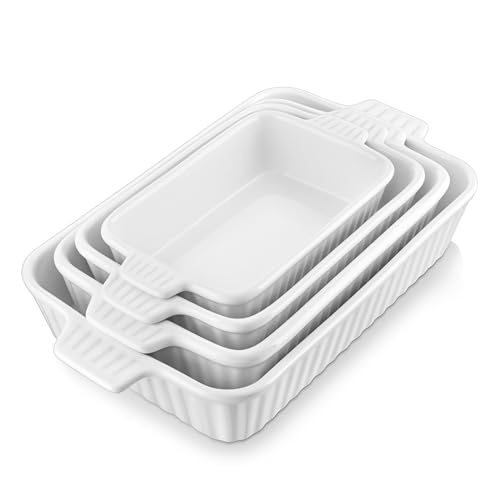
Compare the best ceramic bakeware set by piece sizes, stoneware versus coated metal, heat limits and budget for everyday baking.
A crowded bakeware cabinet often holds plenty of pans and still lacks the one dish you need for lasagna night or a Sunday roast. Choosing the best ceramic bakeware set starts with your oven size, your storage space, and how many people sit at your table. The comparison table below gathers the key details in one place so you can match pieces to your home before you spend.
This guide focuses on everyday fit. You will learn which sizes earn their space, how solid stoneware differs from ceramic coated metal, what heat limits mean, and what each budget level can deliver. By the end, you can build a short list for a first apartment, a busy family kitchen, or a home where dishes go straight from oven to table.
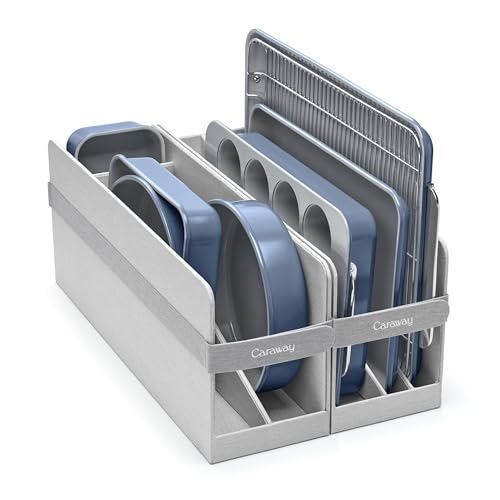

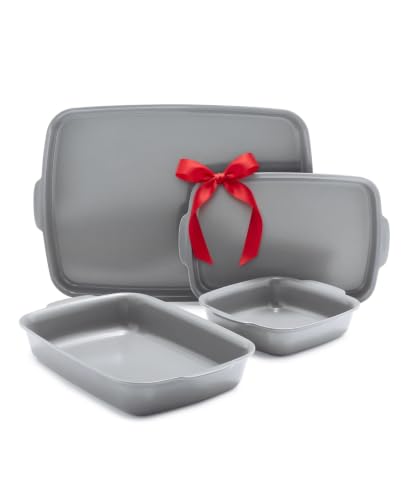

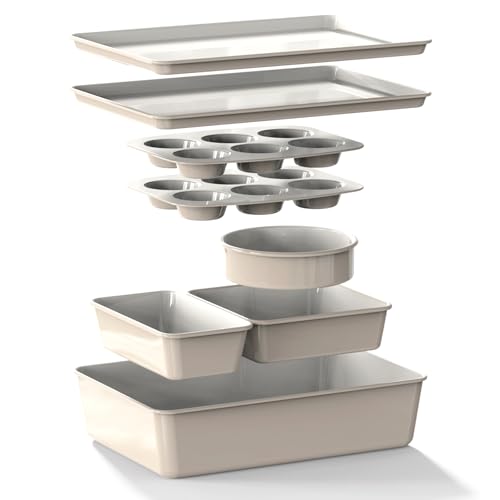


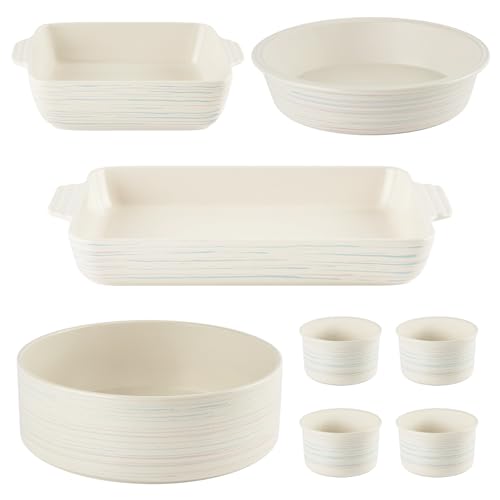

Quick Answer: What a Good Ceramic Set Looks Like
A good set covers your three most common jobs without duplication. For most homes that means a medium rectangular baker for casseroles, a smaller baker for sides and reheating, and a pie dish or loaf pan you will actually use. Lids, a rack, or specialty shapes help only when they match meals you already cook regularly.
Look for thick walls, a smooth glaze with no rough spots, and handles you can grip with oven mitts. Check the oven safe limit for every piece, because lids sometimes carry a lower limit.
Before You Buy: A Quick Checklist for Choosing a Bakeware Set
Size: Match It to Your Space and Household
Measure the inside of your oven and the shelf where the set will live before you look at piece counts. Sets are sold as 5 piece, 6 piece, 10 piece, 12 piece, and 15 piece collections, but sellers count lids and small accessories in different ways, so list the actual dishes and dimensions instead of trusting the number on the box. For one or two people, two medium bakers often beat a huge set. For four or more, a large rectangular dish plus a deeper casserole gives room for main dishes and sides at the same time.
Which Type Fits Your Routine
True ceramic bakeware, usually stoneware or porcelain, is solid ceramic through the whole wall of the dish. It holds heat steadily, looks good for serving, and suits casseroles, gratins, and baked pasta. Ceramic coated metal is different, because a metal core carries a ceramic style nonstick coating that feels lighter and releases food quickly, but that coating wears over time in a way a glazed stoneware surface does not. If you compare a ceramic set with a broader best bakeware set, keep that distinction clear, because care, weight, and service life change with the material under the surface.
Readers who want to avoid certain coatings often compare ceramic options with a best non toxic bakeware set to see which finishes match their comfort level. Choose ceramic when you value steady heat, attractive serving, and a surface that does not rely on a thin coating.
Features Worth Paying For and Ones to Skip
Useful extras solve a daily problem. Tight fitting lids help with storage and transport, wide handles help with heavy and hot dishes, and a cooling rack matters if you bake cookies or cool cakes often. Skip duplicate ramekins you will never fill, tiny dishes counted only to inflate the piece total, and specialty shapes for foods you make once a year. A ceramic baking pan set that adds one well sized baker will serve you better than a large box of narrow extras.
Light vs Dark Finish and Browning
Finish colour influences how food browns, even though ceramic changes heat more gently than thin metal. A light glaze tends to give paler and more even bottoms on cakes and scones, which helps when you want gentle colour. A dark glaze absorbs more heat and can deepen crusts on roasted vegetables, breads, and gratins. If edges darken before centres finish, choose lighter finishes.
Oven Safe Temperature and Heat Limits
Read the heat limit for the exact set and for each kind of piece. Many stoneware bakers handle typical home baking temperatures with ease, while some lids, silicone parts, and coated pans have lower limits. Never assume a dish that is oven safe is also safe under a broiler or on a stovetop. Let a cold dish warm a little at room temperature before it enters a hot oven, and place a hot dish on a dry trivet rather than a cold or wet counter.
Nonstick Coating vs Uncoated Ceramic Surfaces
A glazed stoneware dish is not sold as nonstick, yet a smooth glaze releases most baked foods well when you grease it lightly or line it for sticky bakes. A ceramic coated pan releases food with less added fat at first, but metal utensils, abrasive pads, and high heat shorten the life of that coating. Shoppers weighing that trade off often look at a best nonstick bakeware set for rolls and muffins where release matters most. For casseroles and serving dishes, an uncoated glazed surface is usually the simpler long term choice because there is no coating to scratch or wear thin.
Realistic Budget Ranges
Sets under $50 usually cover starter needs with a few core pieces and thinner walls, so expect basic glazes and fewer lids. Sets at about $50 to $100 often add better size variety, sturdier handles, and a more even finish, which suits most daily baking. Sets at about $100 to $200 should justify the step up with thicker stoneware, consistent glazing, well fitting lids, and pieces that nest neatly. Tie every extra dollar to weight, finish quality, warranty terms, or a size you will use weekly.
Three Buying Profiles and What to Prioritise
For Most Homes: A Balanced Everyday Set
Prioritise coverage over quantity. Aim for a medium and a large rectangular baker, a round casserole or pie dish, and one loaf or square baker that matches your habits. Choose stoneware with wide handles, a light or mid tone glaze for flexible browning, and lids for pieces you will use for leftovers.
For Small Budgets and First Kitchens
Start small and add later rather than buying a large set with pieces you cannot store. Two versatile bakers in different sizes handle most casseroles, roasted vegetables, baked pasta, and fruit crumbles for one or two people. Look for sets under $50 that still feel solid, have smooth glaze, and state a clear heat limit. Skip lids and racks at this level if the choice forces thinner dishes.
For a Long Term Investment in Stoneware
Choose thickness, finish quality, and a size range you can grow into. Thicker stoneware resists everyday knocks better and holds serving temperature longer at the table. Check that matching singles are available, since one broken baker should not end the usefulness of the whole set. This profile suits keen home bakers and anyone building a registry or a lasting kitchen foundation, where cost per year of use matters more than the lowest shelf price.
How to Evaluate a Ceramic Bakeware Set
Judge every set against the same five points so marketing claims do not steer you. Heat distribution matters because thick and even walls reduce hot spots in casseroles. Food release matters because a smooth glaze should let servings lift cleanly with light greasing and normal soaking. Cracking and chipping resistance matter a great deal for ceramic, so inspect rims and handles for thin or rough areas. Material safety and cleaning matter too, because a set you dread washing will sit unused.
Use maker specifications and verified buyer comments about chips and cracks as your sources. If safety is your main concern, read our guide on what is the safest bakeware before you decide which claims you trust. Look for plain language about lead and cadmium compliance where relevant.
Ceramic Compared With Other Bakeware Materials
Ceramic sits between glass and metal in daily use. It holds heat longer than both once it is hot, so food stays warm for serving, but it also takes longer to heat through and weighs more than a metal pan of the same size. Glass lets you watch sides brown and costs less, yet it can also crack with sudden temperature change. The detailed comparison in glass vs metal bakeware shows how those two materials handle browning and heat, and ceramic adds a third option when steady heat and presentation matter more than speed.
Metal pans heat fast and suit cookies and crisp crusts, while silicone is light for muffins but lacks the firm base and serving presence of stoneware. A mixed kitchen is normal, and your ceramic set should cover the baked and served dishes where it does best.
Common Buying Mistakes to Avoid
- Buying by piece count alone, which can leave you with repeated small dishes and no baker large enough for a family casserole.
- Skipping oven and cabinet measurements, which leads to a set that fits the oven but cannot be stored where you can reach it.
- Confusing solid stoneware with ceramic coated metal, which leads to the wrong care routine and the wrong expectation for service life.
- Ignoring the heat limit on lids and smaller pieces, which can damage parts even when the main baker handles the temperature well.
- Paying for specialty shapes before core sizes, which raises the price while your most common meals still lack the right dish.
Cost of Ownership and Care
The purchase price is only part of what a set costs you. Solid stoneware has no coating to replace, so careful owners can keep it working for many years, while coated pans may need replacement once release fades. Factor in pads or cloths if you stack heavy dishes, plus the cost of one replacement baker if a set lacks open stock singles. Hand washing is safest for decorated and coated pieces, and even dishwasher safe stoneware keeps its glaze better when harsh detergents are limited.
Daily care is simple. Soak baked on food in warm water instead of scraping with metal, use nylon or wooden tools, and dry pieces fully before stacking. Place soft pads between stacked bakers to prevent rim chips, and stop using a piece with a crack through the wall.
Your Questions, Answered
How long does a ceramic bakeware set last?
A solid stoneware set can last many years with careful handling and gradual temperature changes. Longevity depends more on avoiding knocks, sudden heat shock, and abrasive cleaning than on how often you bake. Ceramic coated metal usually gives a shorter service life because the coating wears, so watch for food starting to stick despite greasing. Early sticking signals that a coated piece is near the end of its useful life.
What is the safest bakeware material for daily use?
The safest bakeware for daily use is a material with clear maker information, a stable cooking surface, and care rules you will follow. Glazed stoneware, glass, and plain stainless steel are common choices because their surfaces do not rely on a thin synthetic coating. Check maker compliance statements if glaze composition concerns you, and retire any dish with a crazed or deeply cracked cooking surface. Cracked glaze can trap residue and makes cleaning harder.
Is aluminum bakeware safe to use?
Aluminum bakeware is widely used and is generally considered safe for normal home baking when it is in good condition. Bare aluminum can react with acidic foods such as tomato or lemon mixtures, which can affect flavour and discolour the surface, so line the pan or choose ceramic or glass for long acidic bakes. Anodized or coated aluminum reduces that contact, but damaged coatings should not be scraped or overheated.
What bakeware does a home kitchen actually need?
A home kitchen needs bakeware that matches the meals cooked there most often, starting with one medium baker and one larger baker. Add a pie dish if you bake pies or quiches, a loaf pan if you bake breads or meatloaf, and a muffin pan only if muffins are regular in your home. A useful audit is to list your last ten oven meals and buy for those dishes first. That prevents buying for imagined parties instead of real weeknight cooking.
Are ceramic bakeware sets worth it for most homes?
Ceramic bakeware sets are worth it for homes that bake casseroles, gratins, and desserts they want to serve in the same dish. The steady heat, durable glaze, and table ready look justify the extra weight for those meals. They are less worthwhile if you mostly bake cookies and sheet cakes, where metal pans heat faster and store more easily.
What is the best ceramic bakeware set for a small kitchen?
The best choice for a small kitchen is a compact set whose pieces nest well and cover two or three core sizes without duplicates. Measure shelf height as well as width, because tall handles and knob lids can waste vertical space even when dishes stack. Lids that sit flat for storage save more room than domed lids. If space is tight, buy two bakers first and add a pie dish later.
Final Thoughts
Start with your space, your household size, and the meals you cook most, then let those facts set the size, material, and budget for your set. Use the product table above to compare heat limits, piece lists, and finishes side by side before you choose. When you pick the best ceramic bakeware set for your real routine instead of the largest box on the shelf, you get dishes that earn their place and serve dinner as well as they bake it.

