
Best 9 X 13 Casserole Dishes (2026): Buying Guide and Top Options
Disclosure: We may earn a commission when you buy through links on this page, at no extra cost to you. As an Amazon Associate I earn from qualifying purchases. Learn more
A practical guide to the best 9 x 13 casserole dish: sizes, features, budget ranges, and mistakes to avoid before you buy.
A holiday morning can turn crowded fast. One dish holds breakfast strata, another needs the oven for potatoes, and counter space disappears under bowls and cutting boards. Choosing the best 9 x 13 casserole dish for your home removes one big worry, since this size handles lasagnas, enchiladas, baked pastas, and sheet style cakes in a single pan that most ovens and cabinets accept.
This guide helps you choose by storage space, household size, and budget rather than by looks alone. You will compare materials, depths, lids, and care needs, then match a type to your routine. Use the comparison table below as a quick reference, and see our guide to the best casserole dish if you want to weigh this size against other formats.



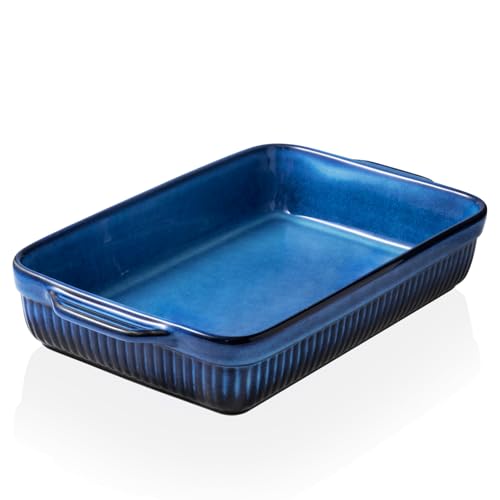

Quick Answer: Three Types in 30 Seconds
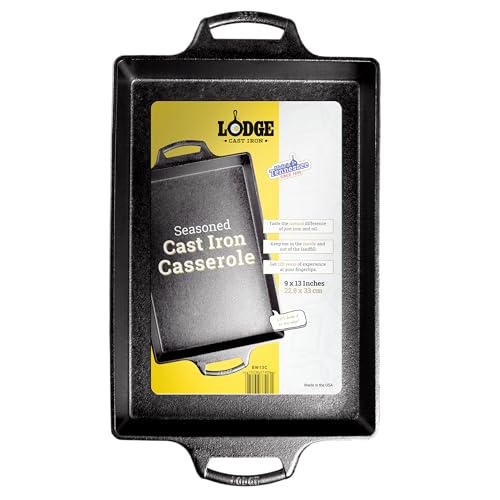
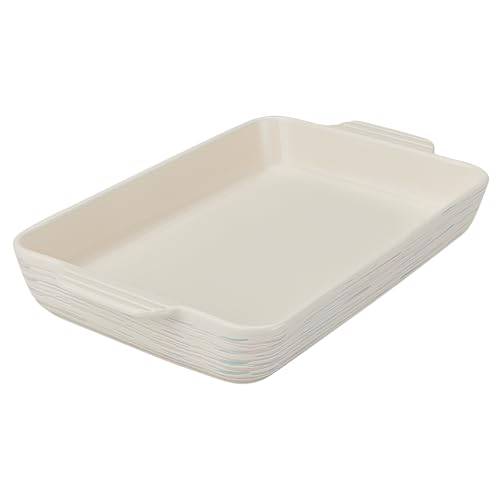
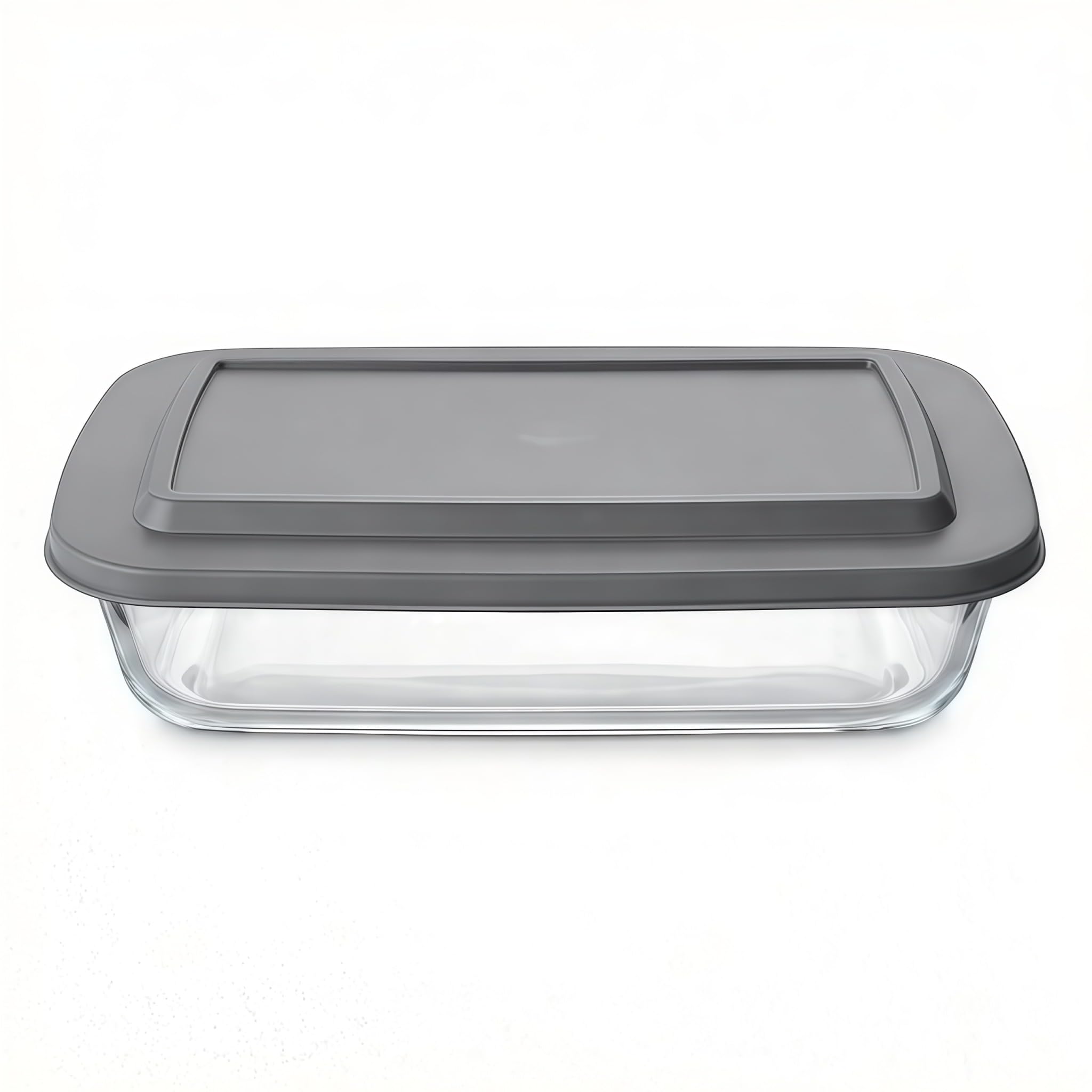
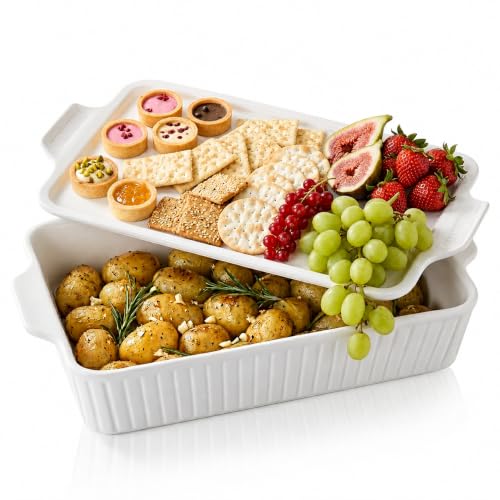
Glass suits most homes because it is affordable, shows browning at the edges, and moves from oven to table without fuss. Ceramic and stoneware hold heat longer at the table and look polished for guests. Enameled cast iron costs the most, feels the heaviest, and rewards cooks who bake often and want steady heat and a pan that can last for decades with careful handling.
Before You Buy: A Quick Checklist for Choosing a Casserole Dish
Size: Match It to Your Space
A standard 9 x 13 dish holds about 3 quarts in many designs, while deeper versions hold closer to 4 quarts and suit layered dishes that bubble as they bake. Measure your oven interior, cabinet shelf height, and sink width before you buy, since wide handles can add 2 to 3 inches to the total footprint. If you mostly cook for two, a smaller 8 x 8 or 2 quart dish may store better and give thicker portions.
Depth matters as much as length and width. Sides around 2 inches work for cakes and thinner bakes, while sides closer to 3 inches contain saucy pasta and prevent spills when you carry the dish. Check the stated capacity in quarts, not just the outer dimensions, because sloped walls reduce the usable volume inside.
Which Type Fits Your Routine
Glass is light, usually the least costly, and lets you watch the bottom and sides brown. It can crack if it moves suddenly from a cold surface to high heat, so it rewards careful handling. If this material appeals to you, our guide to the best glass casserole dish covers the format in more depth.
Ceramic, stoneware, and porcelain bake evenly, resist staining better than plain glass in many cases, and look at home on a dining table. They weigh more than glass and can chip if knocked against a faucet or another pan. Readers who like that oven to table style can compare options in our guide to the best ceramic casserole dish. Enameled cast iron is the heaviest type, holds heat the longest, and usually carries the highest price.
Features Worth Paying For, and Ones to Skip
Wide, easy to grip handles are worth paying for, since a full dish is heavy and oven mitts reduce your grip. A fitted lid helps with storage, transport, and keeping food warm, and our guide to the best casserole dish with lid explains lid styles in detail. A separate carrier is worth it only if you travel to potlucks often. Decorative fluting, gift style packaging, and matching serving spoons add cost without improving how the dish bakes, so you can safely skip those extras.
Light Versus Dark Finish and Browning
Light colored interiors make it easier to judge browning on pasta edges, egg bakes, and cake corners. Dark finishes absorb more heat and can brown bottoms faster, which helps crisp toppings but can overbrown delicate bakes if you do not watch the timer. If you are weighing material against finish, the comparison in glass vs metal baking pan shows how pan color and material change results.
Oven Safe Temperature
Check the maximum oven temperature printed by the maker, and note any separate limit for the lid, since plastic and silicone lids often tolerate far less heat than the dish itself. Many glass and ceramic dishes suit everyday baking at moderate temperatures, while enameled cast iron usually allows higher heat. Never assume a dish can go on a stovetop burner unless the maker states it clearly, because most glass and ceramic bakers cannot.
Nonstick Coating Versus Uncoated
Nonstick coatings release cheesy and sugary bakes with less effort, but the coating wears over time and metal utensils shorten its life. Uncoated glass, ceramic, and enamel have no coating to wear away, and a light coating of oil or butter usually gives enough release for casseroles. If you plan to cut servings in the dish with a metal spatula, an uncoated surface is the safer long term choice.
Realistic Budget Ranges
Under $20, expect simple glass dishes with basic handles and no lid, which still bake very well for everyday use. At under $40, you gain lids, deeper walls, or a ceramic finish that presents better at the table. At under $80, stoneware and larger sets with storage lids become common. At under $150, enameled cast iron and premium stoneware enter the picture, and you are paying for heat retention, weight, and finish rather than for larger capacity.
Three Types Worth Your Money
Glass for Most Homes
Glass is the practical default for most households. It costs the least, cleans up in the dishwasher in most cases, and does not react with tomato based sauces or citrus. You can see when a lasagna base is bubbling and when edges turn golden, which helps new cooks judge doneness. Its limits are thermal shock and modest heat retention, so let it rest on a dry trivet and serve promptly while the food is hot.
Ceramic and Stoneware for Table Service
Choose ceramic or stoneware if your dish often goes straight from the oven to a shared table. These materials hold serving warmth longer than glass, come in colors that suit dining rooms, and resist the scratches that come from serving spoons. They suit holiday meals, baked pastas for guests, and homes where one pan does both cooking and serving. Budget for padded storage, since rims and handles can chip when stacked against harder pans.
Enameled Cast Iron for Frequent Bakers
Enameled cast iron suits cooks who bake weekly and want the steadiest heat of the three types. Thick walls reduce hot spots, so gratins and fruit crisps cook at an even pace from corner to corner. The trade off is weight, since a full dish can be hard to lift for some cooks, plus a price several times that of glass. If wrist strength or budget is a concern, glass or ceramic will serve you better.
How the Options Are Compared
We ranked types by heat distribution, food release, resistance to warping or cracking, material safety, and ease of cleaning. We relied on maker specifications for capacity, dimensions, and temperature limits, and on patterns in verified buyer feedback about chips, lid fit, and handle comfort.
Is a 9 X 13 Casserole Dish the Right Size for You?
This size fits most standard recipes without scaling, which is its biggest advantage. A typical lasagna, a party sized mac and cheese, or a holiday green bean casserole is written for this footprint, so you skip guesswork about bake times. It generally serves about 6 to 8 people as a main dish, depending on portion size and side dishes.
It may be too big for a compact apartment oven, a small household that dislikes leftovers, or a cabinet with shallow shelves. In those homes, an 8 x 8 or a 2 quart dish gets more weekly use. It may also be too small for very large gatherings, where two dishes bake more evenly than one oversized pan. Check your oven width with the door closed in mind, since racks and rear fans reduce usable space.
Common Buying Mistakes to Avoid
- Buying by outer dimensions alone, so the dish fits the oven but holds less than your recipes need.
- Ignoring handle width, so a dish that fits on paper cannot pass through your oven door or cabinet opening.
- Paying for a large set when one good dish and a lid would cover nearly every meal you cook.
- Assuming every lid is oven safe, which can warp a storage lid and ruin a bake mid meal.
- Choosing the heaviest material without lifting a full pan first, so serving becomes awkward and unsafe.
Cost of Ownership and Care
Ongoing cost is low for this category. Your main expenses are replacement lids, padded storage liners, and gentle cleaning pads for enamel or nonstick surfaces. Glass and ceramic need no special products, and most stains lift with a warm soak. Our guide on how to clean a casserole dish walks through baked on residue step by step.
Store dishes with a cloth or felt pad between stacked pieces to protect rims and enamel. Avoid sudden temperature swings, let a hot dish cool a few minutes before washing, and inspect edges for chips before each use, since a chipped rim can grow under heat. Hand washing extends the life of enamel and decorative finishes, even when a maker allows dishwasher use.
Your Questions, Answered
Can a 9 by 13 casserole dish go under the broiler?
Some can and many cannot, so check the maker guidance for your exact material before you try it. Glass and ceramic often carry a no broiler rule, while enameled cast iron more often allows short broiler use with space between the food and the element. If your dish is not rated for the broiler, move the food to a rated pan for the final browning minutes instead of risking a crack.
How long does a 9 by 13 casserole dish last?
Glass and ceramic dishes can serve for many years, and enameled cast iron can serve far longer, if the surface stays intact. Retire a dish when you see a deep crack, a chip that catches a fingernail on a food contact edge, or crazing that traps stains after washing. Those flaws are not just cosmetic, because cracks can spread under heat and rough edges can harbor residue.
Is a 9 by 13 casserole dish worth it if you already own a rimmed sheet pan?
Yes, for saucy and layered foods, because the deeper walls hold liquid that a sheet pan cannot contain. A sheet pan gives you surface area for roasting, but it cannot hold a lasagna, a strata, or a sauced bake without spills. The two pans solve different problems, and most home cooks who bake casseroles even once a month get steady use from the deeper dish.
How do you keep a casserole from sticking without heavy greasing?
Rest the baked dish for about 10 minutes before serving, since the sauce settles and the edges release more cleanly as steam eases. A thin, even film of oil or butter is still wise for egg and cheese bakes, but you rarely need a thick coat. Serving with a flexible spatula, and loosening the perimeter first with a thin knife, also reduces torn first portions.
Final Thoughts
Start with glass for value and everyday ease, move to ceramic or stoneware if table presentation and heat retention matter, and choose enameled cast iron only if you bake often and can lift the weight with confidence. Match depth, handles, and lid to your space and household size, and the best 9 x 13 casserole dish for your home becomes an easy call. Review the product table above before you order, and check the stated dimensions and temperature limit one last time.


