
Best Casserole Dishes: A Complete Buying Guide
Disclosure: We may earn a commission when you buy through links on this page, at no extra cost to you. As an Amazon Associate we earn from qualifying purchases. Learn more
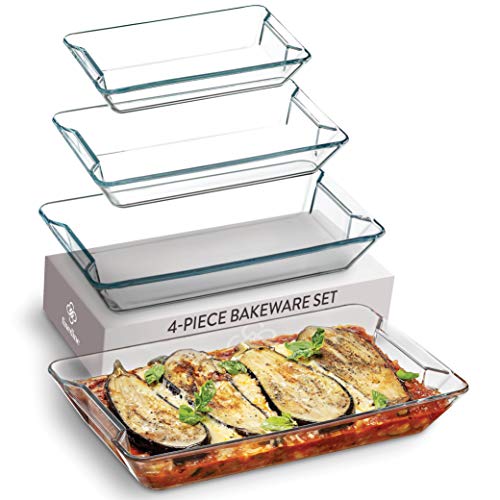
You pull a bubbling lasagna out of the oven, set it on the counter, and hear that faint crack that makes your stomach drop. Or you spend twenty minutes scrubbing burnt cheese off the corners of a pan that was clearly too small for the recipe. Picking one of the best casserole dishes for your kitchen is not just about looks. It comes down to material, size, and a few handling habits that prevent the exact problems above. In this guide, you will learn how glass, ceramic, and cast iron actually perform, what size covers most weeknight and holiday cooking, and how to avoid the cracking and overcooking mistakes that ruin an otherwise good dish.
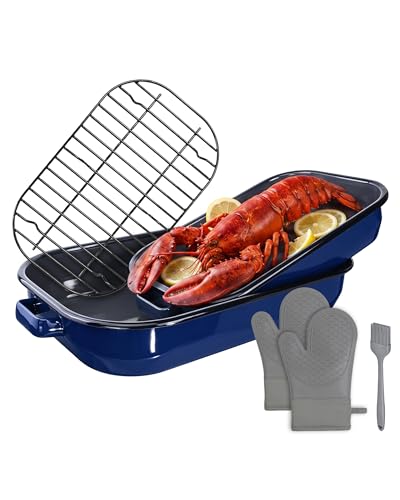
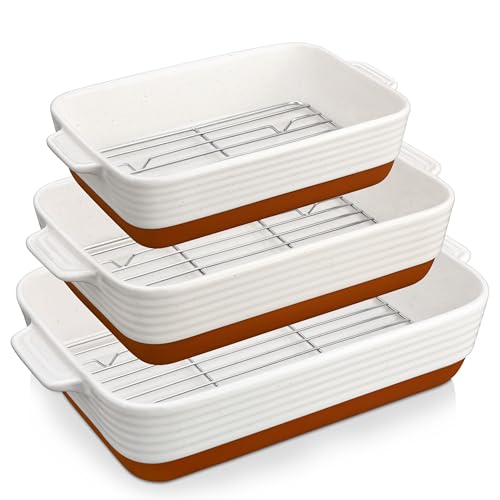
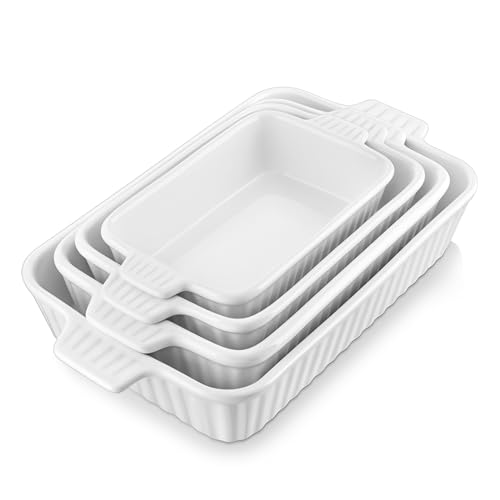
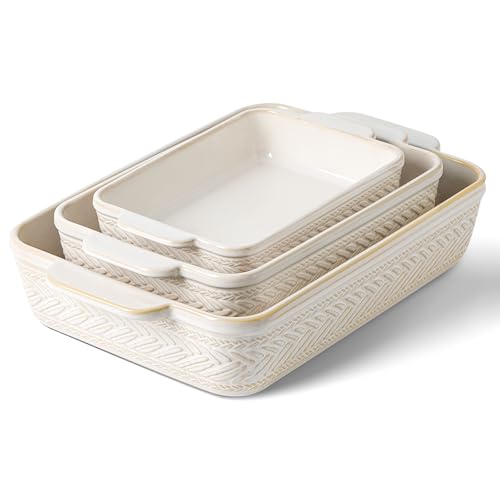
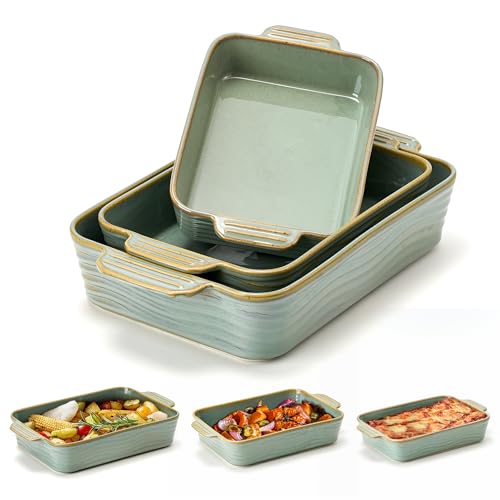
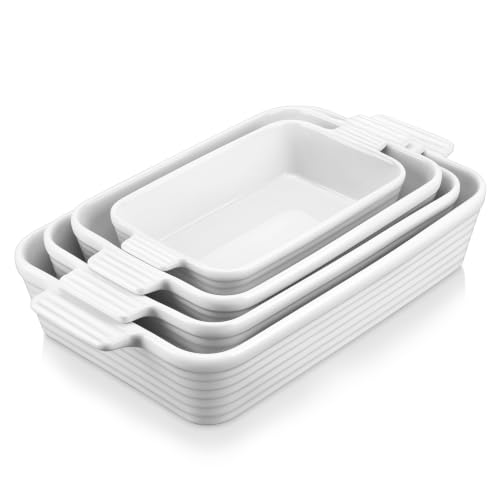
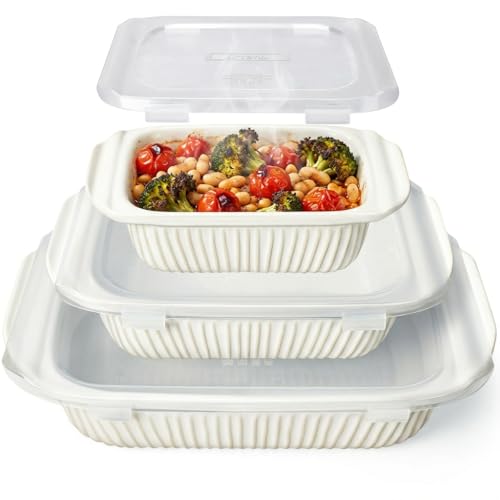


Material: Why Glass, Ceramic, and Cast Iron Behave So Differently
The material a casserole dish is made from determines almost everything else about how it cooks, how it survives temperature swings, and how long it lasts. Before comparing sizes or lids, it helps to understand what each option actually does in the oven.
Glass Casserole Dishes
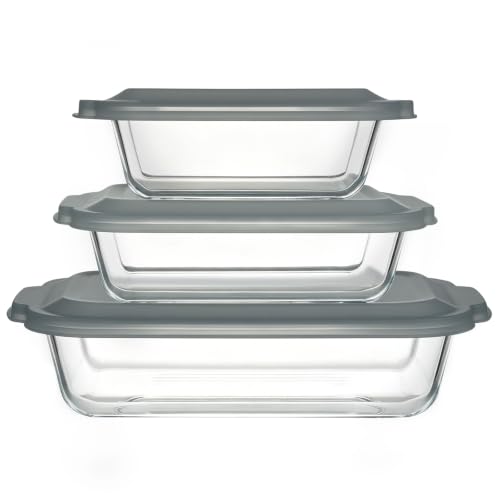
Glass is nonreactive, so acidic dishes like tomato-based casseroles or citrus marinades will not pick up a metallic taste the way some uncoated metal pans can. It also holds heat well once it comes up to temperature, which is why a glass dish stays warm at the table longer than a thin metal pan. The tradeoff is sensitivity to sudden temperature changes. Moving a glass dish straight from the refrigerator into a hot oven, or setting a hot dish on a cold or wet countertop, is the single most common way people crack or shatter glass bakeware.
Ceramic and Stoneware Casserole Dishes
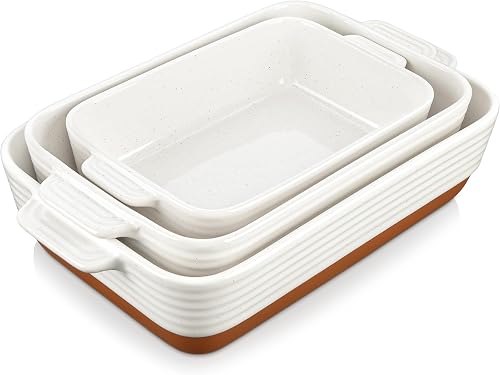
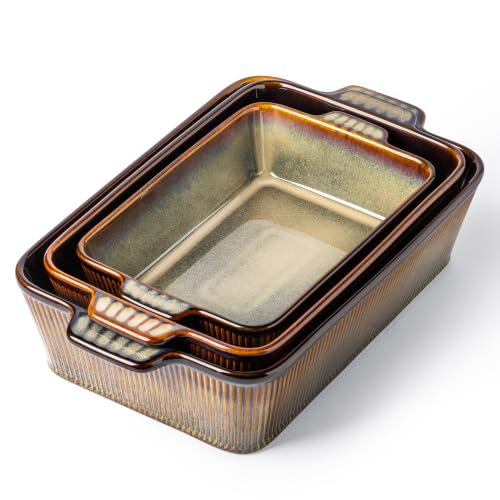
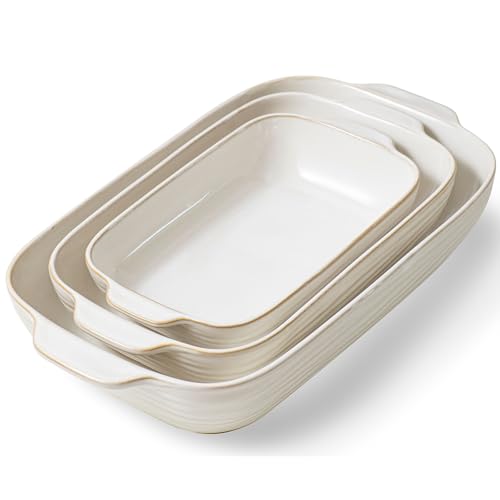
Ceramic and stoneware behave a lot like glass in the oven. Both hold heat well, both are nonreactive thanks to their glaze, and both carry the same thermal shock risk as glass if you move them between extreme temperatures too quickly. The main difference is durability and finish. A well-made ceramic casserole dish tends to resist scratching better than glass and often comes in a wider range of colors and shapes, which matters if you plan to serve straight from the dish. If you already own a set of ceramic cookware for stovetop use, a matching ceramic casserole dish keeps your bakeware consistent in how it heats and how you care for it.
Enameled Cast Iron Casserole Dishes
Enameled cast iron is the most forgiving option when it comes to temperature swings and heavy daily use. It heats more slowly than glass or ceramic but holds that heat exceptionally well, and it can typically handle a wider range of oven temperatures without the cracking risk that glass and ceramic carry. The downside is weight. A cast iron casserole dish is noticeably heavier than a glass or ceramic equivalent, which matters if you are lifting it out of a hot oven one-handed. Shoppers who already lean on cast iron cookware for searing and braising often find the enameled casserole dish the natural extension of that collection.
What Size Casserole Dish You Actually Need
Size confusion sends more shoppers back to the return counter than any other factor when picking among the best casserole dishes. Getting this right the first time comes down to matching capacity to how you actually cook, not to whatever size happens to be on sale.
The 9x13 Is the Default for a Reason
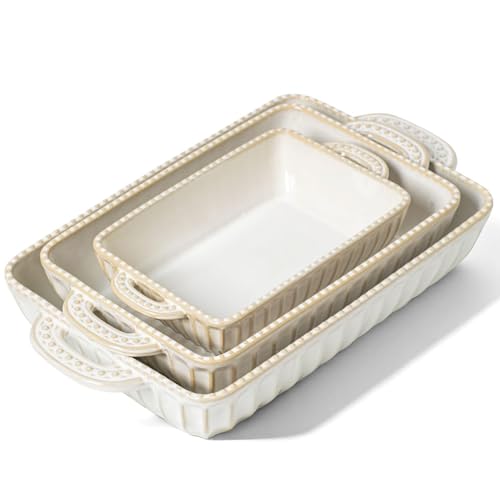
A 9x13-inch dish, holding roughly three quarts, is the size called for in the widest range of casserole recipes, from baked pasta to roast chicken with vegetables. If you are only buying one dish, this is the size that covers the most ground. It comfortably feeds four to six people and scales well for potlucks or holiday sides without needing a second pan.
When a Smaller or Oval Dish Makes More Sense
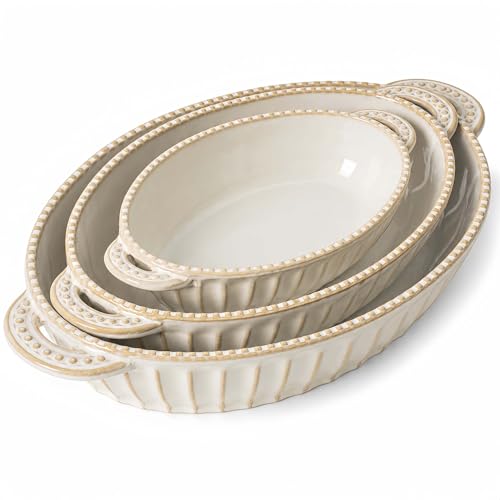
An 8x8 or 9x9-inch dish, usually around two quarts, is the better choice for smaller households, side dishes, or recipes you halved on purpose. Filling a large 9x13 dish with a half batch spreads the food too thin and dries it out well before it should be done. Oval or round dishes are worth having if you regularly make dishes that are traditionally served rounded, like a deep-dish casserole or a baked dessert, since the shape affects how evenly the edges and center cook. As a general rule, keep any dish no more than about three-quarters full. Overfilling slows cooking in the center while the edges overcook, which is exactly the burnt-corner problem most people blame on the wrong pan.
Lids, Oven-to-Table Handling, and Freezer Storage
How you handle a casserole dish before and after it goes into the oven matters just as much as what it is made of. Most cracking and thermal shock complaints trace back to a handling habit rather than a defective dish.
Do You Need a Lid, and What Should It Be Made Of
A lid is not strictly required for every recipe. Soupy or liquid-heavy casseroles often cook better uncovered, or covered loosely with foil, so moisture can reduce properly. Where a lid earns its keep is storage. A dish with a snug-fitting glass or metal lid lets you refrigerate leftovers or freeze a prepared meal without transferring it to another container. Check that any lid is specifically labeled oven-safe before using it under heat, since many plastic lids are designed for storage only and will warp or melt in a hot oven. If your dish came without a proper cover, the same cookware with well-fitted lids logic you'd apply to a saucepan applies here too.
Preventing Thermal Shock Cracks
Thermal shock happens when different parts of a glass or ceramic dish expand or contract at different rates because of a sudden temperature change. The fix is simple and consistent regardless of brand: never move a dish directly from the freezer or refrigerator into a preheated oven, and let it sit at room temperature for a while first. In the other direction, place a hot dish on a trivet, potholder, or wooden board rather than a cold countertop or a damp cloth, since both pull heat away too fast. If you routinely freeze meals ahead of time, pairing your bakeware with proper airtight storage containers for thawed leftovers reduces how often the dish itself gets moved through extreme temperature swings.
Casserole Dish vs. Dutch Oven: Which One Do You Actually Need
These two get confused constantly while shopping, partly because both can go from oven to table and both show up in casserole recipes. A casserole dish is a relatively shallow, oven-only vessel built specifically for baking. A Dutch oven is a deep, heavy pot with a tight lid that can go on the stovetop as well as in the oven, which makes it suited to braising, stewing, and searing before a dish ever gets baked. If your cooking mostly involves layering ingredients and baking them, a casserole dish is the right tool and the better value. If you regularly brown meat on the stovetop before slow-cooking it, a Dutch oven earns its higher price and extra weight. Many well-equipped kitchens end up with both, since neither one fully replaces the other.
Frequently Asked Questions
What size casserole dish is most versatile?
A 9x13-inch dish, around three quarts, covers the widest range of recipes and serving sizes. It is the size most casserole recipes are written for, so it is the safest first purchase if you only plan to own one.
Is glass or ceramic better for a casserole dish?
Both perform similarly in the oven and are equally nonreactive. Ceramic tends to resist scratches and chips a bit better and offers more finish options, while glass lets you see the food cooking. Neither one tolerates rapid temperature swings well.
Does a casserole dish need a lid?
Not for every recipe. A lid is most useful for storing leftovers or freezing a prepared casserole. For baking, many recipes call for the dish to be uncovered or loosely covered with foil instead.
Can a casserole dish go from the freezer straight to the oven?
Only if the dish is specifically rated for it, and even then it is safer to let it sit at room temperature first. Moving glass or ceramic directly from freezing to a hot oven is one of the most common causes of cracking.
Can you put a cold casserole dish in a hot oven?
It is best to avoid it. Let refrigerated or frozen dishes come closer to room temperature before they go into a preheated oven, since the sudden temperature jump is what causes thermal shock damage.
Can a casserole dish go on the stovetop?
Most glass and ceramic casserole dishes are designed for oven use only and are not rated for stovetop heat. If you need a piece that handles both stovetop and oven, an enameled cast iron pot or a Dutch oven is the better fit.
The Bottom Line
Choosing among the best casserole dishes comes down to matching material and size to how you actually cook, then handling it in a way that avoids thermal shock. Get those three things right, and a good casserole dish will outlast plenty of trendier kitchen gear while doing exactly what you need it to do, meal after meal.