
Best Casserole Dish With Lid for Real Homes (2026): Glass, Ceramic and Cast Iron
Disclosure: We may earn a commission when you buy through links on this page, at no extra cost to you. As an Amazon Associate I earn from qualifying purchases. Learn more

The best casserole dish with lid depends on size, material and lid fit: compare glass, ceramic and cast iron for your oven and budget.
Picture a Tuesday night when dinner has to bake, travel to the table, and then go straight into the fridge without dirtying a second container. That everyday juggling act is exactly where the best casserole dish with lid earns its place in a home kitchen. A good lid keeps food warm, guards against spills, and saves you from stretching wrap over a hot dish.
This guide judges every option by how it fits real homes: your oven size, your cabinet space, the number of people you feed, and what you can spend. Use the comparison table below to scan the main types, and see our guide to the best casserole dish if you want the wider view without the lid requirement.


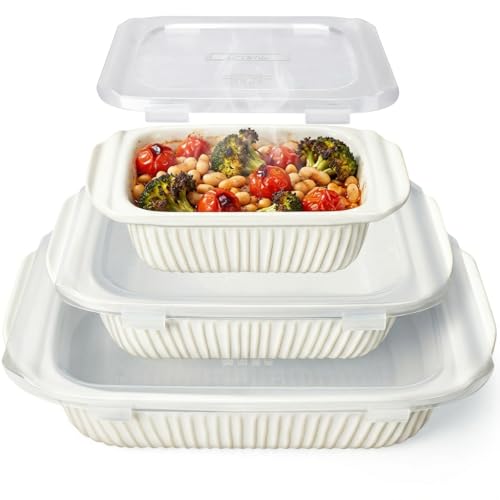

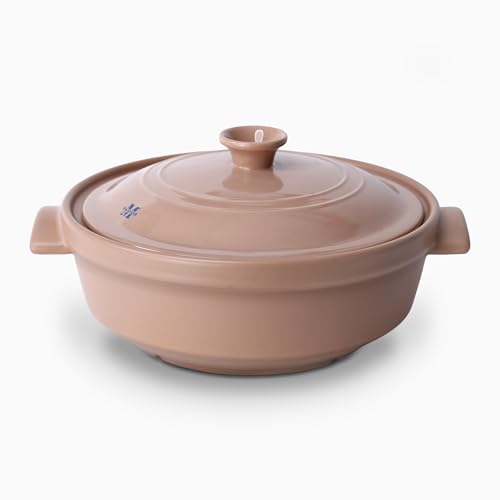
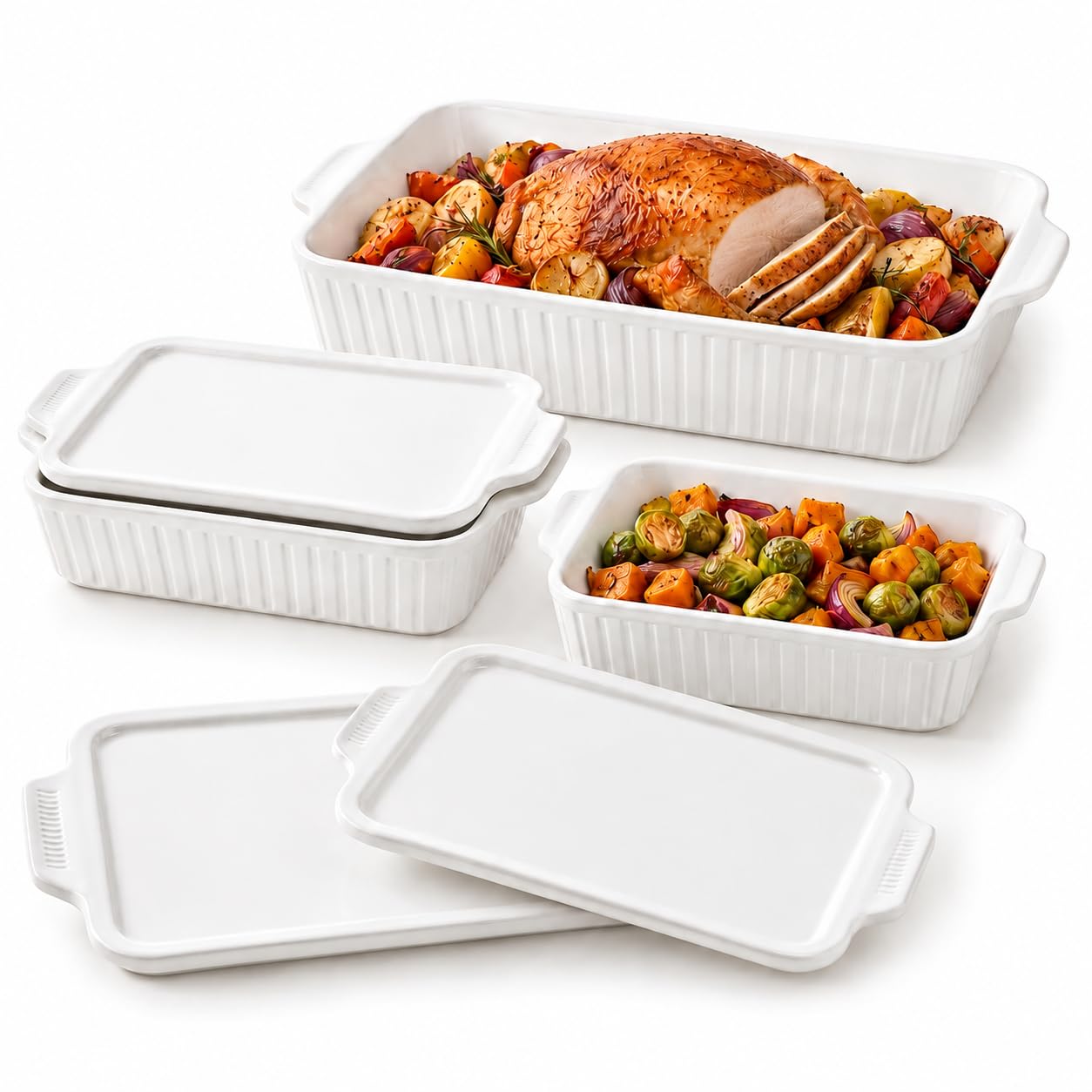
Quick Answer: Three Types That Fit Most Homes
If you want one dish for weeknight bakes and fridge storage, choose glass with a snug lid. It handles most recipes, lets you see bubbling edges, and moves from oven to fridge once it cools a little. If you serve straight from the dish at family dinners, ceramic or stoneware looks better on the table and holds heat longer. For big batches, enameled cast iron gives steady heat and a heavy lid that keeps moisture in, at the cost of serious weight.
Before You Buy: A Quick Checklist for Choosing a Casserole Dish
Work through these points in order. Size and material decide most of your happiness with a dish, while lids and coatings matter only after those two are right.
Size: Match It to Your Space
The classic 9 x 13 inch dish, roughly 3 quart, suits families of four to six and fits most sheet cakes and lasagnas, so our guide to the best 9 x 13 casserole dish is a good next read if that is your size. An 8 x 8 inch or 2 quart dish serves one to three people and suits smaller ovens and toaster oven shelves. A 4 quart or deeper dish helps when you double recipes for guests, but measure your oven rack spacing and cabinet depth first, because a dish that stores badly gets used rarely.
Which Type Fits Your Routine
Glass heats evenly enough for most bakes, resists stains and odors, and lets you check browning from the side, which is why many cooks start with the best glass casserole dish they can find. Ceramic and stoneware hold heat well and look presentable for serving, and the best ceramic casserole dish options usually come in colors that match a dining room. Porcelain is a lighter ceramic suited to gentler use. Enameled cast iron is the pick for slow braises and very full loads, but it is heavy even before you add food. Oval shapes cradle whole chickens and roasts, while rectangular and square dishes use oven and fridge space more efficiently.
Features Worth Paying For, and Ones to Skip
Pay for a lid that seals well and for wide handles you can grip with oven mitts, since both affect safety every time you cook. A flat lid earns its keep too, because other containers can stack on top of it in the fridge. A matching carrier is worth it only if you regularly take dishes to gatherings across town. Skip large sets with tiny dishes you will never fill, decorative lids with knobs that block stacking, and bundled utensils that duplicate what your drawers already hold.
Light vs Dark Finish and Browning
Light colored glass and ceramic brown food gently, which suits egg bakes and pale cakes where you want soft edges. Dark finishes absorb more heat and give crisper bottoms and deeper color on gratins and roasted vegetables, but they can overbrown sugary sauces before the center sets. If you often wonder why two pans bake so differently, our comparison of glass vs metal baking pan explains how material changes heat. Pick the finish that matches the food you bake most, not the one that looks best on a shelf.
Oven Safe Temperature
Check two ratings, not one: the dish itself and its lid. Many glass and ceramic dishes tolerate about 425 to 500 degrees Fahrenheit, while plastic storage lids are rarely oven safe at any temperature and belong on the dish only after baking. Glass lids often carry a lower limit than the base. Broiler use is a separate question, and many glass dishes should stay away from direct broiler heat. Always match the number printed by the maker to the hottest recipe you actually cook, with a little room to spare.
Nonstick Coating vs Uncoated Surfaces
Uncoated glass and glazed ceramic release cheesy and eggy foods well after a short soak, and the surface cannot peel or wear thin over time. Nonstick coated metal dishes release sticky bakes with less soaking, but the coating scratches if you cut servings with a metal knife and it has a limited working life. If easy release matters most, grease an uncoated dish well and line the bottom with parchment for very sticky recipes. That habit costs almost nothing and keeps one dish useful for many years.
Realistic Budget Ranges
Under $20 usually buys a simple glass dish with a plastic storage lid, which covers most home baking well. Under $40 adds better fitting lids, nicer glass, or a single ceramic dish in a standard size. About $40 to $80 is where stoneware sets and larger ceramic dishes sit, with better glazes and more serving friendly looks. About $80 to $150 covers enameled cast iron and premium ceramic, which you pay for in heat retention and durability rather than in better tasting food. Spend first on the right size and a sound lid.
Three Dish Types Worth Your Money
Rather than naming specific models, this section compares the three types that cover nearly every home. Match the type to your routine first, then shop within it.
Glass with a lid is the everyday workhorse. It suits renters, new cooks, and anyone who stores leftovers in the dish they baked in, and basic glass sets often cost under $20. Its limits are plain: it can crack if it moves suddenly from freezer cold to a hot oven, and it looks plain on a holiday table.
Ceramic and stoneware are the serving friendly middle ground. They hold heat through a long family meal, come in shapes that suit lasagna and enchiladas, and move from oven to table without a trivet change in mood. They chip if knocked against a steel sink, and heavier stoneware needs two hands and dry mitts for a safe grip.
Enameled cast iron is the long term investment type. It braises evenly, keeps a lid seal under its own weight, and suits cooks who make big Sunday batches. The trade offs are price, weight, and storage: a full 4 quart dish can strain a high cabinet shelf and a cook with limited wrist strength.
How to Judge a Casserole Dish With Lid
Judge any listing against five criteria: even heat distribution, food release, resistance to warping or cracking, material safety for food contact, and how easy the surface is to clean. Maker specifications and patterns in buyer feedback about lids, chips and stains are the best evidence you can check before ordering. Treat this as a buying framework for any listing rather than a ranking of specific models.
Do You Really Need a Casserole Dish with Lid?
A lid changes what the dish can do after baking. It keeps a finished bake warm while sides cook, traps steam so rice and pasta bakes stay moist, covers leftovers without extra containers, and makes transport to a potluck far less risky. The right lidded dish should do all four jobs with one lid that still fits after the food expands in the oven.
You may not need one if you mostly bake uncovered gratins and already own tight fitting storage containers in the same sizes. Foil works for a single bake, though it cannot seal for the fridge or a car ride. If you batch cook on weekends, the lid pays for itself in saved wrap and food that arrives still warm.
Common Buying Mistakes to Avoid
- Buying a 4 quart dish for a small oven, then finding the handles hit the oven walls and the door will not close.
- Assuming the lid shares the oven rating of the base, then warping a plastic lid beside a hot dish.
- Choosing a deep dish for lasagna without counting layers, so the sauce boils over and bakes onto the oven floor.
- Paying for a large set when only one size matches your recipes, leaving the rest to crowd your cabinets.
- Ignoring replacement lid cost, because a cracked lid can turn a good dish into an open baker you rarely reach for.
Cost of Ownership and Care
Ownership cost is mostly about lids and chips. A replacement lid can cost a fair share of a budget dish price, so store lids flat and never use them as cutting boards or trivets. Wash glass and ceramic in warm soapy water, let very hot dishes cool before soaking, and avoid sudden cold water on a hot base to prevent cracking. For stubborn baked on spots, follow the steps in our guide on how to clean a casserole dish before reaching for steel wool, which can dull glazes. Store dishes nested only with a cloth or paper layer between them to protect rims.
Your Questions, Answered
What is the most reliable casserole dish brand?
Reliability depends more on material and lid design than on a brand name. Thick glass with a simple, replaceable lid tends to serve longest in daily use, while enamel and glaze quality decide how ceramic and cast iron age. Before buying, check whether the maker sells replacement lids on their own. A dish you can repair with a new lid for a modest cost beats a famous name with no spare parts support.
How do you clean a casserole dish with baked on food?
Fill the cooled dish with warm water and a spoon of dish soap, then wait at least thirty minutes before washing. Baked on cheese and sauce usually lift with a nylon brush after soaking. For a stubborn browned ring, a paste of baking soda and water left for fifteen minutes adds gentle scrubbing power without scratching glass or glaze. Dry the dish fully before storing the lid on it, so trapped moisture cannot leave odors.
How long does a casserole dish last?
Glass and ceramic dishes can serve for many years when they are kept free of chips and sudden temperature shocks. Enameled cast iron often lasts the longest, since the base metal does not crack from heat, though the enamel can chip if struck. Retire any dish with a crack that runs through the wall or a chip on a food contact edge, because damage like that can grow under heat and can harbor residue.
Is a casserole dish with lid worth it?
Yes, for most homes, because the lid covers serving, storing, and carrying with one purchase. One point buyers overlook is fridge layout: a flat lidded dish stacks under other containers, while a foil covered dish wastes the space above it and risks leaks onto shelves. If your baking is mostly open topped and eaten at once, the lid adds little. If leftovers and potlucks are routine in your house, it earns its cost quickly.
What is the best casserole dish with lid for a small kitchen?
For a small kitchen, the best casserole dish with lid is usually a 2 quart rectangular glass dish with a flat lid. That size covers meals for one to three people, fits toaster ovens and narrow fridges, and stores leftovers without a transfer. Rectangular shapes waste less shelf space than oval ones, and one versatile dish beats a nested set when cabinet room is tight.
Final Thoughts
Start with size, then material, then the lid, and the right choice usually becomes obvious. Glass covers daily baking and leftovers for the least money, ceramic serves family meals with more warmth and style, and enameled cast iron suits big batches you plan to cook for years. Whichever type you choose, the best casserole dish with lid for your home is the one that fits your oven, your shelves, and the people at your table. Check the product table above before you order, and confirm the lid rating and the outside dimensions with handles included.


