Best Ceramic Baking Sheets: Pick by Size, Build and Heat Limit 2026
Disclosure: We may earn a commission when you buy through links on this page, at no extra cost to you. As an Amazon Associate I earn from qualifying purchases. Learn more

Compare the best ceramic baking sheet by size, build and heat limit, with a checklist for even browning and easy release.
Sunday dinner is in the oven, the vegetables are finally crisping, and then you notice the old pan has warped again, pooling oil in one corner and burning the pieces that sit in it. If that scene sounds familiar, a best ceramic baking sheet search usually starts with one hope: even browning, food that lifts off without a fight, and a pan that still looks decent after months of weeknight use. This guide helps you choose by your oven space, how many people you cook for, and what you can spend. Start with the product table above, then use the checklist to narrow the field.
Ceramic pans come in two broad builds. Some are metal pans with a ceramic coating on top, while others are solid ceramic stoneware all the way through. The sections ahead walk through sizes, finishes, heat limits, and care.





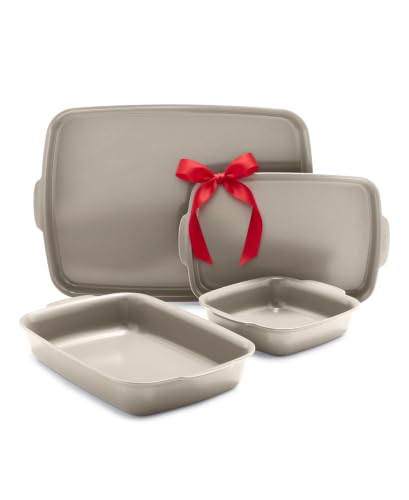
Quick Answer: The Two Builds Worth Considering
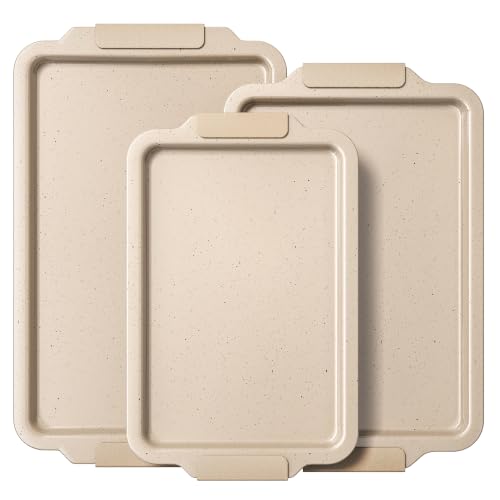
If you want one short answer before the details, here it is. A ceramic coated metal pan is the practical default for most homes, since it heats fast, stays light enough to lift with one hand, and releases cookies and roasted vegetables with very little sticking. A solid ceramic stoneware pan is the better fit when you bake often, serve food straight from the pan, and value a surface with no coating to wear down. Either way, the right size and a heat rating that covers your recipes matter more than decorative extras. If you are still weighing ceramic against every other material, our overview of the best baking sheet options puts ceramic in context.
Before You Buy: A Quick Checklist for Choosing a Baking Sheet
Size: Match It to Your Space
The half sheet, at about 13 by 18 inches, is the workhorse size for most home ovens and feeds a family of four without crowding. A quarter sheet, about 9 by 13 inches, suits smaller households, reheating leftovers, and toaster ovens. A full sheet, about 18 by 26 inches, belongs to commercial kitchens and will not fit most home ovens, so measure your oven interior and leave about an inch of clearance on each side for air to circulate. Jelly roll pans sit between the quarter and half sizes.
Which Type Fits Your Routine
Your weekly cooking rhythm should drive the material choice. Aluminum heats quickly and evenly but often needs lining for sticky foods. Stainless steel tolerates high heat and scrubbing, yet food tends to cling to it. Insulated pans protect delicate cookie bottoms but brown slowly. Carbon steel is sturdy and develops a seasoned surface over time, while plain nonstick pans release well but their coatings wear out. Ceramic sits in a useful middle ground: a coating over a metal core gives easy release with the responsiveness of metal, and solid stoneware gives gentle, steady heat. If the naming of pan styles confuses you, the breakdown in cookie sheet vs baking sheet explains how rimmed and rimless pans differ.
Features Worth Paying For (and Ones to Skip)
A fitted rack earns its place if you roast meats or want drippings to fall away from vegetables, and a silicone mat can extend the life of a coated surface by keeping metal utensils off it. A lid is worth it only if you regularly carry dishes to other homes. Skip oversized bundles with tools you already own, and skip decorative handles that reduce the flat cooking area. Spend on the pan itself first, then add only the accessory that matches a task you do every week.
Light vs Dark Finish and Browning
Finish color changes how your food cooks, even in the same oven at the same setting. Light ceramic surfaces, usually white or cream, reflect some heat and brown food gently, which helps sugar cookies and shortbread keep pale, even bottoms. Darker ceramic glazes absorb more heat and push bottoms toward deeper browning, which suits crusty breads and vegetables where you want caramelized edges. If your current pans brown too fast, choose a light finish before you blame your oven.
Oven Safe Temperature
Every ceramic pan lists a maximum oven temperature, and the number differs between builds. Many ceramic coated metal pans are rated to about 450 degrees Fahrenheit, while some stoneware pans tolerate about 500 degrees or more. Check the rating against your real cooking: pizza nights and high heat roasting push a pan hard. Broiler use is the most common point of failure, since many ceramic coatings are not rated for direct broiler heat at all. If a listing does not state a clear limit, treat that as a reason to keep looking.
Nonstick Coating vs Uncoated Ceramic
A ceramic coating gives you the slick release most buyers picture, sliding eggs, fish, and cookie dough off with little or no added fat. The trade off is that the coating is a surface layer, so it slowly loses its slickness with heavy use, metal tools, and harsh scrubbing. Solid ceramic stoneware has no coating to wear away, and its glazed surface releases food reasonably well when lightly greased, though sticky glazes and sugary sauces will cling more. Readers who put material makeup first often compare ceramic with the options in our guide to the best non toxic baking sheet.
Realistic Budget Ranges
Most small coated pans and basic quarter sheets cost under $20, fine for a first apartment or a spare pan. The half sheets most families end up loving cost about $20 to $50, covering durable coatings and midweight stoneware builds. Larger formats and thicker stoneware with stain resistant glazes run about $50 to $100. Paying more does not change how a pan browns as much as size and finish do, so set your budget after you settle those two choices.
Ceramic Baking Sheet Types Compared
Ceramic Coated Aluminum
This is the most common build and the easiest to live with day to day. The aluminum core heats quickly and spreads heat evenly, so cookies bake at a steady pace and vegetables roast without raw centers. The pan stays light, which matters when you are moving a full load of potatoes with oven mitts on. The coating does the release work, so cleanup is usually a quick soak and a soft sponge.
Ceramic Coated Steel
A steel core makes the pan heavier and stiffer than an aluminum one, and that stiffness helps it resist warping when a hot pan meets a cooler load of food. Steel heats a little more slowly, so the first batch of cookies may brown slightly less than later batches. The coating needs the same soft tools and mild detergent as any coated pan. Choose this build if your current pans twist and pop in the oven.
Solid Ceramic Stoneware
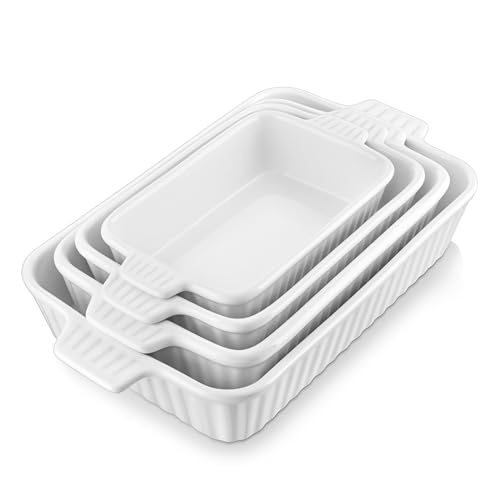
Stoneware pans are ceramic all the way through, with no metal core and no applied coating. They heat slowly and hold that heat, which gives casseroles, cobblers, and sheet pan dinners a gentle, even bake and keeps food warm at the table. The glazed surface cleans up well and does not peel, flake, or wear thin, so a stoneware pan can serve for many years. The costs are weight and fragility: a loaded stoneware pan is heavy, a hard drop can end it, and sudden temperature swings can crack it.
Our Selection Criteria for the Best Ceramic Baking Sheets
We judge ceramic pans on five things that show up in daily use. Heat distribution comes first, since a pan that browns one corner dark while another stays pale fails its main job. Food release comes next, judged by how cookies, eggs, and roasted vegetables lift off after normal cooking. Warp resistance matters for coated metal pans, and chip resistance matters for stoneware. Material safety means a surface that is stable at its rated temperature. Finally, cleaning should take minutes, not a soaking project. These criteria come from manufacturer specifications and patterns in verified buyer feedback.
Ceramic vs Other Baking Sheets: Strengths and Trade Offs
Against plain aluminum, ceramic wins on release and cleanup, while aluminum wins on price and sheer toughness, since a bare aluminum pan can be scrubbed hard and used under a broiler without worry. Against stainless steel, ceramic releases food far more easily, though steel tolerates higher heat and metal tools; the detailed comparison in aluminum vs stainless steel baking sheet shows how those two metals differ. Against conventional nonstick, ceramic coatings offer a similar slick feel, though both coating types wear over time. For cookie focused bakers, our guide to the best baking sheet for cookies compares how each material handles dough.
Common Buying Mistakes to Avoid
- Buying a full sheet pan for a home oven, then discovering it blocks airflow and does not sit flat on the rack.
- Choosing by color alone and ending up with a dark finish that over browns every batch of cookies.
- Ignoring the stated heat limit, then using a coated pan under the broiler and ruining the surface in one meal.
- Paying for a large bundle of racks, lids, and tools you already own, instead of one well made pan.
- Forgetting replacement cost, since a very cheap coated pan replaced every year costs more over time than a mid priced one.
Cost of Ownership and Care
A ceramic pan has no running costs, but a few habits decide whether it lasts two years or ten. Wash coated pans with a soft sponge and mild detergent, and keep metal spatulas and knives off the surface. Parchment or a light greasing on sticky loads reduces scrubbing later; our walkthrough of how to clean a baking sheet covers stuck on residue for every pan type. For stoneware, let a hot pan cool before rinsing, and store it with a cloth between stacked pieces to protect the glaze.
Your Questions, Answered
Are ceramic baking sheets worth it?
For most home cooks, yes, because the release and cleanup save effort on the meals you make most often, like roasted vegetables, cookies, and reheated pizza. They are worth the most when your current pan sticks, warps, or browns unevenly and you cook on a sheet pan several times a week. They are worth less if you broil constantly.
How long does a ceramic baking sheet last?
A ceramic coated metal pan typically serves well for a few years before the coating loses its slickness, and gentle washing with soft tools stretches that span. A solid stoneware pan can last far longer, often a decade or more, because there is no coating to wear out. Its lifespan ends mainly through chips or cracks from drops and sudden temperature changes.
Can a ceramic baking sheet go in a toaster oven?
Yes, as long as the size is right, and this is where quarter sheets and eighth sheets earn their keep. Measure the toaster oven interior, including the curve of the door, and leave clearance on all sides so heat can circulate. Also confirm the pan heat rating, since small ovens place food closer to the heating elements.
Do ceramic baking sheets need to be greased?
A fresh ceramic coating usually releases cookies and vegetables without any greasing at all. As the coating ages, or when you bake sticky items like caramel topped bars or marinated tofu, a light brushing of oil or a sheet of parchment prevents trouble. Stoneware benefits from light greasing more often, especially for eggs and sugary batters.
What size ceramic baking sheet is best for cookies?
A half sheet suits most cookie baking because it holds about a dozen standard cookies with room for spreading, and it fits a standard home oven. A quarter sheet works for small batches and test bakes. Leave about two inches between dough portions, since crowded cookies steam rather than crisp at the edges. If you bake large batches back to back, two half sheets let one cool while the other bakes.
Final Thoughts
The right ceramic pan is simply the one that fits your oven, matches your hottest regular recipe, and suits the way you actually cook each week. For most homes, that means a half sheet in a ceramic coated metal build at a mid range price, with stoneware as the upgrade for bakers who serve from the pan. Use the product table above to compare the builds side by side, then choose with confidence. Whichever route you take, the best ceramic baking sheet for your kitchen is the one you reach for without thinking, week after week.