
Best Ceiling Speakers for Surround Sound 2026: Guide
Disclosure: We may earn a commission when you buy through links on this page, at no extra cost to you. As an Amazon Associate I earn from qualifying purchases. Learn more

Height or surround duty, 6.5 or 8 inch: how to plan and choose the best ceiling speakers for surround sound.
Ceiling speakers can turn a living room into a home theater without floor standing boxes taking over the space. When you shop for the best ceiling speakers for surround sound, you are choosing speakers that blend into the ceiling while still delivering clear dialogue, effects, and music. The product table below shows the main sizes and types side by side, so you can compare them before cutting any holes.
First time buyers often worry about wiring, placement, and power, but the basics are straightforward. This guide explains speaker size, room layout, amplifier matching, and installation choices in plain language. Good placement matters more than expensive drivers, so plan the layout before you buy.



Ceiling Speakers 101: The Basics
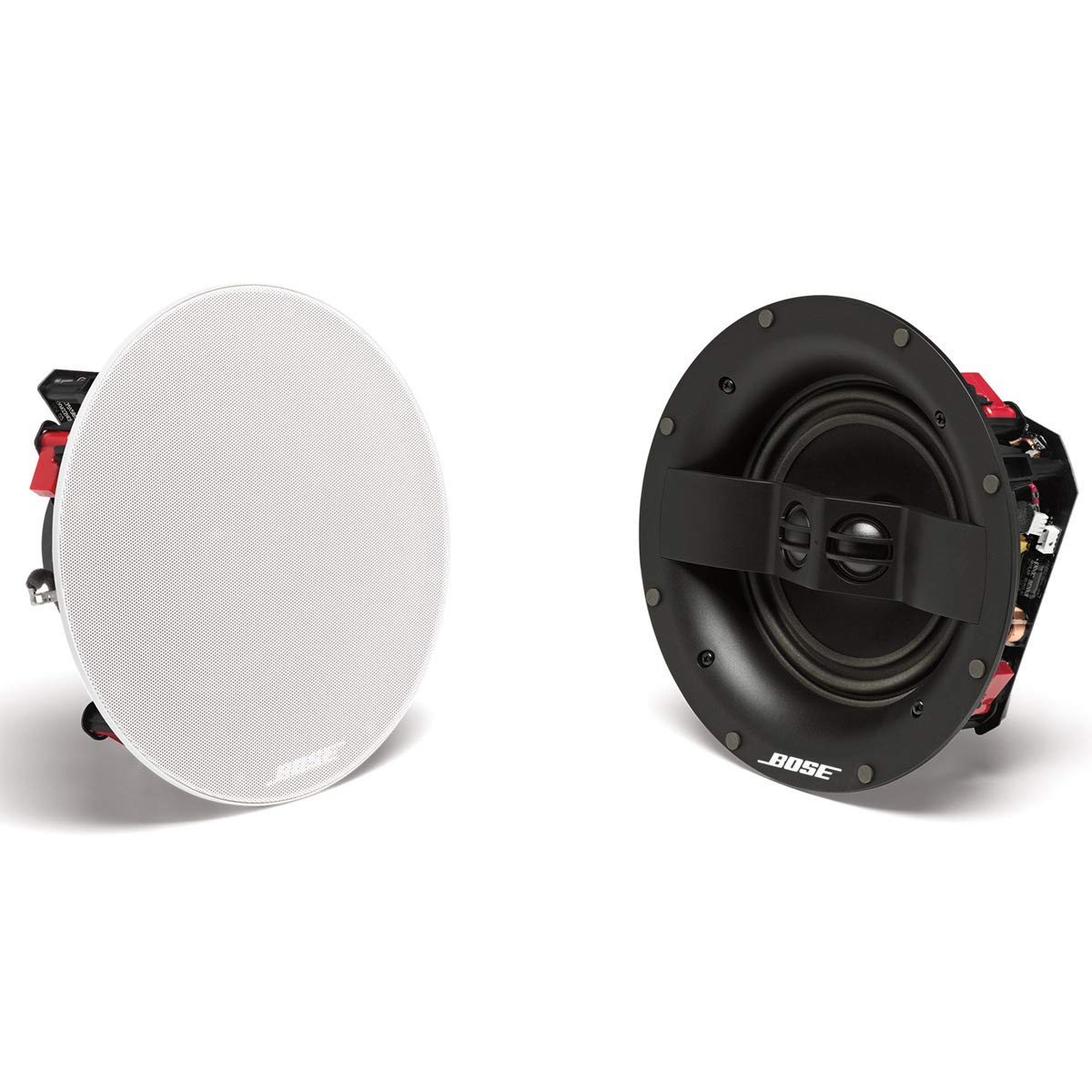
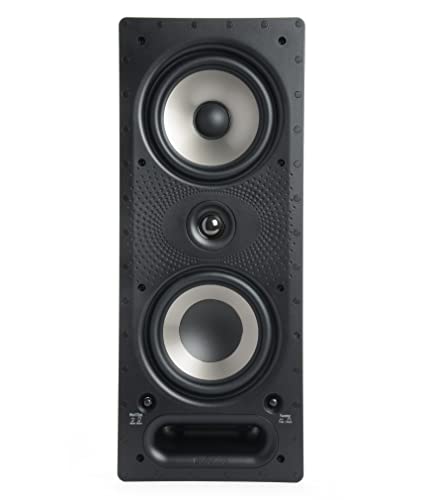
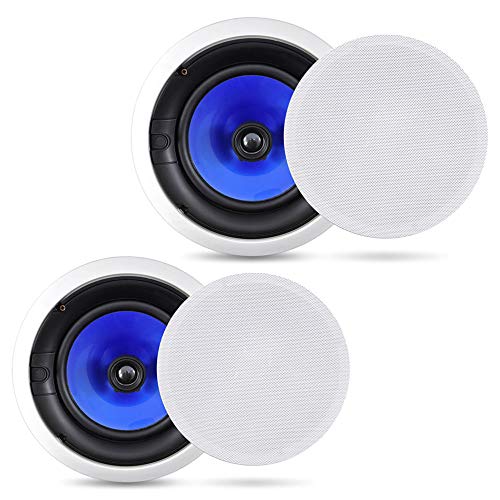
A ceiling speaker mounts flush in a ceiling cutout, with a round or square grille that sits nearly flat against the surface. Inside, a woofer handles mid and low sounds while a tweeter handles high frequencies, and many models let you aim the tweeter toward the listening area. The speaker connects to an amplifier or receiver with speaker wire run through the ceiling.
For surround sound, ceiling speakers usually serve as height or overhead channels, or as discreet surround speakers in rooms where wall mounting is impractical. They rarely replace a dedicated center speaker for dialogue, so plan them as part of a system rather than a single fix. A receiver that supports height channels makes the most of overhead placement.
Speaker Size and Sound Quality
Size shapes bass and coverage. A six and a half inch woofer suits most rooms and balances bass with easy installation, while an 8 inch woofer delivers deeper bass for larger rooms and home theaters. Smaller 5 inch models fit tight spaces but produce less bass and need a subwoofer to fill the low end.
Sound quality also depends on driver materials and crossover design, which splits frequencies between woofer and tweeter. Pivoting tweeters help aim high frequencies at listeners, which matters when speakers sit off to the side. Listen for clear dialogue and balanced bass rather than chasing the largest driver, since room size and placement shape the result more.
Placement and Room Size
Placement decides how even the sound feels across seats. For height channels, place speakers slightly in front of and above the main seating, angled toward listeners, following your receiver maker layout guide. For surround use, place them to the sides and slightly behind the seating area, spaced evenly and clear of light fixtures and joists.
Room size sets how many speakers you need. A small room may need only two height speakers, while a larger theater benefits from four for even coverage. Check ceiling height too, since very high ceilings spread sound thinly and may need larger drivers or more speakers. Map joists and wiring before cutting, and keep speakers away from HVAC vents that add noise.
Power, Impedance, and Amplifier Matching
Power handling and impedance must match your amplifier or receiver to sound good and stay safe. Most ceiling speakers are rated at 8 ohms, which suits standard receivers, while some models offer 6 ohm ratings that need a receiver rated for lower impedance. Check both the speaker rating and the receiver rating before pairing them.
Wattage ratings show how much power a speaker can handle, not how loud it must play. A receiver delivering 50 to 100 watts per channel suits most home ceiling speakers, and more power gives cleaner sound at high volume rather than simply louder output. Avoid driving a small speaker far beyond its rating, since distortion damages drivers faster than clean power does.
Installation, Wiring, and Moisture
Installation starts with checking joist spacing, ceiling depth, and wire routes, since most ceiling speakers need a cutout that fits between joists. Run speaker wire rated for in wall use, keep it away from power lines to avoid hum, and leave slack for future access. If you are unsure about cutting or wiring, hire a professional, since a misplaced cut is hard to repair.
Moisture matters in bathrooms and covered patios, where standard speakers can fail. Choose moisture resistant models with sealed backs for damp areas, and confirm the rating covers your space. For fire rated ceilings, check local codes, since some installations need fire hoods or enclosures. Plan access panels for future maintenance so a failed driver does not require ceiling repair.
Related Guides Worth Reading Next
For surface mounted alternatives to flush models, best ceiling mount surround sound speakers compares ceiling mount speakers by size, aim, and installation ease.
Readers building a full system should check best surround sound speakers, which covers front, center, and surround speakers together.
If running wire is impractical, best wireless surround sound speakers explains wireless surround options and their latency and reliability trade offs.
Rear channel placement and models are covered in best rear speakers for surround sound, which helps balance sound behind the seating area.
Placement guidance in more depth is available in best position for surround sound speakers, which maps speaker layouts for different room shapes.
A Final Check Before You Order
Before ordering, measure your ceiling depth, map joists, and confirm your receiver supports the channels you plan to add. Check speaker size against room size, and confirm impedance matches your amplifier. Also confirm grille color and shape suit your ceiling, since the speakers will be visible every day.
Prices for a pair of ceiling speakers often run about $100 to $300, with premium models costing more for better drivers and aimable tweeters. Spend on placement planning and wiring quality first, since those affect sound more than small driver differences. A well placed midrange pair usually outperforms a poorly placed premium pair.
Calibrating Your Ceiling Speakers
Calibration turns a good installation into a balanced system, since raw speakers rarely sound even across all seats without adjustment. Most modern receivers include an auto calibration microphone that measures distance, level, and frequency response from the main seat, then adjusts each channel. Run it after installation, in a quiet room, with the microphone at ear height in your usual seat.
After auto calibration, listen from several seats and adjust to taste. Height channels that sound too prominent can be trimmed a few decibels, while dialogue that feels thin may need the center channel raised slightly. Small changes make a large difference, so adjust one channel at a time and listen to familiar scenes rather than calibration tones alone.
Recalibrate after furniture moves, speaker changes, or room treatments, since each alters reflections and balance. Keep the calibration microphone stored safely, since losing it means buying a replacement before the next run. A calibrated system sounds natural from every seat, not just the center, which is the real payoff for careful setup.
Frequently Asked Questions
Can ceiling speakers replace a soundbar?
They can improve on a soundbar for spaciousness, but they rarely replace a dedicated center speaker for clear dialogue on their own. A good setup pairs ceiling height speakers with front, center, and subwoofer channels for balanced sound. Using ceiling speakers alone often leaves dialogue thin and effects unfocused. Plan them as part of a system rather than a single replacement for a soundbar.
How many ceiling speakers do I need for surround sound?
Two height speakers suit small rooms and basic height effects, while four give more even coverage in larger theaters. The right count depends on room size, ceiling height, and your receiver channel support. Check your receiver layout guide for the recommended positions, and space speakers evenly around the seating area. More speakers help only when placement stays balanced and wiring stays practical.
Do ceiling speakers need a subwoofer?
Yes, in most cases, since ceiling speakers produce limited deep bass, especially smaller models. A subwoofer handles low frequencies that give movies impact and music warmth, freeing the ceiling speakers to focus on dialogue and effects. Even 8 inch ceiling models benefit from a subwoofer in a home theater. Choose a subwoofer size that matches your room, and place it where bass sounds even.
Can I install ceiling speakers myself?
You can if you are comfortable cutting drywall, running in wall rated wire, and working safely around joists and electrical lines. Map joists, check for pipes and wiring, and follow local codes for fire rated ceilings. If you are unsure about any step, hire a professional, since a misplaced cut or unsafe wiring is costly to fix. Professional installation also helps with calibration and placement.
Are ceiling speakers good for music?
Yes, for background and whole home music they work well, delivering even coverage without visible boxes. For critical music listening, floor standing or bookshelf speakers usually offer deeper bass and a wider soundstage. Ceiling speakers with aimable tweeters and a subwoofer close much of that gap. Choose them for music when discreet looks and even room coverage matter most.
Final Thoughts
Ceiling speakers for surround sound work best when size, placement, and amplifier matching are planned together. Map your room, confirm your receiver channels, and choose speakers that suit your ceiling and listening habits. The product table above can help you compare sizes and types before you commit.
A well placed set adds spaciousness and immersion without cluttering the room. Take time to plan wiring and placement, and the result will sound balanced from every seat. That planning is the real key to getting the best ceiling speakers for surround sound result.


