
Best Center Speakers 2026: How to Choose the Right One
Disclosure: We may earn a commission when you buy through links on this page, at no extra cost to you. As an Amazon Associate I earn from qualifying purchases. Learn more

Compare center speakers by size, dialogue clarity, and room fit, with practical tips on placement, matching, and budget for home viewing for smart buying.
A center speaker does one job above all others: it keeps voices clear and anchored to the screen. When you shop for best center speakers, the wide range of sizes and prices can make that simple job look complicated. This guide cuts through the choice by focusing on clarity, placement, and how well a model blends with the rest of your system.
The product table above lists center speakers across a range of sizes and prices. The sections below explain which shape and cabinet suit your TV stand, your receiver and your seating, so you can narrow the list quickly.


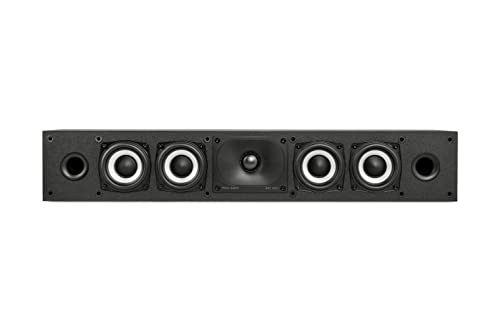

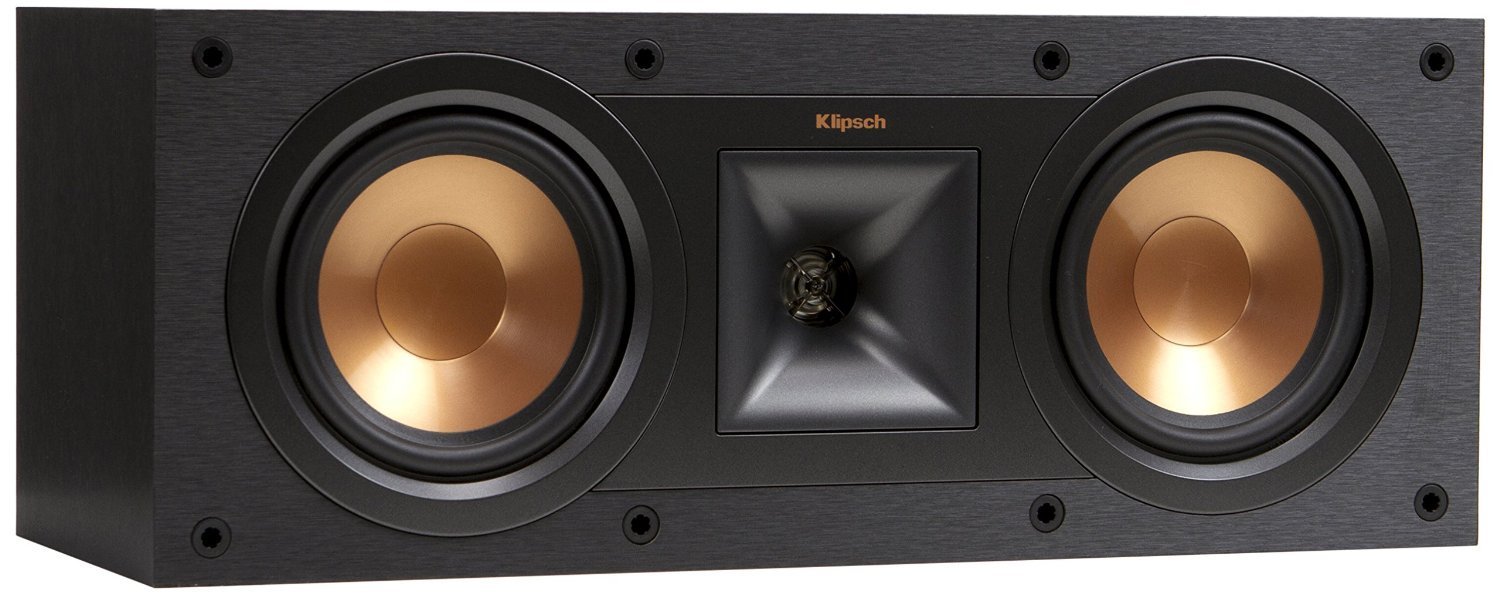


Who Should Buy Which Type
Your budget, room and building shape the choice. Here is how three common situations differ.
For Budget Buyers
Budget buyers should focus on dialogue clarity and cabinet size rather than extra features. A compact two way model often gives the clearest value, since it fits under most TVs and pairs well with modest receivers. Spend the saving on proper placement rather than on a larger cabinet you cannot place well.
For Home Theater Builders
Home theater builders need a center speaker that can keep up with larger front speakers and a subwoofer. Look for higher output, a robust cabinet, and a tonal match with the front pair. A three way design often suits this role, since it holds dialogue steady across a wider sofa.
For Apartment Dwellers
Apartment dwellers should prioritise a speaker that sounds full at modest volume and does not boom through walls. A sealed or front ported cabinet placed on a stand usually behaves better than a large rear ported model pushed into a corner. Check depth carefully if the speaker must sit on a TV stand.
Types Compared
Center speakers come in compact, full size and wall-mounted forms, and each fits a different layout.
Compact Centers
Compact centers suit small rooms, TV stands, and modest receivers. They are easy to place and usually affordable, but they may lack output in a large room. Choose one when your seating distance is short and your room is not very wide.
Full Size Centers
Full size centers use larger drivers and cabinets for greater output and deeper sound. They suit larger rooms and wider seating areas, and they pair well with floor standing front speakers. Measure carefully, since they can be too wide for a standard TV stand.
In Wall and On Wall Centers
In wall and on wall centers save floor and shelf space and give a tidy look. They need suitable wall construction and careful installation, and moving them later is harder. They suit a planned room where the layout is unlikely to change.
Related guides that may help: For dialogue focused models, see our guide to best center channel speakers. For a home theater specific view, read best center speakers for home theater. To compare overall sound quality, check best sounding speakers. For matched front sets, see our guide to best left right center speakers.
Key Features to Compare
Use these checks to compare models in the table, and skip any extra that does not change how voices sound at your seats.
Cabinet Design
Sealed cabinets give tighter bass and tolerate close wall placement, while ported cabinets can play deeper but need more space behind them. Front ported models are a useful compromise for shelf placement. Choose the design that suits where the speaker will actually sit.
Driver Size
Larger drivers usually move more air and play louder, but they also need a larger cabinet. Smaller drivers can still sound clear in a small room. Match driver size to room size and seating distance rather than assuming larger is always better.
Impedance and Power Handling
Check the speaker impedance and recommended amplifier power against your receiver. Most home receivers handle common center speakers well, but very low impedance models can strain a small receiver at high volume. Stay within the recommended range for safe, clean sound.
Grille and Finish
A removable grille protects drivers from dust and curious hands, while finish affects how the speaker looks under a TV. A matte finish hides dust and reflections better than a glossy one. Choose a finish that blends with your furniture and screen surround.
Centre Level Control
Your receiver centre level control can lift dialogue without raising overall volume, which helps in rooms with background noise. A small lift often works better than a large one, since too much centre level makes voices sound detached from the picture. Learn where this setting lives before you judge a new speaker.
Common Mistakes to Avoid
A common mistake is judging a center speaker only by its bass, which matters less than dialogue clarity for this role. Another is placing it behind a TV or deep inside a shelf where sound is blocked. Listen to speech from your usual seats, keep the front clear, and let placement do as much work as the speaker itself.
Getting the Most From Your Choice
Keep the speaker level and aimed at the listeners, and rerun receiver calibration after any move. Vacuum the grille gently with a soft brush attachment, and avoid pushing the speaker hard against a wall if it is rear ported. If dialogue suddenly sounds muffled, check first for a blocked front or a loose cable before assuming a fault.
Planning Your Purchase
Begin with a clear picture of your room: its size, seating distance, and whether the speaker will sit on a stand, shelf, or inside furniture. Those facts narrow the choice faster than any feature list, and they prevent ordering a speaker that cannot be placed well.
Then compare cabinet design against placement, since a rear ported model needs space behind it while a sealed model tolerates a shelf. If placement is tight, favour sealed or front ported designs, and leave the speaker front clear of books and decorations.
Before you order, confirm that your receiver can drive the chosen speaker and that the seller offers a fair return period. Test the speaker with dialogue heavy scenes from your usual seats, and return it promptly if voices sound dull at the edges.
Questions to Ask Before You Order
- How far do I sit from the TV, and how wide is the seating?
- Is there enough shelf or stand space for a full size model?
- Does my receiver have enough power for the models I like?
- Will the speaker sit in open air or inside furniture?
- Do I plan to add matching front speakers later?
Frequently Asked Questions
What is a center speaker for?
A center speaker reproduces mainly dialogue and sounds tied to the screen, while left and right speakers handle music and effects. Anchoring voices to the center makes speech easier to follow and keeps it stable when you move across the sofa. It is the most important speaker for film and TV clarity.
Can I use a bookshelf speaker as a center speaker?
Yes, a bookshelf speaker can work well as a center, especially placed vertically. It may give more even sound across seats than a wide horizontal model. Check that it fits the space, matches your front speakers in tone, and does not block the screen.
How do I stop dialogue sounding muffled?
Start with placement: bring the speaker forward so its front is clear of the shelf edge, and angle it toward ear height. Then check receiver settings for a dialogue or center level boost. If sound stays muffled, the speaker may be too small for the room or blocked by furniture.
Do I need a subwoofer with a center speaker?
Not necessarily. A subwoofer adds deep bass for films, but dialogue itself lives in the midrange. Many listeners are happy with a center speaker alone for TV, and add a subwoofer later for film impact. Decide based on your room and how much low bass you want.
What size center speaker do I need?
Match size to room and seating distance. Compact models suit rooms up to about 4 metres deep, while larger models suit bigger rooms and wider sofas. Measure the available space first, since a speaker that does not fit its shelf will rarely sound its best.
Should the center speaker be from the same brand as my front speakers?
Using the same brand family often gives the closest tonal match, which helps sound move smoothly across the front. It is not a strict rule, since driver size and tonal balance matter more than a logo. If you mix brands, listen for consistent voice character across all three front speakers.
Final Thoughts
Among best center speakers, the best pick is the one that keeps voices clear, fits your furniture, and matches the rest of your system. Use the product table above to compare size and output, and let your room and seating decide the final choice.


