Best Affordable Surround Sound Speakers 2026: Guide
Disclosure: We may earn a commission when you buy through links on this page, at no extra cost to you. As an Amazon Associate I earn from qualifying purchases. Learn more

Compare affordable surround sound speakers for movies and TV, with guidance on layout, placement, calibration, and receiver pairing at home.
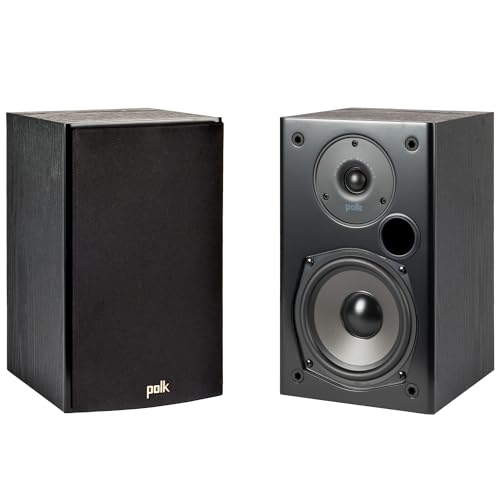
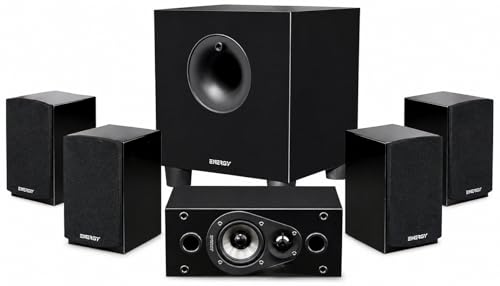
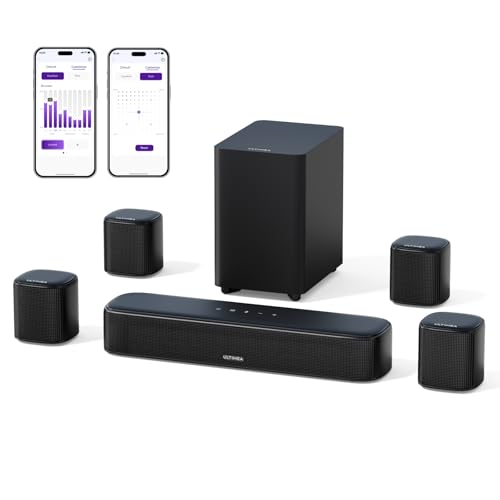
Surround sound turns movies and TV into an immersive experience, but only when speakers are placed sensibly and levels are calibrated. This guide to best affordable surround sound speakers explains layouts, placement, and receiver pairing without overspending. The comparison table below outlines common configurations.
Affordable surround systems have improved, yet the largest gains still come from placement and calibration rather than extra channels. A well set up five channel system often beats a poorly placed seven channel system. Start with layout, then choose speakers to fit your room.



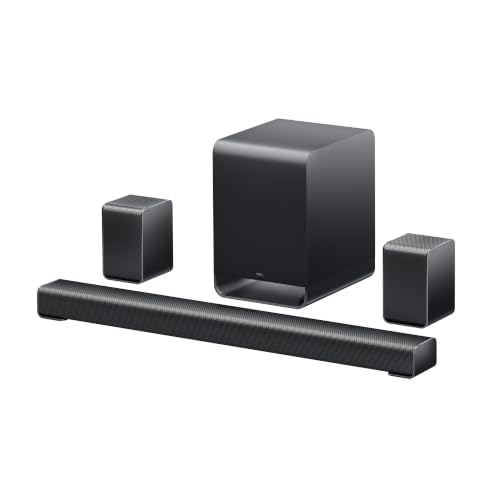

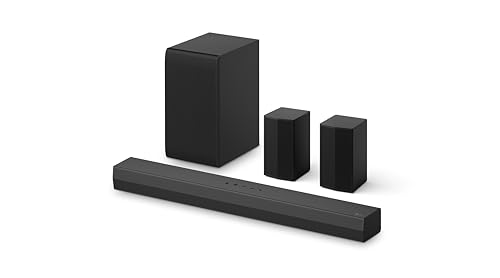

Who Should Buy Surround Speakers
Movie and TV lovers who watch in a dedicated room or a living room with space behind the seating will benefit most. Surround suits action, drama, and sport where spatial sound adds atmosphere. If you mainly watch news or listen to music, a good stereo pair may offer better value.
Renters and small room viewers should consider compact satellite speakers and wireless rear options that reduce cable runs. Larger rooms suit bigger front speakers and a capable subwoofer. Match the system to room layout and seating, not to channel count alone.
Layouts: Five, Seven, and Height Channels
A five channel layout with front left, center, right, and two surrounds covers most movies well and suits many living rooms. Seven channels add rear surrounds for larger rooms and more precise rear imaging. Height channels add overhead effects for compatible content, but need ceiling or upfiring speakers and suitable room height.
Start with five channels and a subwoofer, then add channels only if your room and receiver support them well. Extra speakers placed poorly add confusion rather than immersion. Check receiver channels and power before buying additional speakers, since the receiver must drive them all cleanly. For general surround context, best surround sound speakers covers wider budgets.
Placement and Calibration
Front speakers should flank the screen at ear height, with the center speaker close to the screen for clear dialogue. Surrounds belong slightly behind and above ear level for most layouts, angled toward the seating area. Rear speakers in seven channel systems sit behind the listener, not directly beside.
Calibration sets levels, distances, and crossover points so sound arrives coherently. Use the receiver auto calibration as a starting point, then adjust center level for dialogue clarity and subwoofer level so bass supports rather than dominates. For detailed placement guidance, best position for surround sound speakers and best placement for surround sound speakers expand on room layouts.
Receiver, Subwoofer, and Cables
Receiver power and features shape system performance. Check channels, HDMI inputs, and support for the audio formats you use. A receiver that drives your speakers cleanly at movie volumes matters more than a high channel count with weak amplification. Ensure the subwoofer output and crossover controls suit your front speakers.
Subwoofer placement affects bass more than subwoofer size alone. Experiment with corner, wall, and mid wall positions, and use calibration to smooth peaks. Keep speaker cables tidy, labelled, and protected from foot traffic. For wireless rear options, best wireless surround sound speakers reduces cable runs, though wireless rears still need power.
Mistakes Worth Avoiding
Placing all speakers at the front is a common error that defeats surround purpose, as is mounting surrounds too high or too far from seating. Another mistake is setting the subwoofer too loud, which masks dialogue and tires listeners. Calibrate, then trust measurements over initial impressions.
Do not buy height speakers for a low ceiling room without checking maker guidance, since reflections may not work as intended. For rear speaker specifics, best rear speakers for surround sound covers size and mounting. Keep volumes sensible for neighbors, especially late at night with strong bass.
Living Room Surround Without a Dedicated Room
Living room surround must work around sofas, windows, doors, and family traffic, so flexible speaker placement matters more than textbook layouts. Wall mounted surrounds, speaker stands, and compact satellites each solve different layout problems, and the best choice depends on where seating sits relative to walls. Walk the room and note where speakers can sit without blocking walkways or looking intrusive.
Family use also shapes settings, since children, guests, and late night viewers have different volume and content needs. Create simple presets where your receiver allows, such as a movie mode with full surround, a night mode with reduced bass and dynamic range, and a music mode with stereo focus. Simple presets encourage everyone to use the system correctly rather than leaving it on one unsuitable setting.
Furniture placement affects surround more than many owners realise, since tall bookcases, curtains, and open doorways absorb or reflect sound unevenly. Keep surrounds clear of heavy curtains where possible, avoid placing a surround directly behind a tall chair back, and test levels from each seat, not only from the central seat. Small furniture moves can improve surround balance noticeably.
Content That Shows Off Surround Sound
Not all content uses surround equally, since news and talk shows remain largely front focused, while films, nature documentaries, and live sport use surrounds for atmosphere and crowd sound. Choose films with well mixed soundtracks for testing, and listen for rain, crowd, and ambient effects that should surround rather than distract. Good surround feels immersive without drawing attention to individual speakers.
Music in surround divides opinion, since some listeners prefer stereo purity while others enjoy concert recordings in surround. Try both modes with familiar albums, and favor the mode that feels natural rather than gimmicky. Concert films and live recordings often suit surround better than studio albums, where stereo imaging may already be carefully crafted.
Gaming also benefits from surround, since directional sound helps locate opponents and environmental cues in many titles. Check game audio settings for surround output, and calibrate levels for gaming separately if your receiver allows, since game mixes differ from film mixes in dynamic range and center use. A system tuned for both films and games serves a household better than one tuned for films alone.
A Final Check Before You Order
Before ordering, confirm receiver channels, power, and format support for the layout you plan, since a receiver with too few channels or weak amplification limits any speaker upgrade. Check HDMI inputs for your sources and ensure the subwoofer output suits your front speakers. Receiver capability should be settled before speaker shopping, not after.
Also map speaker positions in your room, including wall mounting options, power outlets for wireless rears, and cable routes that avoid walkways. A layout that looks good on paper may block doors or seating, so tape positions on walls and floors where possible. Practical placement planning prevents a system that sounds good but lives awkwardly.
Finally, plan calibration time after installation, including auto calibration followed by manual tweaks for dialogue clarity and subwoofer level. Test with familiar films from each seat, not only from the central seat, and adjust center level until dialogue stays clear at normal volumes. Calibration turns a collection of speakers into a coherent system.
Frequently Asked Questions
Is five channel surround enough for movies?
Yes, for most living rooms and movie content. Five channels plus a subwoofer deliver clear dialogue, front soundstage, and immersive surrounds. Seven channels and height speakers add refinement in larger rooms, but a well calibrated five channel system beats a poorly placed larger system. Revisit the choice after a short trial period to confirm it still suits you.
Where should surround speakers go?
Slightly behind and above ear level for most five channel layouts, angled toward the main seating. Front speakers flank the screen at ear height, and the center sits close to the screen. Avoid placing surrounds directly beside ears at close range, since that creates distracting localised sound. Note your room, usage, and budget before narrowing the shortlist.
Do wireless rear speakers need power?
Yes, wireless refers to audio signal, not power. Wireless rear speakers still need mains power or a wireless receiver module near the rear seating. Check power outlet locations before choosing wireless rears, and confirm latency and format support with your receiver. Note your room, usage, and budget before narrowing the shortlist.
Why is dialogue hard to hear in surround sound?
Center level, room acoustics, and dynamic range all affect dialogue. Raise center level slightly, enable dialogue enhancement or dynamic range compression for late night viewing if available, and reduce subwoofer level if bass masks voices. Seating position and center placement also matter. Test the option in your own home or routine where return policies allow.
Can I mix speaker brands in surround sound?
You can, but matched front speakers, especially the center, blend best for dialogue and panning. Surrounds can differ more safely, since they carry ambient sound. Keep sensitivity reasonably close so calibration does not need extreme level corrections, and test panning with familiar movie scenes. Ask a professional for help if specifications or safety rules are unclear.
Final Thoughts
Affordable surround sound works best when layout fits your room, speakers sit at sensible heights and angles, and calibration balances dialogue, effects, and bass. Start with five channels and a subwoofer, add channels only where room and receiver support them, and experiment with placement before upgrading. The product table above can help you compare configurations, and best affordable surround sound speakers reward careful setup more than channel count alone. Keep volumes neighbor friendly during late night viewing.