
Best Bluetooth Speakers for Surround Sound 2026: A Room by Room Guide
Disclosure: We may earn a commission when you buy through links on this page, at no extra cost to you. As an Amazon Associate I earn from qualifying purchases. Learn more

How to pick the best bluetooth speakers for surround sound: how wireless surround works, latency and placement in a real room.
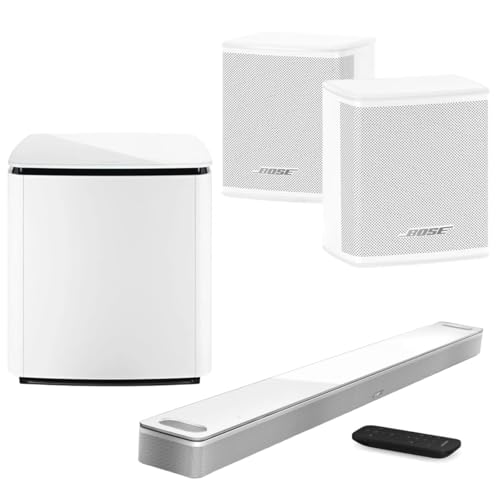
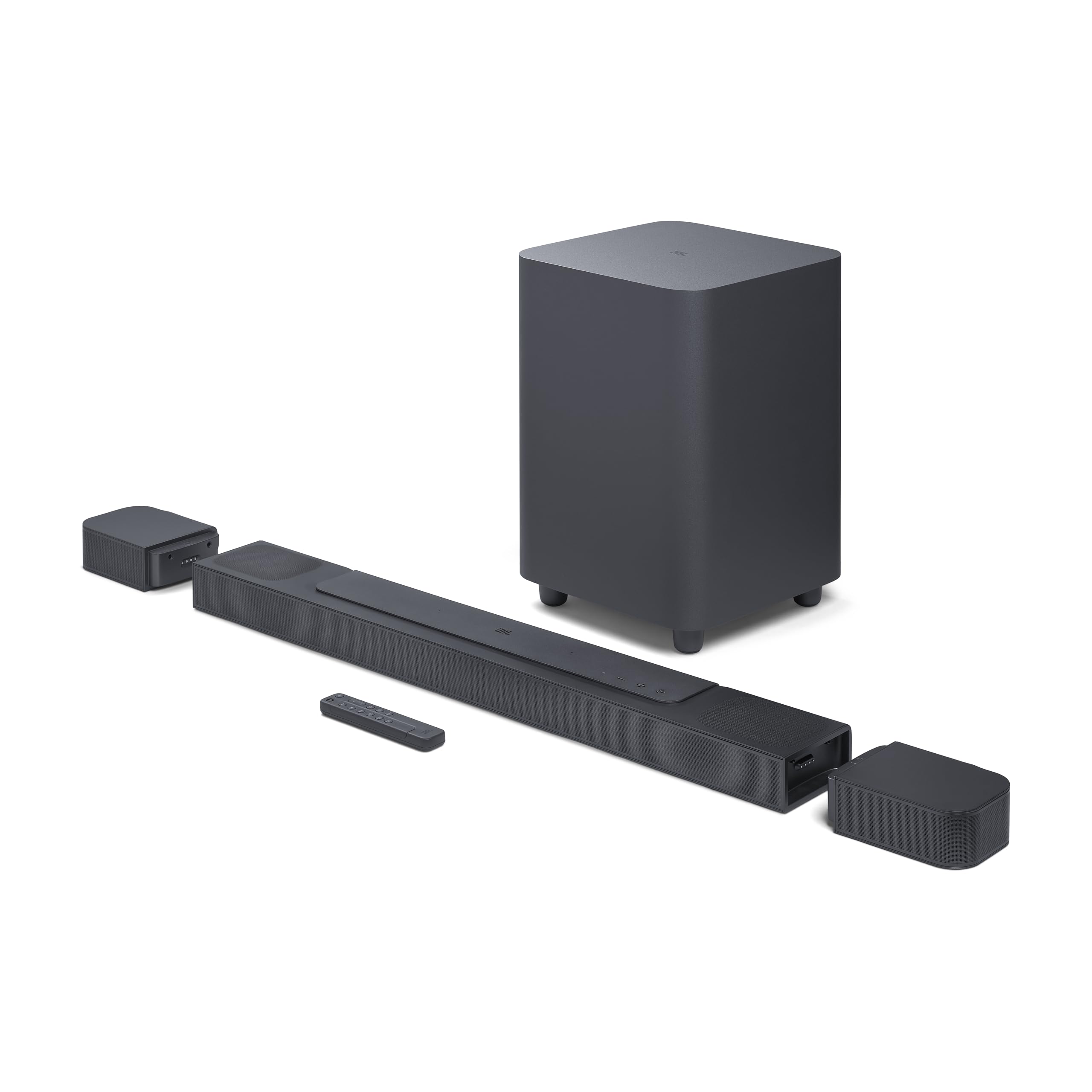
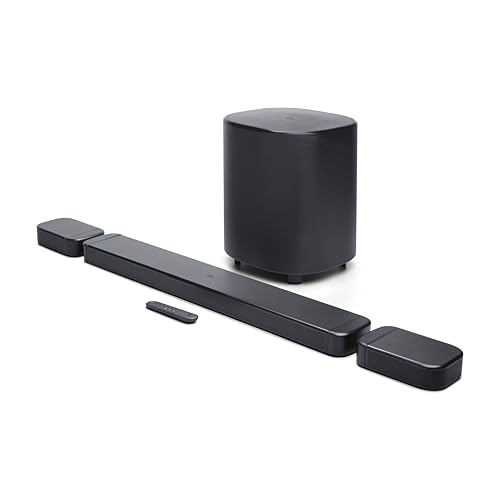
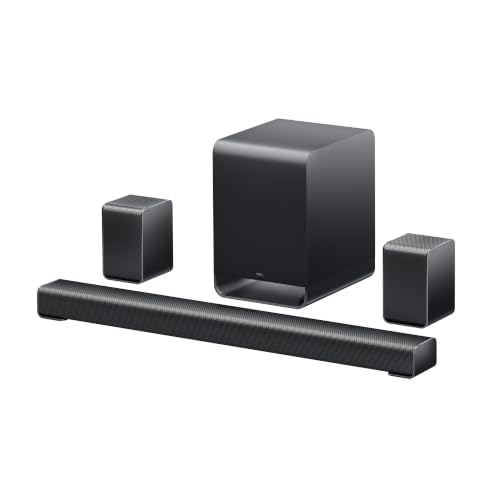
Choosing the best bluetooth speakers for surround sound starts with the room, not the speaker box. A living room with hard floors, a large rug, and an open kitchen behaves very differently from a small closed den, and the same wireless setup can sound full in one space and thin in another. The comparison table below gives a quick side by side view, and the rest of this guide explains what each choice means in daily use.
Choosing the best bluetooth speakers for surround sound starts with knowing that wireless surround is not one single technology. Some systems send every channel over a wireless link, while others keep the front speakers wired to a soundbar or hub and only send the rear channels without wires. That difference matters for delay, for dropouts, and for how easy the system is to expand later. This guide walks through layout, latency, bass, and placement so you can match a system to your room and your habits.



How Wireless Surround Sound Actually Works
A wireless surround setup still needs a source, a way to split sound into channels, and speakers placed where each channel belongs. The television or streaming device sends the audio signal to a main unit, and that unit forwards the surround channels to the rear speakers over a wireless connection. The front left, front right, and centre channels usually carry dialogue and most of the action, while the rear speakers carry atmosphere, crowd noise, and effects that move behind you.
The wireless link itself is the part most buyers underestimate. A standard Bluetooth connection can add a small delay between picture and sound, and that delay becomes obvious when lips move a fraction of a second before words arrive. Dedicated wireless systems built for home cinema often use a private radio link with much lower delay, so they stay in sync more reliably. When you compare options, look for a stated low latency mode or a lip sync adjustment rather than assuming every wireless label means the same thing.
Room Layout Comes Before Speaker Shopping
Before you compare models, sketch the room and mark where people actually sit. Rear speakers work best when they sit slightly behind and to the sides of the main seat, roughly at ear height when seated, with a clear path for sound to reach the listener. Pushing them into far corners or hiding them behind thick curtains weakens the surround effect, because the sound arrives muffled or bounces in odd directions.
Room size also decides how much power and bass you need. A small room fills quickly, and a modest system can sound rich without being turned up loud. A large open plan room needs more output and a subwoofer that can move enough air to be felt, not just heard.
Hard surfaces reflect sound and can make dialogue harsh, while rugs, curtains, and soft furniture absorb reflections and make the same system sound warmer and clearer. The product table above is a useful starting point, but your room dimensions and seating distance should drive the final choice. If rear placement is your main puzzle, our guide to best rear speakers for surround sound covers positioning in more depth, and a broader look at best surround sound speakers helps compare wired and wireless layouts.
Latency, Dropouts, and Connection Stability
Nothing breaks a film night faster than sound that stutters or drifts out of sync. Walls, other wireless devices, and distance between the main unit and the rear speakers all affect stability. Keep the main unit in the open rather than inside a closed cabinet, and avoid placing rear speakers behind large metal objects or thick masonry where the signal must fight through obstacles.
If your television supports it, test the audio delay setting early, while you can still move speakers or change inputs without hassle. A small adjustment of a few tens of milliseconds can remove that odd feeling that dialogue is slightly ahead of the picture. Also check how the system behaves when you switch inputs, pause a show, or wake the television from standby.
A system that reconnects quickly and quietly will feel far better over months of use than one that needs frequent restarts. Television focused setups are covered in our guide to best bluetooth surround sound tv speakers, and best bluetooth surround speakers explains how standalone rear units differ from soundbar based systems.
Bass, Dialogue, and Everyday Balance
Surround sound is often sold on big bass, but dialogue clarity is what you live with every day. A centre channel that keeps voices clear at low volume matters more than a subwoofer that shakes the floor during action scenes. Look for a dialogue or voice enhancement mode, and check whether the system lets you raise the centre channel on its own. That single control can rescue late night viewing when you want voices clear without waking the house.
Bass should support the scene, not dominate it. A subwoofer placed in a corner will sound louder, but it can also sound boomy and uneven from seat to seat. Try the subwoofer in two or three spots if the cable or wireless range allows it, and listen from your usual seat rather than standing next to the unit.
A balanced setup lets quiet scenes stay intelligible and loud scenes stay exciting, without constant volume adjustments. For a closer look at tonal balance, see our guide to best quality sound bluetooth speakers and how different tunings suit films, music, and games.
Placement Tips That Cost Nothing
Small placement changes often improve sound more than a more expensive speaker. Move rear speakers a little forward or back until effects feel like they come from behind you rather than from a box beside your ear. Angle them slightly toward the seating area instead of firing straight at a wall, and keep them away from the floor where rugs and furniture block the sound.
Also think about cables and power. Wireless speakers still need power, so each rear speaker needs a nearby outlet or a long power lead routed safely out of walkways. Plan those runs before you buy, because a beautiful layout that needs an extension lead across a doorway quickly becomes annoying. If outlets are scarce, a soundbar with virtual surround or a smaller two speaker setup may fit your room better than a full rear speaker pair.
A Final Check Before You Order
Before you order, measure the distance from the television to the main seat and from the main seat to each planned rear speaker position. Compare those distances with the range stated for the system, and leave some margin for walls and furniture. Check the inputs on your television as well, since older sets may lack the digital audio output a newer system expects.
Also confirm what happens if you want to add speakers later. Some systems let you add rear speakers or a subwoofer step by step, while others lock you into a fixed set. A system that grows with your room protects your spending, especially if you move house or rearrange the living room in a year or two. The product table above shows the shape of each option, and these checks turn that shape into a decision you can trust.
Frequently Asked Questions
Do wireless rear speakers need any cables at all?
Wireless rear speakers still need power, so each one needs a nearby outlet or a power lead. The audio signal travels without wires, which removes the long cable run across the room, but the power lead remains. Plan outlet positions before you buy, and keep leads out of walkways so the setup stays safe and tidy in daily use.
Why does dialogue sometimes fall out of sync?
Delay in the wireless link or in the television audio processing can push sound slightly ahead of or behind the picture. Most systems offer a lip sync or audio delay control that lets you shift sound by small steps until voices match mouth movements. Test this early with a dialogue heavy scene, since a small correction is easy to miss on action scenes alone.
Is a subwoofer essential for surround sound?
A subwoofer is not strictly essential, but it adds depth that small speakers cannot reproduce, especially for films and games with low rumbles. In a small room, a compact subwoofer may be enough, while a large open room benefits from a larger unit. If bass matters less to you than clear dialogue, prioritise the centre channel and add a subwoofer later.
Can I add rear speakers to a soundbar later?
Some soundbars support optional rear speakers and a separate subwoofer, while others are sold as a closed set with no expansion path. Check the maker specifications for optional speaker support before you buy, and confirm whether the add on parts use the same wireless link. Buying into an expandable system gives you more room to grow without replacing the whole setup.
Does room shape change which system sounds best?
Room shape changes reflections, bass response, and how clearly surround effects reach the listener. Open plan rooms need more output and careful subwoofer placement, while small closed rooms benefit from modest power and soft furnishings that tame reflections. Always judge a system in a room close to your own size and layout, not only in a large showroom.
Best Bluetooth Speakers for Surround Sound: Final Thoughts
Wireless surround sound works best when layout, latency, and dialogue clarity are settled before price or brand. Measure the room, plan power for the rear speakers, and test lip sync early, and the system will feel natural rather than fiddly. The product table above gives a compact comparison, and the checks in this guide turn that comparison into a setup that suits your home.
If you take one idea away, let it be this: buy for the room you actually live in. A modest balanced system placed well will beat a powerful system squeezed into the wrong corners, and a setup you can expand later will stay useful far longer. With those priorities clear, choosing the best bluetooth speakers for surround sound becomes a calm, practical decision.


