Best Ceiling Mount Speakers 2026: Buying Guide
Disclosure: We may earn a commission when you buy through links on this page, at no extra cost to you. As an Amazon Associate I earn from qualifying purchases. Learn more

Measure the cavity, match the amplifier and check moisture ratings when choosing the best ceiling mount speakers for any room.
Ceiling speakers keep a room tidy by putting the sound where nobody trips over it, but the choice is wider than it looks. The best ceiling mount speakers for your home depend on the ceiling depth above the room, the amplifier or receiver you already own, and how the room is used. A kitchen with a range hood needs different speakers than a home cinema with a dedicated receiver.
This guide sorts the main types, then explains driver size, power matching, moisture ratings, and installation, so you can narrow the field before you open a ceiling. The product table above lists current options that fit these types.






Types of Ceiling Mount Speakers
Passive In-Ceiling Pairs
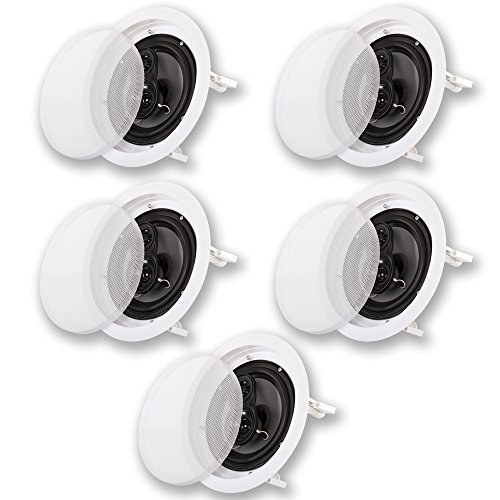
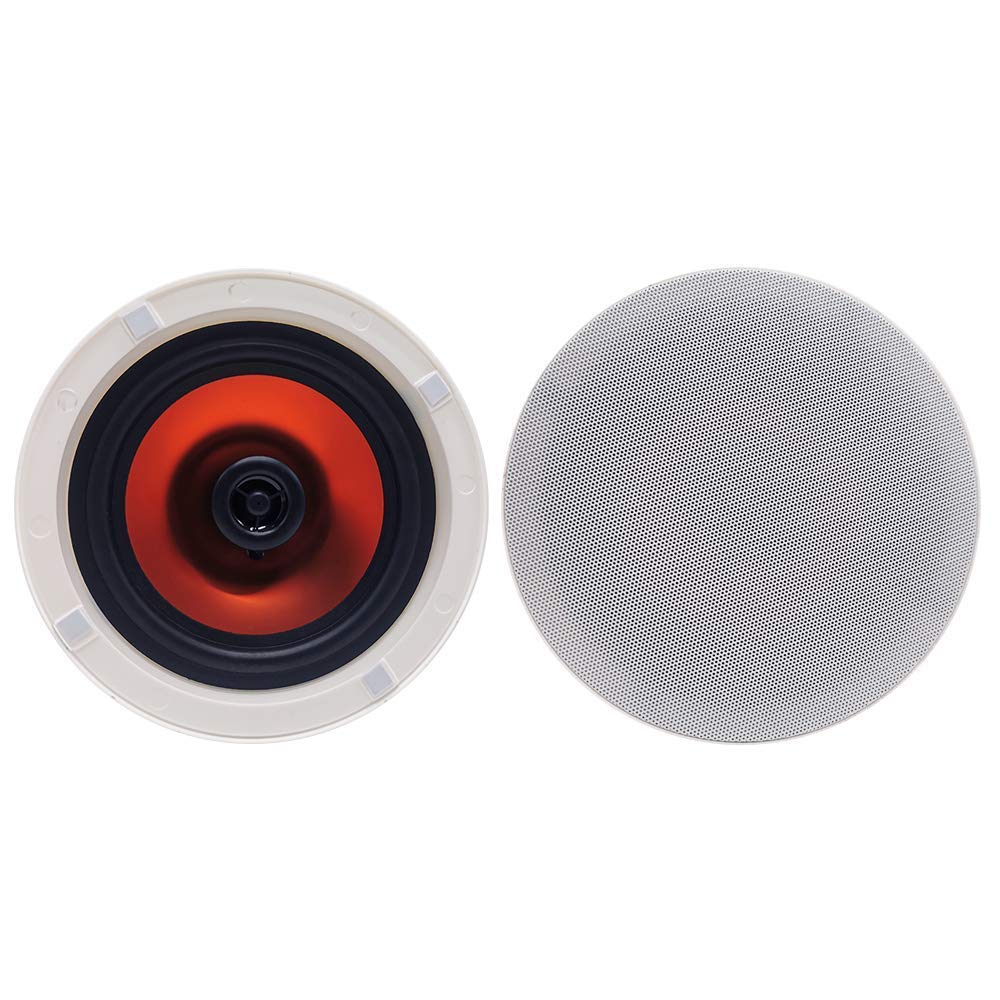
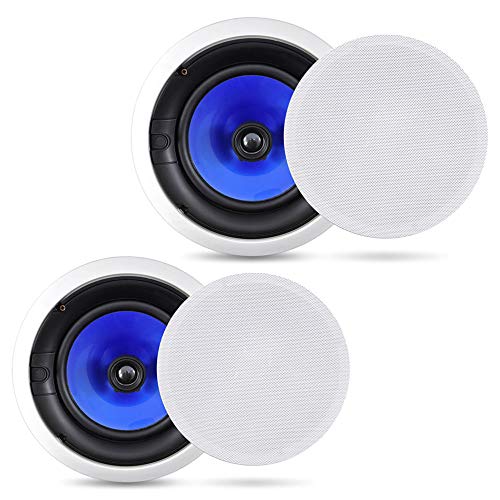
Passive speakers have no amplifier of their own, so they connect to a receiver or amplifier through speaker cable. They are the most common choice for whole home music and home cinema, because the wiring stays inside the ceiling and the electronics sit in a cabinet where you can reach them. Most are sold as a pair or as single units, so count the channels you need before you order. If you plan to add more rooms later, a receiver with several zone outputs saves a second amplifier.
Powered and Bluetooth Sets
Some ceiling kits bundle a small amplifier and add Bluetooth, so you can stream from a phone without a receiver. These suit a bathroom, laundry, or bedroom where you only want background music. The trade off is flexibility: the amplifier is matched to the speakers, so you cannot upgrade one without the other, and the wall controller needs a safe spot near power. Check that the amplifier has a wired input as well, which keeps the system useful if the wireless link ever misbehaves.
Angled and Pivoting Models
Angled-baffle and pivoting-tweeter designs aim sound toward the seats instead of straight down. They matter most in home cinema and in rooms with high ceilings, where a flat driver sprays sound at the floor. For a plain kitchen or hallway, a standard round speaker is usually enough and costs less.
Commercial 70 Volt Systems
Shops, offices, and conference rooms often use 70 volt ceiling speakers, which run many speakers from one amplifier on a long cable. They are efficient for background music across large spaces, but they need a compatible amplifier and are not the best match for a home receiver. Check the connection type before you buy a pack of them for a house.
How to Choose the Best Ceiling Mount Speakers
Driver Size and Cutout
Common sizes run from about 4 inches for small rooms and hallways to 6.5 and 8 inches for living rooms and cinema rooms. A bigger driver moves more air and gives fuller bass, but it needs a larger hole and more depth above the ceiling. Always compare the listed cutout diameter and the mounting depth with a measurement of your own ceiling, and look for a hole template in the box. Two way models, with a separate tweeter, give clearer voices and detail than a single full range cone.
Power, Impedance, and Amplifier Match
A passive speaker should suit the amplifier that drives it. Read the listed impedance and the recommended power range, and make sure your receiver can handle the load, especially if you wire several speakers in one zone. Sensitivity tells you how loud a speaker plays for a given power, so a higher figure helps a modest amplifier. Pairing mismatched parts can cause weak sound or a protective shutdown, so confirm the numbers before cutting.
Moisture Rating and Materials
Kitchens, bathrooms, and covered patios call for speakers with a humidity or moisture rating. Look for treated cones, sealed or coated parts, and a grille that will not rust. A speaker without a rating may be fine in a dry living room, but steam shortens its life in a bathroom. Paintable grilles help the speaker blend with the ceiling, and thin trims look neater in small rooms.
Installation and Access
Ceiling speakers need a clear cavity between joists, so use a stud finder and a small inspection hole before you cut. Run cable rated for in wall use, leave slack at each end, and keep speaker wire away from mains cables where you can. Some speakers come with a back box or enclosure that improves bass and reduces sound leaking to the room above. If the ceiling has insulation or fire rating requirements, follow local rules or hire a qualified installer.
How Much Should You Spend?
Basic pairs cost about $60 to $120 and suit background music in a hallway or bedroom. Mid range pairs, about $120 to $250, add better tweeters, stronger frames, and paintable grilles. Premium models above that raise clarity and build quality, and they make sense in a dedicated cinema or music room. Remember that cable, an amplifier, and installation can add as much as the speakers cost.
Placement and Coverage Tips
Spread speakers evenly so the sound is smooth across the room instead of loud under one spot. In a long room, space the speakers roughly the same distance apart as their height above the listeners. Keep them away from corners, recessed lights, and vents, since heat and rattles hurt both sound and lifespan. For stereo music, a pair centered over the seating gives a balanced picture.
Common Mistakes to Avoid
- Cutting before measuring the cavity depth, which can leave a speaker that does not fit.
- Choosing powerful speakers for a small amplifier, so the volume never reaches a comfortable level.
- Placing a single speaker in a large room, which leaves part of the space quiet.
- Putting unrated speakers in a steamy bathroom, where moisture damages the cone and the grille.
- Leaving no slack in the cable, which makes later service difficult.
Related Guides
For a wider view of flush fitting designs, see our guide to the best flush mount ceiling speakers and the broader list of best ceiling speakers. If you are building a movie room, our guide to the best ceiling mount surround sound speakers covers channel layouts, while the guide to the best ceiling speakers for music focuses on stereo listening.
FAQ
How do I choose the right ceiling mount speaker for my room?
Start with the room size and ceiling depth, then pick a driver size that fits the cutout you can make. Match the speaker to your amplifier, and add a moisture rating if the room is a kitchen or bathroom. That short list removes most poor fits before you compare prices.
Do ceiling speakers need an amplifier?
Passive models do, because they take their power from a receiver or an amplifier. Powered sets include a small amplifier, often with Bluetooth, so they work with a phone. Pick the type that matches how you plan to play music.
How many ceiling speakers do I need?
A pair is enough for stereo music in a small room. Larger rooms and open plans usually need a speaker every few feet so the sound stays even. Cinema rooms use several speakers placed for surround and height channels.
Can ceiling speakers be used in a bathroom or kitchen?
Yes, as long as they carry a humidity or moisture rating and you keep them away from direct spray. Steam and cooking grease shorten the life of unrated speakers, so check the listing before you buy. Wipe the grille gently and avoid spraying cleaner at the driver.
Can I install ceiling speakers myself?
Many homeowners do, using the hole template, a stud finder, and in wall rated cable. Turn off power before any work near mains wiring, and ask a qualified installer if joists, insulation, or fire rated ceilings make the job unclear.
Final Thoughts
Measure your ceiling cavity, match the speakers to your amplifier, and add a moisture rating where steam is part of the room. Chosen that way, the best ceiling mount speakers disappear into the ceiling while the sound fills the room evenly. Compare the options in the product table above against those three checks before you order.