
Best Ceiling Bathroom Exhaust Fan in 2026: Sizing, Sound and Ducting Guide
Disclosure: We may earn a commission when you buy through links on this page, at no extra cost to you. As an Amazon Associate I earn from qualifying purchases. Learn more
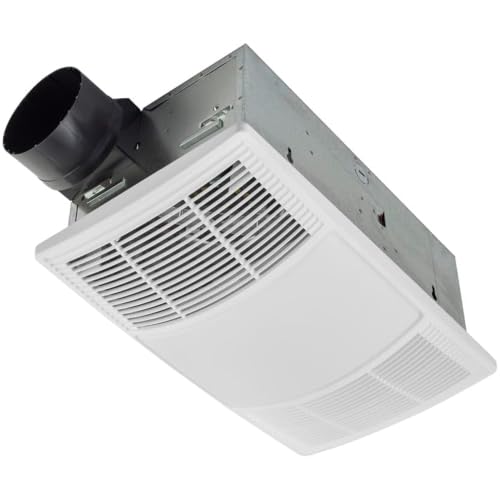
How to pick the best ceiling bathroom exhaust fan: match CFM to room size, check sones and duct diameter, and choose features that earn their cost.
A ceiling fan that is too weak leaves mirrors fogged and paint damp long after a shower ends. One that is too loud often gets switched off, so the moisture stays anyway. Finding the best ceiling bathroom exhaust fan means matching airflow, sound, and ducting to your room instead of buying on looks alone. The comparison table below groups the main types by airflow, sound level, and fit so you can narrow your choice fast.
This guide explains the sizing math, the housing and duct details that decide whether a fan fits your ceiling, and which added features earn their cost. If you want the broader category first, see our guide to the best bathroom exhaust fan options for wall and inline layouts as well.
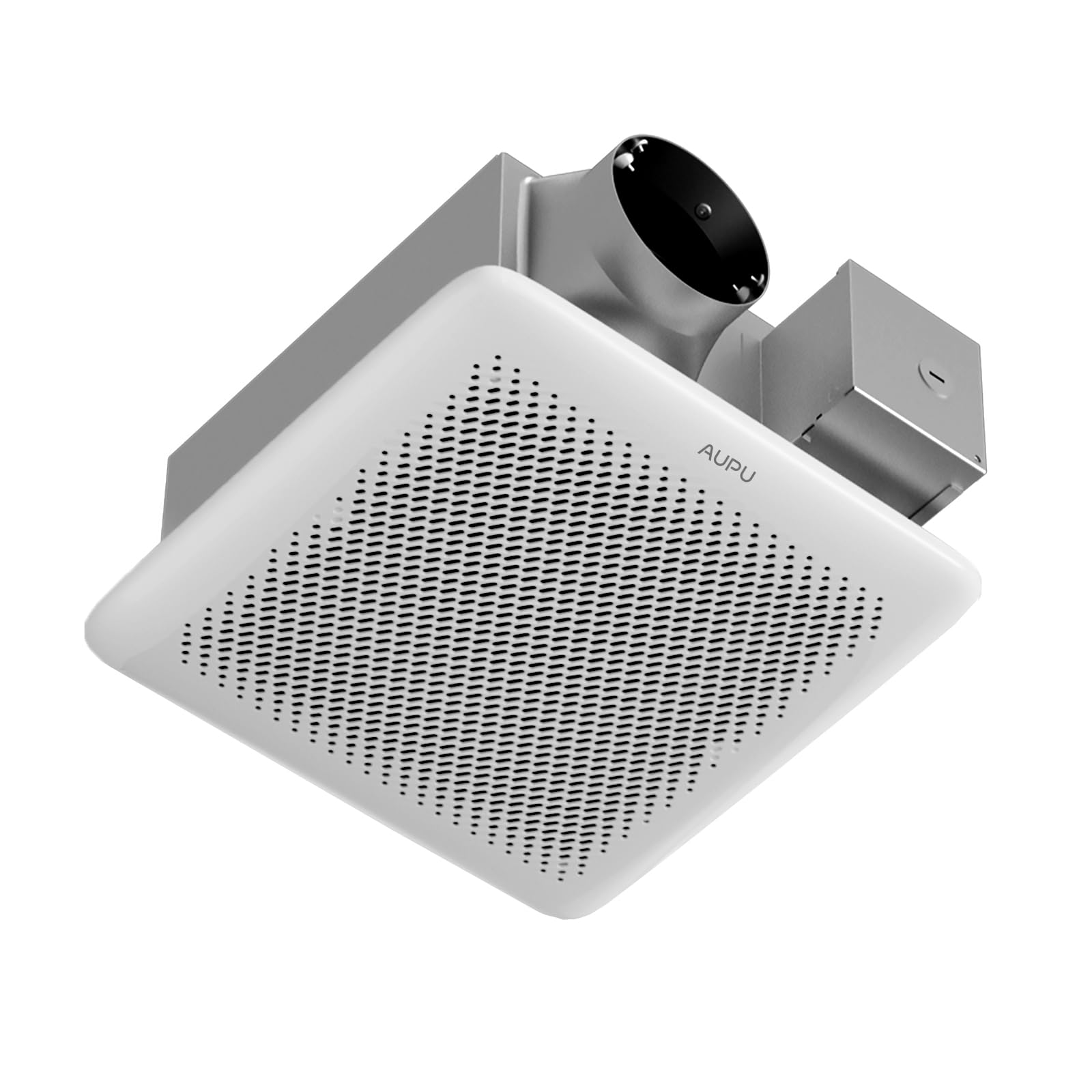

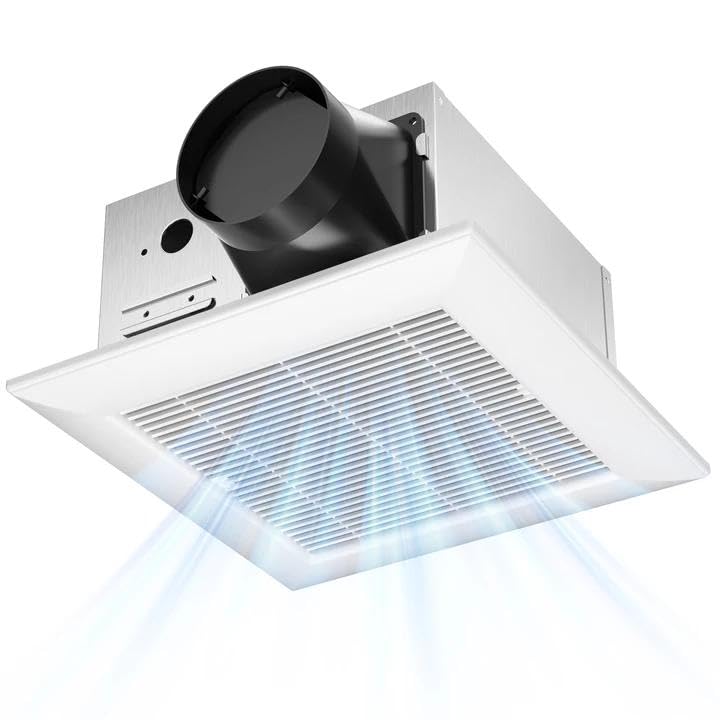
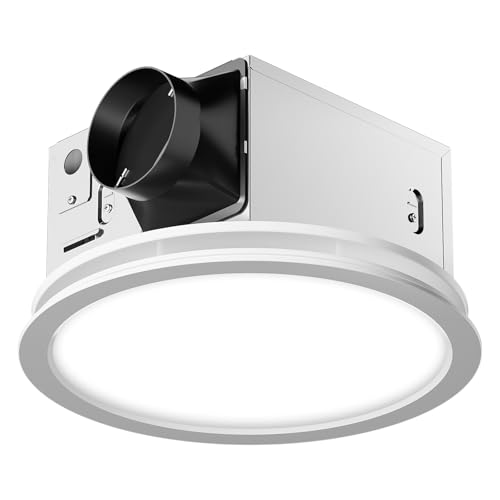

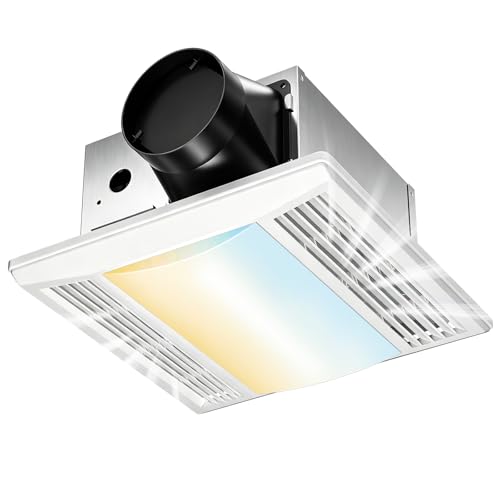
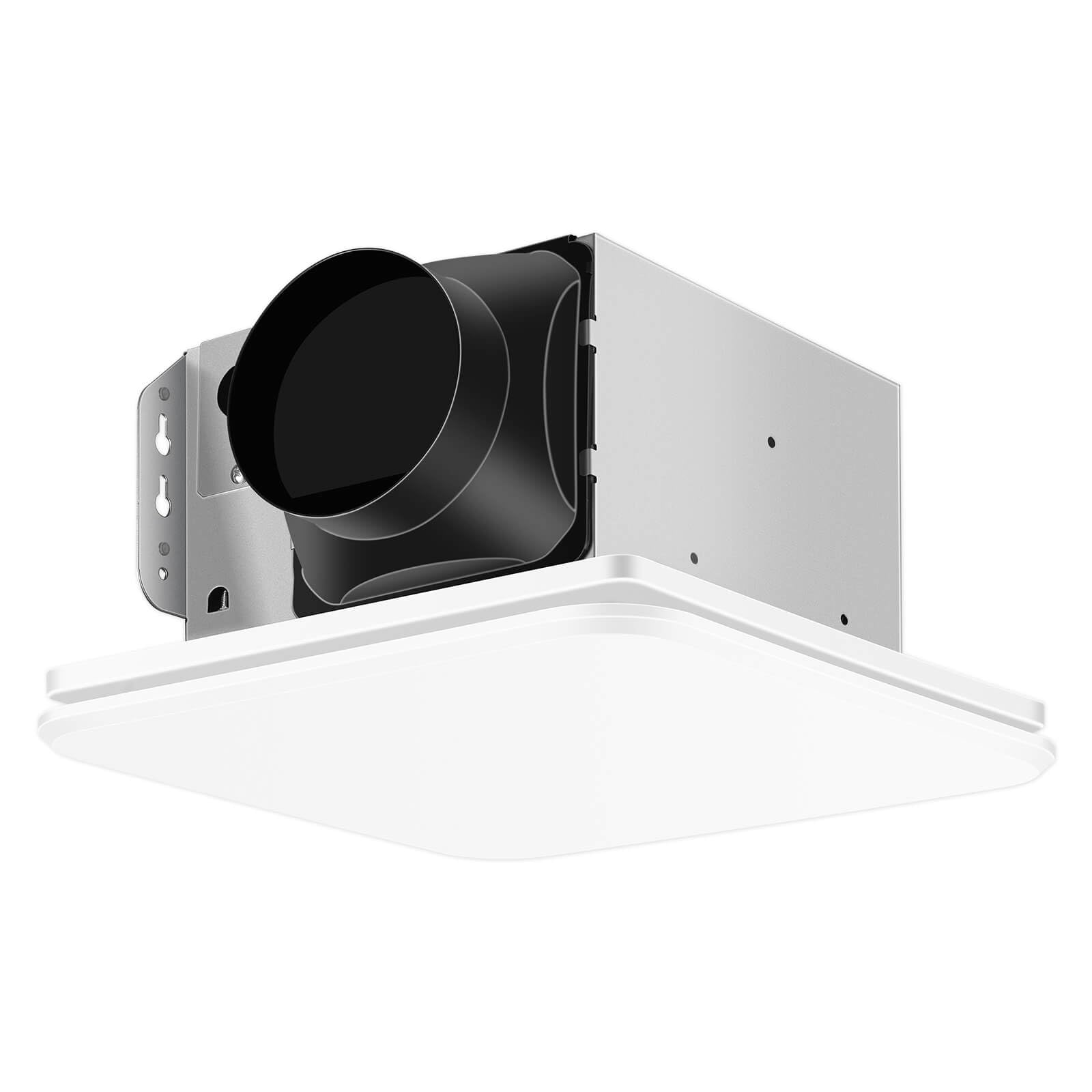


Ceiling Fan Types at a Glance
Ceiling models fall into three broad groups. Basic fans move modest air volumes and suit powder rooms or small guest baths. Balanced fans cover most full baths and add quieter motors and better grilles. Premium fans pair strong airflow with very low sound, sensors, and lights. The product table above shows how those groups differ, and the sections below explain which group fits which room.
Three Types Worth Comparing
Balanced Everyday Type
This is the type most homes need. Airflow usually sits around 80 to 110 CFM, enough for a standard tub and shower bath, while sound stays low enough for normal conversation. Many include a simple light or a plain grille and fit common housing sizes. Choose this type when you want a clear step up from a builder grade fan without paying for sensors or heating you may not use.
Basic Budget Type
Budget ceiling fans focus on moving air at the lowest cost, often around 50 to 80 CFM and usually under $100. They suit half baths, water closets, and small rooms with no shower. Expect a louder motor, a basic grille, and fewer control options. The savings make sense when the room sees light use and the duct run is short, straight, and already in place.
Premium Quiet Type
Premium models combine airflow of about 110 CFM or more with sound ratings near or below 1 sone. Many add humidity sensing, dimmable light, or a heater. The housing and motor design aim for smooth, steady operation over many years. Choose this type for a primary bath, an ensuite near a bedroom, or any room where fan noise is the reason the old fan stayed off.
How to Evaluate Ceiling Bathroom Exhaust Fans
Judge any model on five points. Start with installation and compatibility, since a fan that does not fit your joist spacing or duct size will cost more to install. Next look at build quality and finish, including the housing, motor, and grille material. Then compare features, certifications for safety and airflow, and warranty length. A strong score on fit and build matters more than a long feature list.
How to Choose the Right Bathroom Exhaust Fan
Size and Form Factor
Airflow is measured in CFM, or cubic feet per minute. A common sizing guide is about 1 CFM for each square foot of floor area, so a 70 square foot bath needs roughly 70 CFM. Small rooms often work well at 50 CFM, mid size baths at 80 CFM, and larger baths at 110 CFM. Rooms with a jetted tub, a tall ceiling, or a separate shower may need 150 CFM or a second fan. Pick the next size up when your room sits between sizes.
Type
All fans in this guide mount in the ceiling, but their behavior differs. Standard models run from a wall switch and stop when you switch them off. Humidity sensing models start on their own when moisture rises and keep running until the air dries. If sound is your main concern, compare the options in our guide to the best quiet bathroom exhaust fan designs before you decide. Inline fans place the motor in the attic, while wall fans suit rooms with no ceiling access, and both are covered in the comparison section below.
Features Worth Paying For
A built in light reduces the need for a separate ceiling fitting, and a night light setting helps during late night visits. Our guide to the best bathroom exhaust fan with light explains brightness and color choices in detail. A humidity sensor is worth paying for in busy family baths, since it runs the fan even when someone forgets the switch. A heater adds comfort in cold climates, as the guide to the best bathroom exhaust fan with heater shows. Bluetooth speakers and color changing lights are pleasant extras, but they should rank below airflow and sound.
Measurements and Compatibility With Your Setup
Measure the old housing before you order, including its length, width, and the space between the joists above it. Check the duct diameter as well, since many older homes use 3 inch or 4 inch ducts and newer fans often need 4 inch or 6 inch ducts. A mismatch can choke airflow and add noise. Note the direction the duct leaves the housing and whether you have attic access. If you plan a swap, the steps in how to replace a bathroom exhaust fan show what a like for like change involves.
Certifications
Look for a safety listing from UL or ETL, which shows the fan was rated for use in a damp location when the label says so. Airflow and sound ratings certified by HVI give you numbers you can compare across brands. Energy Star certified models use less electricity for the same airflow. Fans placed over a tub or shower often need protection from a ground fault circuit interrupter, so check the maker instructions and your local code before wiring.
DIY or Professional Installation
Swapping a fan into an existing housing of the same size is a manageable project for a confident homeowner with the power off at the breaker. Cutting a larger opening, running a new duct, or adding a roof or wall cap is slower and often better left to a pro. Our breakdown of bathroom exhaust fan installation cost explains what drives quotes up or down. Always vent the fan outdoors, never into an attic or wall cavity, since trapped moisture can damage timber and insulation.
How Much Should You Spend?
Basic fans often cost under $50 to about $100 and cover small rooms with light use. The middle range, about $100 to $200, buys quieter motors, airflow near 110 CFM, and better grilles. Spending about $200 to $300 usually adds humidity sensing, strong light, or heating along with very low sound. Installation, duct parts, and any electrical work sit on top of the fan price, so keep part of your budget aside for those items.
Ceiling and Other Bathroom Exhaust Fans: Pros and Cons
Ceiling mounting suits most bathrooms because warm, moist air rises and the fan can sit close to the shower. Duct runs from a ceiling housing are often short and direct, which helps the fan reach its rated airflow. The main drawback is access, since fitting or servicing the housing may mean working above the ceiling or in an attic.
Wall fans help when a ceiling has no cavity above it, but they need an outside wall. Inline fans move the motor away from the room, so they run very quietly at the grille, yet they cost more and need attic space. Window fans are simple to fit but can look untidy and may not meet local code for a full bath. For most homes with attic access, a ceiling model gives the best balance of cost, airflow, and appearance.
Common Mistakes to Avoid
- Buying on CFM alone. A strong fan on an undersized duct will move far less air than its rating promises.
- Ignoring the sone rating. A loud fan gets switched off early, so moisture lingers after each shower.
- Venting into the attic. Moist air dumped above the ceiling can lead to mold growth and damp insulation.
- Skipping the timer or sensor. A fan stopped the moment you leave the room has not had time to clear the air.
- Guessing the housing size. A housing that clashes with joist spacing turns a simple swap into ceiling repair work.
Care and Cleaning for a Ceiling Exhaust Fan
Dust on the grille and blades makes any fan louder and weaker over time. Switch off the power, pull the grille down on its spring clips, and wash it in warm soapy water. Vacuum loose dust from the housing and wipe the blades with a damp cloth, then let all parts dry before you refit them. Check the outside vent cap once or twice a year and clear any lint, leaves, or nests that block the flap.
FAQs
What is the best ceiling bathroom exhaust fan?
The best choice is the fan that matches your room size, duct diameter, and sound limit at the same time. For most full baths that means about 80 to 110 CFM, a sone rating near 1 or below, and a housing that fits your joist spacing. A model that meets all three points will serve you better than a stronger fan that fits poorly.
Are ceiling bathroom exhaust fans worth it?
Yes, ceiling fans are worth it in most homes because they sit where moist air collects and can use a short duct run to the outside. That placement helps clear steam faster than a wall unit placed low or far from the shower. They also leave wall space free for mirrors and cabinets, which matters in compact layouts.
How long does a bathroom exhaust fan last?
Most ceiling fans last about 10 years, and well built models can run longer with regular cleaning. Life shortens when a fan runs against a blocked duct or carries heavy dust on its blades, since the motor works harder. A new rattle, a slower start, or weak airflow at the grille often signals that the motor is nearing the end of its life.
Is a bathroom exhaust fan worth it?
Yes, an exhaust fan protects the room itself, not just your comfort during a shower. Steady venting helps paint, grout, and cabinet finishes last longer and lowers the damp conditions where mold grows. Many building codes also require venting in baths without an openable window. The running cost is small compared with repairing moisture damage to a ceiling or wall.
How do you clean a bathroom exhaust fan?
Turn off power at the breaker, remove the grille, and wash it once it is free of the ceiling. Use a vacuum brush inside the housing and wipe the fan blades and the moisture sensor lens if your model has one. A clogged sensor lens is a common reason a sensing fan starts late or stops early, and a gentle wipe often restores normal timing.
What is the most reliable bathroom exhaust fan brand?
Reliability depends more on the model line than on the name alone, so compare warranty length, certified ratings, and the availability of spare grilles and motors. Brands that publish HVI certified airflow and sound figures and support their fans with parts for years tend to be safer buys. Reading recent owner reports on motor noise after a year of use also reveals more than launch reviews do.
Final Thoughts
Start with the size of your room, then check your duct and joist measurements, and only then compare sound and features. That order keeps you from falling for extras on a fan that cannot fit or breathe well in your ceiling. Use the product table above to compare the types side by side, and choose the best ceiling bathroom exhaust fan that meets your airflow target at a sound level you will actually leave running.


