Best Ceiling Fans to Cool and Circulate Any Room
Disclosure: We may earn a commission when you buy through links on this page, at no extra cost to you. As an Amazon Associate I earn from qualifying purchases. Learn more
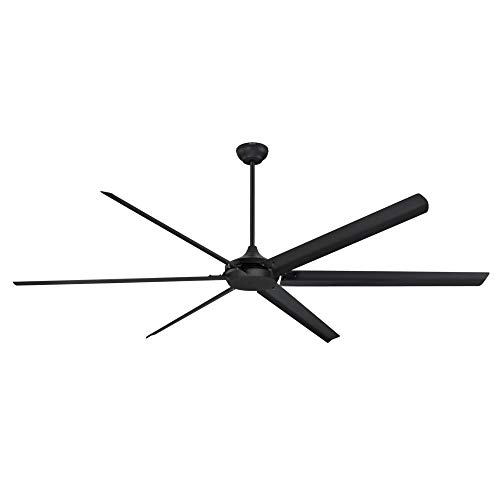
A buying guide to the best ceiling fans, covering sizing, mounting, installation, and seasonal use.
Running an air conditioner nonstop isn't the only way to stay comfortable through a hot stretch, and it's not the cheapest either. A well-chosen fan moves air efficiently enough that most people can raise the thermostat a few degrees and barely notice the difference. Picking the best ceiling fans for your home comes down to matching blade span to room size, choosing the right mounting style for your ceiling height, and picking a motor built to run for years without wobbling or humming. The wrong size fan in the right room, or the right fan mounted the wrong way, ends up doing very little. This guide covers what actually matters before you buy one.





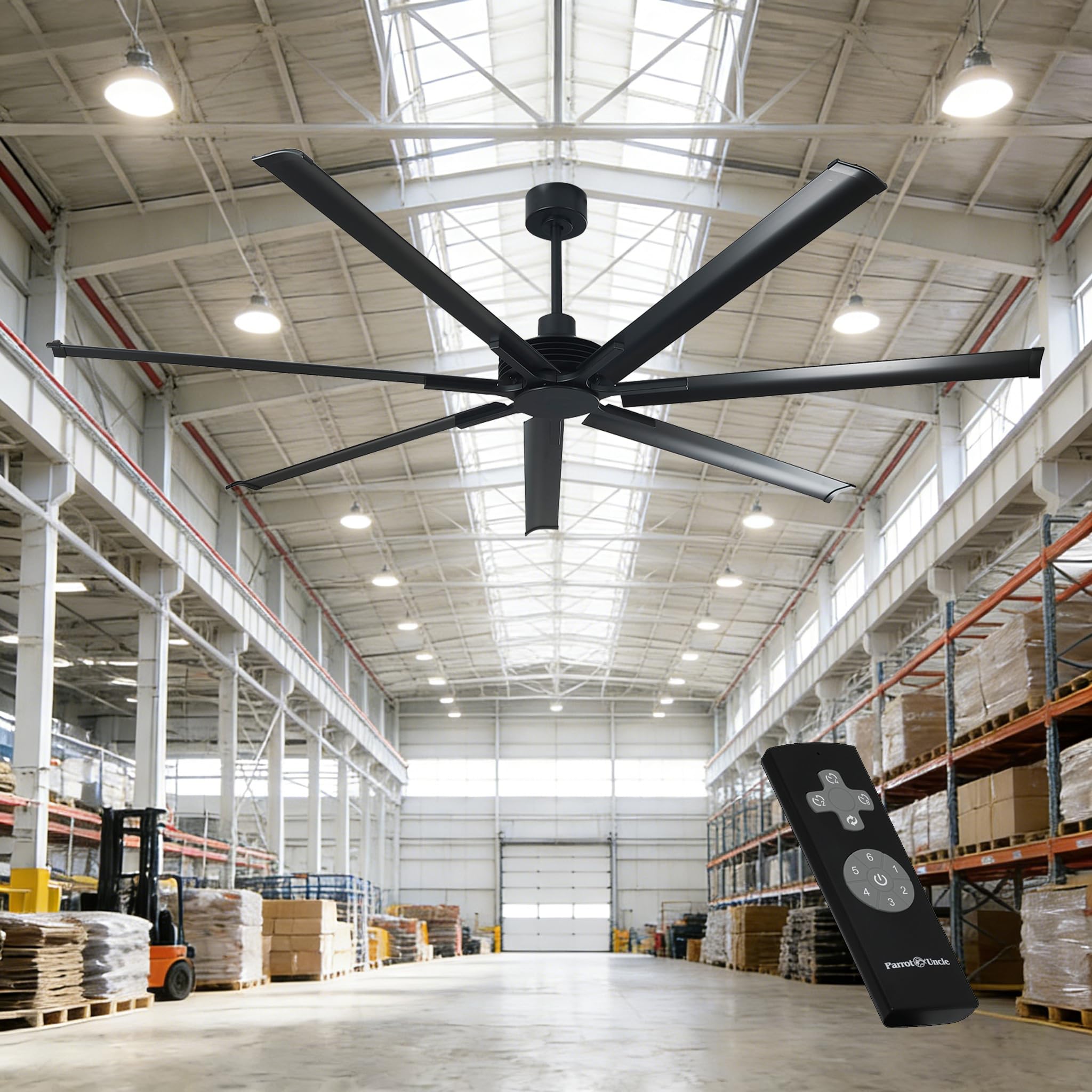
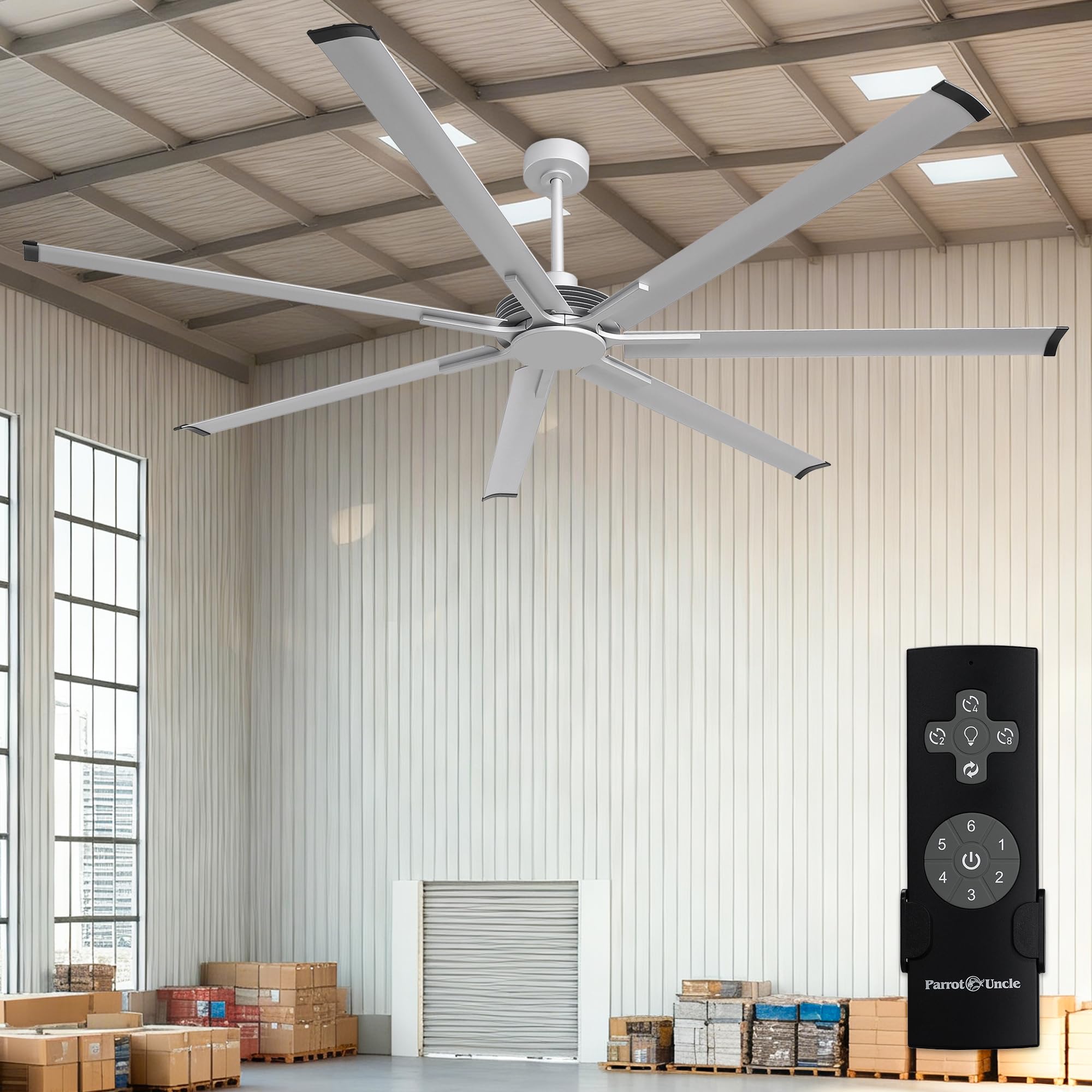
What Actually Determines Fan Performance
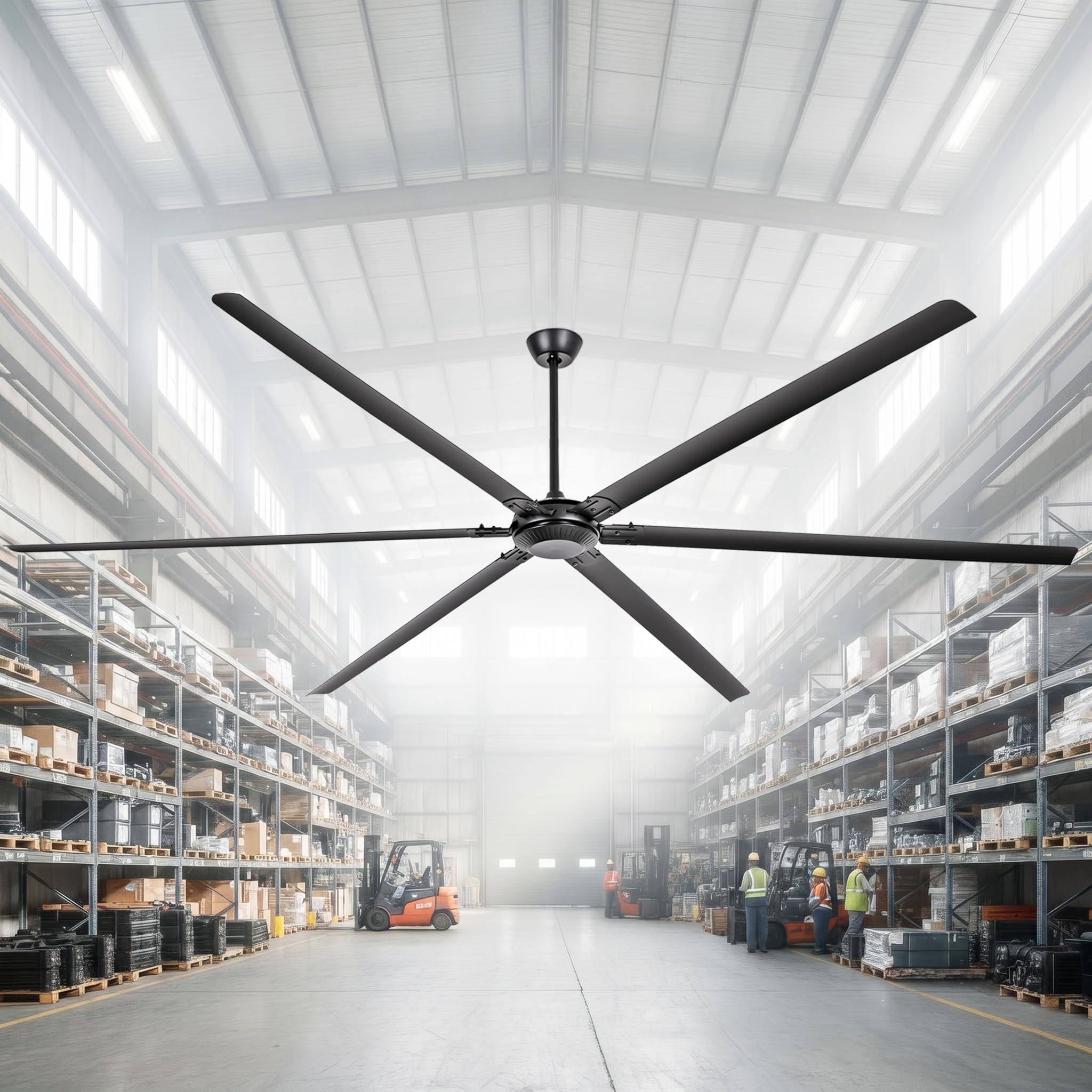
Airflow, measured in cubic feet per minute, tells you more about a fan's real performance than motor size or number of blades. A higher CFM rating at a lower speed setting is generally more efficient than a fan that needs to run at full speed to move the same amount of air. Look for airflow efficiency ratings when comparing models, since a bigger fan isn't automatically a better one.
Motor quality matters more than most buyers expect, since a cheap motor can develop a hum or wobble within a year or two of daily use. DC motors run quieter and use meaningfully less electricity than older AC motors, though they typically cost more upfront. Blade material affects both sound and airflow; wood and wood-composite blades tend to move air quietly, while metal blades hold their pitch better over time in humid or outdoor-rated spaces. Reversible motors, which let the fan spin clockwise in winter to push warm air back down, add year-round value beyond just summer cooling.
Matching Blade Span and Mounting Style to the Room
Blade span, the diameter the blades sweep across, should scale with room size. A room under 75 square feet generally needs a 29- to 36-inch blade span, a room up to 175 square feet does well with 36 to 42 inches, and larger living rooms or primary bedrooms typically need 52 to 56 inches or a pair of smaller fans instead of one oversized unit.
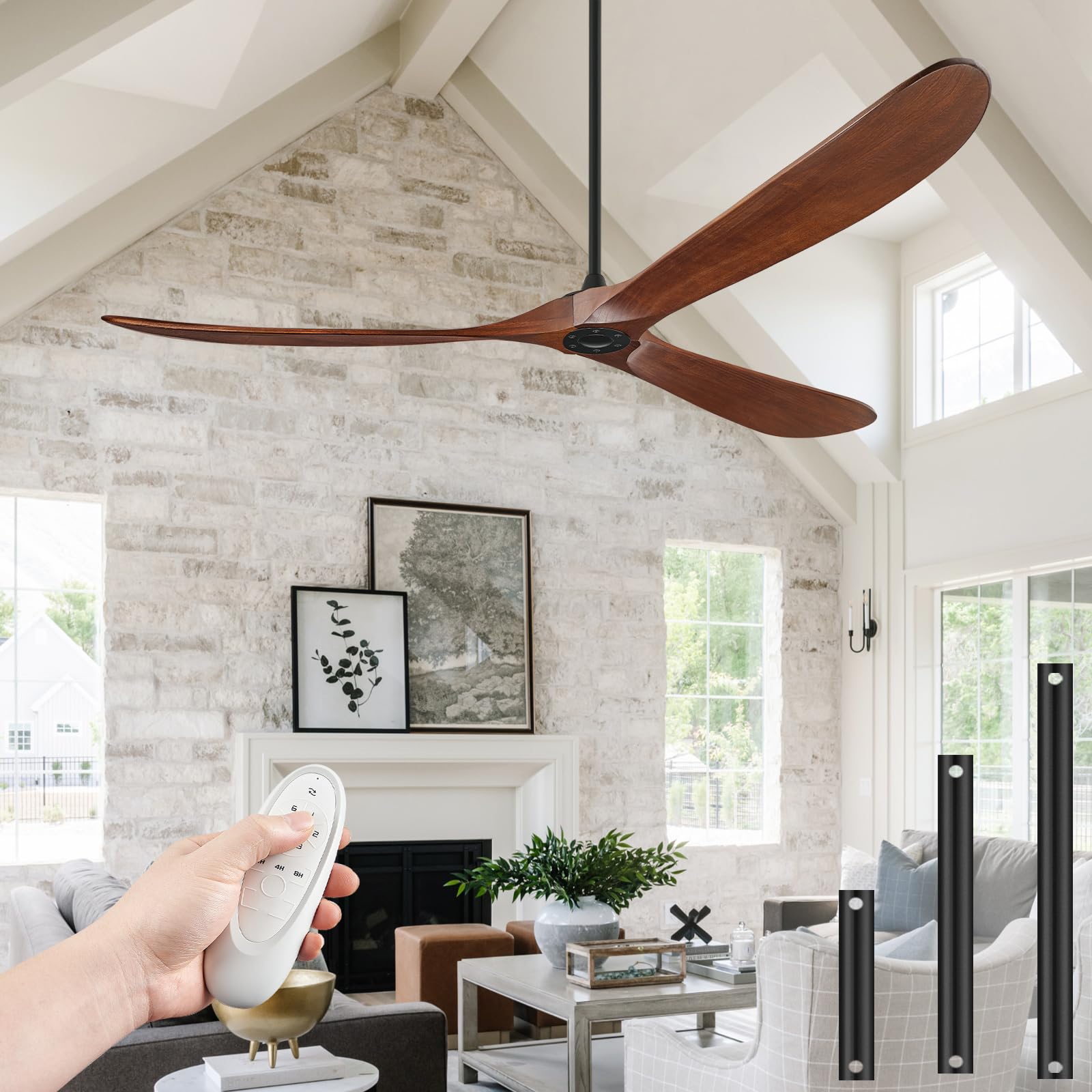
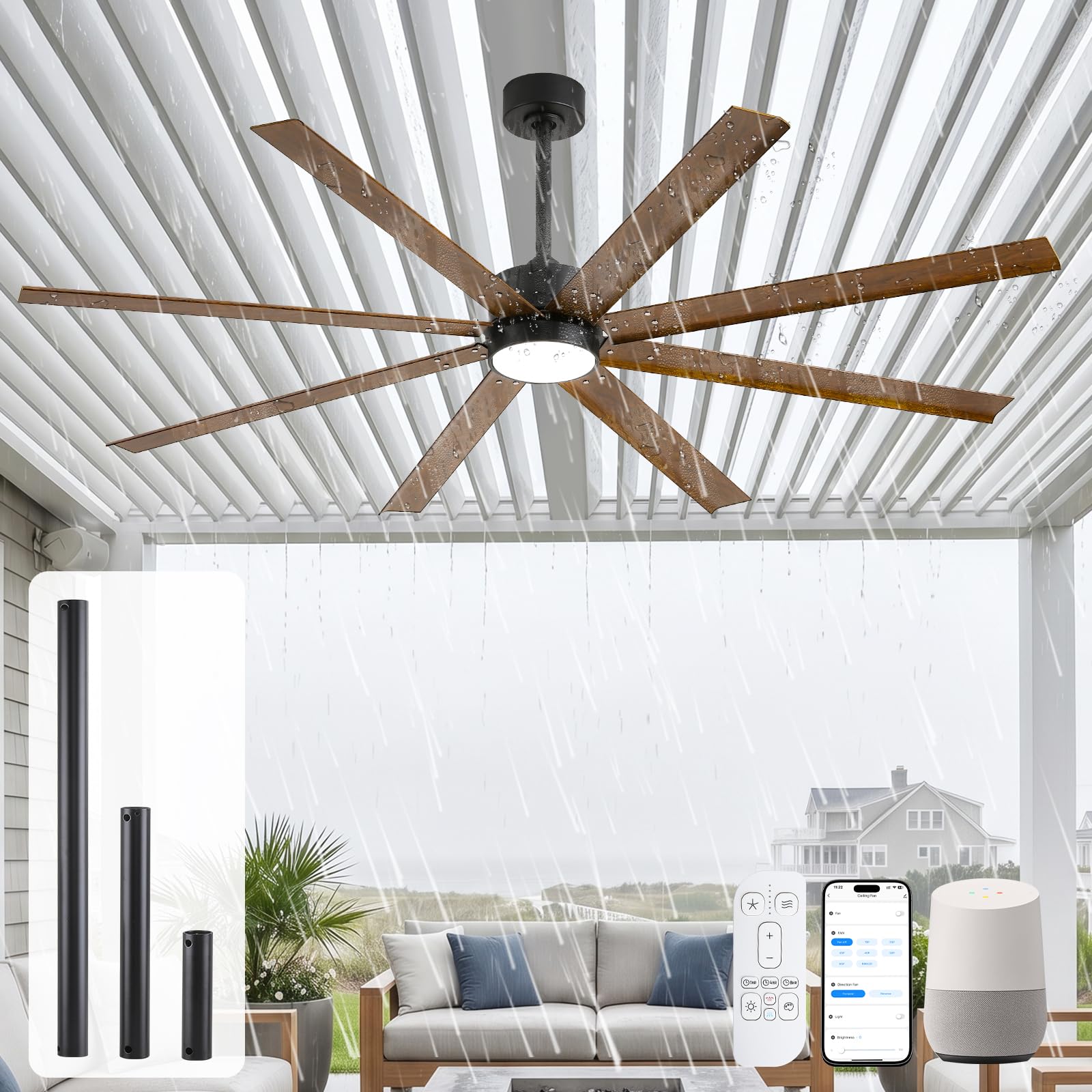
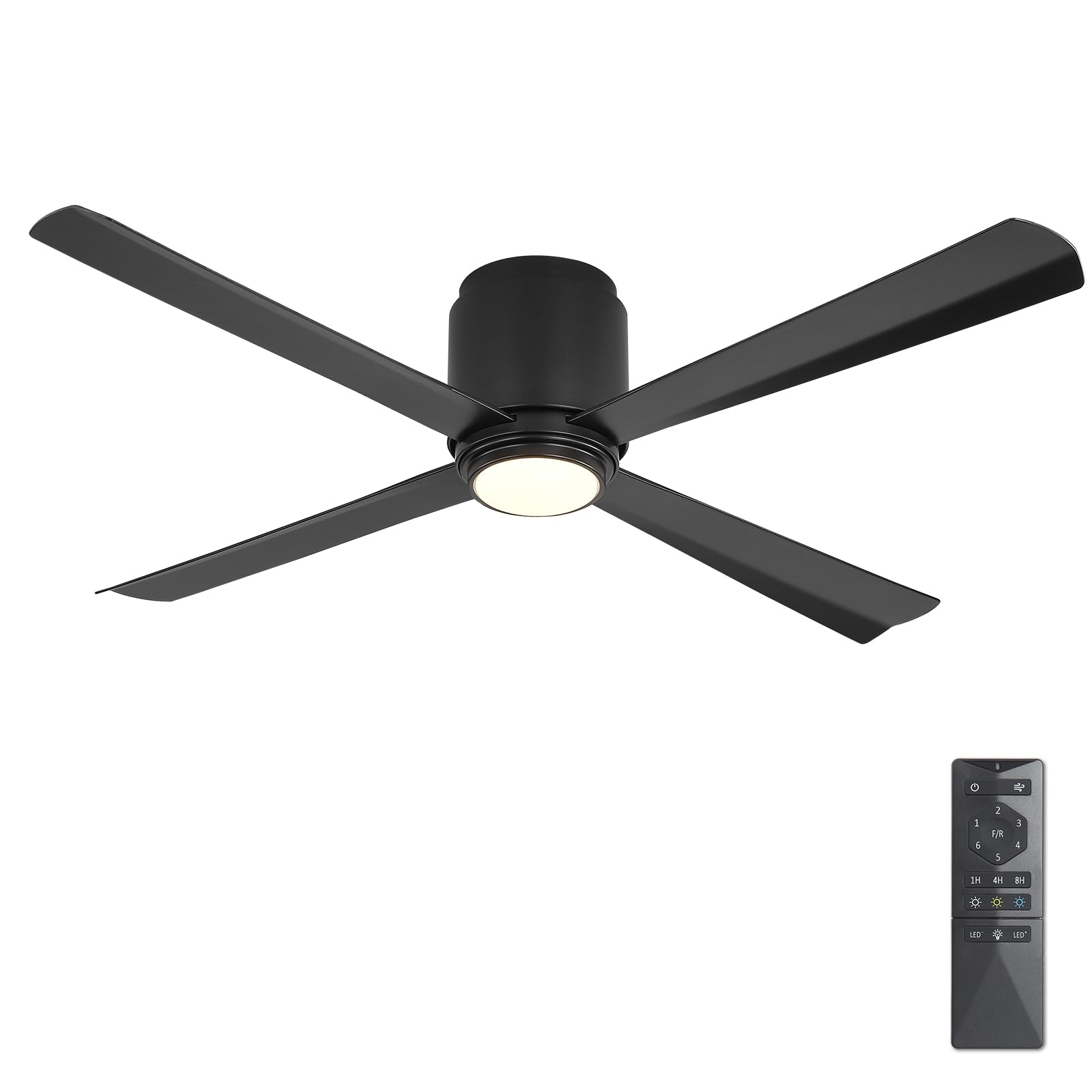
Mounting style depends on ceiling height. Standard flush-mount fans work for ceilings under 8 feet where a hanging fan would sit too low. A standard downrod, typically 3 to 6 inches, is right for most 8- to 9-foot ceilings, positioning the blades at the ideal 8 to 9 feet from the floor for airflow. Taller ceilings, especially vaulted ones, need a longer downrod so the fan doesn't hang too high to move air effectively. Getting blade span and mounting right is the difference between the best ceiling fans and an expensive fan that just spins without doing much.
What Installation Actually Involves
Ceiling fans are heavier and less balanced than a standard light fixture, so they need a ceiling box rated specifically for fan loads, not the basic box some older homes have for lighting alone. Check the box's rating before assuming you can simply swap a light fixture for a fan; an unrated box can fail under the fan's weight and vibration over time.
Wiring is usually straightforward if a fan-rated box and switch loop already exist, and many fans include a wall control or remote instead of needing a separate wall switch installed. If you want separate control over the light and fan functions, confirm the switch setup supports that before installation day. Balancing the fan blades after mounting, using the balancing kit most fans include, eliminates most of the wobble that shows up once the fan is running at full speed. For anyone without electrical experience, hiring a licensed electrician for the wiring portion is worth the relatively small cost given the safety risk of overhead electrical work.
Running a Fan Efficiently Through the Seasons
Set the fan to spin counterclockwise in summer, which pushes air straight down and creates a cooling breeze effect on skin. In winter, reverse the direction to clockwise at a low speed, which pulls cool air up and pushes the warm air that naturally collects near the ceiling back down into the living space.
Clean fan blades every month or two with a damp cloth or a pillowcase slipped over each blade, since dust buildup on the fan blades reduces airflow efficiency and can throw them slightly out of balance. Turn fans off when a room is empty, since a fan cools people through moving air, not by actually lowering room temperature, so running one in an unoccupied room wastes electricity for no benefit. Tighten mounting screws and blade brackets roughly once a year, since normal operation gradually loosens hardware and is the most common cause of a wobble developing over time.
Ceiling Fans vs. Portable and Window Units
Ceiling fans and portable cooling devices solve different problems, and most homes benefit from having both rather than choosing one exclusively. A ceiling fan circulates air throughout a room and makes a space feel several degrees cooler without lowering the actual temperature, while a window or portable air conditioner actively removes heat and humidity from the air.
Running a ceiling fan alongside an air conditioner lets you raise the thermostat a few degrees while maintaining the same comfort level, which meaningfully cuts cooling costs over a full summer. Portable fans offer flexibility a ceiling fan can't, since they move room to room, but they use more floor or counter space and generally move less air per unit of electricity used. For a bedroom or living room used daily, the best ceiling fans are usually the better long-term investment, while a portable unit makes more sense for a space you only need cooled occasionally, like a home office used a few days a week.
Ceiling Fan Questions People Ask Most
What size ceiling fan do I need for my room?
Measure your room's square footage first. Rooms under 75 square feet need a 29- to 36-inch fan, rooms up to 175 square feet need 36 to 42 inches, and larger rooms need 52 inches or more.
Can a ceiling fan actually lower a room's temperature?
No, a fan moves air rather than cooling it, which creates a wind-chill effect on skin. Turning it off when the room is empty saves electricity since it isn't cooling the air itself.
How high should a ceiling fan hang?
The blades should sit 8 to 9 feet from the floor and at least 7 feet for safety clearance. Ceiling height determines whether you need a flush mount or a downrod.
Do ceiling fans use a lot of electricity?
No, especially DC motor models, which use a fraction of the electricity a central air conditioner does. Running a fan alongside an AC unit typically lowers overall cooling costs.
Why does my ceiling fan wobble?
Most wobbling comes from loose mounting screws, dust buildup on one blade, or blades that were never balanced after installation. A balancing kit usually resolves it in a few minutes.
Should I switch my fan's direction seasonally?
Yes. Counterclockwise in summer creates a cooling breeze, while clockwise at low speed in winter pushes warm air that collects near the ceiling back down into the room.
Choosing a Fan That Earns Its Spot on the Ceiling
A ceiling fan is one of the few home upgrades that pays for itself in comfort and lower cooling bills almost immediately, provided it's sized and installed correctly for the room. Match blade span to square footage, pick a mounting style suited to your ceiling height, and don't skip balancing after installation.
Get those details right, and the best ceiling fans on the market all deliver quiet, efficient airflow for years with minimal upkeep beyond an occasional cleaning and a seasonal direction switch. The fan itself matters less than making sure it fits the room it's cooling.
Related reading: best handheld fans and best handheld water misting fans.