
Best Cast Iron Freestanding Tubs: Sizes, Floors and Finishes (2026)
Disclosure: We may earn a commission when you buy through links on this page, at no extra cost to you. As an Amazon Associate I earn from qualifying purchases. Learn more

The best cast iron freestanding tubs guide: sizes, floor strength, finishes and costs.
A cast iron tub is a once in a decade purchase, and it is also one of the heaviest objects you will ever bring into a bathroom. Choosing well means balancing soak comfort, floor strength, plumbing position, and a finish that still looks good after years of daily use. This guide walks you through the best cast iron freestanding tubs by decision, not by hype.
Start with your room measurements and your floor structure, then compare shapes and finishes. The product table below gives a quick sense of sizes and price bands before you read the detail.

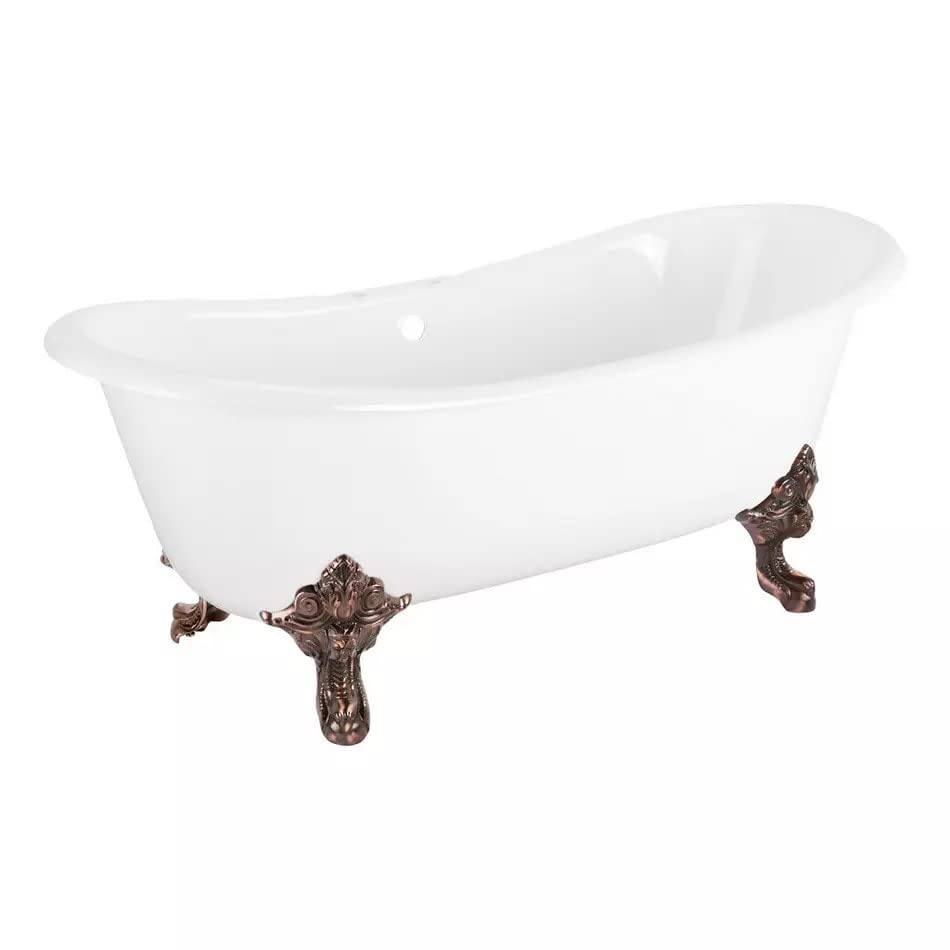

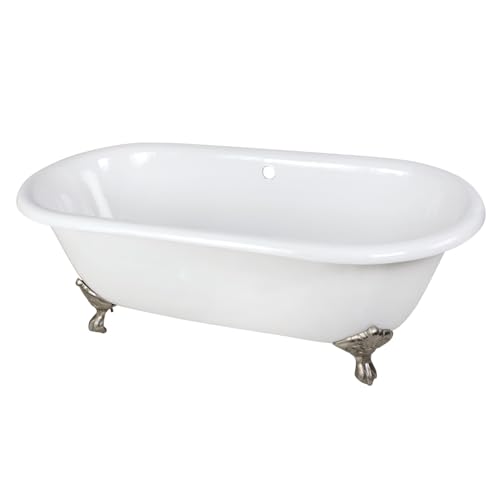
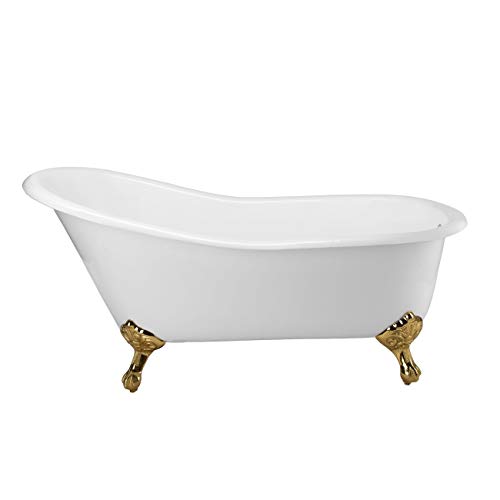

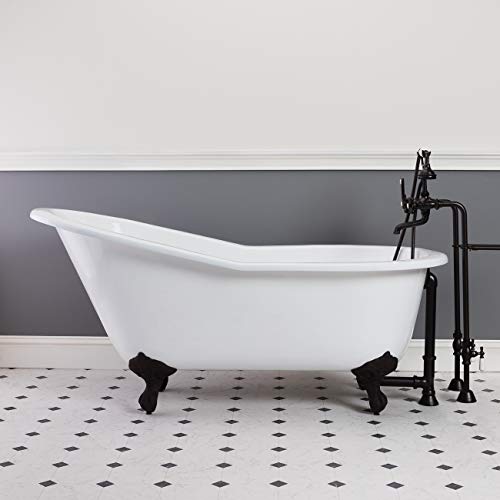

Three Buying Profiles to Compare
Instead of chasing a single winner, match your project to one of three profiles. Each profile describes who it suits, what it does well, and what compromise you accept. Current models change, but these profiles stay useful because they are built on size, finish quality, and installation needs.
The All Round Profile
The all round profile is a mid length tub, around 60 to 67 inches, with a double ended shape that lets a bather recline at either end. It suits most adults and most bathrooms, balances water use with comfort, and usually costs around $1200 to $2500. Its strengths are versatile sizing and a wide choice of finishes and feet styles. The compromise is weight, since even this middle size can exceed 300 lb before water and bather are added.
The Value Profile
The value profile keeps the same durable enamel and iron core but chooses a simpler silhouette, plainer feet, and a standard white finish, often around $900 to $1500. It suits guest bathrooms and careful remodel budgets where the tub still needs to last for decades. You give up decorative detailing and some interior width. For shoppers comparing formats first, our guide to the best freestanding tubs covers lighter materials alongside iron.
The Upgrade Profile
The upgrade profile stretches to around 70 inches or more, adds a rolled rim or a slipper shape with a raised end, and offers custom exterior colors, often around $2500 to $4500. It suits a primary bathroom planned around long soaks and a strong visual centerpiece. The compromise is real planning work, because floor reinforcement, a larger water heater load, and careful delivery access all become more likely at this size.
How to Choose the Best Cast Iron Freestanding Tubs: Buying Guide
This is the working section of the guide, so take it in order with a tape measure in hand. A tub only earns its place when it fits your room, your floor, and your body. A beautiful tub that crowds the doorway or overwhelms the joists is the wrong tub, however fine its enamel looks in photos.
Purpose and Who It Is For
Decide whether this tub is a daily soak, an occasional luxury, or mainly a visual anchor in a guest room. Daily soakers should favor interior depth and a back angle that supports the shoulders, while occasional users can trade some depth for a smaller footprint. Households with children need a rim height they can lift a child over safely. Older bathers should think about entry height and plan grab bars in the wall design from the start.
Durability and Care
Porcelain enamel fused to cast iron is hard, stain resistant, and able to last for decades when treated gently. Avoid abrasive powders and steel wool, which dull the gloss and open the surface to staining. Repair chips promptly, because exposed iron can rust and stain the surrounding enamel. With mild cleaners and a soft cloth, the finish usually needs no more than a rinse and wipe after each use to stay bright.
Ease of Use
Ease of use starts before the first bath. A freestanding filler looks clean but must be positioned so you can reach the controls from outside the tub without leaning across hot water. Check that the drain lever or stopper can be reached from a seated position. If you plan to bathe children or wash a dog, a lower rim and a handheld shower on the filler make the routine far simpler.
Materials and Build Quality
Quality materials show in even enamel thickness, a smooth interior without ripples, and feet that sit flat without rocking. Cast iron holds heat far longer than acrylic, which is the main comfort argument for its weight. Ask how the exterior is finished, because painted exteriors vary in durability. Readers comparing wall hugging formats as well can see our guide to the best cast iron tubs for alcove and drop in styles.
Price and Value
Budget for more than the tub itself. Delivery, floor reinforcement, a freestanding filler, drain hardware, and a plumber can add around $500 to $2000 to the project. Value means the total installed cost buys decades of service, not the lowest sticker price. A slightly smaller tub that avoids structural work often delivers better value than a larger tub that triggers joist repairs and a new water heater.
Key Features That Matter
The features that matter are interior soaking depth, overflow height, drain placement, and whether the tub is drilled for a deck mounted filler or needs a floor or wall mounted one. Center drains suit double ended shapes, while end drains suit slipper styles. Integrated overflow channels give a cleaner look than external chains and plugs. If deep soaking is your priority, compare the shapes in our guide to the best freestanding soaking tubs before you decide.
Size and Design
Leave at least a few inches of clearance on all sides so you can clean behind the tub and so the room does not feel cramped. Measure doorways, halls, and stair turns for delivery, because a rigid iron tub cannot flex through a tight corner. Design choices such as claw feet, skirted bases, and exterior color should follow the room style, but interior dimensions should lead the decision, since comfort is what you feel every bath.
Types of Cast Iron Freestanding Tubs
Price tiers in this category reflect size, finish options, and detailing more than basic function, because even the simplest iron tub shares the same durable core. Use the tiers below to place your budget, then confirm the measurements that tier usually offers.
Mid Range Tier
Mid range tubs, around $1200 to $2500, offer the broadest size choice and reliable enamel quality. They suit most primary bathrooms and balance comfort with manageable weight. Decorative feet and a few exterior finishes are common. For many homes this tier is the practical ceiling, because installation costs stay predictable.
Premium Tier
Premium tubs, around $2500 to $4500 and up, add larger formats, custom colors, and refined rim and foot detailing. They suit design led remodels where the tub is the room centerpiece. Function gains are modest, so buy this tier for craft and appearance you will enjoy daily, not for a better bath in basic terms.
Gift Tier
A tub is rarely a surprise gift, but this tier matters for families funding a remodel for parents or for a shared home. Around $1000 to $2000, choose classic shapes and standard finishes that suit many tastes and are easy to service. Agree on delivery and installation responsibilities in writing, because the gift fails if the heavy logistics land on the recipient.
Budget Tier
Budget tubs, around $800 to $1200, keep the iron and enamel core in simpler shapes with fewer finish choices. They suit smaller bathrooms and rental upgrades where durability matters more than display. Check enamel coverage and foot quality carefully at this tier, and compare against the broader shapes in our guide to the best cast iron bathtubs if your layout is flexible.
Care and Maintenance Tips
- Follow the maker care instructions and clean only with mild, non abrasive products and a soft cloth.
- Rinse and wipe the interior after baths with bath oils or salts so residue does not dull the enamel.
- Store bath mats and bottles off the rim when not in use to prevent chips and trapped moisture marks.
- Check the warranty registration within the first month so finish and structure coverage is active.
- Inspect feet pads and floor contact points yearly, and reseat any pad that has shifted under the load.
- Touch up any enamel chip quickly with a suitable repair kit before rust can start in the exposed iron.
Frequently Asked Questions
What features matter most in a cast iron freestanding tub?
Interior depth, drain position, and overflow height matter most because they decide how fully you can soak. After that, check enamel quality and whether the filler mounting style suits your plumbing. A deeper tub with a center drain serves two ended reclining best. Always confirm the soaking depth figure, since rim height alone can mislead you about usable water depth.
How long does a cast iron freestanding tub last?
A cast iron tub can last 50 years or more, and many serve far longer with refinishing. The iron core rarely fails, so lifespan usually depends on enamel condition and plumbing connections. Gentle cleaning prevents the surface wear that shortens cosmetic life. When the finish finally tires, professional refinishing can restore the gloss without the cost and disruption of replacement.
Is a cast iron freestanding tub worth paying more for?
Paying more is worth it when the extra cost buys a size that fits your body, a finish you love, and detailing that suits a long term home. It is not worth it for size alone if the larger tub forces structural work. Compare total installed cost across two or three finalists. The best value is the tub you install once and enjoy for decades.
Is a cast iron freestanding tub a good gift?
It can be a generous gift for a family remodel, but only with full agreement on style, size, and installation plans. The recipient must confirm floor strength, delivery access, and plumbing position before any order. Given the weight and cost, a contribution toward a chosen model is usually wiser than a surprise purchase. Coordinate dates too, since delivery often needs several people at home.
The Bottom Line
Measure the room, confirm the floor can carry the filled weight, and choose interior dimensions that fit your body. Those three steps matter more than any finish upgrade. The best cast iron freestanding tubs for your home are waiting in the product table above, so compare your finalists there and book a qualified plumber before delivery day arrives.


