Best Bathroom Exhaust Fan With Light for 2026: A Buying Guide
Disclosure: We may earn a commission when you buy through links on this page, at no extra cost to you. As an Amazon Associate I earn from qualifying purchases. Learn more

Clear steam and add bright light in one ceiling opening: learn how to size CFM, noise, light output and duct fit for your bathroom.
A fogged mirror, damp walls, and lingering odors usually mean your current fan is too weak, too loud to use, or missing altogether. Choosing the best bathroom exhaust fan with light solves two jobs at once, clearing moist air while adding bright overhead light in the same ceiling opening. The product table sums up the main types, airflow levels, and noise ranges so you can spot a shortlist before you read the details.
This guide walks you through sizing, light quality, controls, and install fit in plain terms. You will learn which buyers need simple and quiet venting, which need stronger airflow or sensing controls, and where extra features are worth paying for and where they are not.
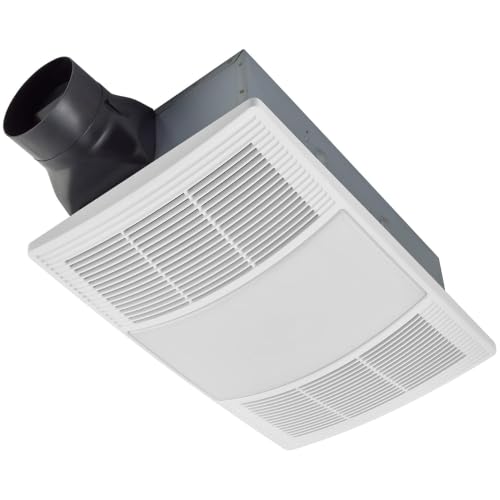

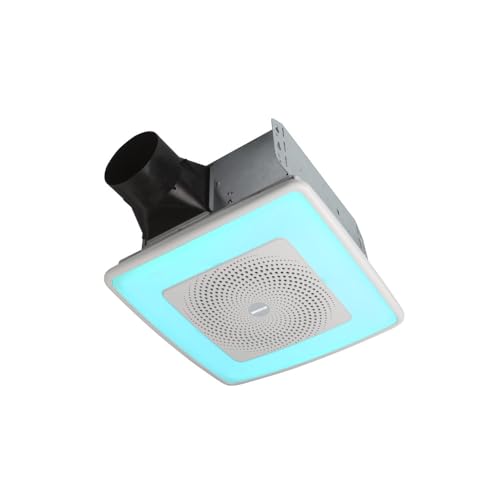
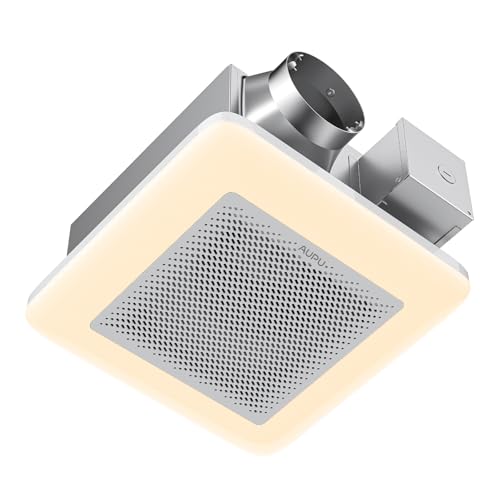

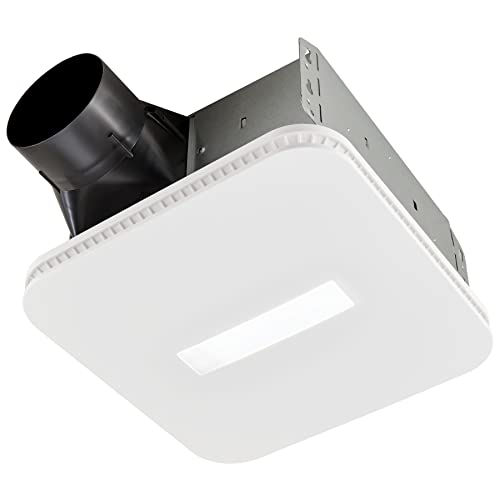


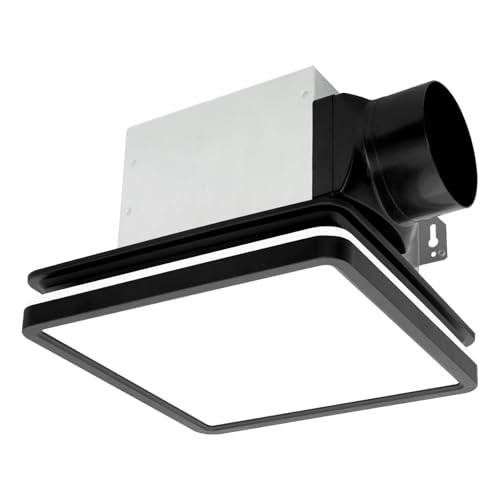
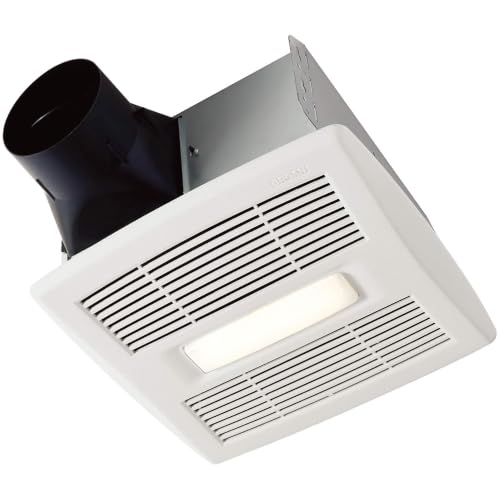

Three Buying Profiles and What to Prioritize
Most shoppers fit one of three profiles. Match your room, your habits, and your wiring to the profile below, then use the product table to compare models that fit that profile rather than chasing the longest feature list.
Balanced Everyday Profile for a Family Bath
You shower daily in a mid size bath and want the fan to run every time without debate. Prioritize about 80 to 110 CFM, noise at or under 1.0 sone, and a bright main light of around 800 lumens or more. A simple wall switch setup suits most families, with the fan and light on separate switches so you can use light alone at night. This profile is the safest default for a main bath used by several people.
Value Profile for a Small Bath or Guest Bath
A small bath under about 50 square feet needs less airflow, so a 50 CFM fan can clear steam well if the duct run is short and straight. Keep your spend in check by choosing a basic light with a frosted lens and skipping sensors and speakers you will rarely use. Noise matters less in a guest bath, but a rating near 1.5 sones still feels far calmer than an old rattling unit. Spend the savings on a proper duct and exterior vent cap instead.
Upgrade Profile for a Large Primary Bath
A large primary bath with a separate shower, tub, and water closet places the highest demand on venting. Look for 110 CFM or more, noise under 0.5 sone if the bath sits near a bedroom, and strong light with a warm to neutral color that suits grooming. Sensing controls, a dim low level night light, and a heater free design with room to add heat separately often suit this space. If warmth is your main extra, weigh a separate heater or a combined heater unit before you decide, since heat adds wiring and cost.
How to Evaluate a Bathroom Exhaust Fan With Light
Judge every model on the same five points so marketing claims do not steer you. Check airflow in CFM against your room size, noise in sones, and light output in lumens, plus color temperature and whether the light can dim. Then check install fit, including housing size, duct diameter, and ceiling type, and confirm safety listings and warranty length. A fan that scores well on paper but needs a larger ceiling hole or a new duct size may cost far more once install work is added.
Build quality shows in small details. A sturdy metal housing, a grille that removes without tools, and a motor rated for continuous use all point to a fan that will stay quiet for years. If quiet running is your top concern, our guide to the best quiet bathroom exhaust fan explains sone ratings and mounting tricks in more depth.
How to Choose the Right Bathroom Exhaust Fan
Size and Form Factor
Airflow is measured in CFM, which means cubic feet per minute. A common sizing rule is about 1 CFM for each square foot of floor area, so a 50 square foot bath needs about 50 CFM and a 100 square foot bath needs about 100 CFM. Fans commonly come in 50, 80, 110, and 150 CFM steps, and you should round up when your bath has a jetted tub or a ceiling higher than 8 feet. Form matters too, since a low profile housing fits shallow ceiling cavities where a tall housing will not.
Type and Layout Options
Most combined fan and light units mount in the ceiling, which suits venting steam that rises from a shower. Wall mount fans help when ceiling access is blocked, while inline fans place the motor in the attic for very low noise at the grille. Pick the layout your home can support first, because changing layout often means new duct work and new wiring. If your bath has no outside wall and no attic access, a ceiling unit with a short duct to a roof vent is usually the practical route.
Features Worth Paying For
A humidity sensor turns the fan on when steam builds and off after the room dries, which helps in baths where people forget the switch. Our guide to the best bathroom exhaust fan with humidity sensor covers how those controls work and when they pay off. A night light adds safe low level light without waking you fully, and a Bluetooth speaker is a nice extra for music lovers but adds cost and wiring steps. Pay for sensing and good light first, and treat speakers and color changing light as optional extras.
Light Quality and Controls
Look for at least around 800 lumens if this unit is the main light in the room, and more for a large bath with dark finishes. Color temperature shapes the feel of the space, with about 2700 to 3000 Kelvin giving warm light and about 4000 Kelvin giving clean neutral light for makeup and shaving. Check whether the light is built in or uses a replaceable bulb, because a built in light may mean replacing the whole unit when it fails. Also confirm dimmer fit before you buy, since many built in lights need a specific dimmer type or cannot dim at all.
Measurements and Compatibility With Your Setup
Measure the housing of your current fan, the ceiling cutout, and the duct diameter before you order anything. Many older fans use a 3 inch or 4 inch duct, while stronger new fans often need a 4 inch or 6 inch duct, and forcing a large fan into a small duct raises noise and cuts airflow. Note the joist spacing and the depth above the ceiling, and check whether you have attic access. If you plan a swap, our guide on how to replace a bathroom exhaust fan walks through the fit checks that prevent a return trip.
Certifications and Safety Listings
Look for a UL or ETL listing, which confirms the unit passed electrical safety checks for use in a damp space. A fan placed over a tub or shower often must sit on a ground fault circuit interrupter protected circuit, so check local rules and the maker instructions for your exact placement. Energy Star certified fans use less power and tend to run quieter, and an HVI rating means the airflow and noise figures were checked by the Home Ventilating Institute. Skip any unit with no clear listing, no matter how low the price looks.
DIY Versus Pro Installation Cost
A like for like swap with attic access is a realistic project for a skilled homeowner who is comfortable turning power off at the breaker and working with house wiring. New duct runs, new wiring, or a first time install in a bath with no fan usually call for a pro. Total installed cost varies widely with access and region, so read our breakdown of bathroom exhaust fan installation cost to see what drives quotes up or down. Always pull a permit when your local rules require one for new wiring or duct work.
How Much Should You Spend?
Basic fan and light units often cost under $100 and suit small baths with simple needs. Mid range options at about $100 to $200 usually add lower noise, stronger light, and better housings that install more easily. Spending about $200 to $300 can bring very quiet running, sensing controls, and higher light output for a large primary bath. Remember that the unit price is only part of the bill, since duct parts, a vent cap, and pro labor can add more than the fan itself.
Do You Really Need a Bathroom Exhaust Fan With Light?
You need strong venting in every full bath, but the light part depends on your room. If your bath already has good vanity and overhead lighting, a fan only unit from our guide to the best bathroom exhaust fan may cost less and give you more airflow choices. A combined unit earns its place when ceiling space is tight, when you are replacing an old combined unit in the same hole, or when a small bath relies on one central light.
Think about how the room is used each day. A windowless bath benefits most from a combined unit, since one ceiling opening handles both steam and light in a space with no daylight. A half bath with no shower produces little moisture, so a quiet fan only unit or even a simple vent may be enough there. For most full baths, though, a well sized combined fan and light keeps mirrors clear, protects paint and drywall from damp, and removes the need for a second ceiling fixture.
FAQ
What is the best bathroom exhaust fan with light?
The best choice is the fan that matches your room size, duct size, and noise limit rather than any single model. For most baths that means about 80 to 110 CFM, noise at or under 1.0 sone, and light of around 800 lumens or more. One extra check helps narrow it down: confirm the grille size covers your old ceiling cutout, since patching drywall adds time and cost to an otherwise simple swap.
Is a bathroom exhaust fan with light worth it?
Yes, a combined fan and light is worth it when your bath needs both better venting and better overhead light. It saves ceiling space, uses one housing and one duct, and often reuses the wiring and cutout from an older combined unit. It is less worthwhile if your bath already has strong lighting, because a fan only unit may then offer quieter running for the same money. Renters should also note that landlords, not tenants, usually approve this kind of wired change.
How long does a bathroom exhaust fan with light last?
A quality bathroom exhaust fan often lasts 10 years or more, and the motor usually outlasts the light. Built in lights can fade or fail sooner than a replaceable bulb, which is worth weighing if you plan to stay in the home for a long time. Dust buildup shortens life by making the motor work harder, so a fan that sounds louder each year is often asking for a clean rather than a full replacement.
Is a bathroom exhaust fan worth it without a light?
Yes, venting alone is worth it in any full bath, with or without a built in light. Moving moist air outside helps limit mold growth on grout and caulk, peeling paint, and swollen wood trim around doors. The light only matters for convenience and layout. If your duct vents into an attic instead of outside, fix that routing first, because pumping damp air into the attic can harm roof wood and insulation over time.
How do you clean a bathroom exhaust fan with light?
Turn power off at the breaker, pull the grille down, and wash the grille in warm soapy water while you vacuum dust from the fan blades and housing. A soft brush loosens the fine dust that a vacuum misses around the motor and light lens. Clean the grille about twice a year, and check the fan with a tissue held near the grille afterward. If the tissue sticks firmly, suction is still strong.
What should you look for in a reliable bathroom exhaust fan brand?
Look for clear published CFM and sone ratings, a safety listing, and a warranty that covers the motor for several years. Reliable makers also stock spare grilles, motors, and light parts, so a small failure does not force a full replacement. Read the install manual before you buy, since vague instructions and missing duct details often signal weak support. Consistent ratings across many sizes in a range matter more than a single headline claim.
Final Thoughts
Start with room size and duct fit, then rank noise, light output, and controls in the order your household cares about most. The product table can help you compare types side by side once you know your target CFM and sone level. Pick the best bathroom exhaust fan with light for your space, vent it all the way outside, and run it during each shower and for about 20 minutes after, and your bath will stay brighter, drier, and far more pleasant to use.