Best Bathroom Exhaust Fan With Heater: Types and Buying Tips (2026)
Disclosure: We may earn a commission when you buy through links on this page, at no extra cost to you. As an Amazon Associate I earn from qualifying purchases. Learn more
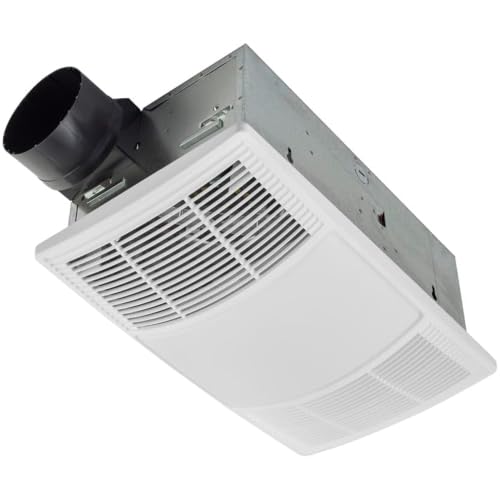
Room size, CFM, heater watts and wiring decide the fit. Compare three types to find the best bathroom exhaust fan with heater for cold mornings.
Stepping into a cold bathroom on a winter morning makes a shower feel harder to start and slower to enjoy. A best bathroom exhaust fan with heater solves two problems in one ceiling unit, clearing steam while adding direct warmth where you stand. The right pick depends on room size, duct fit, heater output, and how much noise you will accept during early or late use.
Use the comparison table below to match airflow, heat, and controls to your bathroom before you read the details. If heat is not essential, our guide to the best bathroom exhaust fan covers plain venting units in more depth. This guide stays focused on models with built in heat, so every section below ties back to warmth, moisture control, safe wiring, and a fit you can install without rebuilding the ceiling.
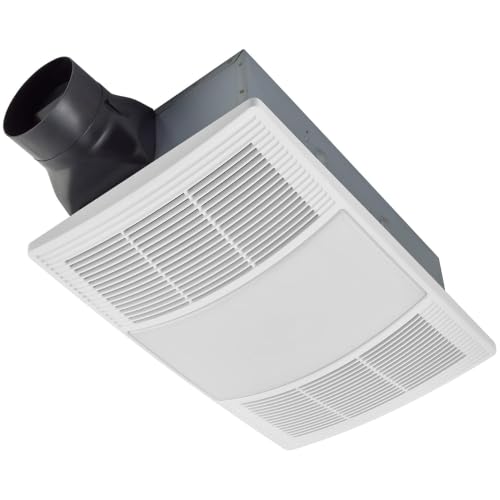
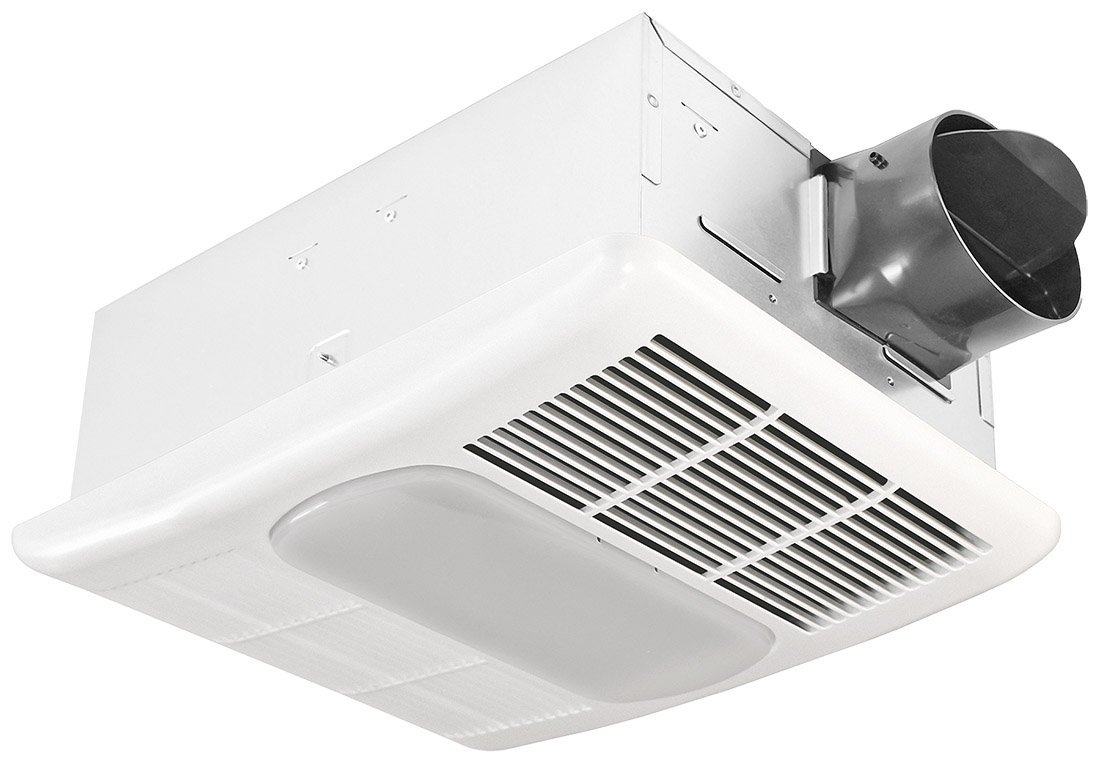
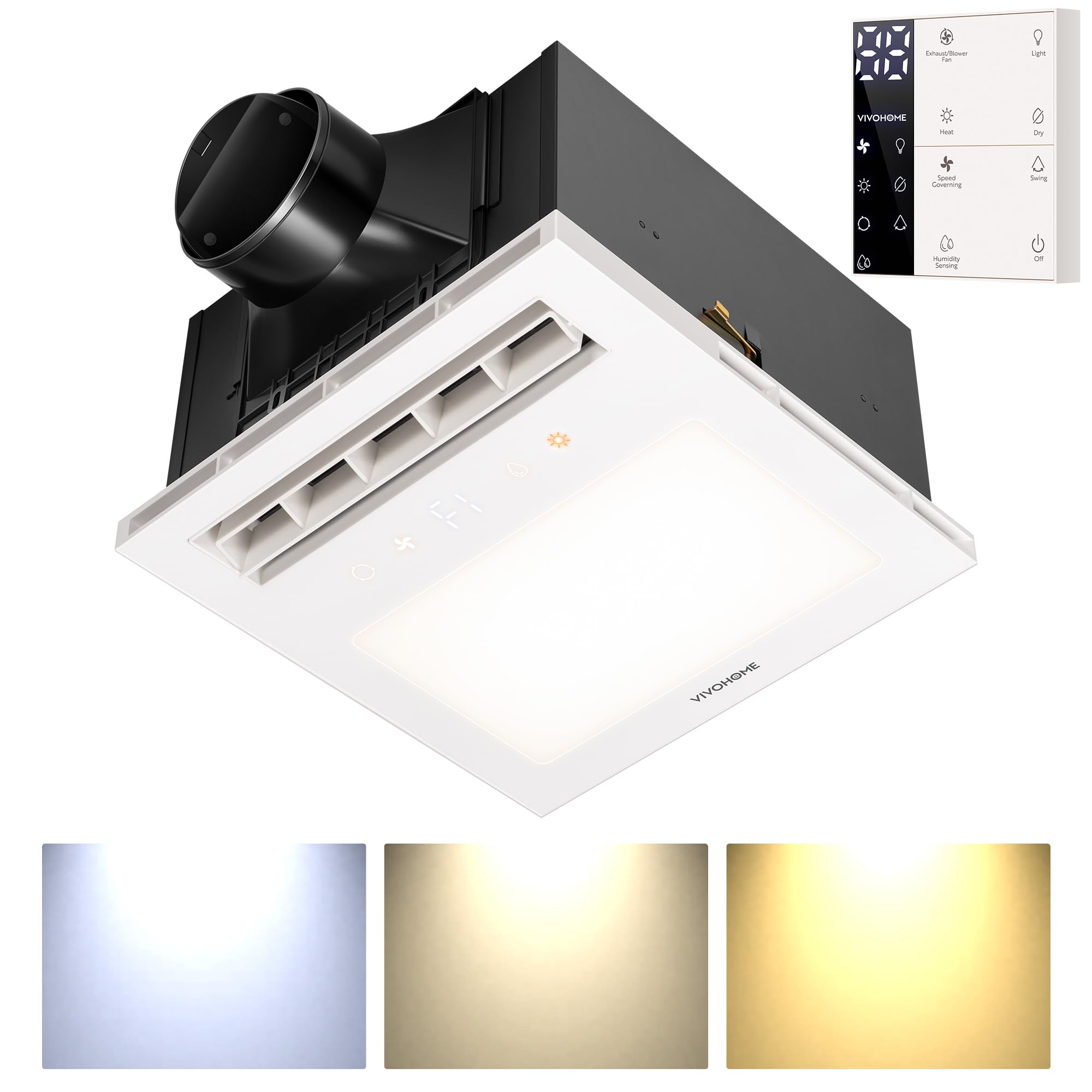

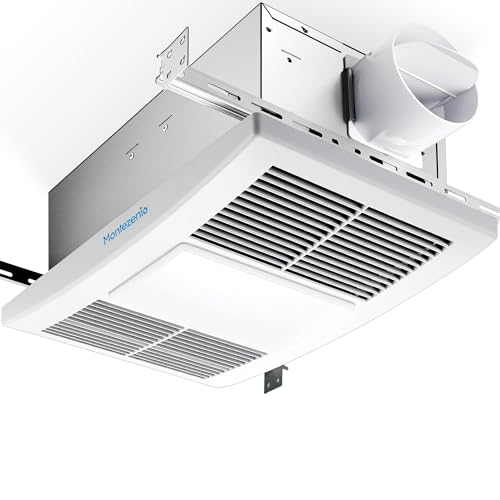
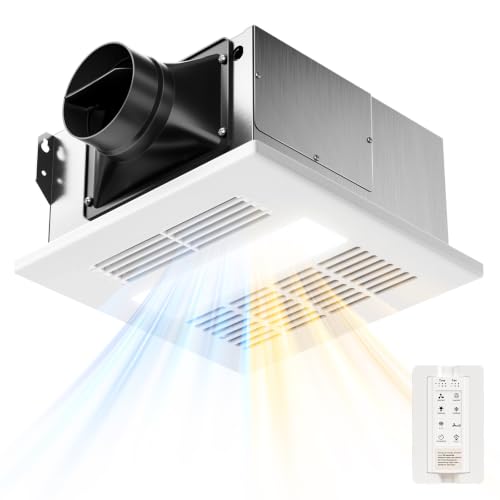


Types of Bathroom Heater Fans Compared
Heater fans fall into three broad types, and the best fit is mostly about room size and how you use the space. All three clear moisture in the same basic way. They differ in heater strength, airflow, controls, and how much ceiling work the housing needs.
- Compact units for small bathrooms. These suit bathrooms under about 50 square feet. Airflow is often about 50 to 80 CFM, heat feels strong close to the unit, and the smaller housing is easier to fit between joists in older ceilings.
- Larger output units for primary bathrooms. These suit shared family bathrooms and rooms with a separate tub and shower. Airflow is often about 110 to 150 CFM, heat spreads across a wider area, and many add a light or a timer for longer showers.
- Quiet moisture focused units. These suit homes where the fan runs early or late. Lower sone ratings keep sound down, and automatic controls start venting when steam builds. See the best quiet bathroom exhaust fan guide for plain quiet models without heat.
How We Chose the Criteria in This Guide
This guide ranks types and features, not individual products, so the criteria focus on what changes your daily result. We weighted installation and compatibility first, since a unit that fights your duct or joist spacing costs time no matter how strong the heater feels. Build quality and finish came next.
We also weighed heater output, airflow ratings, noise ratings, and certifications from listing agencies and maker documents. Warranty length and parts support matter because the heater, fan motor, and controls age at different rates. Features counted only when they solve a real bathroom problem, such as a timer that clears steam after you leave.
How to Choose the Right Bathroom Exhaust Fan With a Heater
Work through the points below in order. Size and wiring decide what can go in your ceiling, while features and finish decide what you will enjoy using every day for years.
Size and Airflow
Start with room area, since airflow is rated in CFM, or cubic feet per minute. A common sizing guide is about 1 CFM for each square foot of floor area, so a bathroom of about 80 square feet needs a fan near 80 CFM. A closed toilet area and a jetted tub can push the target higher. A fan that is too small leaves mirrors fogged and paint damp, while a far larger fan wastes energy and can feel drafty.
Heater Output and Control
Heater output is listed in watts, and most bathroom heater fans use about 1300 to 1500 watts. Higher output warms a cold room faster, but it also loads the circuit more, so output alone should not drive your choice. A built in thermostat helps because it cycles heat to hold a set level instead of running at full power the whole shower. Wall controls that separate heat, fan, and light let you vent steam in summer without adding unwanted warmth.
Noise, Light and Extra Features
Noise is rated in sones, and lower numbers sound quieter in a real room. A rating near 1.0 sone or lower suits a bathroom beside a bedroom, while about 1.5 to 2.0 sones is fine for a busy family bathroom. If you want the fan to replace a ceiling light, our guide to the best bathroom exhaust fan with light explains brightness and color choices. A humidity sensor, a timer, and Bluetooth audio are useful extras, but each adds cost and wiring steps.
Measurements and Compatibility With Your Setup
Measure the old housing, the duct diameter, and the joist spacing before you order. Many units use a 4 inch duct, while higher airflow models often need a 6 inch duct for rated performance. A housing that matches the old cutout can turn a swap into a simpler job, and our notes on how to replace a bathroom exhaust fan walk through that check. Also confirm the grille size covers the old opening so you avoid patching drywall.
Certifications and Electrical Safety
Look for a UL or ETL listing, which shows the unit was checked against electrical and fire safety standards, and prefer HVI certified airflow and sound ratings when they are listed. Most heater fans need a dedicated 15 or 20 amp circuit because heat draws far more current than venting alone. Protection from a ground fault circuit interrupter is required in many bathroom circuits, so check local code. If breakers trip often, or you smell burning, stop using the heater and call a licensed electrician.
Do It Yourself or Pro Installation
Confident owners with attic access, an existing duct, and a matching housing size can often handle a swap in a few hours. New wiring, a new duct run to the roof or soffit, or a larger cutout usually calls for a pro. Labor often costs about $250 to $600 depending on access and wiring work, and our breakdown of bathroom exhaust fan installation cost explains what drives local quotes. Always shut off power at the breaker before you start.
How Much Should You Spend?
Basic heater fans cost about $80 to $150 and cover small rooms with simple wall switch control. Models at about $150 to $300 usually add stronger heat, lower noise, a light, or automatic controls. Spending more mainly makes sense when the room is large, the fan runs daily, or quiet use matters at night. Put money first into correct sizing and safe wiring, since a costly unit on the wrong circuit or duct will still disappoint you every morning.
Do You Really Need a Bathroom Exhaust Fan With a Heater?
You need one most when the bathroom feels cold for much of the year, the home heat vent is weak or far from the shower, or older family members feel the cold more strongly. Instant heat at the ceiling helps most in the first minutes, right when you step out of the shower onto cold tile. A portable heater is a poor substitute in a wet room, since water contact and tipping create real safety risks.
You can skip the heater if your bathroom stays comfortable, your showers are short, or a heated floor already does the job. In that case, strong venting alone may serve you better and cost less to wire. Automatic moisture control still matters in either choice, and our guide to the best bathroom exhaust fan with humidity sensor shows how sensing models start and stop on their own. Choose heat for comfort, not as a fix for mold, since venting does that work.
Common Mistakes to Avoid
Most returns and complaints trace back to a short list of avoidable errors at the buying or wiring stage.
- Buying by heater watts alone, which can leave a large room under vented and a small room on an overloaded circuit.
- Ignoring the duct size the maker lists, which cuts airflow and makes even a quiet rated fan sound loud in use.
- Venting into the attic instead of outside, which moves steam into insulation and can feed mold growth above the ceiling.
- Putting heat, fan, and light on one switch, which forces you to run all three when you only need one.
- Skipping the timer or humidity control, which leads to short fan runs and steam left sitting on walls and mirrors.
How to Make Your Bathroom Heater Fan Last Longer
Clean the grille every few months, since dust buildup blocks airflow and forces the motor to work harder. Wash a removable plastic grille in warm soapy water, dry it fully, and vacuum dust from the fan wheel and housing with power off at the breaker. Dust on the heater element can cause a brief burning smell at the start of the season, so a gentle cleaning before winter helps.
Run the fan for about 20 minutes after each shower so moisture leaves the room instead of settling into paint and grout. Listen for new rattles or grinding, which often point to a loose grille or a worn motor bearing. Replace a failing motor or heater assembly promptly, since running damaged parts strains the wiring and shortens the life of the whole unit.
FAQ
What is the best bathroom exhaust fan with heater?
The best choice is the unit that matches your room area in CFM, fits your duct and joist spacing, and puts heater output on a circuit that can carry it safely. For most primary bathrooms that means about 80 to 110 CFM, a thermostat or timer control, and a sone rating you can live with early in the morning. A smaller room needs less of each, so paying for maximum output rarely improves a compact bathroom.
Is a bathroom exhaust fan with heater worth it in summer?
Yes, because the vent and the heater run on separate controls on most models, so summer use can clear steam without adding any heat at all. That split control also means a heater fan does not need to be swapped out when the season changes. If a model ties heat and venting to one switch, check the wiring diagram before buying, since that limit removes much of the summer value.
How long does a bathroom exhaust fan with heater last?
Many units run for about 10 years or more when the grille stays clean and the fan runs long enough after showers to stay dry inside. The heater element and the fan motor can wear at different speeds, so a unit that still vents well may lose heat first. Some makers sell replacement motors and heater assemblies, which can extend service life without a full ceiling swap or new duct work.
How do you clean the heater element on a bathroom exhaust fan?
Let the unit cool fully first, since the heater element and its housing can stay hot well after the fan stops. With power off at the breaker, use a soft brush or a vacuum with a brush tip on the element area instead of water, which should never reach heating parts or wiring. If the maker fits a washable filter on your model, rinse that part only and let it dry before refitting it.
Can a bathroom exhaust fan with heater run on a timer?
Yes, and a timer suits the heater even better than the fan in one way, since it prevents heat from running for hours after a forgotten switch. Choose a timer rated for the heater load, not just for a light load, because heater current is much higher. Some wall controls pair a countdown for heat with a separate delay for venting, which lets steam clear after the warmth shuts off.
Final Thoughts
Start with size, duct fit, and a circuit that can carry the heat safely, then choose noise and controls for how your household actually showers. The product table above pulls those tradeoffs together, so compare complete models against the points in this guide before you order. When the fit is right, the best bathroom exhaust fan with heater gives you a warmer room, drier walls, and a calmer start on cold mornings.