
Best Cast Iron Tubs: Floors, Size and Installation (2026)
Disclosure: We may earn a commission when you buy through links on this page, at no extra cost to you. As an Amazon Associate I earn from qualifying purchases. Learn more

The best cast iron tubs guide: size, floor support, delivery and care for a tub you will keep for decades.
A cast iron tub is one of the longest lasting fixtures you can put in a bathroom, and the best cast iron tubs reward careful planning more than quick shopping. The metal is heavy, the enamel finish is thick and glossy, and the shape you choose decides how the tub fits your room, your floor, and the way you bathe.
This guide covers who a cast iron tub suits, the features that matter, the three main styles, and the delivery and installation steps that catch many buyers off guard. The product table shows current options, so use it after you have settled the size and style that fit your bathroom.


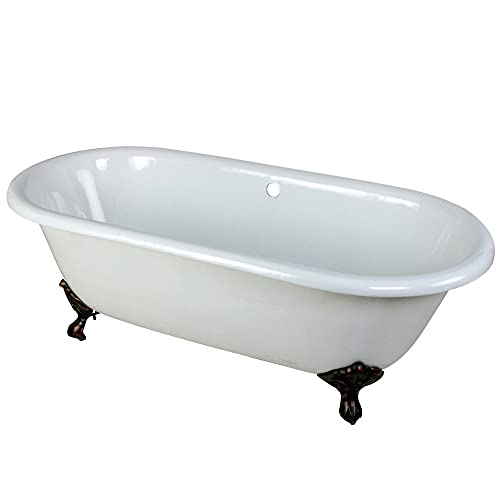


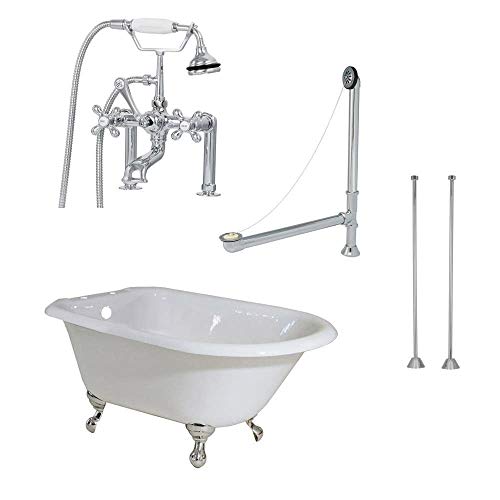
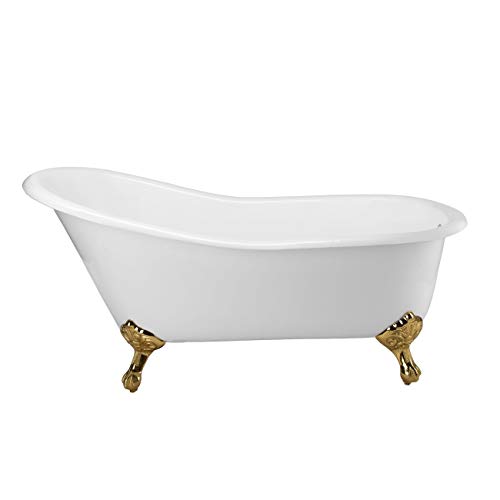


Who Should Buy a Cast Iron Tub
Cast iron suits people who want a tub they will keep for decades and who value a long, warm soak. The iron stores heat, so bath water cools more slowly than in a thin acrylic shell, and the enamel surface feels solid underfoot. It is a good match for a main bathroom in a home you plan to stay in, and for a remodel where the floor can be inspected and strengthened if needed.
It is a poor match for a bathroom on a weak or uncertain floor, a home with narrow stairs and no delivery help, or a quick refresh before a sale. A cast iron tub is not a casual swap, so be honest about your plans before you order.
Key Features to Compare
Weight and Floor Support
A cast iron tub can weigh several hundred pounds before any water goes in, and a full tub with a bather adds hundreds more. Ask a qualified installer or contractor to check the joists and subfloor before you buy, especially for upper floors and older homes. Never guess at floor strength.
Enamel Quality and Finish
Porcelain enamel is fused onto the iron at high heat. Look for a smooth, even interior with no ripples, pinholes, or thin patches near the drain. A thick finish resists stains and is easier to clean, while a thin or uneven finish can dull and chip sooner. Check how the outside is finished too, because painted exteriors vary in durability.
Size, Shape and Soaking Depth
Interior length and depth matter more than the outer dimensions on the listing. A tub that looks large from outside can leave little room to stretch out if the walls are thick or the back is steeply sloped. Compare the stated inside length, the water depth at the overflow, and the rim height, since a tall rim is harder for children and older bathers to step over.
Drain and Overflow Position
Drain placement must match your plumbing, or the job gets more expensive. Center drains suit double ended tubs, end drains suit slipper and alcove styles, and some tubs are drilled for a deck mounted faucet while others need a wall or floor mounted one. Confirm these details with your plumber before you order.
Heat Retention and Water Use
Heat retention is the reason many people choose iron, but a large tub also needs more hot water and more time to fill. Check that your water heater can supply a full tub, and size the tub to how you actually bathe rather than to the biggest model on offer.
Types of Cast Iron Tubs
Clawfoot and Slipper Tubs
These freestanding styles are the classic choice, with feet or a pedestal base and a rolled rim. They suit larger bathrooms and need clear space on all sides for cleaning and plumbing access. If you want to compare this style in detail, our guide to the best cast iron freestanding tubs covers sizes and fillers.
Alcove Tubs
An alcove tub fits between three walls and often doubles as a shower. It saves floor space and suits a family bathroom, but the apron front and tile surround need careful fitting, and the tub must be level and well supported before the wall finish goes up.
Drop In and Undermount Tubs
These tubs sit inside a deck or platform. They give a built in look and room for a wide ledge, but the platform adds cost and the tub is harder to replace later. They suit remodels where the whole bathroom is being redesigned. For a broader view of the category, see our guide to the best cast iron bathtubs.
Delivery and Installation Planning
Measure every doorway, hallway turn, and stair before delivery, because a rigid iron tub cannot bend through a tight corner. Plan for several people to carry it, and book a qualified plumber for the connections. Lay out the route in advance, protect floors along the way, and confirm who is responsible if the tub is damaged in transit. A short planning session saves expensive surprises on delivery day.
Price and Value
Expect roughly $1,400 to $4,500 for the best cast iron tubs, with premium finishes and larger sizes costing more. Budget beyond the tub for delivery, a faucet or filler, drain hardware, and installation labor. A slightly smaller tub that avoids floor reinforcement and a new water heater often gives better value than a larger one that triggers structural work.
Care and Maintenance
Clean the enamel with mild soap, warm water, and a soft cloth. Avoid abrasive powders, steel wool, and harsh chemicals, which dull the gloss and open the surface to staining. Rinse after baths with oils or salts, wipe the rim dry, and repair small chips quickly with a suitable touch up kit so moisture does not reach the iron. Never leave children unattended near a filled tub.
Common Buying Mistakes
- Ordering before checking floor strength with a qualified installer.
- Choosing by outer size instead of interior length and depth.
- Skipping the doorway and stair measurements, so the tub cannot reach the bathroom.
- Forgetting that drain position and faucet drilling must match the plumbing plan.
- Using abrasive cleaners that dull the enamel within a few seasons.
Frequently Asked Questions
How heavy is a cast iron tub?
Weight varies by size and style, but cast iron tubs are among the heaviest tubs you can buy, often several hundred pounds empty. Check the maker weight on the listing and ask an installer about floor support before ordering.
Do cast iron tubs chip?
The iron itself is very durable, but the enamel can chip if a heavy object is dropped on it. Small chips can be touched up with a repair kit made for enameled fixtures. Deep damage may call for professional refinishing.
Can a cast iron tub go on an upstairs floor?
Sometimes, but only after a qualified installer checks the joists and subfloor and adds reinforcement if needed. Older homes and long spans need extra care, so never assume an upper floor can carry a filled iron tub.
Does a cast iron tub keep water warm longer?
Yes, iron holds heat well, so bath water usually stays warm longer than in a thin acrylic tub. The tub itself needs more hot water to warm up, so the first fill may feel slower.
How long does a cast iron tub last?
With gentle cleaning and prompt chip repair, a cast iron tub can last for decades. The enamel usually shows wear before the iron does, and professional refinishing can extend its life when the finish tires.
Final Thoughts
Measure the room and the delivery path, confirm the floor can carry the filled weight, and pick the style that matches how you bathe. Those steps matter more than any finish upgrade. The best cast iron tubs for your home are the ones that fit your bathroom, your plumbing, and your budget, so compare finalists in the product table above before you book delivery.


