Bathroom Exhaust Fan Buying Guide: How to Choose the Right One in 2026
Disclosure: We may earn a commission when you buy through links on this page, at no extra cost to you. As an Amazon Associate I earn from qualifying purchases. Learn more

Our bathroom exhaust fan buying guide explains types, sizes, materials, features and prices so you can choose with confidence. Updated for 2026.
A bathroom fan does one main job. It pulls moist air out of the room before that moisture can damage paint, feed mold, or fog your mirror for an hour. This bathroom exhaust fan buying guide walks you through the types, sizes, and features that matter, so you can match a fan to your room and your duct run. Start with the quick answer, scan the comparison table below, and then read the sections that apply to your bathroom.
The short version is simple. Size the fan to your room, pick a sound level you can live with, and vent the moist air outdoors through a proper duct. Everything else is a comfort extra you add only if it solves a problem you actually have.






Quick Checklist
Before you shop, gather these facts about your bathroom.
- Room size in square feet, plus ceiling height if it is above eight feet.
- The airflow rating you need, expressed in CFM, covered in the sizing section below.
- The diameter and length of your existing duct, or a plan for a new duct run.
- Your sound comfort target, expressed in sones, with lower numbers meaning a quieter fan.
- Whether you want extras such as a light, a heater, or automatic humidity control, and whether you will install the fan yourself or hire a pro.
Types Explained
Quiet
Quiet fans are rated at about 1.0 sone or less, and the softest models run near 0.3 sones. Sound matters more than most buyers expect, because a loud fan gets switched off early, and a fan that stays off cannot clear moisture. Choose a low sone rating for a primary bathroom near bedrooms. A guest bath can tolerate a louder, cheaper unit.
Humidity Sensing
A humidity sensing fan watches the moisture level in the room and turns itself on when the air gets damp, then keeps running until the air dries out. This suits households where people forget to flip the switch after a shower, and it helps in rental homes too. You still get a manual switch for odors, and most models let you adjust the trigger level.
With Light
A fan with a built in light combines ventilation and ceiling lighting in one fixture, which is handy in a small bathroom with a single ceiling box. Modern versions use LED lighting that lasts for years and draws little power. Check the brightness in lumens and the color temperature so the light matches the rest of the room.
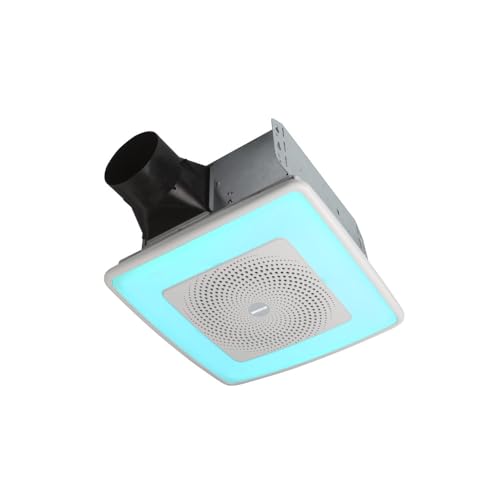
Bluetooth Speaker
A fan with a Bluetooth speaker pairs with your phone so you can play music, news, or a podcast while you shower and get ready. The speaker sits inside the fan housing or grille, keeps the counter clear, and stays safe from splashes. Sound quality is modest compared with a dedicated speaker, so treat this as a convenience feature for long morning routines.
Ceiling
Ceiling mounted fans are the standard choice in most homes. The motor sits in a housing between the joists, and a duct carries moist air through the attic to a roof cap or an exterior wall cap. This layout works with nearly every fan style in this guide. With attic access above the bathroom, a ceiling fan is usually the easiest option to install and service.
Wall
A wall mounted fan vents straight through an exterior wall, which helps when there is no attic above the bathroom or no practical path for a ceiling duct. These fans suit small bathrooms, half baths, and rooms in additions built on a slab. Output tends to be lower than ceiling models. Confirm the wall cavity depth and the exterior cap style before you order.
Choosing the Right Size
Fan size means airflow, measured in cubic feet per minute, or CFM. The common sizing rule from ventilation guidelines is about 1 CFM for each square foot of floor area in bathrooms up to 100 square feet. A 50 square foot bath needs about 50 CFM, an 80 square foot bath needs about 80 CFM, and a 100 square foot bath needs about 110 CFM once you round up to a standard size.
For bathrooms larger than 100 square feet, add airflow for each fixture instead. A common guideline adds 50 CFM for each toilet, tub, or shower, and 100 CFM for a jetted tub. Long or bendy duct runs reduce real airflow, so choose the next size up when your duct travels far.
Features Worth Paying For
Light
Paying for the light version makes sense when your bathroom lacks a ceiling light over the shower area or when one fixture simplifies a remodel. Look for a dimmable LED and a lens that spreads light evenly. If your bathroom already has good lighting on a separate switch, skip this feature and put the money toward a quieter motor.
Humidity Sensor
The sensor earns its cost in homes where showers run back to back and nobody remembers the fan switch. Adjustable models let you set the moisture level that starts the fan, and a built in timer keeps it running after the room feels dry. Owners of homes with past mold or peeling paint problems usually recover the modest extra cost through drier walls and fewer repairs.
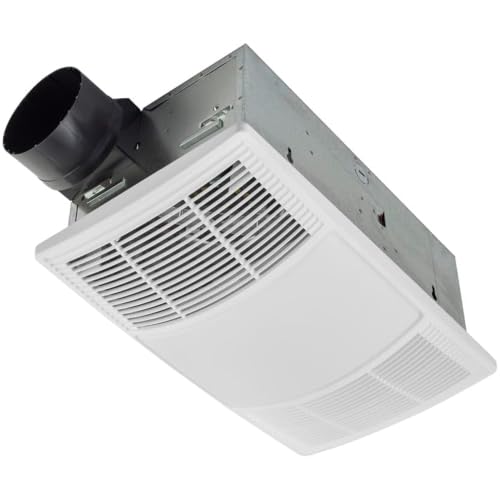
Heater
A fan with a heater adds quick warmth on cold mornings, which can make a tile floor bathroom far more pleasant in winter. Heater models draw much more power, often need a dedicated circuit, and cost more to buy and install. Choose one only if your bathroom is genuinely cold and your electrical panel can support the load.
Bluetooth Speaker
Pay for the speaker only if you already listen to audio in the bathroom every day. Check whether it remembers your phone and whether the fan and speaker can run on separate switches. Families sharing one bathroom may prefer a portable speaker they can move and charge elsewhere.
Night Light
A night light is a small, gentle glow built into the fan grille that lets you find the room at night without switching on bright overhead lighting. It costs little, uses very little power, and helps children and older adults move safely. Ask how the wiring works before you buy if your switch setup is limited.
Measurements and Compatibility With Your Setup
Measure before you order, because fit problems cause most returns and stalled installs. Record the housing size your ceiling can accept, the joist spacing, and the size of the existing cutout if you are replacing a fan. Many replacement friendly models fit the old opening, while a larger fan may require cutting a bigger hole and patching around the grille.
Check the duct as well. Match the fan outlet to your duct diameter, commonly 4 or 6 inches, and avoid shrinking a 6 inch outlet down to a small duct, because that chokes airflow and adds noise. Finally, confirm the electrical side. Models with a light, heater, or night light may need extra wiring and switches.
Certifications
Ratings help you compare fans honestly. Look for airflow and sound figures certified by the Home Ventilating Institute, often shortened to HVI, because certified numbers are measured to a common standard rather than guessed. An Energy Star label means the fan moves air while using less electricity than standard models. A UL or ETL listing shows the fan meets electrical safety standards. Water efficiency labels meant for plumbing fixtures do not apply to exhaust fans.
DIY or Professional Installation Cost
A straightforward swap, where the new fan fits the old housing space and the duct and wiring stay in place, is a realistic project for a confident homeowner with basic tools. A fresh install is harder, since it can involve cutting the ceiling, running new duct to the outdoors, and adding a circuit. Our breakdown of bathroom exhaust fan installation cost shows how labor, duct work, and electrical changes add up in different regions.
Plan to hire a pro when the job needs new wiring, a new roof or wall penetration, or work in a ceiling with no attic access. If you are weighing a swap, the step sequence in our guide on how to replace a bathroom exhaust fan shows what the job involves so you can judge your comfort level honestly. For a first time install with new ducting, how to install a bathroom exhaust fan explains the full process before you commit to doing it yourself.
How Much to Spend
Basic fans with modest airflow and a louder motor cost about $20 to $100. Quiet mid range models with a light or a humidity sensor usually run about $100 to $250. Premium fans with very low sound ratings, heaters, or speakers can reach about $250 to $400. Installation adds more. A simple replacement by a pro may cost about $150 to $300 in labor, while a new install with duct work can push the total toward about $400 to $800 or more.
Spend first on correct size and low sound, because those two traits decide whether the fan protects your bathroom every day. Add comfort features only after those basics are covered.
What to Look for in a Maker
Instead of chasing a famous name, judge each maker by support and documentation. Good signs include a warranty of at least a few years, replacement grilles and motors that stay available, and clear published CFM and sone ratings backed by certification. A maker that hides its sound ratings or sells no spare parts is telling you something about life after the purchase.
How to Choose Your Shortlist
Build your shortlist in order. Filter by the CFM your room needs, then by the sone level you will tolerate, then by housing size and duct fit. Only then compare lights, sensors, and speakers. The product table above can help you line up those basics. When you are ready to compare complete models, our roundup of the best bathroom exhaust fan options applies these same criteria.
FAQs
How do you replace a bathroom exhaust fan?
Turn off power at the breaker, remove the grille and the old motor or housing, disconnect the duct and wiring, then fit the new unit, reconnect everything, and check the airflow. One point many people miss is checking the exterior vent cap afterward. Hold a tissue near the outside cap or watch the flap open while the fan runs. A stuck flap or a clogged screen can make a brand new fan perform like a weak one.
How do you install a bathroom exhaust fan where none exists?
A new install adds three tasks beyond a swap. You must cut the ceiling opening, run duct to a roof cap or an exterior wall cap, and bring power to the fan, often from a new switch. Venting into an attic is never acceptable, because the moist air will condense on cold surfaces and damage wood and insulation. Many homeowners hire out the roof penetration and electrical work and handle the rest themselves.
How do you clean a bathroom exhaust fan?
Switch off the power, pull down the grille, and wash it with warm soapy water. Vacuum dust from the motor housing and wipe the fan blades with a damp cloth, since a coating of dust and lint unbalances the wheel and adds noise. Cleaning twice a year is enough for most homes. Bathrooms that see heavy daily use or a lot of hair spray and powder may need attention more often to keep airflow strong.
How long does a bathroom exhaust fan last?
Most fans last about 10 years, and many run longer with basic cleaning. Signs of decline include new rattling or grinding sounds, a grille that vibrates, and mirrors that stay fogged far longer than they used to. Motors are sometimes replaceable on their own, which can extend the life of the housing and duct connection. When the housing is rusty or the fan predates modern sound ratings, a full replacement is usually the smarter spend.
Final Thoughts
The right fan is the one sized to your room, quiet enough to leave running, and vented outdoors through a short, smooth duct. Use this bathroom exhaust fan buying guide to filter by CFM and sones first, check your measurements twice, and treat lights, sensors, and speakers as extras that follow your habits. Revisit the product table above before you order, confirm the housing and duct fit, and your new fan should keep the mirror clear and the paint sound for years.