
Best Cast Iron Bathtubs: Size, Floor Support and Enamel (2026)
Disclosure: We may earn a commission when you buy through links on this page, at no extra cost to you. As an Amazon Associate I earn from qualifying purchases. Learn more

The best cast iron bathtubs guide: interior size, floor support, enamel finish and installation planning.
A cast iron tub is a long term bathroom choice, so it pays to judge it by a clear checklist rather than by looks alone. Weight, floor support, size, finish, and installation needs all shape whether a tub will work in your home, and they matter far more than a glossy photo. This guide lays out those factors in order, so you can compare tubs side by side in the product table and spot problems before you order. It focuses on practical fit and care, not on brand claims or showroom promises.
Cast iron holds heat well and feels solid underfoot, which is why many buyers choose it for a main bathroom they plan to keep for years. That solidity brings tradeoffs, including heavy delivery and floor support needs. When you work through size, weight, drain placement, and upkeep early, you avoid the most common regret: a beautiful tub that does not fit the room or the floor beneath it. Use this guide to weigh best cast iron bathtubs as a category, and let your bathroom measurements and installer advice shape the final choice.




Key Features to Compare for Cast Iron Bathtubs
The checklist below covers the points that decide whether a cast iron tub will fit, last, and stay easy to live with. Work through each one with your room measurements in hand when you compare the best cast iron bathtubs for your home.
Purpose and Who It Is For
A cast iron tub suits a buyer who wants a sturdy, long lasting tub in a bathroom that will not change layout soon. It fits main bathrooms and remodels where the floor can be checked and reinforced if needed, and it suits people who value heat retention for longer soaks. It is a poor fit for a quick rental refresh, a bathroom on a weak or uncertain floor, or a home where the tub must be carried up narrow stairs with no help. Be honest about how long you plan to stay and whether you can arrange professional delivery, since those answers narrow the choice fast.
Key Features That Matter
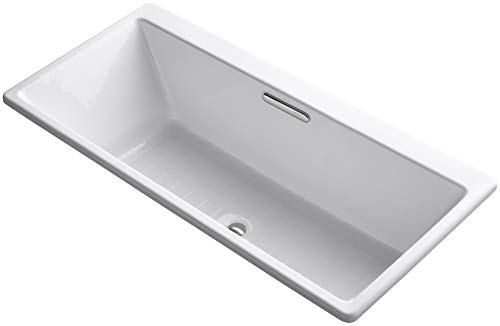
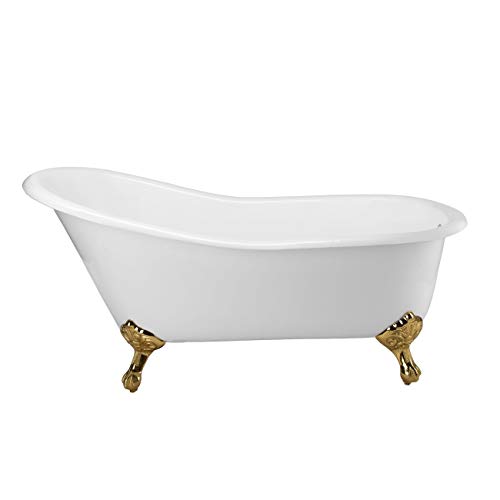
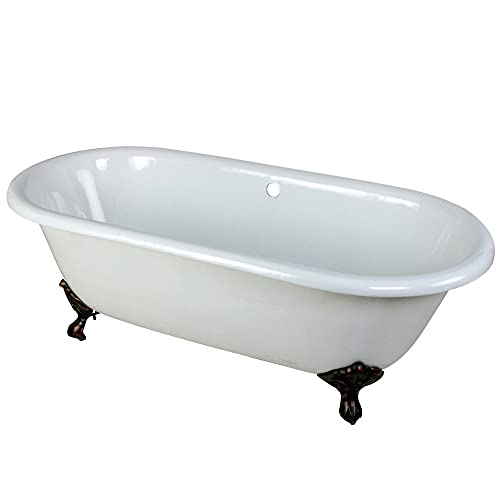
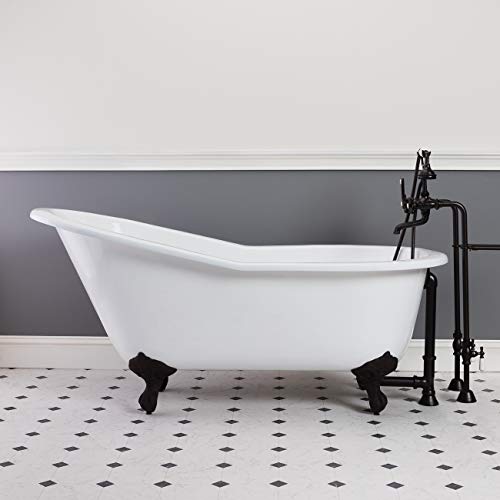
Start with interior length, width, and depth, measured inside the tub rather than from the outer shell, because that is the space your body will actually use. Next, check drain placement and overflow position, since they must match your plumbing or the job becomes far more costly. Look at the rim shape and height, which affect how easy it is to step in and out, and check whether the tub includes feet, a skirt, or an apron that changes how it sits on the floor. Finally, note the enamel finish and color, since a thick, even finish resists stains better and is easier to clean than a thin or uneven one.
Durability and Care
Cast iron itself is very durable, but the enamel surface needs gentle care to stay smooth and stain free. Avoid abrasive cleaners and harsh chemicals, and clean with mild soap and a soft cloth instead, since scratches in enamel can trap dirt and dull the finish over time. Rinse after baths that use oils or bath salts, and dry the rim and feet so water does not sit against metal parts. The same gentle approach helps other cast iron pieces, as explained in our guide to best cast iron dutch ovens.
Check the feet and any exposed iron regularly for rust spots, and touch up small chips promptly following maker guidance so moisture does not reach the iron beneath. With that routine, a cast iron tub can serve for decades without losing its look.
Price and Value
Cast iron tubs usually cost more than lighter tubs, and the total cost includes delivery, floor checks, plumbing, and installation, not just the tub itself. A lower priced tub can still be good value if the size, drain position, and finish match your bathroom, while a higher priced tub may buy a thicker enamel coat, a more refined shape, or a finish that is easier to keep clean. Compare the full installed cost, not the tub price alone, and ask what is included, such as feet, drain parts, or a warranty. About $1,300 to $4,500 covers many standard models before installation, while larger or freestanding styles can cost more, so set your budget around the finished job.
Size and Design
Size decides comfort, but it also decides whether the tub can enter the house and sit safely on the floor. Measure doorways, hall turns, and stair widths before you order, since a cast iron tub cannot be bent or trimmed to fit a tight turn. Inside the bathroom, leave enough room to step in and out safely and to clean around the tub, especially for a freestanding style that needs space on all sides.
Design choices, such as a classic clawfoot look, a skirted alcove style, or a modern freestanding shape, change cleaning and plumbing access too. A style that looks simple in photos may need more floor space and more cleaning time in real life. If a shorter tub style suits your room better, see our guide to best cast iron tubs.
Ease of Use
Ease of use starts with step in height and interior grip, since a deep tub with a high rim can be hard to enter for children, older adults, or anyone with limited mobility. A textured floor or a secure bath mat helps footing, and well placed grab bars add safety without changing the tub itself. Think about cleaning reach as well, because a freestanding tub with a curved back can be harder to wipe than a straight sided alcove tub. Finally, consider water use and fill time, since a very large tub takes longer to fill and uses more hot water, which matters for both comfort and running costs.
Spending Levels That Match the Checklist
Instead of ranking individual tubs, use spending levels to match your budget to the checklist above. Each level below describes what extra money usually buys, so you can decide where it is worth spending and where it is not.
Lower Spending
At a lower spending level, focus on correct size, matching drain placement, and a sound enamel finish, and accept a simpler shape and fewer finish options. These tubs can still be durable and comfortable when the measurements are right and the floor support is sound. Spend your attention on delivery and installation planning, since a mistake there costs more than any finish upgrade. Avoid paying extra for decorative feet or rare colors at this level if it means cutting back on professional installation help.
Middle Spending
At a middle spending level, you can usually choose from more sizes and shapes, a thicker or more even enamel coat, and a wider range of feet or skirt styles. This level suits a main bathroom remodel where the tub will be used daily and should look good for many years. It is also the level where better drain parts and clearer warranty terms often appear, which can save trouble later. Compare the installed total across options at this level, since two tubs with similar prices can differ greatly once delivery and plumbing are added.
Higher Spending
At a higher spending level, extra money usually buys larger sizes and premium finishes. These tubs suit a long term home where the bathroom is a centerpiece and the floor and plumbing are already planned to support a heavy tub. Before paying more, confirm that the larger size still fits your doorways and floor. A premium tub that is hard to clean or hard to enter will disappoint faster than a simpler tub that fits your routine.
Quick Buyer Checklist
- Have you measured the interior length, width, and depth, plus doorways and stair turns?
- Does the drain and overflow position match your existing plumbing?
- Has the floor been checked for the weight of a filled cast iron tub?
- Can delivery and installation be arranged with enough help for a very heavy tub?
- Is the step in height safe and comfortable for everyone who will use it?
- Do you have a gentle cleaning routine that protects the enamel finish?
- Does the warranty cover the enamel and the tub structure clearly?
- Have you compared the full installed cost, not just the tub price?
Red Flags to Watch For
- Vague size figures that give only outer dimensions and hide the usable interior space.
- No clear weight figure or floor support guidance for a filled tub.
- Enamel described only in glowing terms, with no care or warranty details.
- Unusually low prices that leave out delivery, feet, drain parts, or installation.
- Pressure to order before measurements and plumbing positions have been checked.
Any one of these signs should pause the purchase until you get clear answers in writing. A tub is hard to return once it has been delivered, so missing facts at the ordering stage become expensive problems later.
Care and Maintenance Tips
Follow the maker care instructions for your exact tub, and keep cleaning gentle: mild soap, a soft cloth, and a rinse after each use will protect enamel far better than harsh scrubbing. Avoid leaving metal objects in water inside the tub, since they can mark the finish. Check warranty registration soon after installation, and keep the paperwork with your room measurements in case a future repair needs exact details. If you notice a chip, rust spot, or loose foot, deal with it early and ask a qualified installer for advice if you are unsure, since small problems are far easier to fix than large ones.
Cast Iron Bathtubs: Your Questions Answered
Is it worth paying more for a cast iron tub?
Paying more is worth it when the extra money buys a size that fits you better, a thicker enamel coat, or a shape that is easier to enter and clean. It is not worth it when the higher price only buys a rare color or decorative detail that does not change comfort or durability. Compare the full installed cost first, and check floor support and plumbing fit before you judge value. A well fitting tub at a middle price often serves better than a premium tub that strains your floor or budget.
What features matter most in a cast iron tub?
Interior size, drain position, floor support, and enamel quality matter most, in that order for most buyers. Interior size decides comfort, drain position decides plumbing cost, floor support decides safety, and enamel quality decides how the tub looks after years of use. Step in height and cleaning access come next, especially in a shared family bathroom. Finish color and foot style matter last, since they change looks without changing how the tub works day to day.
How long does a cast iron tub last?
A cast iron tub can last for decades when the enamel is cared for gently and chips are repaired promptly. The iron body itself is very long lived, so most wear shows first in the finish, the feet, or the drain parts rather than in the tub structure. Gentle cleaning, prompt chip repair, and dry feet help the finish stay smooth and stain resistant over time. If the enamel is badly damaged or the tub is moved often, its useful life shortens, so treat it as a fixed, long term fixture.
Is a cast iron tub a good gift?
A cast iron tub is rarely a good surprise gift, because it needs exact measurements, floor checks, and plumbing work that only the homeowner can arrange. It can be a thoughtful contribution to a planned remodel when the recipient has already chosen the size and style and only needs help with cost. In that case, a gift toward installation or toward a tub the recipient has already measured makes far more sense than choosing a tub for them. Always confirm measurements and installer plans before spending on such a large and heavy item.
Does a cast iron tub need special floor support?
Yes, a filled cast iron tub is very heavy, so the floor beneath it should be checked by a qualified installer before you order. The installer can confirm whether the joists and subfloor can carry the filled weight, and whether reinforcement is needed. This check matters most in older homes, upper floor bathrooms, and rooms where the tub sits away from a load bearing wall. Never guess at floor strength, and never leave children unsupervised near water in any tub, filled or not.
The Bottom Line
Choose by measurements first, floor support second, and looks third. Confirm interior size, drain position, and delivery path, ask a qualified installer about floor strength if you are unsure, and compare the full installed cost across spending levels. Use the product table above to revisit the checklist, and pick the tub that fits your room, your routine, and your cleaning habits. That careful order is what makes best cast iron bathtubs a useful guide rather than a gamble, and it gives you a tub you can enjoy for years.


