
Best Carpet Tape for Area Rugs: Types Compared for 2026
Disclosure: We may earn a commission when you buy through links on this page, at no extra cost to you. As an Amazon Associate I earn from qualifying purchases. Learn more

The best carpet tape for area rugs depends on your floor and how often you move the rug; compare the main types and how to apply them.
A rug that slides, bunches, or curls at the corners is more than an annoyance. It can trip guests, scratch the floor beneath it, and make a tidy room look messy within a day. The trouble is that carpet tape comes in several types that look similar on the shelf yet behave very differently under a rug. This guide compares each type side by side so you can match the best carpet tape for area rugs to your floor, your rug backing, and how often you move the rug.
This guide explains how each tape type works, where it holds well, and where it fails. Check the product table for current rolls, then read on for the details that decide whether a tape grips for months or gives up in weeks.

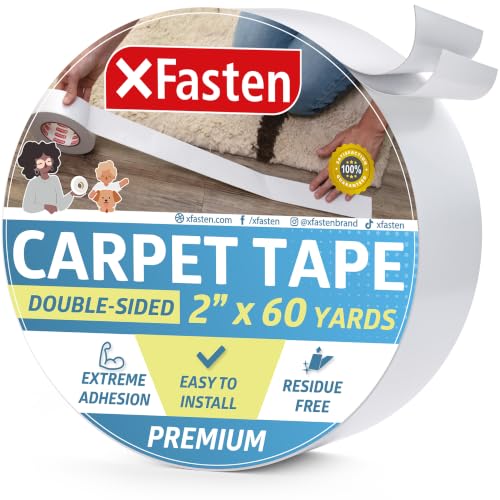
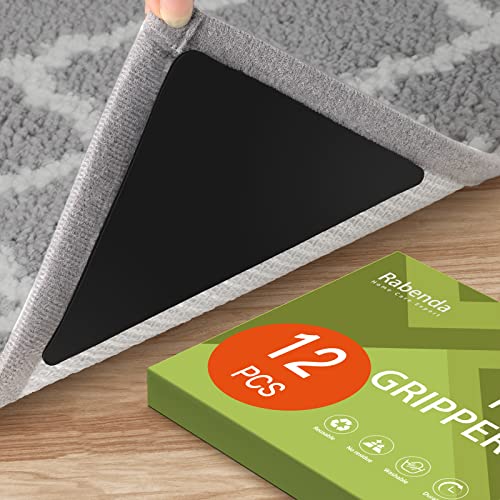

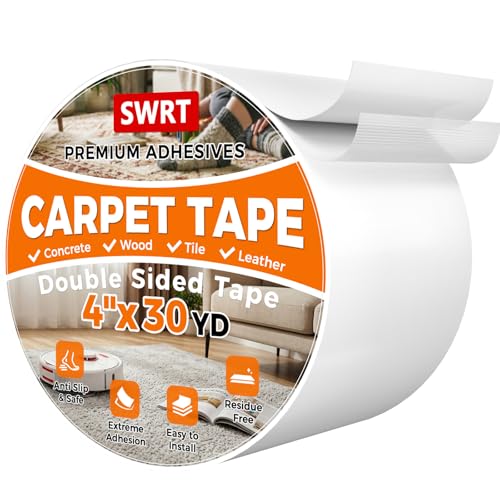
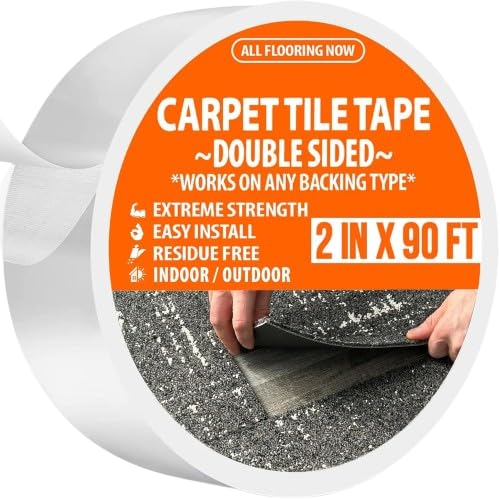
Types of Carpet Tape Compared
Carpet tapes for area rugs fall into three broad families, and the differences matter more than brand names or roll size. Adhesive strength, residue, and reuse all flow from which family you pick. For a broader look at tape formats, see our guide to the best tape for area rugs after this comparison.
Double Sided Adhesive Tape Rolls
This is the classic roll with adhesive on both faces, usually an acrylic or rubber based glue on a thin film or cloth carrier. You press strips along the underside of the rug, peel off the liner, and set the rug down. The hold is strong right away, on hardwood, tile, laminate, and low pile carpet.
The trade off is removal. Strong versions can leave residue or lift finish from delicate floors, and the tape is spent once you pull the rug up, so plan on fresh strips every time you move or wash the rug.
Reusable Gripper Strips and Pads
Reusable grippers use a tacky gel or textured surface rather than glue, and they come as precut strips, squares, or corner pads. They grip through surface contact, so they hold light and medium weight rugs without any adhesive touching your floor. When dust dulls the grip, rinse the strips with water, let them dry, and the tack returns.
Hold strength is lower than glued tape, so light rugs in busy hallways may still creep. For renters and anyone who rearranges furniture often, clean removal and reuse usually outweigh the weaker grip.
Heavy Duty Mesh Reinforced Tape
Mesh reinforced tape embeds a fiberglass or fabric grid inside the adhesive layer, which keeps the tape from stretching or tearing as a heavy rug shifts on top of it. Consider it for large rugs, thick rugs, and spots where furniture legs drag the rug sideways, such as under a dining table. The stronger build costs more per roll, often about $15 to $30. Removal takes patience because the adhesive layer is thicker, and this type is a poor match for delicate finishes or antique wood.
Double Sided Tape vs Reusable Grippers: Which Should You Choose?
These two families cover most purchases, so it helps to compare them directly. On pure holding power, double sided adhesive wins, since the glue bonds to both the rug backing and the floor. On floor safety, grippers win, because nothing sticky ever touches the finish.
On repositioning, grippers win again, since you can lift and reset the rug in seconds, while glued tape must be peeled off and replaced. On cost over time, grippers come out ahead if you move rugs often, because one set serves through many rearrangements.
Choose double sided tape when the rug sits in one place for months, when it is heavy, or when corners keep curling. Choose reusable grippers when you rent, when the floor is newly refinished, or when the rug comes up regularly for cleaning. The product table lists current rolls and strips, so sort your shortlist by family first.
How to Choose the Right Carpet Tape
Once you know the tape family you want, four details decide whether it performs in your room. Work through them in order, because a mismatch on the first can cancel out the rest.
Match the Tape to Your Floor Surface
Hardwood and laminate need tape labeled safe for finished wood, since strong glue can cloud or lift the finish when you peel it away. Tile and stone tolerate stronger adhesives and clean up easiest afterward. Vinyl plank sits in between, because some adhesives react with the wear layer and leave marks, so check the label for vinyl approval.
On carpet, tape must grip fibers that move, which calls for stronger and wider tape than hard floors need. When in doubt, try a short strip in a hidden corner for a day.
Check the Rug Backing and the Rug Size
The underside of your rug decides how well any tape can grab it. Smooth latex or rubber backings give tape a flat surface and the strongest bond. Woven cotton and jute backings are rougher, so tape may hold the rug body well yet peel away from loose fibers over time.
Thin flat weave rugs curl at the corners and benefit from tape along all four edges, while thick heavy rugs often need tape only at the corners and the middle of each long side. Measure the rug before you buy, since a large rug can use a full roll.
Hold Strength, Tape Width, and Roll Length
Wider tape spreads the load across more surface, so a strip about 2 inches wide holds noticeably better than a narrow strip on the same rug. Narrow tape still works for small bath mats and kitchen runners, where the rug is light. Roll length matters for value: compare the total feet on the roll rather than the sticker price, since rolls range from a few yards to more than 30 yards. One roll around $10 to $20 usually covers one or two medium rugs, with some left over for corner repairs.
When Tape Alone Is Not Enough: Padding and Layering
Tape fixes sliding and curling, but it adds no cushion and cannot stop a very thin rug from wrinkling underfoot. If your rug feels flimsy or the floor beneath it is cold and hard, a pad under the rug solves the comfort problem while tape at the edges handles the grip. Our guide to the best carpet padding for area rugs explains pad thickness and materials. Choose a pad slightly smaller than the rug so the edges still meet the floor, and tape across both layers where they meet.
Common Mistakes to Avoid
- Applying tape to a dusty or damp floor, which weakens the bond so the rug starts sliding again within days.
- Using strong adhesive tape on delicate hardwood, which can lift the finish and leave damage that costs far more than the rug.
- Taping only the four corners of a large rug, which lets the middle buckle and creates a tripping ridge across the walkway.
- Layering new tape over old tape, which builds a lumpy ridge that shows through thin rugs.
- Skipping the label check for vinyl floors, which can lead to adhesive marks that do not wash off.
- Pulling tape up quickly at a steep angle, which raises the chance of residue and floor damage.
Picking the Right Tape for Different Uses
Most buying confusion comes from one specific situation, a rug laid over carpet, so it gets its own section here. Runners in busy hallways follow right after.
Rugs Laid Over Carpet: The Trickiest Surface
Finding the best carpet tape for area rugs on carpet is harder than taping a rug to a hard floor, because the base carpet fibers flex and shift underfoot, and a weak tape simply rides along with them. Look for tape sold specifically for carpet to carpet use, choose the widest strips you can fit under the rug edges, and press each strip firmly so the adhesive reaches past the surface fibers. Low pile and looped base carpets hold tape far better than plush or shag bases, where long fibers give the tape almost nothing solid to grip. If you are still shopping for the rug itself, our guide to the best area rugs for carpet covers rug weights and backings that sit calmly on carpet.
Runners and High Traffic Hallways
Long narrow runners take repeated foot traffic in one direction, which slowly walks them sideways or bunches them against a wall. Tape the full length of both long edges rather than relying on corner pads, and add a crosswise strip every few feet on very long runners. Reusable grippers often disappoint here because the constant directional push defeats their lighter hold, so standard double sided tape is the safer pick. Check the ends weekly at first, since they lift before the middle.
How to Apply Carpet Tape Step by Step
- Clean the floor where the rug will sit, then let the surface dry fully so no dust or moisture weakens the bond.
- Roll the rug out in its final position and mark the edges lightly, then roll the rug back to expose the floor.
- Cut strips to length and press them onto the floor inside the marks, or onto the rug underside if the tape maker directs that order.
- Peel the liner, lower the rug into place, and walk along every taped edge to press the bond firm.
- Leave heavy furniture off the rug for several hours so the adhesive can set without sideways drag.
Before any fresh application, deep clean the rug, since grit trapped under the backing grinds into the floor. If your rug is due for that level of washing, see our guide to the best carpet shampooer for area rugs for machine types and fabric safety notes.
Care, Removal, and Making Tape Last
Check the corners of taped rugs every few weeks, because corners lift first and a quick press or a short fresh strip fixes the problem before the whole edge lets go. Reusable grippers need a rinse whenever they pick up dust and pet hair, and they should dry fully before the rug goes back down. To remove glued tape, pull slowly at a low angle and warm stubborn sections with a hair dryer on a low setting to soften the adhesive.
Sticky film left behind usually lifts with warm soapy water; for keeping the rug itself fresh between deep cleans, our guide to the best carpet cleaner for area rugs covers spot and full surface options. Never use solvent cleaners on a finished floor without checking that the finish tolerates them.
Frequently Asked Questions
Will carpet tape damage hardwood floors?
Carpet tape can damage hardwood when the adhesive is stronger than the finish can handle, which is why floor safe labeling matters. Tape sold as safe for hardwood uses glue that releases before it pulls at the finish, while heavy duty versions make no such promise. Dwell time is one extra safeguard: the longer tape sits, the firmer it bonds, so lift and reset taped rugs every few months.
How much carpet tape does one area rug need?
One area rug needs enough tape to cover its corners plus the middle of each long side at a minimum, and a full perimeter for thin or curling rugs. A rug around 5 by 8 feet taped on all four edges uses about 26 feet of tape, more than many small rolls contain. Buy a longer roll than your first estimate, because leftover tape keeps well in a cool drawer and corner repairs always come up.
Can reusable carpet tape be washed and used again?
Yes, reusable carpet tape can be washed with plain water and used again once it dries, its main advantage over glued tape. Use lukewarm water and your fingers rather than brushes, since scrubbing can tear the gel surface that creates the grip. Skip soap unless the maker allows it, because detergent residue can leave the surface slick. Expect the grip to fade slowly after many wash cycles, though the strips still work under heavier rugs.
How do you remove carpet tape residue from a floor?
You remove carpet tape residue by softening it first, then lifting it gently rather than scraping at it dry. Warm the patch with a hair dryer on low, roll the softened glue off with your thumb or a plastic scraper, and wipe the last film away with warm soapy water. Work in small patches and keep metal blades away from wood and vinyl, since one careless scrape can mark the floor worse than the residue.
How often should carpet tape under an area rug be replaced?
Carpet tape under an area rug should be replaced whenever an edge starts to lift or the rug begins to creep, which for glued tape is often after six months to a year of daily use. Dust working in from the edges is the usual cause, so rooms near exterior doors wear tape out faster than quiet bedrooms. Remove every trace of the old tape first, since fresh tape bonds poorly to old adhesive.
Final Thoughts
The right choice comes down to three questions: what floor sits under the rug, how heavy the rug is, and how often you plan to lift it. Glue based tape wins on hold, reusable grippers win on floor safety and repositioning, and mesh reinforced tape earns its place under large or heavy rugs. Match the tape to those answers and the best carpet tape for area rugs for your home stops being a guess. Check the product table above to compare types by price and format, and remember that careful application on a clean, dry floor matters as much as the tape.

