
Best Carpet Padding for Area Rugs in 2026: Materials, Thickness and Fit
Disclosure: We may earn a commission when you buy through links on this page, at no extra cost to you. As an Amazon Associate I earn from qualifying purchases. Learn more
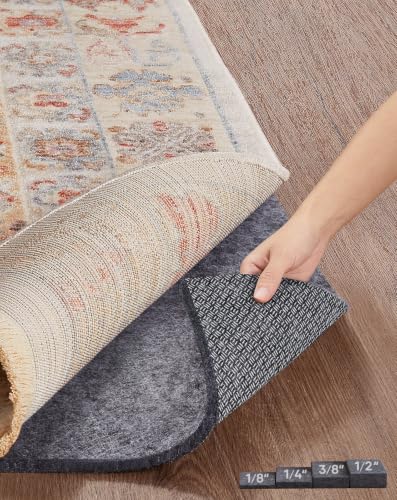
The best carpet padding for area rugs cushions steps, stops sliding and protects floors; learn which material and thickness suit each room.
Padding is the hidden layer of a rug setup, and the best carpet padding for area rugs decides how the rug feels, how long it lasts and whether your floor stays safe underneath. A good pad cushions footsteps, stops sliding and keeps the rug backing from grinding against the floor. The product table lists current pads by size and material, and this guide explains how to choose among them.
Many buyers spend freely on a rug and skip the pad, then wonder why the rug bunches, creeps or wears at the edges. A pad also adds a little insulation and softens sound, which helps in upstairs rooms and apartments. It is a small purchase with a large effect on everyday comfort.


Why the Floor Type Changes the Pad You Need
Hard floors such as hardwood, tile and laminate need grip and surface protection. A felt and rubber pad holds the rug in place without scratching the finish. On carpeted floors the job changes: you want a thin, firm pad that keeps the rug from bunching without adding spongy height.
Room use matters too. Living rooms need density for daily foot traffic and heavy furniture, bedrooms reward softness and quiet, dining rooms need a stable pad that handles chair movement, and hallways need a thin, dense pad that survives constant traffic. Match the pad to the room, not only to the rug size.
Who Needs Rug Padding
Households with hard floors gain the most, since padding prevents sliding, protects finishes and softens steps. Families with children and older adults benefit from the safety of a rug that stays flat, because a curled edge is a common trip hazard.
Renters gain a second benefit: padding keeps rug backings from marking floors, which helps when the deposit is returned. Pet owners get extra cushioning and less noise from running paws. Even low traffic rooms benefit, because a pad stops rug fibers from slowly grinding against a hard floor.
Key Features of the Best Carpet Padding for Area Rugs
Material
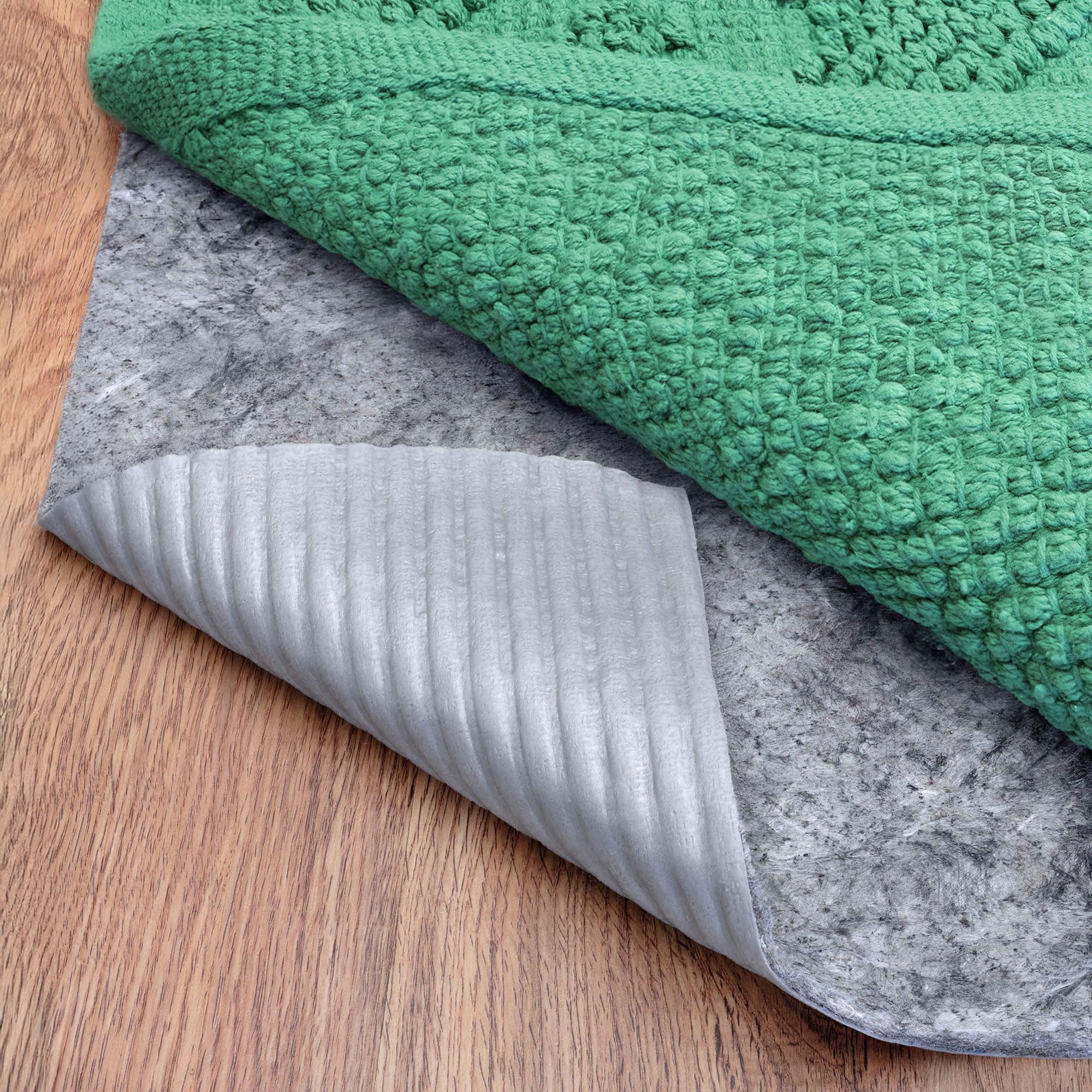
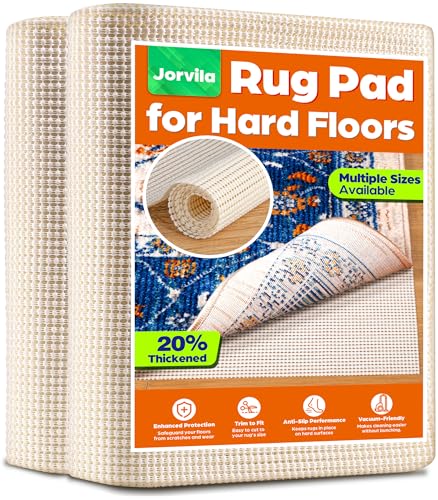
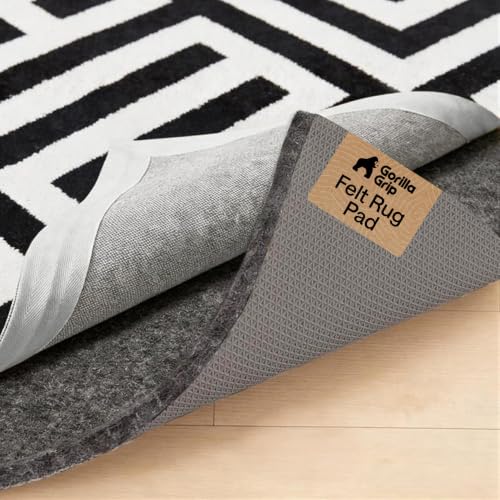
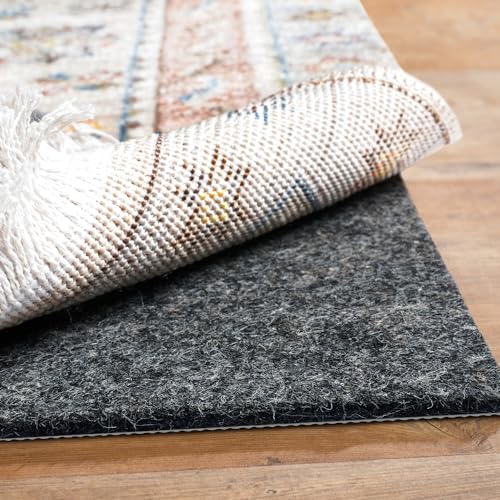
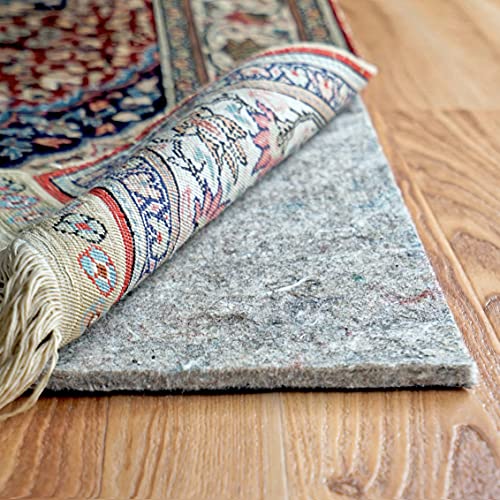
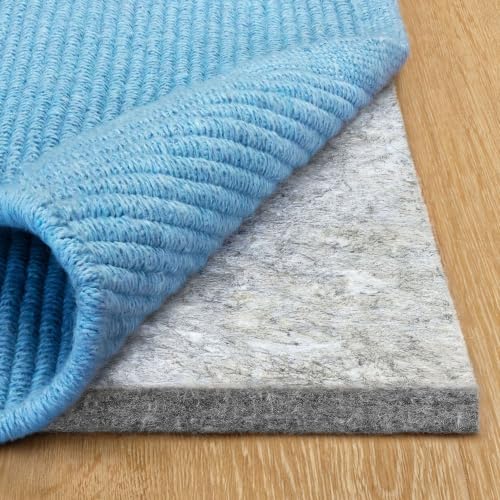
Felt pads are dense and cushioned, and they suit areas with heavy furniture. Rubber backed pads grip hard floors well and resist sliding. Combination felt and rubber pads balance comfort and grip, which is why they are the most common choice for living spaces. Memory foam pads feel plush but can compress permanently under sofas and bookcases.
Thickness and Density
Thicker is not always better. A thick pad under a thin rug can feel unstable, while a thin pad under a plush rug adds little. Density decides how long the pad keeps its shape, so favor denser pads in high traffic rooms. For most rugs on hard floors, a pad between about 1/8 and 3/8 inch works well, and thinner is better near doors.
Size and Trimming
Choose a pad slightly smaller than the rug so it stays hidden. A pad that sticks out looks untidy and catches feet. Most pads can be trimmed with a sharp utility knife and a straight edge, so buy the closest size above your target and cut it down.
Floor Compatibility
Some rubber compounds can mark certain floor finishes over time. If you are unsure, choose a natural rubber or felt option made for your floor type, and check the maker's care notes. Lift the pad now and then to confirm no moisture or grit has collected underneath.
Measuring, Cutting and Fitting
Measure the rug, then cut the pad about an inch smaller on every side. Work on a protected surface, use a fresh blade and take corners slowly for a clean edge. Lay the pad flat and smooth out any wrinkles before placing the rug on top.
For a large rug, ask a second person to help align the layers so nothing bunches. Check door clearance after fitting, and trim or choose a thinner pad if a door catches. A well fitted pad disappears under the rug and simply makes the room feel better.
Furniture, Heating and Allergies
Heavy sofas and bookcases compress soft padding and leave dents that show through the rug. Denser pads resist this, and furniture cups under the legs spread the weight. Moving furniture a few inches now and then also prevents permanent marks.
If you have underfloor heating, thick insulating pads can block heat, so choose a thinner option and ask your installer if you are unsure. Pads also trap dust over time, so vacuum the rug regularly and clean the pad when you lift the rug. If allergies matter in your home, look for a pad whose maker names its materials clearly.
Stairs are a separate case. Pads for stair runners need secure fixing, so never use a loose room pad on steps. Buy a purpose made stair pad and fixings instead.
Budget and Replacement
Basic pads suit low traffic rooms and budget rugs. Mid range felt and rubber pads suit most living spaces and offer the best balance of comfort and life. Premium dense pads suit high traffic areas and valuable rugs, where protection justifies the cost.
Padding usually lasts several years, but heavy furniture and moisture shorten its life. Check it each year for flattening, odor or damage. Replacing a pad costs far less than replacing a rug or refinishing a floor, so treat it as routine home care.
Quick Checklist Before You Buy
- Cut the pad slightly smaller than the rug on all sides.
- Match the material to your floor type and traffic level.
- Check density, not just thickness, for lasting support.
- Confirm door clearance after fitting.
- Replace flattened or damaged padding promptly.
Related guides can help you compare grip and cushioning for your floor: best padding for area rugs, best area rugs for carpet and best carpet tape for area rugs.
Frequently Asked Questions
Do area rugs on carpet need padding?
Yes, a thin pad helps an area rug on carpet stay flat and resist bunching, though it should be thinner than a pad for hard floors. Too thick a pad on carpet creates a spongy, unstable feel. Choose a low profile pad designed for carpeted floors, and check that doors and furniture still sit level after fitting.
What thickness of rug padding is best?
For hard floors, a pad around 1/4 to 3/8 inch suits most rugs, balancing comfort and stability. Thicker pads suit plush rugs in low traffic rooms, and thinner pads suit thin rugs and spots with door clearance limits. Density matters as much as thickness, so favor denser pads for busy rooms.
Will rug padding damage hardwood floors?
Good padding protects hardwood, but some rubber pads can mark certain finishes over time. Choose a pad recommended for hardwood and follow the maker's instructions if your floor has a special finish. Lift the pad yearly to look for trapped grit or moisture.
How do I stop a rug sliding on hard floors?
Use a rubber backed or combination pad sized slightly smaller than the rug, and make sure the floor is clean and dry before fitting. Rug tape can add grip at the edges in stubborn cases. Replace worn pads promptly, since a flattened pad loses grip.
How often should rug padding be replaced?
Most padding lasts several years, depending on traffic, furniture weight and moisture. Replace a pad that feels flat, torn, smelly or slippery. High traffic hallways may need a new pad sooner than bedrooms, so look at the pad whenever you clean under the rug.
Final Thoughts
Good padding is quiet, invisible and hard working. Use the product table to compare materials and sizes, then measure carefully and fit the pad slightly smaller than your rug. Picking the best carpet padding for area rugs for your floor improves comfort, safety and rug life at once, and checking the pad each year keeps it that way.

