Best Carpet Shampooer for Area Rugs: A Beginner's Guide for 2026
Disclosure: We may earn a commission when you buy through links on this page, at no extra cost to you. As an Amazon Associate I earn from qualifying purchases. Learn more

Choosing the best carpet shampooer for area rugs starts with the rug backing and care label; here are the machine classes and features that matter.
Buying a carpet shampooer for the first time is confusing mostly because the terms are new, not because the machines are complicated. This guide starts from the basics and builds up to a confident choice, so by the end you will know what the best carpet shampooer for area rugs looks like for your home, your rugs, and your budget. The product table lists current machines, and the sections below explain the classes.
One theme runs through everything that follows. With area rugs, the rug itself sets the rules, and the machine has to respect them. Read the sections in order and the spec sheets in stores will start to make sense.


Carpet Shampooers 101: The Basics
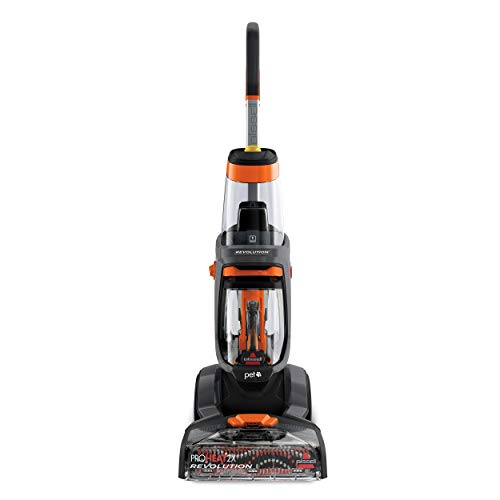
A carpet shampooer is a wet cleaning machine. It sprays a mix of water and cleaning solution into the fibers, scrubs with a rotating or vibrating brush, and then pulls the dirty water back out with suction. That last step, called extraction, is what separates a shampooer from simply scrubbing by hand, because the dirt leaves the rug instead of drying back into it.
Most home machines carry two tanks, one for the clean mix and one for the dirty water that comes back. The same machines also go by the shorter name shampooer, and our guides to the best shampooer for area rugs and the best carpet cleaner for area rugs cover them from other angles.
Read the Rug First: Backing Before Pile
An area rug is read by its backing before its pile, because the backing is what holds the rug together. A delicate backing, such as jute, thin latex, or the knotted base of a handmade rug, can be loosened or damaged by strong extraction and aggressive brush action. The rug maker's care wording is read first, before any machine setting, because it states what the rug can survive. If the label limits you to surface cleaning or professional care, believe it.
Pile comes second. Low, dense pile tolerates machine cleaning well, while long or shaggy pile can tangle in a brush roll and holds far more water. Wool and silk rugs deserve extra caution, since strong solutions and heat can shrink fibers or bleed dyes.
If you are still choosing the rug itself, see our guide to the best area rugs for carpet. What sits beneath the rug matters too, and our guide to the best carpet padding for area rugs covers underlay.
Key Specs Explained in Plain English
The specs below are the ones that decide whether a small portable unit or a full size machine suits your home. Read them as plain trade offs, not as numbers to maximize.
Machine Classes: Upright, Portable, and Rental
Upright machines are the largest class, with wide cleaning paths and big tanks, and they suit homes with several large rugs. Portable machines are smaller, lighter, and built for one rug at a time, spot cleaning, and stairs. Rental machines from a store are powerful and cheap for a single day, but they are heavy and their brushes are set for general carpet, not delicate rugs. A household with one or two area rugs rarely needs the upright class, and most first time buyers are happier with a portable.
Brush Action and Agitation Settings
The brush does the scrubbing, so its controls matter for rugs. Look for a machine that lets you slow the brush or switch the agitation off for delicate piles, since a fixed aggressive brush is the most common way a rug gets damaged. Softer brush rows and lower pressure suit wool and older rugs. Stiff brushes earn their place only on durable synthetic rugs with ground in dirt.
Tank Size and Solution Control
Tank size decides how often you stop to refill and empty, and on a single area rug even a small tank is usually enough. Solution control matters more. Machines that mix the solution for you, or clearly mark the dose, prevent the classic error of using too much soap, which leaves a residue that attracts dirt faster. A rinse mode or a plain water pass is a genuine plus for rug work.
Suction and Dry Time
Suction strength decides how much water comes back out, and that decides dry time. Dry time is a room question, not just a machine question, because a wet rug left lying on a wood floor can damage the finish beneath it while it dries. Plan to lift the rug onto a dry surface or raise its edges, and run fans across it. A rug should feel dry to the touch before furniture goes back on it.
Tools for Edges, Fringe, and Pet Messes
Most machines include a hose and a small hand tool, and for area rugs that tool often does the most delicate work. Use it along edges and borders where the main head cannot reach. Keep brushes away from fringe, which tangles and tears, and clean fringe by hand instead. For pet messes, an enzyme based solution class does the odor work, and the machine's job is extraction rather than scrubbing the spot wider.
Rookie Mistakes to Avoid
- Skipping the care label and the spot check: cleaning an unchecked corner first is how you learn a dye bleeds before the whole rug is wet.
- Using too much solution: extra soap does not clean better, it stays in the fibers and pulls in new dirt within weeks.
- Soaking the rug: repeated wet passes push water into the backing, which is where warping and odor start.
- Brushing the fringe: fringe is the weakest part of the rug and should only ever be cleaned by hand.
- Putting the rug back too soon: a rug that feels dry on top can still be damp at the backing, which traps moisture against the floor.
Getting Started: Setup and First Use
Start by vacuuming the rug thoroughly, since dry grit left in the pile turns to mud once it gets wet. Mix the solution exactly as the tank markings direct, and try a hidden corner for ten minutes first before committing to the full rug. Work in slow, overlapping passes, then make one extra pass with suction only to pull out more water.
When you finish, empty both tanks and rinse them, because dirty water left sitting will smell by the next use. Let the rug dry fully with air moving across it before it goes back under furniture. If corners curl once the rug is dry again, our guide to the best carpet tape for area rugs shows how to hold them down.
FAQ: Area Rug Shampooer Questions Answered
What features matter most in a carpet shampooer for area rugs?
Adjustable solution flow matters most, because area rugs vary far more than fitted carpet and delicate rugs need a lighter touch. After that, look for brush control, a hand tool for edges, and suction strong enough to leave the rug only slightly damp. Tank size is a convenience, not a quality marker, on single rugs. A machine that offers a plain water rinse pass protects pale rugs from residue better than raw power does.
Can a carpet shampooer damage an area rug?
Yes, it can, most often through dye bleed, backing damage, or a brush that is too stiff for the pile. Wool, silk, and handmade rugs carry the highest risk, and some should only be cleaned by a professional. The hidden corner check is the real safeguard, since it shows color movement before you commit. If the backing feels brittle or crumbles when flexed, keep the machine off that rug entirely.
How long does an area rug take to dry after shampooing?
Most area rugs dry in about four to twelve hours, depending on pile depth, room warmth, and airflow. A fan pointed across the surface shortens that window more than any machine setting. Check the backing, not just the top, before moving the rug back, since the underside dries last. In humid weather, give the rug the full day and keep it off wood floors until it is fully dry.
How often should an area rug be shampooed?
Once or twice a year suits most area rugs in normal use. Rugs near entry doors and under dining tables pick up grit and spills faster and may need attention twice as often. Between deep cleans, prompt spot treatment keeps stains from setting and stretches the time between full washes. Vacuuming weekly does more for a rug's life than extra shampooing, because grit in the pile is what wears fibers down.
Should I rent a machine or buy one for area rugs?
Renting makes sense if you have one large, durable rug and plan a single deep clean each year. Buying a portable machine makes sense if you have pets, kids, or several rugs, because the cost of a few rentals soon passes the price of a small unit. Remember that rental brushes are set aggressively for general carpet. For a delicate or valuable rug, owning the gentler machine is the safer pattern.
Wrapping Up
For a first purchase, the order of decisions is simple. Read the rug's backing and care label first, pick the machine class that matches how many rugs you own, and favor brush and solution control over raw size. Look back at the product table above to compare the classes side by side. Chosen in that order, the best carpet shampooer for area rugs is the machine that cleans your rugs without ever putting them at risk.