Best Area Rugs for Carpet in 2026: Which One Fits the Way You Use It?
Disclosure: We may earn a commission when you buy through links on this page, at no extra cost to you. As an Amazon Associate I earn from qualifying purchases. Learn more

Not all area rugs fit every routine. See which best area rugs for carpet match how you actually use them, what features to prioritize, and what to skip.
Layering a rug over carpet sounds simple, yet it is where many buyers go wrong: the rug creeps, the edges ripple, and chairs catch every time you move. There is no single right answer, because the best area rugs for carpet depend on whether you are warming up a rental, defining a seating zone, protecting a busy hallway carpet, or giving a gift. This guide starts with how you actually use the room, then matches features to that use.
Skim the comparison table below for sizes and backings, then find your use case in the next section. The same rug that behaves beautifully on low pile carpet in a quiet bedroom can wander badly on plush carpet in a family room, so context decides everything here.
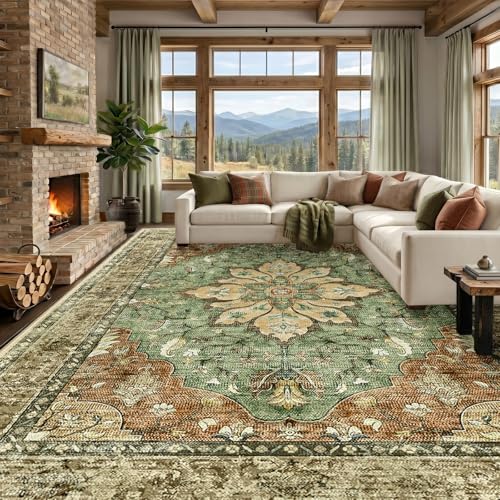


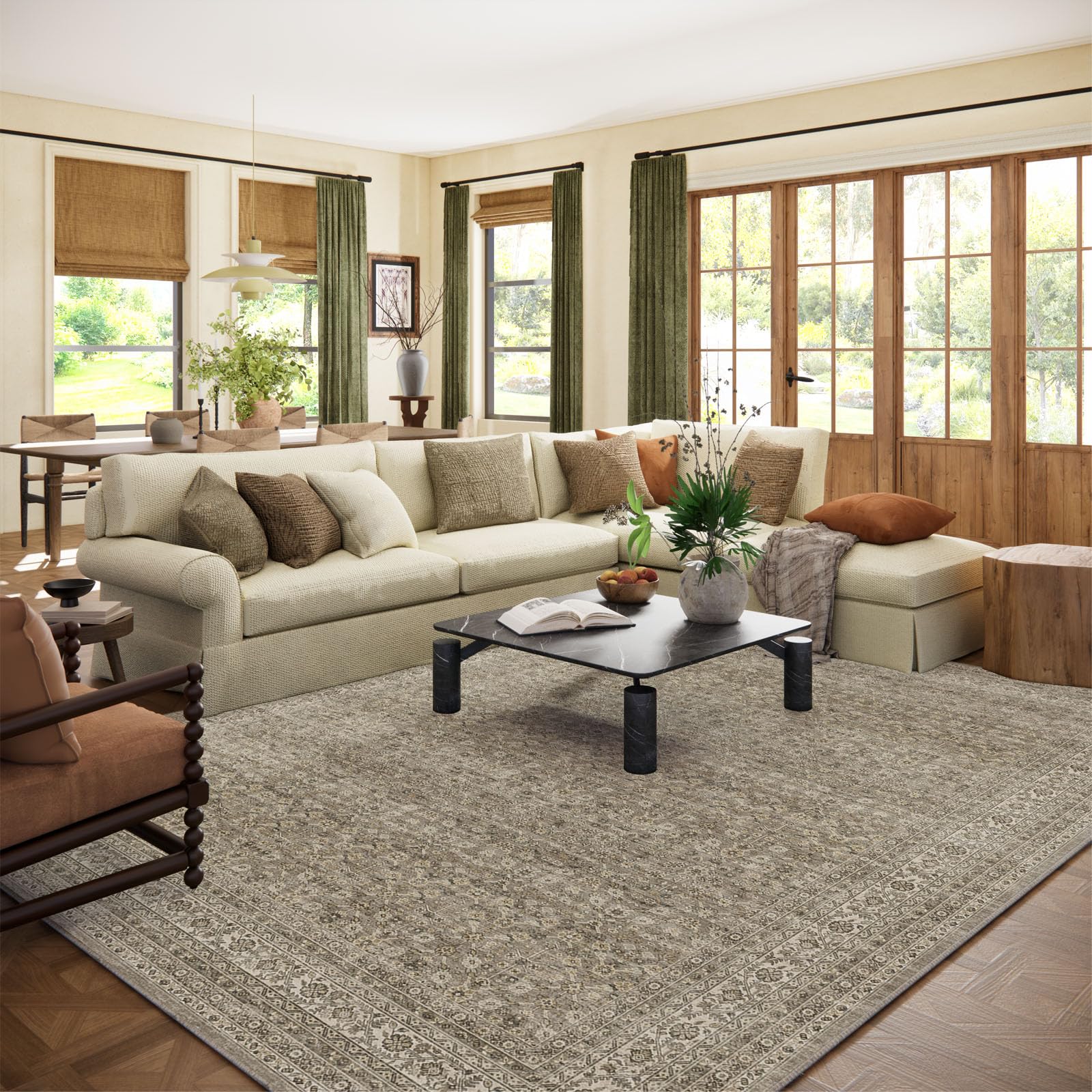

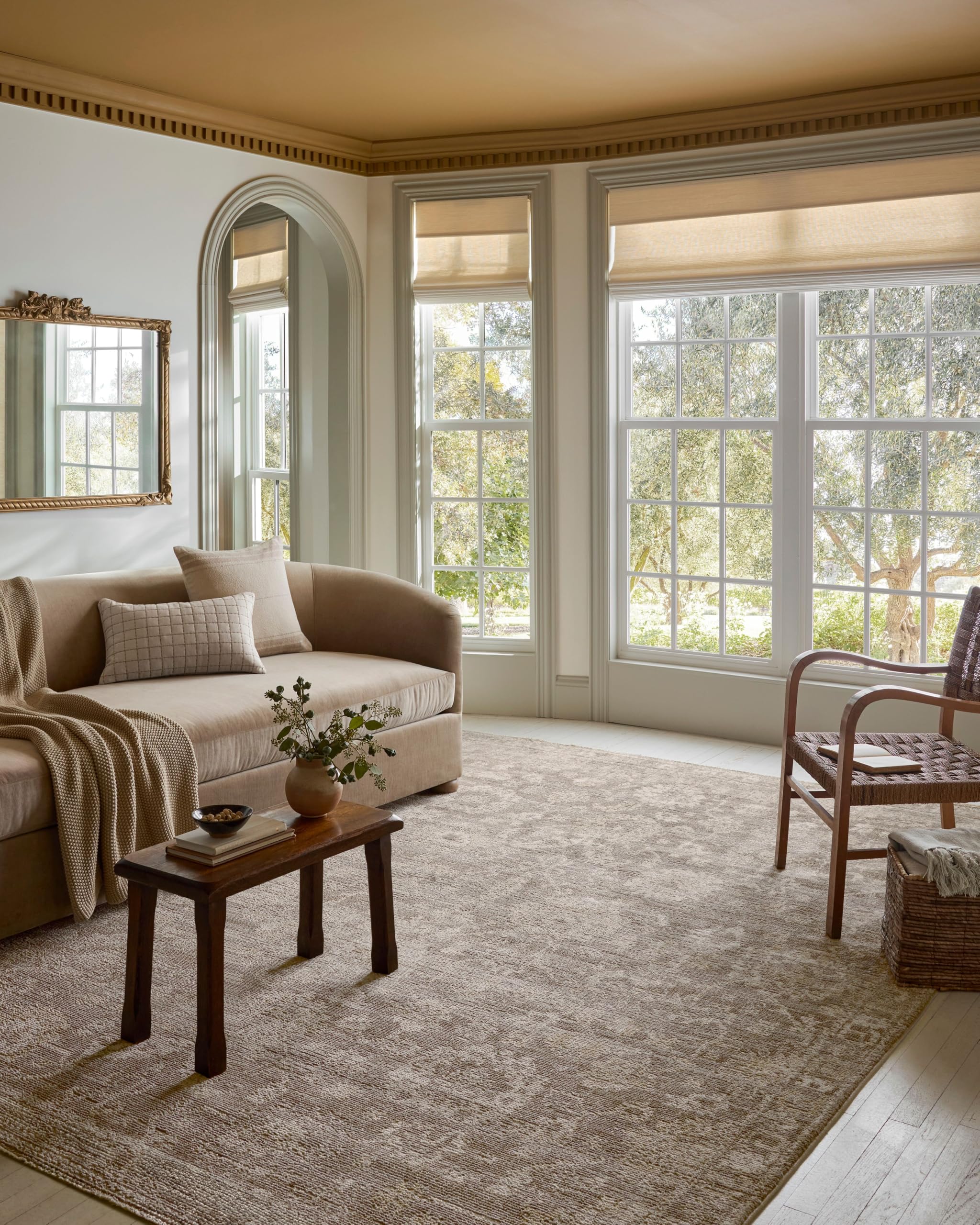

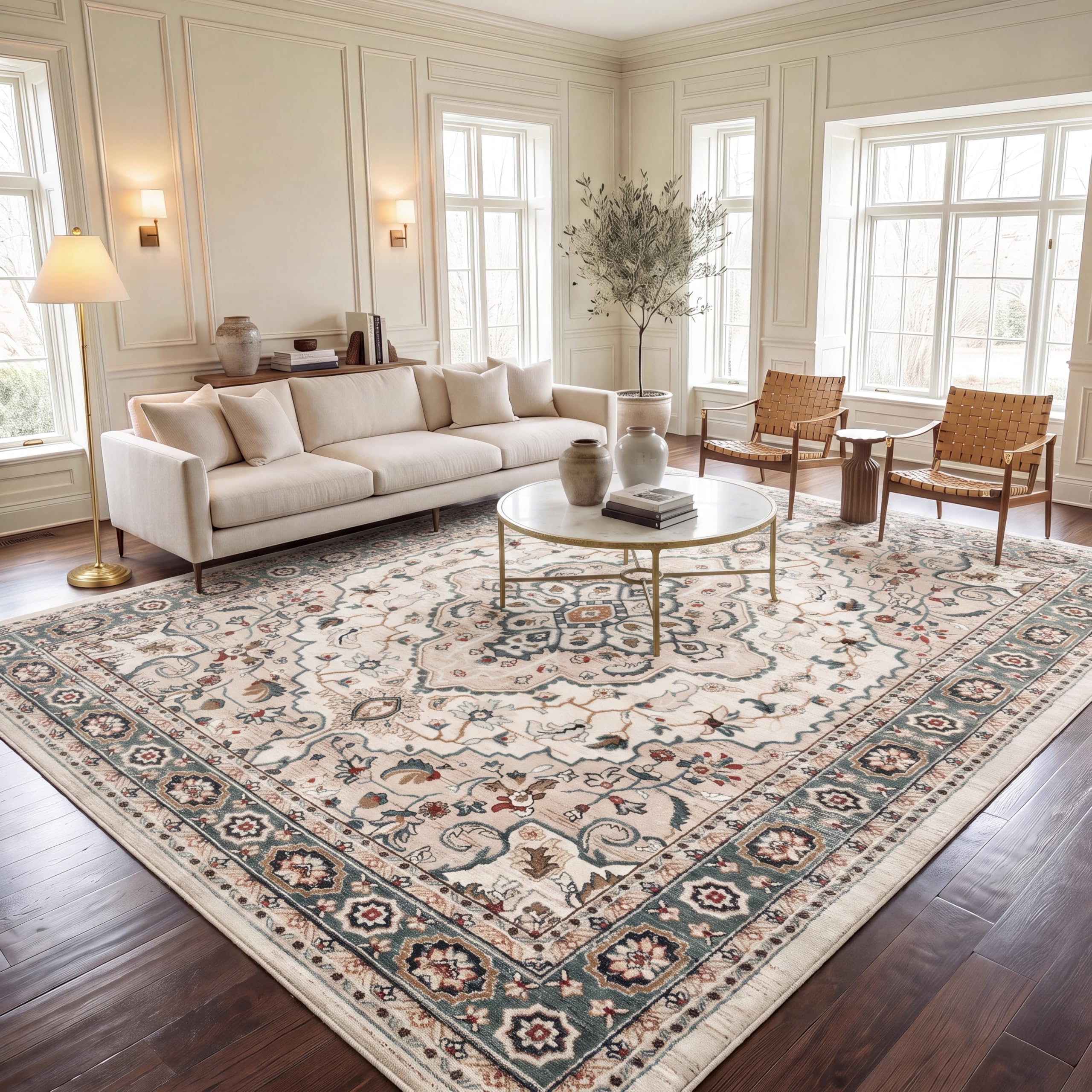


Who Should Buy Which Area Rugs?
For Gift Shoppers
A rug makes a generous housewarming or wedding gift, and over carpet the safest gift is a medium size, low pile rug in a neutral pattern that suits many rooms. Choose a design without a stiff or abrasive backing, since you may not know the carpet type in the home it is going to. Include a gift receipt and, if you can, a note that a pad made for carpet to carpet use helps it lie flat. Avoid very large sizes, because a rug that overwhelms a room rarely gets used, and avoid deep shag, which performs poorly on top of carpet.
For People Who Want the Best Performance
If performance means a rug that never moves, feels plush, and survives daily traffic, spend on two things: a dense, heavier rug and a proper carpet to carpet pad or grip system. Weight is your friend on carpet, because light rugs surf on the pile beneath them. Premium versions add tighter weaving, better edge finishing, and fibers that resist matting where chair legs and feet land. This is the setup for home offices, where chair casters punish weak rugs, and for media rooms where you want extra sound softening over the existing carpet.
For First Time Buyers
Start simple: one low pile rug, one pad made to grip carpet, and a size that leaves a clear border of carpet visible on all sides. This combination is forgiving while you learn how your carpet behaves, and it lifts up easily for cleaning. Pick a pattern with some variation, since it hides the slight shifting and lint that come with the first weeks of layering. Skip rug on carpet experiments in door swing zones until you know your door clearance, and photograph your setup once it looks right so you can reset it after vacuuming.
For Value Seekers
Value over carpet comes from durability per dollar, and the smart move is a mid priced synthetic rug with a strong pad rather than a cheap rug alone. Cheap light rugs creep the most, so their low price buys daily frustration. Look for sales on heavier flatweaves and low pile rugs, which often cost about $80 to $200 in common room sizes and last for years. A good pad can move to your next rug when this one wears out, which spreads its cost across two purchases.
Key Features to Compare
Stability and Noise
Movement is the number one issue when a rug sits on carpet. The rug wants to travel in the direction of foot traffic, a slow creep called walking, and plush carpet underneath makes it worse. The fixes are weight, a carpet to carpet grip pad, and furniture anchoring the edges. A stable layered rug also quiets a room further, softening footsteps and chair sounds beyond what the carpet alone does, which apartment dwellers notice at once. Test stability by walking the same path ten times and checking whether corners have shifted.
Pile Height and Cushion
Think of the two layers as one combined surface. A low pile rug over low pile carpet feels firm and stays put, while any rug over deep plush carpet feels wobbly and can ripple. Match opposites where you can: if your carpet is plush, choose the flattest, stiffest rug you can find, and if your carpet is thin commercial style pile, you have freedom to add a plusher rug for comfort. Total height matters at doors, so measure the stack of carpet, pad, and rug before you buy.
Material and Fiber
Synthetic fibers such as polypropylene and polyester dominate this use because they are light enough to handle, resist stains, and come in stiff flatweave forms that sit well on carpet. Wool rugs are heavier, which helps stability, and they look rich layered over plain carpet, but they cost more and need a pad barrier so their backing does not abrade the carpet below. Cotton flatweaves are affordable and washable, yet they are the most likely to bunch without strong gripping help. Whatever fiber you choose, a smooth, non abrasive backing protects the carpet fibers underneath.
Features That Matter for Carpet
Carpet as a base changes the rules in three specific ways. First, standard rug pads made for hard floors can damage or discolor some carpets and will not grip pile, so you need a pad sold for carpet to carpet use, or anchoring tape at the corners. Second, color transfer is a real risk: a deeply dyed rug can stain light carpet beneath it, so test a hidden corner and use a pad as a barrier. Third, moisture trapped between layers dries slowly, so lift the rug after any spill and dry both layers fully. For stubborn edges, our guide to the best carpet tape for area rugs explains where tape helps and where it should never go.
Common Mistakes to Avoid When Buying Area Rugs
- Using a hard floor pad on carpet. Rubber pads for wood floors slide on pile and can harm carpet backing, so match the pad to the surface below the rug.
- Buying a light rug for plush carpet. Light rugs on deep pile ripple and travel within days, no matter how often you straighten them.
- Skipping the size check. A rug that nearly covers the room leaves no border to anchor the eye or the edges, and it is harder to lift for cleaning.
- Ignoring color transfer. Dark or saturated rugs can mark pale carpet, a costly surprise in a rental where you want your deposit back.
- Forgetting the door swing. Carpet plus pad plus rug can lift the surface enough to block a door that cleared the carpet alone.
Tips to Get the Most From Your Area Rug
Anchor the setup with furniture where you can, placing at least the front legs of sofas or the corners of a bed frame on the rug. Vacuum the top as usual, but lift the rug every few months to vacuum the carpet beneath, since grit migrates down and can wear both layers. Rotate the rug twice a year to even out traffic lanes and light exposure. After any spill, dry both layers before relaying, and check the pad at the same time. A pad made for this job, covered in our guide to the best carpet padding for area rugs, is the single upgrade that fixes most layering complaints.
Area Rugs: Your Questions Answered
What features matter most in area rugs for carpet?
Weight, stiffness, and the right pad matter most, because they decide whether the rug stays flat on a surface that itself moves. A heavier low pile rug with a carpet to carpet pad will outperform a plush expensive rug with no grip. One extra check: run your hand over the backing, since rough latex or jute backings can wear the carpet pile beneath them over time.
How often should I replace my area rug?
Replace it when edges stay curled after rest, the backing flakes, or traffic lanes mat down and no longer respond to cleaning. A layered rug in a busy room may last about four to seven years, longer in a quiet bedroom. The pad usually wears out first, so if an older rug suddenly starts moving, try a fresh pad before you blame the rug itself.
Are thicker area rugs worth it over carpet?
Usually not, because the carpet already supplies cushion, and extra rug thickness adds wobble, rippling, and door clearance problems. Thickness pays off only on very thin, firm commercial carpet, where a medium pile rug adds real comfort. In most homes your money works harder spent on density and a proper pad than on pile height.
How do I wash area rugs safely when they sit on carpet?
Take the rug off the carpet to wash it, always. Wash small cotton or synthetic rugs by machine or hose according to the label, and dry them completely outdoors or over a rail before they go back. Never wet clean a rug in place on carpet, since the carpet and pad below will hold moisture and can mildew. For the carpet itself, our notes on the best carpet cleaner for area rugs cover safe products for both layers.
Is a denser weave always better over carpet?
Denser is generally better here, because dense rugs are heavier and stiffer, and both traits fight creeping and rippling. A dense flatweave is the classic choice for offices and dining rooms over carpet. Still, density cannot rescue a rug that is far too large or a pad made for the wrong surface, so treat weave as one part of the whole setup.
Can I put an area rug over wall-to-wall carpet in a rental?
In most cases yes, since a rug sits on top and leaves the carpet unchanged. Use a pad made for carpet use or corner anchors, and lift the rug now and then so the carpet underneath can dry and be vacuumed. Check your lease if you are unsure about padding or tape.
Our Verdict
Match the rug to your carpet first and your decor second: flat, dense, and fairly heavy rugs with a carpet to carpet pad succeed, while light plush rugs on plush carpet almost always disappoint. Use the product table above to compare weights and backings, and shortlist the best area rugs for carpet that fit your room and routine. For deep cleaning days, our guide to the best carpet shampooer for area rugs helps you refresh both layers safely, and our overview of the best quality area rugs explains the construction details that make a layered rug last.