Best Carpet Cleaner for Area Rugs: Everything to Know Before Your First Purchase 2026
Disclosure: We may earn a commission when you buy through links on this page, at no extra cost to you. As an Amazon Associate I earn from qualifying purchases. Learn more
Learn how to choose the best carpet cleaner for area rugs, compare machine types, suction, tanks and filters, and avoid first time buyer mistakes.
Buying your first machine can feel confusing, because the boxes are full of terms that sound technical and the machines themselves look very different. This guide explains best carpet cleaner for area rugs in plain language, so you can compare types, sizes, and features without guessing. You will learn what matters for rugs that sit on top of hard floors, what can be skipped, and how to avoid the mistakes that new buyers make most often.
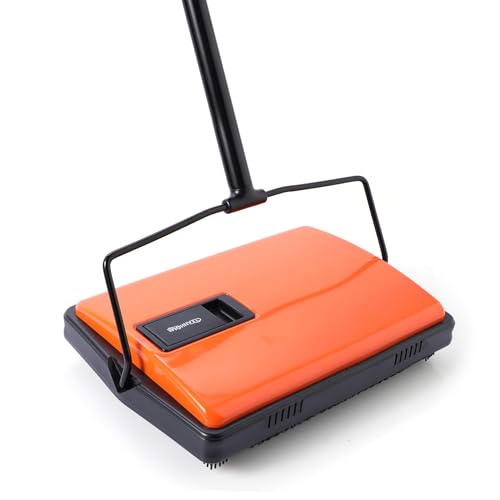
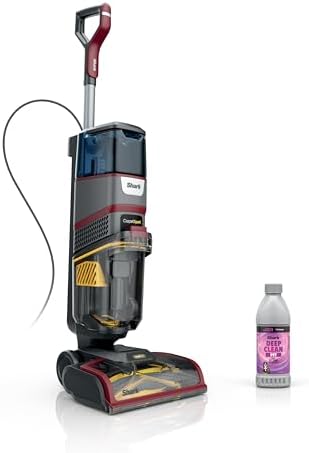
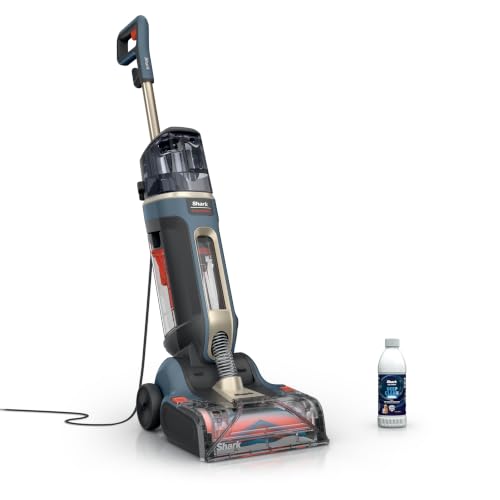
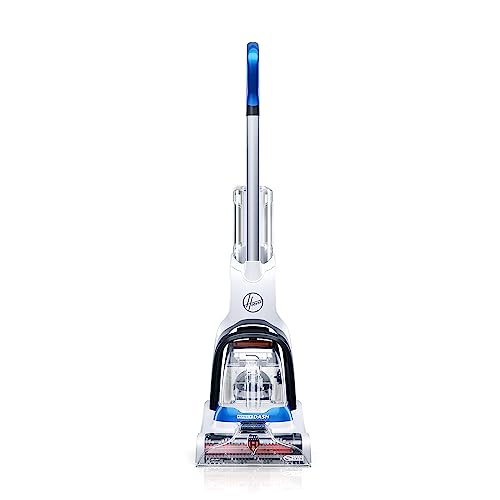
The product table below gives you a quick side by side view of the main machine types, and the rest of this guide explains how to use that information for your own home. Think about the size of your rugs, whether you have pets, how much storage space you have, and how often you expect to clean. Those four answers will narrow the choice far more than any single feature on a box.


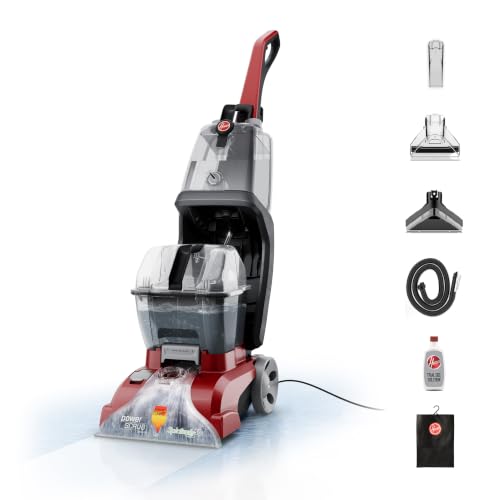

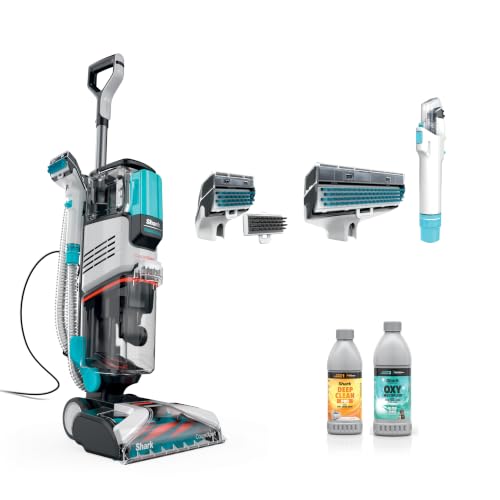

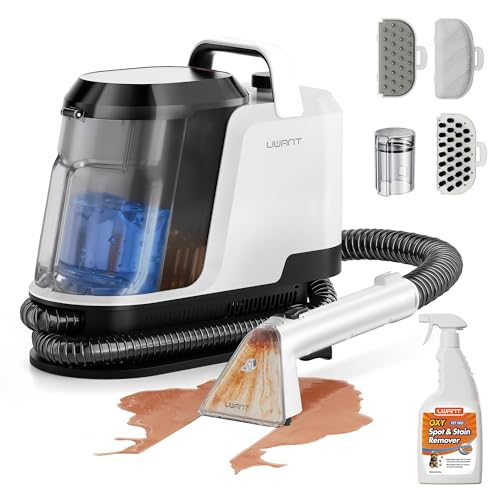

Carpet Cleaners 101: The Basics
A carpet cleaner is a machine that sprays a cleaning solution into rug fibers, brushes the fibers to loosen dirt, and then vacuums the dirty liquid back into a separate tank. That is the key difference from a regular vacuum, which only removes dry dust and surface dirt. A cleaner is meant for deeper dirt, spills, and the grime that builds up in a rug over months of foot traffic.
Most machines have two tanks, one for clean water and solution and one for dirty water, so you can see when the dirty tank needs emptying. Some machines heat the water, while others rely on warm tap water and the cleaning solution to do the work. Heat can help with dried spills, but it is not a must for every home, and very hot water can damage delicate rug fibers, so always check the care label on your rug first.
Area rugs need a slightly different approach from wall to wall carpet. A rug can move, bunch up, or slide under a machine, and its edges and fringe can catch in a brush. A good machine for rugs therefore gives you control over brush speed or lets you turn the brush off, and it should be easy to steer in short passes. Lightweight machines also help, because you may need to lift the machine over a rug edge or carry it up stairs.
Key Specs Explained in Plain English
The numbers on a box are only useful if you know what they change in everyday use. The sections below translate the main specs into practical advice for rug owners, with sensible levels to look for and the trade offs that come with each choice.
Features That Matter for Area Rugs
Rugs need gentle but thorough cleaning, so look for adjustable suction, a brush that can be slowed or switched off, and a cleaning head that stays flat on a thin rug. Edge cleaning matters too, because dirt collects where a rug meets the floor, so a head that cleans close to walls and rug borders saves extra passes. A machine that is too aggressive can pull at rug fibers or push a light rug across the floor, which is why control matters more than raw power alone.
Vacuum Type: Upright, Canister, Stick, Robot, and Handheld
Upright machines are the most common choice for whole rooms, because they cover a wide path and hold larger tanks. Canister machines separate the motor body from the cleaning head, which can make stairs and tight corners easier, but the hose and body take more storage space. Stick machines are light and easy to store, yet their tanks are small and they suit quick spot cleaning better than deep cleaning a large rug. Robot cleaners can maintain a rug between deep cleans, but they do not replace a full size cleaner for spills or ground in dirt, and handheld machines are best kept for small spots and car mats.
Tank Capacity
A larger clean water tank means fewer refills when you clean a big rug, and a larger dirty water tank means fewer trips to empty it. For a small rug in one room, a tank of about one gallon is usually enough, while a home with several large rugs benefits from a tank of about one and a half gallons or more. Bigger tanks add weight, though, so balance capacity against how far you will carry a full machine. Bagless tanks are common on carpet cleaners, and they let you see the dirty water level, but they must be rinsed after use so dried residue does not smell.
Corded Versus Cordless Runtime
Corded machines give steady power for as long as you clean, which suits large rugs and whole room sessions. Cordless machines give freedom to move without hunting for an outlet, but their runtime is limited, often to about 20 to 40 minutes on a charge, and suction can drop as the battery drains. If you choose cordless, check whether the battery is removable, because a spare battery can double your cleaning time. For most first time buyers with one or two rugs, a corded machine is the simpler and more reliable choice.
Filtration and Sealed HEPA
Filtration matters most if anyone in the home has allergies or if pets shed on the rugs. A sealed HEPA system is designed to trap very fine dust so it does not blow back into the room while you clean. Not every machine that mentions a HEPA style filter is fully sealed, so look for the word sealed in the description rather than assuming any filter with a similar name does the same job. Filters need washing or replacing on the schedule in the manual, and a clogged filter will cut suction even on an otherwise strong machine.
Picking the Right Carpet Cleaners for Different Uses
Different homes need different machines, and the two most common choices for first time buyers are portable and upright models. Portable machines suit spot cleaning and small rugs, while upright machines suit larger rugs and more frequent whole room cleaning. The sections below explain what each type does best, so you can match the machine to your home rather than buying the biggest machine on the shelf.
Best Portable Carpet Cleaner for Area Rugs: Tips for First Time Buyers
Portable machines are small, light, and easy to store in a closet, which makes them a good fit for apartments and for homes with one or two rugs. Look for a comfortable handle, a hose long enough to reach across a rug without moving the base constantly, and a tank that lifts off easily for emptying. Their main limits are a smaller tank and a narrower cleaning path, so they take longer on a large rug. If you mostly deal with spills, pet accidents, and small rugs, a portable machine may be all you need, and you can read our guide to the best small carpet cleaner for area rugs for more on compact options.
Best Upright Carpet Cleaner for Area Rugs
Upright machines clean a wide path in fewer passes, hold more water, and usually have stronger brushes, which helps on large rugs and in homes with pets or children. Their weight is the main trade off, since a full upright can be heavy to carry up stairs or lift over a rug edge. Look for large wheels, a handle that adjusts to your height, and a brush control so you can slow the brush on delicate rugs. If you clean several large rugs regularly, an upright will save time, and our guide to the best carpet cleaner machine for area rugs compares full size machines in more detail.
Rookie Mistakes to Avoid
- Skipping a spot test: always test the cleaning solution on a hidden corner of the rug first, because some dyes and fibers react badly to strong solutions.
- Soaking a rug: too much water can soak through to the floor below and take a long time to dry, which can cause odors, so use slow passes and let the machine pick up as much water as it puts down.
- Cleaning over fringe: fringe can tangle in a brush, so lift it clear or clean around it by hand instead of running the machine straight over it.
- Using the wrong solution: household cleaners and bleach can damage rug fibers and void a warranty, so use only solutions made for carpet cleaners and never mix bleach with ammonia or acids.
- Putting the machine away wet: a damp tank and brush can smell quickly, so rinse the tanks, wipe the brush, and let parts dry before storage.
Getting Started: Setup and First Use
Start by reading the rug care label and the machine manual, then vacuum the rug thoroughly to remove loose dirt before you add any water. Fill the clean tank with warm water and the recommended amount of solution, and do not add extra solution in the hope of a deeper clean, because excess solution leaves residue that attracts dirt. Work in slow, overlapping passes, and empty the dirty tank before it is full so suction stays strong.
After cleaning, let the rug dry fully with air moving across it, and keep children and pets off the rug until it is dry. Wash or replace filters on the schedule in the manual, and rinse the tanks after each use so residue does not harden. A short first session on a small rug is a good way to learn how much water your rug needs and how the machine handles, before you tackle a large living room rug.
If you want a machine that uses steam as well as solution, read our guide to the best carpet steam cleaner for area rugs before you decide, because steam suits some rug fibers and can damage others. For a general rug focused comparison, our guide to the best rug cleaner for area rugs explains how rug cleaners differ from machines built for wall to wall carpet.
Frequently Asked Questions
What features matter most in carpet cleaners for area rugs?
Adjustable suction, brush control, and a flat cleaning head matter most, because they let you clean a rug without pushing it around or pulling at its fibers. Tank size and weight come next, since a machine that is too heavy or needs constant refilling will discourage regular cleaning. A long cord or hose also helps, because it lets you reach across a rug without moving outlets or dragging the machine. Do not pay extra for features you will not use, such as a long list of attachments for surfaces you do not have.
Is HEPA filtration necessary?
HEPA filtration is helpful but not necessary for every home, and it matters most for allergy sufferers and pet owners. A sealed HEPA system traps fine dust that a standard filter might let through, which can make the air feel cleaner during and after cleaning. If no one in the home has allergies, a standard filter that you wash regularly will usually be enough. Whichever filter you choose, follow the washing or replacement schedule, because a dirty filter cuts suction and can make the machine smell.
What type of carpet cleaner is best for my home?
Portable machines suit small homes, apartments, and spot cleaning, while upright machines suit larger rugs and frequent cleaning. Canister machines suit stairs and tight corners, and stick machines suit quick touch ups between deep cleans. Think about rug size, storage space, and how often you clean, rather than choosing by power alone. A machine that is easy to get out and put away will be used more often, and regular light cleaning keeps rugs in better shape than one rare deep clean.
How often should I replace the filter?
Most filters need washing every few months and replacing about once a year, but the exact schedule depends on how often you clean and whether you have pets. Pet hair and fine dust clog filters faster, so check the filter after every few sessions and wash it sooner if suction drops. Always let a washed filter dry fully before you put it back, because a damp filter can smell and can restrict airflow. Keep a spare filter on hand so you are not tempted to run the machine without one.
Are cordless vacuums strong enough for carpet?
Cordless machines can handle surface dirt and light cleaning on rugs, but they usually cannot match a corded machine for deep cleaning or long sessions. Their runtime is limited, and suction can fade as the battery drains, which matters on a thick rug. They work well as a second machine for quick clean ups, or as a main machine in a small home with thin rugs. If you have large rugs, pets, or frequent spills, a corded machine will give more consistent power.
Final Thoughts on Choosing Carpet Cleaner for Area Rugs
Start with your rugs, not with the fanciest machine, and choose a type that fits your home, your storage space, and how often you will actually clean. Adjustable suction and brush control matter more for rugs than raw power, and a machine that is easy to empty, rinse, and store will get used far more than one that is a chore to set up. Use the product table above to compare types side by side, then check the rug care label before your first clean. The right choice is the best carpet cleaner for area rugs for your home, one that you will reach for regularly and that treats your rugs gently while still removing the dirt you can see and the dirt you cannot.