Best Carpet Tape for Rugs on Carpet: Match Your Pile and Routine in 2026
Disclosure: We may earn a commission when you buy through links on this page, at no extra cost to you. As an Amazon Associate I earn from qualifying purchases. Learn more

Rugs creep on carpet, but the best carpet tape for rugs on carpet can stop it; compare adhesives, widths and removal for your setup.
A rug layered over wall to wall carpet looks stable at first, yet it often creeps, bunches, and curls at the corners within days. The best carpet tape for rugs on carpet solves that problem quietly, but no single tape suits every pile height, rug backing, and household routine. A tape that grips a short pile office carpet can fail completely on a plush bedroom carpet.
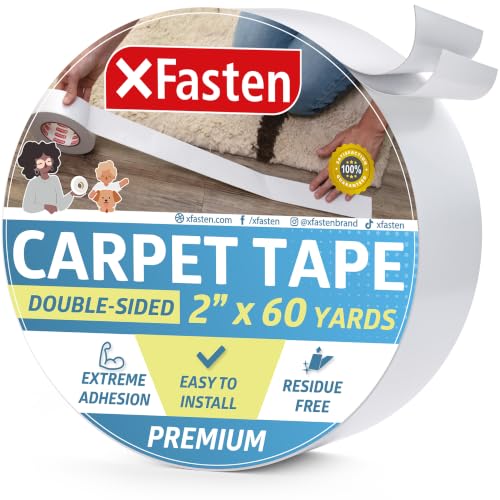
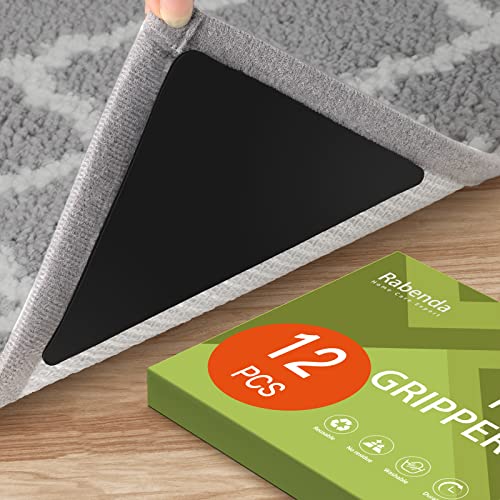
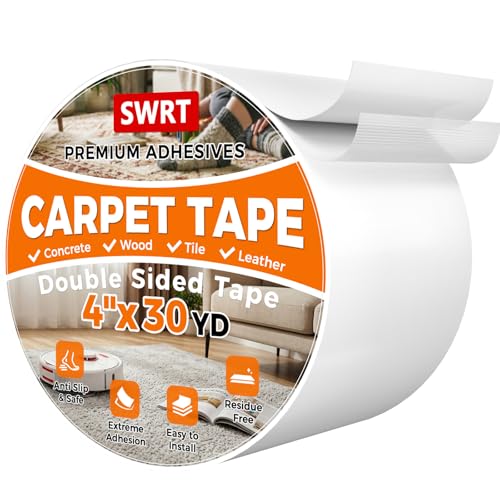
This guide walks through adhesive types, width, coverage, and clean removal so you can match a tape to your exact setup. Use the product table to check widths, roll lengths, and removal claims before you order.


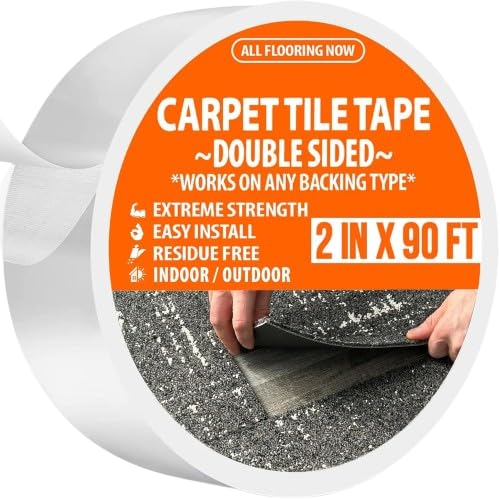
Who Should Buy Which Carpet Tape?
Your carpet, your rug, and how often you move things around matter more than brand names. The four groups below cover the most common setups and the traits each group should put first.
Renters Who Need Clean Removal
If you rent, your top priority is a tape that releases without leaving sticky residue on the carpet fibers or pulling at the backing when you lift it. Look for tapes sold as removable or residue free, and choose a moderate hold rather than the strongest adhesive in the range. Try a short strip under a hidden corner for a few days before you commit to the full perimeter.
Busy Households With Heavy Foot Traffic
Homes with kids, dogs, and a constant flow of feet need holding power above all else. Sliding in a hallway or at a front entry is a tripping risk, so favor a strong hold tape in a wider format and plan to secure all four sides plus the center of larger rugs. In these rooms, plan on replacing tape more often, since grit worked into the adhesive gradually weakens the bond.
People Layering Decorative Rugs Over Carpet
Layering a patterned area rug over plain carpet defines a seating area without replacing flooring. If you are still choosing the top layer itself, see our guide to the best rugs for on top of carpet for combinations that sit flat. For the tape, pick a slim profile that will not show a ridge through a thin rug, and run it just inside the edges.
First Time Buyers Who Want a Simple Setup
If you have never taped a rug down before, start with a standard width roll with a forgiving adhesive that lets you lift and reposition once during fitting. Measure your rug, order a little more length than your math suggests, and practice on one short edge first. A modestly priced roll is enough to learn what hold level your carpet needs before you buy a stronger or longer roll.
Key Features to Compare
The product table above lists the basics, but the details below explain what those specs mean once the tape is under your rug. Choosing the best carpet tape for rugs on carpet gets much easier when you work through each factor against your own carpet and rug pairing.
Adhesive Type and Holding Strength
Most carpet tape is double sided, with one face bonding to the rug backing and the other gripping the carpet below. Hold strength varies widely, from light removable formulas meant for short term use to aggressive adhesives built for permanent placement. Stronger is not automatically better. An adhesive that is too strong for a delicate rug backing can tear fibers on removal, while a light hold tape in a busy hallway will let the rug travel within a week.
Tape Width and Roll Length
Width controls how much contact area the tape makes with both surfaces. Narrow tape, around 1 to 2 inches, suits small mats and runners, while widths near 3 to 4 inches give large area rugs the grip they need across broad edges. Roll length decides how many rugs you can secure, so add up the perimeter of every rug you plan to fix before ordering. Shoppers comparing coverage for bigger rooms may also find our guide to the best carpet tape for area rugs useful, since larger rugs often need a center strip as well as edge strips.
Compatibility With Carpet Pile
Pile height is the single most overlooked factor in this purchase. On low pile or loop carpet, tape presses into full contact and holds well. On medium or plush pile, the fibers act like tiny springs that push the rug upward and work the adhesive loose, so you may need a tape made specifically for thicker carpet or a wider strip for more contact.
Feel your carpet first. If your fingers sink in noticeably, treat strong hold claims with caution and buy a roll that states it suits deep pile.
Rug Backing Compatibility
The underside of your rug matters as much as the carpet beneath it. Smooth backings such as woven cotton or synthetic felt give tape a flat surface and the most reliable bond. Rubber and latex backings can react poorly with some adhesives and may discolor or crumble over time, so check that the tape states it is safe for your backing type. When in doubt, tape a small patch to a corner of the backing and check it after two days.
Removal and Residue Behavior
Every tape eventually comes up, for cleaning, rearranging, or moving house, so removal behavior belongs on your checklist from the start. Residue free tapes use adhesives that release cleanly from carpet fibers, though they usually hold a little less firmly than permanent formulas. Permanent tapes can leave a gummy line that traps dirt even after the rug is gone. Anyone with a lease should weight clean removal as heavily as grip.
How to Measure and Apply Carpet Tape on Carpet
Good results depend more on preparation than on the tape itself. Start by measuring each side of the rug and adding those numbers together for the perimeter, then add about 10 percent for trimming and mistakes. Vacuum the carpet area and the rug backing thoroughly, and let both dry fully if you have spot cleaned them, because dust and moisture weaken adhesive contact.
Cut your strips before you peel anything. A common layout is a strip along each edge set about half an inch inside the border, with an X or a center strip added under rugs wider than about 5 feet. Press each strip firmly onto the rug backing first while the rug is flipped over, smoothing from the center outward so no air pockets remain. Then position the rug, peel the exposed liner, and lower it into place a section at a time.
Once the rug is down, walk slowly along every taped edge to press the bond home, and place a few heavy books on the corners for the first evening if they tend to lift. If your rug still shifts because the pile underneath is very deep, a pad style alternative may suit you better, and our guide to the best gripper for rugs on carpet explains how those products differ from tape.
Common Mistakes to Avoid
- Buying the strongest adhesive for a rental, which can leave residue that costs you part of your deposit.
- Taping only the corners of a large rug, which lets the middle ripple and bunch underfoot.
- Applying tape over dusty or damp carpet, which weakens the bond from the first day.
- Ignoring pile height, which leads to tape that never makes full contact and lets go within weeks.
- Choosing a rug with a rubber backing without checking adhesive compatibility, which can damage the backing over time.
- Ordering exactly the perimeter length with no spare, which leaves you short after trimming mistakes.
How to Make Your Carpet Tape Last Longer
Store unused tape in its roll, away from heat vents and sunny windows, because warmth and sunlight age the adhesive before it ever touches the floor. Keep the liner on until the moment you apply each strip, and avoid touching the exposed adhesive with your fingers, since skin oils reduce grip.
Check the edges of taped rugs every few weeks. A corner that has started to lift can often be saved by pressing it down firmly while the adhesive is still tacky, but a section that feels dry or gritty should be replaced before the rug starts to travel. Replace tape after any deep carpet cleaning as well, since water and cleaning solution worked under the rug break the bond.
Frequently Asked Questions
How much carpet tape does a rug on carpet need?
A rug on carpet needs tape around its full perimeter, plus a center strip or an X pattern once the rug is wider than about 5 feet. A typical 5 by 7 foot rug uses roughly 24 feet for the edges alone. Buying one size longer than your calculation covers trimming errors and future corner repairs without a second order. Rolls sold for multiple rooms can be better value if you are securing several rugs at once.
Will carpet tape damage the carpet underneath a rug?
Carpet tape made for carpet to carpet use is designed to release without harming fibers, but damage risk rises with very strong adhesives and long dwell times. Heat from a sunny room can also bake adhesive into the pile over many months. Reduce the risk by choosing a removable formula, lifting the rug to check the bond every few months, and never using outdoor or construction tape, which is far more aggressive than tape meant for indoor rugs.
Why does a rug keep bunching on carpet even with tape?
A rug keeps bunching on carpet because the pile underneath flexes and pushes against the rug each time someone walks across it, a movement often called carpet creep. Tape alone may not stop it on deep pile. A firmer, thinner rug on top creeps less, which is why guides to the best rugs to go on carpet favor low profile weaves for this setup. Adding a center strip of tape and choosing a rug with a stiff backing also reduces the rippling noticeably.
Can you reuse carpet tape after lifting a rug?
You generally cannot reuse carpet tape once a rug has been lifted, because the adhesive surface picks up carpet fibers and rug backing dust during removal. Even tape that still feels sticky has lost much of its holding strength and may fail unevenly, leaving one loose corner. Budget for a fresh application each time you lift a rug fully. Small corner lifts for quick cleaning are the exception, since most of the strip stays bonded and undisturbed.
What is the difference between carpet tape for rugs and regular double sided tape?
Carpet tape for rugs uses adhesives balanced for fibrous surfaces, gripping carpet pile and rug backing without the harsh solvents found in many general purpose tapes. Ordinary double sided tape is made for smooth surfaces such as paper, wood, and plastic, so it either lets go on carpet or leaves heavy residue when it does hold. Craft tapes also come in narrow widths and short rolls, which makes full perimeter coverage impractical.
How long does carpet tape for a rug on carpet usually last?
Carpet tape for a rug on carpet usually lasts from several months to about a year, depending on traffic, pile depth, and how often the rug is lifted. Hallway runners wear tape out fastest because grit works into the edges with every pass. A simple check is to tug one corner firmly.
If it releases with little resistance, the bond is spent. Replacing tape at the first sign of sliding is cheaper and safer than waiting for the rug to bunch badly.
Final Thoughts
The right choice comes down to three checks: your carpet pile height, your rug backing material, and how cleanly you need the tape to come up later. Renters should weight clean removal first, busy households should weight holding strength first, and anyone with plush carpet should confirm deep pile suitability before anything else. Compare widths and roll lengths in the product table above, measure your rug before ordering, and plan on fresh tape each time you lift it. Chosen with those points in mind, the best carpet tape for rugs on carpet keeps your rug flat, quiet, and exactly where you placed it.