Best Carpet Rugs in 2026: Which Type Is Right for You?
Disclosure: We may earn a commission when you buy through links on this page, at no extra cost to you. As an Amazon Associate I earn from qualifying purchases. Learn more

The best carpet rugs lie flat, grip well and suit your room; compare low pile, plush, flatweave and shag rugs for use over carpet.
Shopping for the best carpet rugs can feel confusing because a rug that looks great on a hard floor may bunch, slide, or sink on wall to wall carpet. The sections below compare the main types so you can see how pile height, backing, and size change the result in a carpeted room.
This guide compares rug types for carpeted floors only, then walks through size, grip, and care. Use it to match a rug to your carpet pile, your room, and your budget before you order.



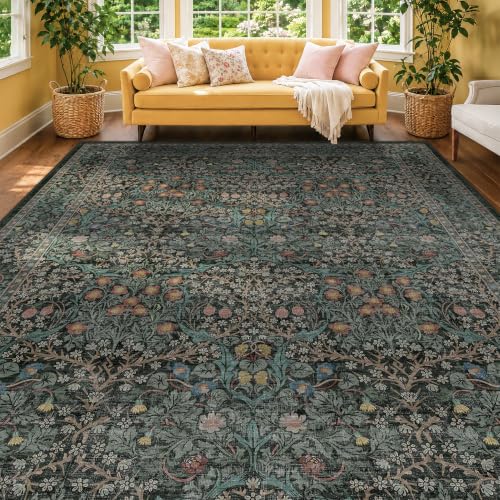


Types of Carpet Rugs Compared
The table below gives a quick view of the main rug types for use over carpet. The same rug can behave very differently on low pile carpet and on thick plush carpet.
| Type | Best For | Pros | Cons | Typical Price |
|---|---|---|---|---|
| Low pile rugs | Busy rooms and doorways | Lie flat, easy to clean | Less cushion underfoot | About $40 to $150 |
| Plush rugs | Bedrooms and sitting areas | Soft feel, warm look | Can sink into thick carpet | About $60 to $250 |
| Flatweave rugs | Dining rooms and hallways | Thin profile, stable edges | Less padding on its own | About $50 to $200 |
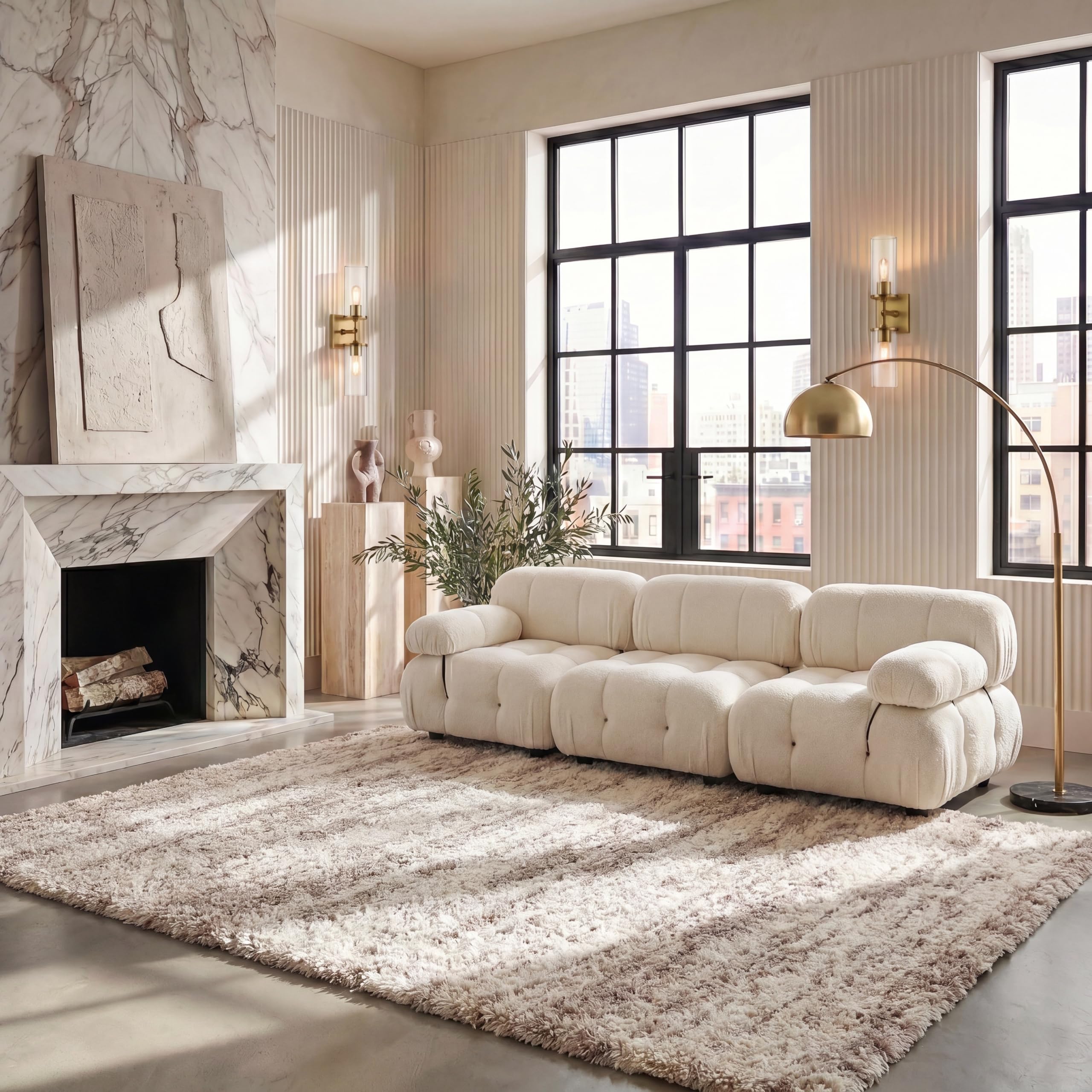
| Shag rugs | Low traffic comfort zones | Deep softness, cozy style | Hard to vacuum, traps dust | About $70 to $250 |
Low Pile Rugs
Low pile rugs have short, tight fibers that sit close to the carpet beneath them. They are the easiest type to keep flat in a doorway or under a chair, because there is less fiber to catch a foot or a wheel. They also vacuum well and show less wear in a hallway or living room that sees daily use.
Choose a low pile rug when your carpet is already thick, or when the rug must sit under furniture that moves often. The trade off is cushion, so pair it with a rug pad made for use over carpet if you want extra comfort.
Plush Rugs
Plush rugs have longer, denser fibers that feel soft and warm under bare feet. They suit bedrooms and reading corners where comfort matters more than frequent cleaning. On low pile carpet they can look rich and layered, and they help a seating area feel separate from the rest of the room.
On thick carpet, though, a plush rug can sink and ripple at the edges. Favor a firmer plush weave with a sturdy backing for rooms that get steady foot traffic.
Flatweave Rugs
Flatweave rugs are woven without a raised pile, so they are thin, light, and stable. That thin profile is a real advantage over carpet, where a thick rug can create a tripping edge or block a door. Flatweave rugs also work well under a dining table, since chairs slide more easily across them.
The downside is padding: a flatweave rug on its own adds little cushion. If comfort matters, add a low profile rug pad designed for carpeted floors.
Shag Rugs
Shag rugs have long, loose fibers that give a deep, cozy feel. They work best in a low traffic spot, such as beside a bed or in a quiet sitting corner, where they will not be walked over all day. Their texture also hides the boundary between the rug and the carpet beneath it.
Shag rugs need more care than other types: vacuuming takes longer, crumbs settle deep in the fibers, and edges can curl if the rug is dragged. Keep shag rugs out of entryways and dining areas.
Low Pile vs Plush: Which Should You Choose?
Low pile and plush rugs differ most in height, cleaning effort, and stability. Low pile rugs lie flatter, clean faster, and cope better with doors, chairs, and pets. Plush rugs feel softer and warmer, but they need a firmer backing and a lower pile carpet underneath to stay smooth.
Choose low pile for busy rooms, homes with pets, and any spot where a door swings over the rug. Choose plush for a bedroom or sitting area where you want softness and foot traffic is light.
How to Choose the Right Carpet Rug
Material and Backing
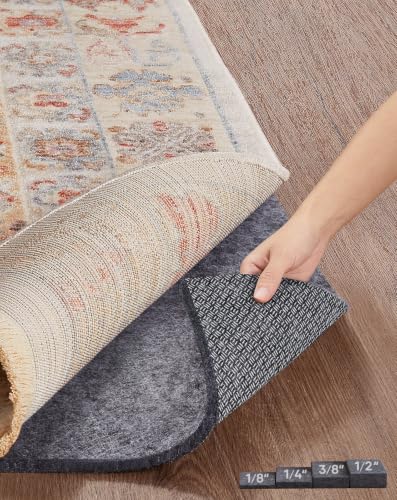
Wool, cotton, and synthetic fibers each bring a different mix of softness, stain resistance, and price. Wool resists crushing, cotton is easy to wash in smaller sizes, and synthetics often resist stains at a lower cost. Backing matters just as much over carpet: a firm backing or a rug pad made for carpeted floors helps the rug grip instead of sliding.
Size and Fit
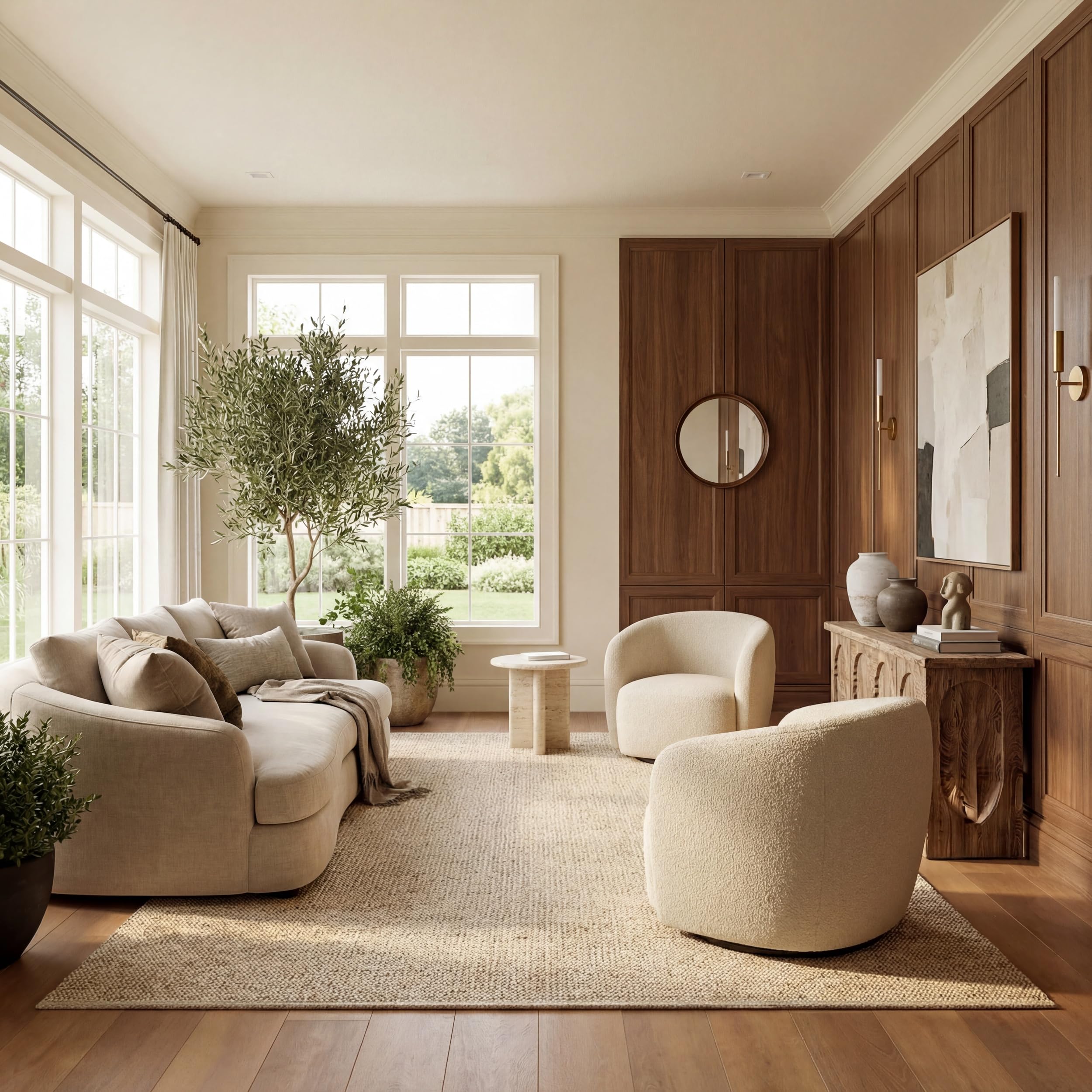
Measure the seating or dining area first, then choose a rug that fits the furniture layout rather than the wall size. In a living room, the front legs of sofas and chairs should sit on the rug so it does not shift. In a dining room, the rug should extend far enough that chairs stay on it when pulled out.
See our guide to best rugs for over carpet for more sizing ideas for layered floors. A rug that is too small looks stranded and moves more, while one that is too large can bunch against walls and doors.
Pile Height and Door Clearance
Pile height is the combined height of your carpet, any rug pad, and the rug itself. Measure the gap under each door in the room before you buy, and subtract a small margin so the door swings freely. Thick rugs over thick carpet are the most common cause of curling edges and doors that stick, so keep the total height modest in rooms with swinging doors.
Grip and Safety
A rug over carpet can still slide, especially on low pile carpet or in a hallway. Look for a rug pad rated for use over carpet, and check that it grips both layers without damaging the carpet fibers. Tape style grippers can help at corners, but try them in a hidden spot first. Keep rug edges flat, and replace a pad that has gone stiff or crumbly, since a worn pad can make sliding worse.
For rooms where layering is the whole point, see our guide to best rugs for on top of carpet. It covers how to keep a layered rug flat and safe in daily use.
Carpet Rugs for Specific Needs
Modern Style Rugs for Carpeted Rooms
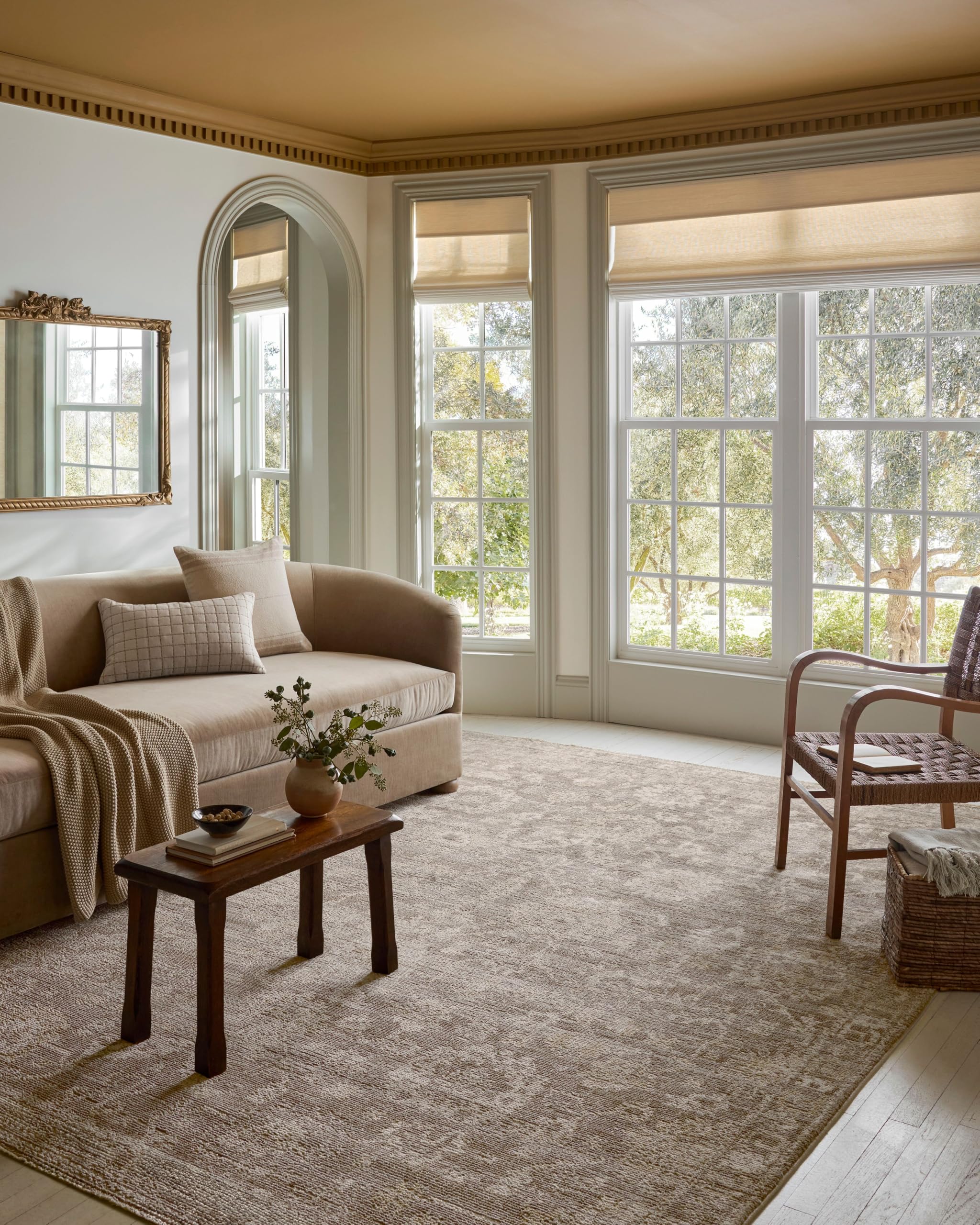
Modern style favors clean lines, flat surfaces, and restrained patterns, so low pile and flatweave rugs usually fit best. Look for simple geometric patterns, a firm backing, and a color that contrasts gently with your carpet rather than matching it exactly. A flatweave rug in a hallway or a low pile rug under a coffee table keeps the modern look tidy without adding bulk.
For a broader view of quality markers such as weave density and edge finishing, see our guide to best area rugs for carpet. Those markers matter more than a modern label, since a well made rug in a simple pattern will outlast a trendy one with weak edges.
Setup and Care Tips
Unroll the rug and let it relax flat for a day before you judge its fit, since a tightly rolled rug may curl at first. Place the rug pad underneath, smooth out wrinkles from the center outward, and set furniture on top to hold the rug in place. Check door clearance again once the rug and pad are both down.
Vacuum the rug and the carpet beneath it on a regular schedule, and lift the rug every few months to vacuum trapped dust underneath. Blot spills at once instead of rubbing them, and follow the maker label for washing. Rotate the rug twice a year so wear falls evenly.
Carpet Rugs: Your Questions Answered
How Often Should I Replace a Carpet Rug?
Most rugs over carpet last about 5 to 10 years, depending on traffic, cleaning, and backing quality. Replace a rug when its backing cracks, its edges curl even after flattening, or its pile stays matted after vacuuming. Check the pad at the same time, since a worn pad can make a sound rug slide.
How Do I Wash Carpet Rugs Safely?
Start with the maker label, since washing rules vary by fiber and backing. Small cotton rugs can often go in a machine on a gentle cycle, while wool and large rugs usually need spot cleaning. Blot spills quickly, try any cleaner in a hidden corner first, and dry the rug fully before putting it back.
Will a Rug Slip on Carpet?
A rug can slip on carpet, most often on low pile carpet or in a hallway where people turn quickly. A rug pad made for use over carpet is the most reliable fix, since it grips both layers. If a rug still moves after adding a pad, it may be too small for the furniture layout.
What Pile Works Best Over Thick Carpet?
Low pile and flatweave rugs work best over thick carpet because they add less height and lie flatter. Plush rugs can sink into thick carpet and ripple at the edges. If you love a plush look, choose a firmer weave with a sturdy backing and keep the rug in a low traffic area.
Can a Rug Damage the Carpet Underneath?
A rug can mark carpet if it traps moisture, sheds dye, or has a stiff backing that grinds dirt into the fibers. A clean rug pad, regular vacuuming underneath, and prompt spill cleanup all lower that risk. Lift the rug a few times a year to check the carpet beneath it.
Final Thoughts
The best carpet rugs for your home are the ones that lie flat on your carpet, suit your room traffic, and stay safe underfoot. Low pile and flatweave rugs suit busy rooms and doorways, while plush and shag rugs suit quiet comfort zones. Measure your doors, check the backing, and pick a size that fits your furniture layout.
Use the product table above to compare types at your budget, then confirm care rules on the maker label before you buy.