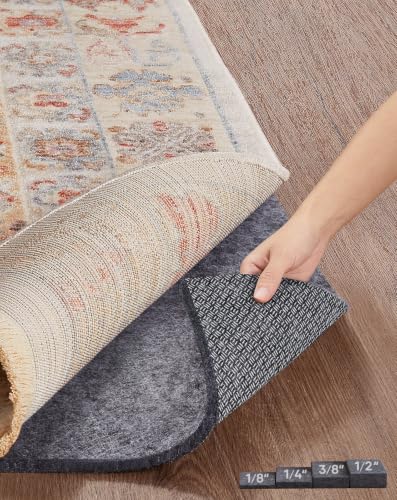
Best Carpet Runners for Hallways and Entryways: A 2026 Guide
Disclosure: We may earn a commission when you buy through links on this page, at no extra cost to you. As an Amazon Associate I earn from qualifying purchases. Learn more

Pick the best carpet runners by size, pile, backing and traffic, with guidance for hallways, entryways and kitchens plus measuring tips.
A runner that feels perfect in a quiet upstairs hallway can fail fast in a busy entryway, so there is no single winner for every home. The right choice depends on traffic, floor type, door clearance, and how much cleaning you want to do each week. This guide walks through the best carpet runners by use case, so you can match size, pile, and backing to your space instead of guessing. Start with the product table, then use the sections that follow to narrow your shortlist with confidence.
You will learn how width and length change the look of a hallway, why backing matters on hard floors, and which materials stand up to pets, kids, and muddy shoes. We also cover measuring, common buying mistakes, and simple care habits that keep a runner flat, clean, and safe underfoot.
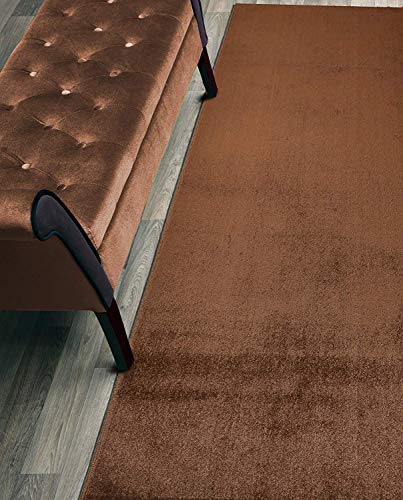


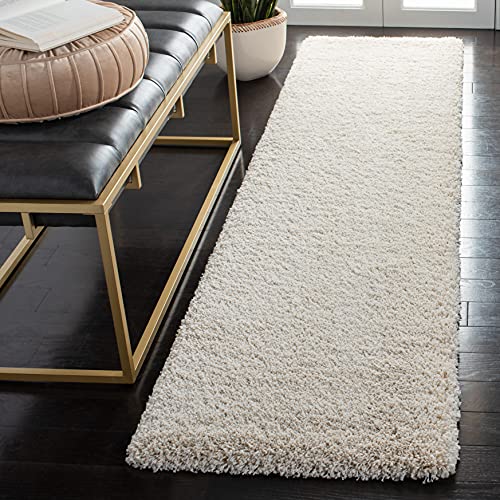
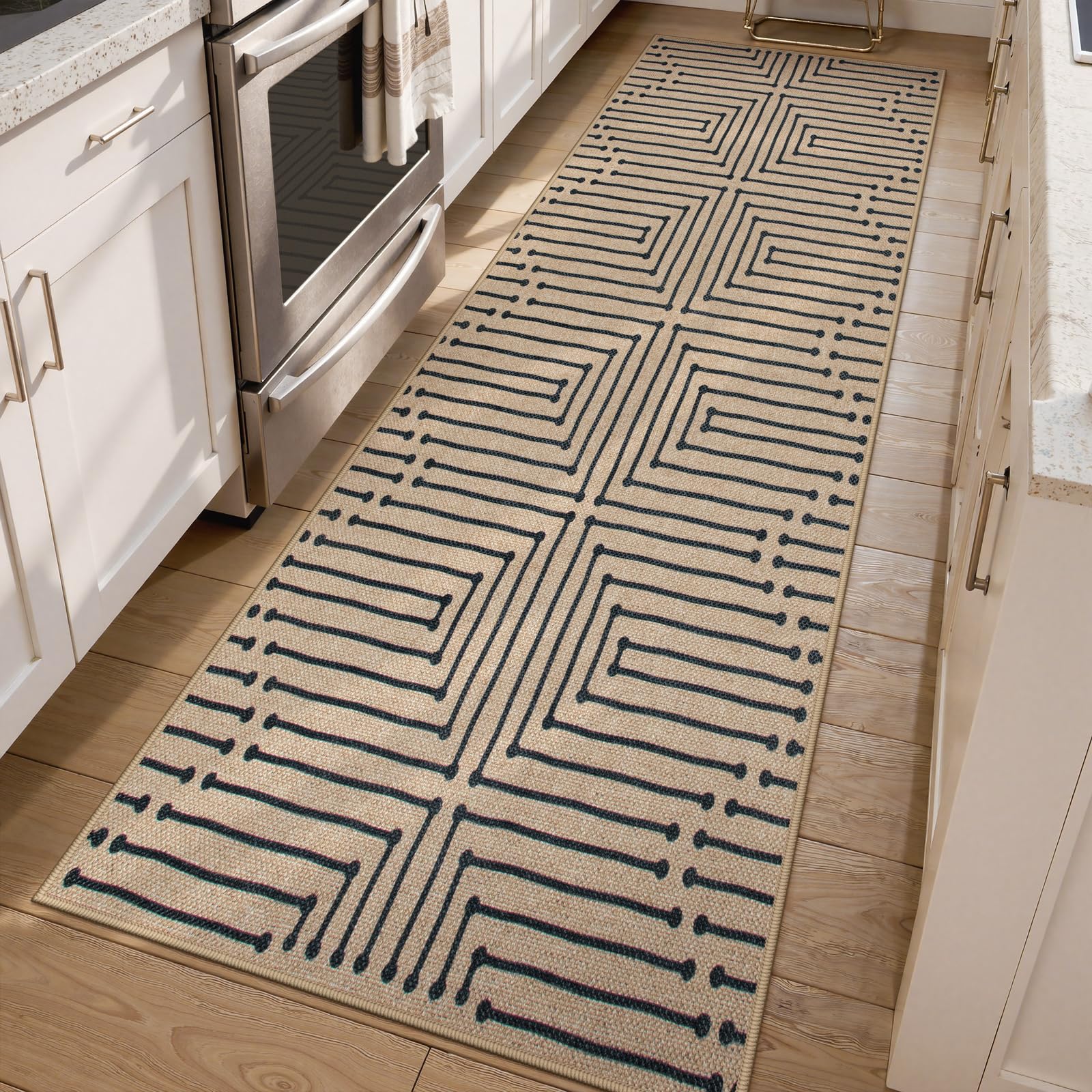
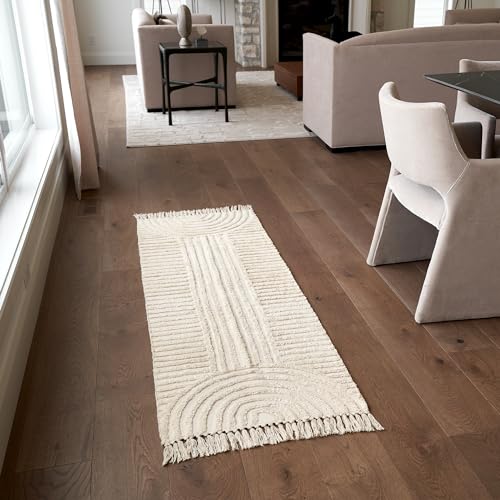


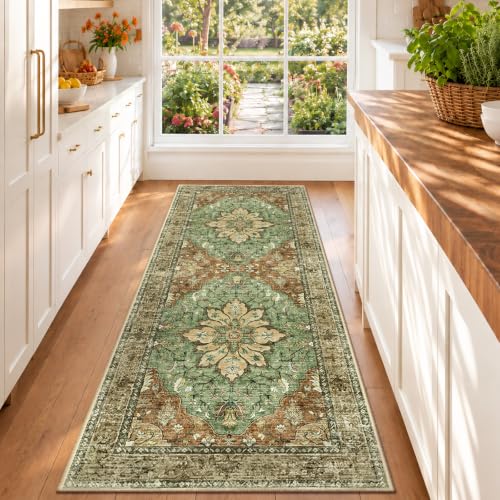
Who Should Buy Which Carpet Runners?
Start with how the space is actually used, not with color or price. A runner is a long, narrow rug, so its job changes from room to room: softening a hallway, catching dirt at a door, or adding grip on a kitchen floor.
For First Time Buyers
If this is your first runner, keep the decision simple and low risk. Choose a standard size in a low pile synthetic fiber, since these are easy to use, forgiving of spills, and simple to vacuum. A rubber backing or a separate pad keeps the runner in place on wood or tile without any special setup.
Pick a mid tone pattern that hides everyday dust between cleanings. Standard sizes also make returns painless if the fit is not quite right at home.
For Value Seekers
Value is about cost over the whole life of the runner, not the lowest price on the page. A slightly thicker polypropylene runner with bound edges often outlasts the cheapest thin option by years, which makes it the smarter buy. Look for clear warranty terms, since a maker that covers defects for several years is signaling real durability. Compact options suit smaller hallways and apartments and usually cost less to ship and store.
For Gift Shoppers
A runner makes a practical housewarming or wedding gift when you choose it carefully. Stick with neutral colors and classic patterns that blend with many styles, and pick a standard length so it fits a typical hallway or galley kitchen. Ask about the flooring in the home if you can, because a grippy backing matters on hard floors and matters less on top of wall to wall carpet. Keep the receipt and favor options with a generous return window and solid warranty coverage.
For People Who Want the Best Performance
Premium options earn their price in dense, resilient pile that springs back after heavy foot traffic instead of flattening into a worn path. Wool and high quality wool blends lead on durability, natural soil hiding, and a rich feel underfoot, while top tier synthetics add stronger stain resistance. Look for tight, even edge binding and a backing that stays flexible instead of cracking. If your home sees daily heavy use, paying more once usually beats replacing a thin runner every couple of years.
Key Features to Compare
Five factors decide whether a runner works in your home: safety, setup, fit, upkeep cost, and matching the runner to the room. The product table above is a handy place to check these points side by side as you read.
Safety and Certifications
A runner that slides or curls is a trip hazard, so grip comes first. Rubber and latex backings hold well on hard floors, while felt backings usually need a separate nonslip pad underneath. Check that corners lie flat and edges are firmly bound, since a raised edge catches toes and vacuum heads alike.
If anyone in the home uses a walker or a wheelchair, choose a very low pile with a smooth, firm surface. Listings that carry recognized textile safety labels, such as certifications for low chemical emissions, give extra peace of mind for homes with kids and pets.
Ease of Use and Setup
Most runners need no tools at all. Unroll yours, then roll it back the opposite way and let it rest for a day or two so the ends relax and lie flat. Place a pad underneath first if the backing is felt or woven, centering the runner so the floor border looks even on both sides. Heavy furniture at one end can hold a stubborn corner down while it settles.
Size, Weight, and Fit for Your Space
Measure the hallway length and width before you shop, then leave about four to five inches of bare floor showing on each side of the runner for a balanced look. Standard widths run about two to three feet, with lengths from about six to fourteen feet, and longer halls may need two runners placed end to end. Check door swing clearance too, since pile height plus pad thickness can make a door scrape or stick.
Heavier runners shift less but are harder to lift for cleaning underneath. If you are also comparing softer decorative styles, see our guide to the best runner rugs for more pattern and pile ideas.
Maintenance and Long Term Costs
Daily upkeep is light, but the fiber you choose sets the long term bill. Synthetic runners handle spot cleaning with mild detergent and water, while wool may need professional cleaning once a year or so, which costs more. A pad is a small extra purchase that protects both the runner backing and the floor finish, and it needs replacing every few years as it loses grip. For weekly dirt and grit, see our guide to the best vacuums for carpet and pick a model with a brush roll you can switch off for low pile.
Intended Use and Room Match
Match the runner to the room and the buying decision gets much easier. Entryways need water tolerant, dark, patterned styles that trap grit before it spreads. Kitchens call for low pile and a firm backing so you can stand comfortably and sweep crumbs away fast.
Stair runners are a separate job that usually needs professional fitting with proper fastening, so treat them as an installed product rather than a loose rug. For a calm landing outside the bedrooms, a softer and quieter pile works well, and if the bedroom floor itself needs covering, see our guide to the best bedroom carpet for full room options.
Common Mistakes to Avoid When Buying Carpet Runners
- Choosing on price alone, because the thinnest runners flatten and fray within a year in a busy hallway.
- Skipping measurements, because a runner that is too long bunches at the doorway and one that is too short looks lost and leaves floor unprotected.
- Ignoring the backing on hard floors, because a runner without grip slides underfoot and can cause a fall.
- Picking plush high pile for an entryway, because deep pile traps grit, holds moisture, and is slow to clean.
- Forgetting to check the warranty and return terms, because sizing and color surprises are common once a runner is unrolled at home.
Tips to Get the Most From Your Carpet Runner
Once your runner is down, rotate it end to end every few months so foot traffic wears both halves evenly instead of carving one pale path down the middle. Keep felt or woven backings on a pad at all times, and lift the runner now and then to check that the pad still grips and the floor beneath is dry and clean.
Vacuum once or twice a week with suction only or a gentle brush setting, working slowly along the length so grit lifts out instead of grinding deeper into the fibers. For the quick daily pickup of crumbs and pet hair between full vacuums, see our guide to the best carpet sweeper for light tools that are easy to grab. Shaking a shorter runner outside once a month also removes a surprising amount of dust.
Blot spills right away with a clean cloth, working from the outside of the stain inward so it does not spread, and let the spot dry fully before walking on it. For lingering odors from pets or cooking, see our guide to the best carpet freshener for options that freshen fibers between deep cleans. Try any cleaner on a hidden corner first, since dyes and backings react differently to moisture and detergents.
Inspect edges and backing every few months, and weigh down any corner that starts to lift. Store a spare runner rolled with the pile facing outward, in a dry place away from direct sunlight, so the backing does not crack. Replace a pad as soon as it feels slick or crumbly, because a worn pad lets the runner creep and wear unevenly.
Carpet Runners: Your Questions Answered
Are expensive carpet runners worth the extra cost?
Expensive carpet runners are worth it when the runner sits in a high traffic path you use every day. Higher prices usually buy denser pile, stronger backing, and better edge binding, which spread the cost over many more years of use. A useful check is cost per year: a runner that lasts eight years at twice the price still beats one replaced every two years. In a guest hallway that sees little use, that math flips and a modest runner makes more sense.
What features matter most when buying a carpet runner?
The features that matter most in a carpet runner are fit, backing grip, and pile height, in that order. A runner that is the wrong length or that slides will annoy you daily, no matter how pretty the pattern is. After those three, weigh fiber durability against your cleaning habits and household traffic. If you are torn between two similar options, order the one with the clearer warranty and the easier return terms, since you can judge the true color and feel only in your own light.
How much should you spend on a carpet runner?
Most households spend about $40 to $120 on a good standard length synthetic carpet runner, while wool and extra long sizes often run about $150 to $400. Set your budget by traffic first, then by size, since length alone can double the price. Remember to leave room in the budget for a quality pad, which protects your floor and extends the life of the runner. Spending a little more on the size you truly need beats saving money on a runner that leaves half the hallway bare.
How long does a carpet runner usually last?
A carpet runner usually lasts about three to five years in a busy entryway and five to ten years in a quieter hallway. Wool and dense synthetics sit at the long end of that range, while thin, loosely woven styles wear out fastest. Watch for the real end of life signs: backing that cracks or sheds grit, edges that will not lie flat, and a center lane that stays flat and faded after cleaning. Replacing a worn runner on time also protects the floor underneath from grit damage.
How do you maintain a carpet runner day to day?
You maintain a carpet runner day to day by removing grit fast and keeping moisture away from the backing. A quick pass with a sweeper or vacuum several times a week stops dirt from settling deep, and wiping shoes at the door cuts the load further. Plan one deeper clean each season, following the fiber care label, and let the runner dry completely before putting furniture back. Small habits like these keep colors brighter and delay the matting that makes a runner look old.
The Bottom Line
Focus on three things and you will choose well: measure for a fit that leaves an even floor border, pick a backing that grips your floor type, and match pile and fiber to your traffic and cleaning style. Use the product table above to compare sizes, backings, and prices against the group that sounds most like your household. The best carpet runners are simply the ones that stay flat, stay put, and still look good after thousands of trips down your hallway.